Can Bad Catalytic Converter Cause Overheating?

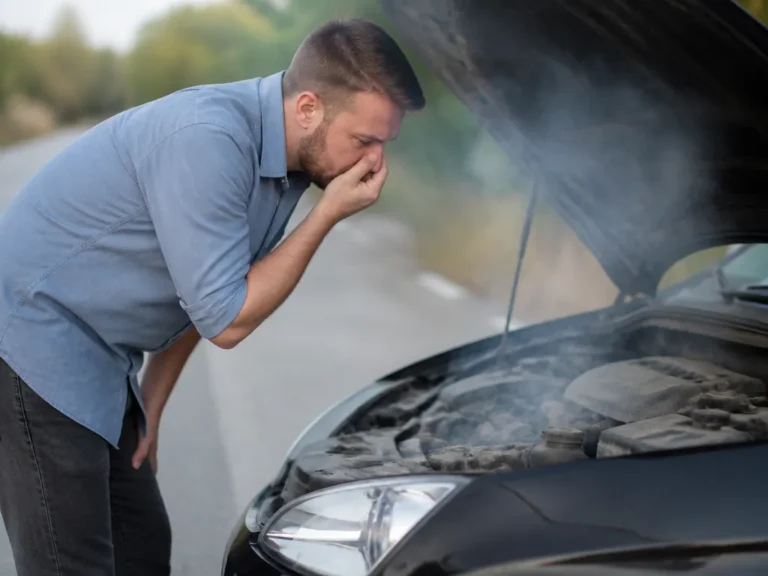
Yes, a bad catalytic converter can contribute to engine overheating, but usually indirectly by restricting exhaust flow. When exhaust cannot escape efficiently, backpressure rises, the engine works harder, and exhaust temperatures increase. Heat can then spread to nearby components and overwhelm a cooling system that is already operating near its limit.
A blocked catalytic converter can also cause reduced power, rattling, misfires, and a rotten-egg smell. If the temperature gauge climbs toward the red, stop driving as soon as it is safe and check the cooling system too. Coolant loss, a stuck thermostat, or a failed radiator fan is often the direct cause of overheating, while the catalytic converter may be a separate problem or the result of an upstream fuel or ignition fault.
Catalytic Converter Overheating
- Fuel causes heat. Misfires or a rich fuel mixture can overheat the catalytic converter and worsen overall heat problems.
- Symptoms overlap. Exhaust restriction and cooling-system failures can produce similar overheating symptoms.
- Use backpressure tests. A proper exhaust backpressure check helps separate restriction from other overheating causes.
- Check codes and O2 sensors. P0420/P0430 and oxygen sensor trends can point to catalyst efficiency problems.
- Do not keep driving. If the temperature gauge rises, shut the engine down and inspect it before damage occurs.
Can a Bad Catalytic Converter Cause Overheating?
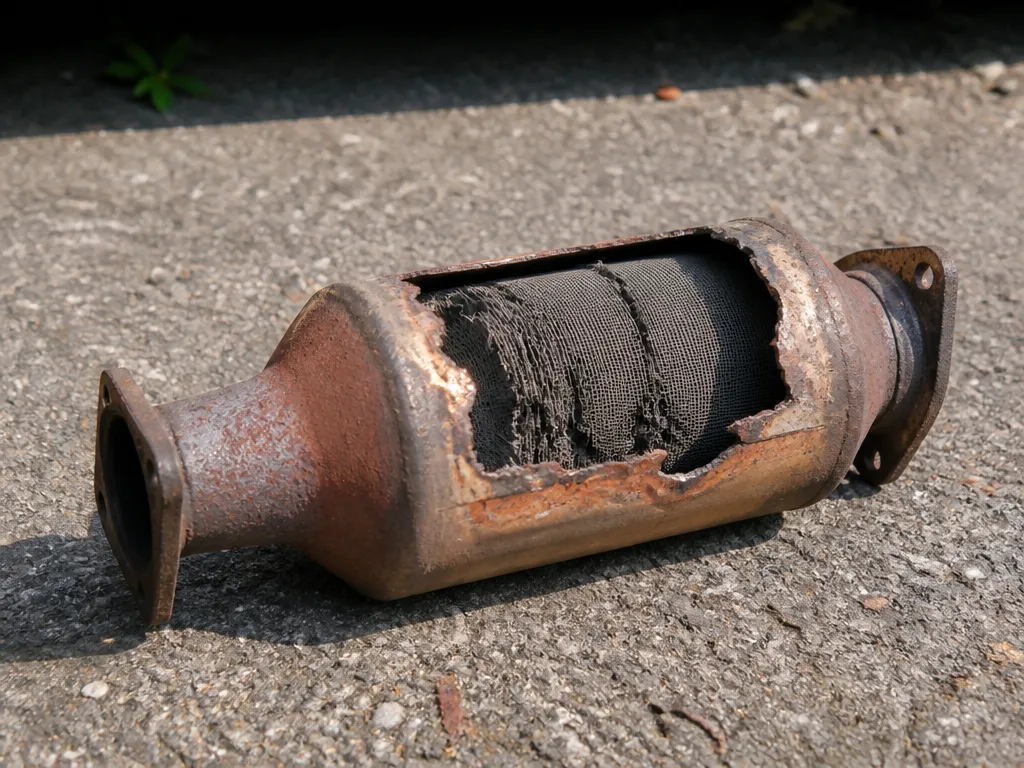
A bad catalytic converter can cause overheating indirectly by restricting exhaust flow, which increases engine load and combustion heat. That extra heat can show up as higher under-hood temperatures and extremely hot exhaust manifolds. If the cooling system is already near its limit, even a modest increase in engine or exhaust heat can push the temperature gauge into the danger zone.
The catalytic converter sits near the exhaust manifold and oxygen sensors, so it can appear to be the source of the heat even when the actual problem is coolant loss, a stuck thermostat, or a weak radiator fan. The diagnosis depends on which failure came first: the exhaust restriction or the cooling-system fault.
How a Clogged Converter Builds Heat
A clogged catalytic converter reduces exhaust flow, forcing the engine to push against a restriction. That raises exhaust gas temperature upstream near the manifold and increases the engine’s workload. You may notice sluggish acceleration, poor fuel economy, or a rough-running feeling as backpressure builds.
Several problems can create a restriction:
- A melted catalyst substrate
- Ash buildup from certain operating conditions
- Internal damage that breaks the converter structure loose
A partially blocked converter may still allow the vehicle to run, but the engine can feel underpowered and run hotter, especially during hill climbs, towing, or hard acceleration. A severe blockage can cause a rapid temperature rise, hesitation, and stalling because the cylinders cannot evacuate exhaust gases normally.
Symptoms That Point to Exhaust Restriction
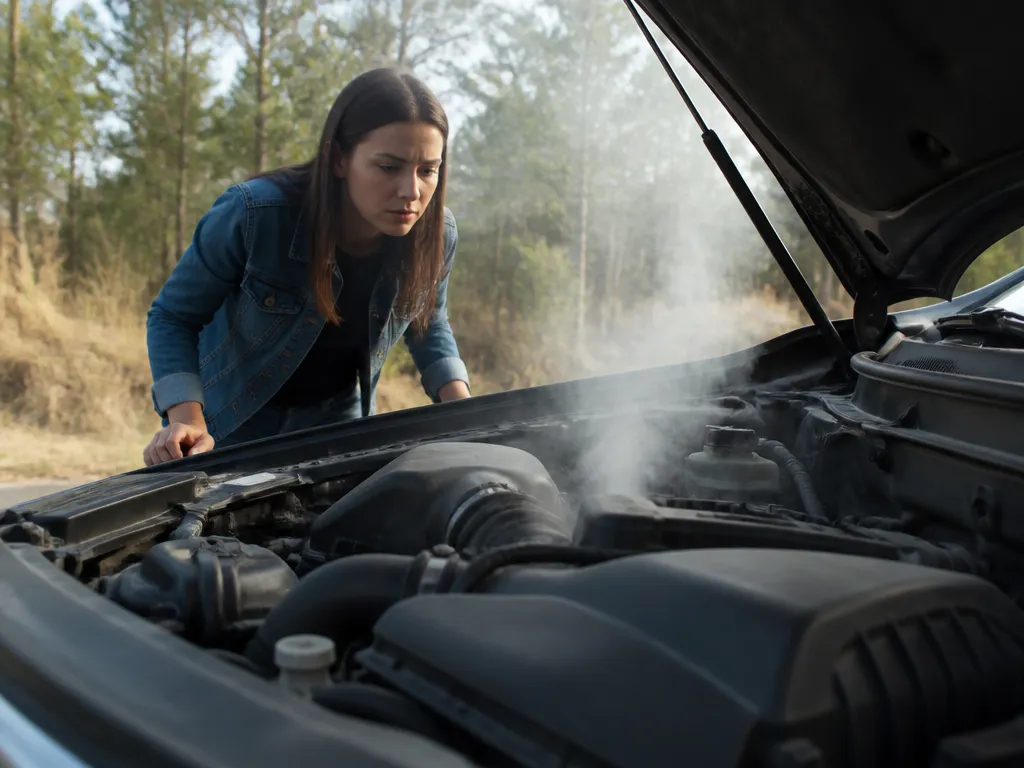
Exhaust restriction usually combines performance problems with signs of excessive exhaust heat. Reduced power, difficult acceleration, and a loss of responsiveness often become worse the longer you drive. Some drivers describe the vehicle as feeling “choked.” You may also notice hot-fuel odors or a stronger-than-normal exhaust smell.
The most useful symptom patterns include:
- Power drops under load. Hills, towing, and hard acceleration make the problem worse.
- The engine sounds wrong. Rattling can indicate a physically damaged catalytic converter.
- The exhaust odor changes. A rotten-egg smell can point to rich running and a risk of catalyst overheating.
- Temperature rises during driving. Exhaust restriction often adds obvious drivability problems.
- The Check Engine Light comes on. Misfire and catalyst-efficiency codes commonly appear with converter problems.
If the car overheats while the cabin heater suddenly changes temperature or the coolant level is low, treat a cooling-system failure as the primary suspect. If the vehicle is underpowered or misfiring and also shows converter-related codes, exhaust restriction moves higher on the list.
Separating Exhaust Restriction From Cooling-System Failure
Overheating is a symptom, not a diagnosis. The engine may be generating excessive heat because exhaust cannot escape, or the cooling system may be failing to remove normal engine heat. Cooling-system clues and drivability symptoms help separate those possibilities.
A cooling-system failure is more likely if the radiator fan does not come on when it should, the upper radiator hose stays cold after the engine warms up, or coolant is leaking. A stuck thermostat can make the vehicle appear normal until the engine reaches operating temperature, followed by a sudden rise in temperature. Low coolant, air trapped in the system, and a failing water pump can also cause a progressive temperature increase even when the vehicle drives smoothly.
Exhaust restriction becomes more plausible when overheating occurs with reduced power, repeated misfires, loud rattling, or unusually high heat near the exhaust manifold. Pay attention to when the problem occurs. A vehicle that runs normally at idle but struggles and overheats under load may have an exhaust-flow problem, although some cooling failures also become worse under load.
Backpressure Tests, O2 Readings, and Trouble Codes
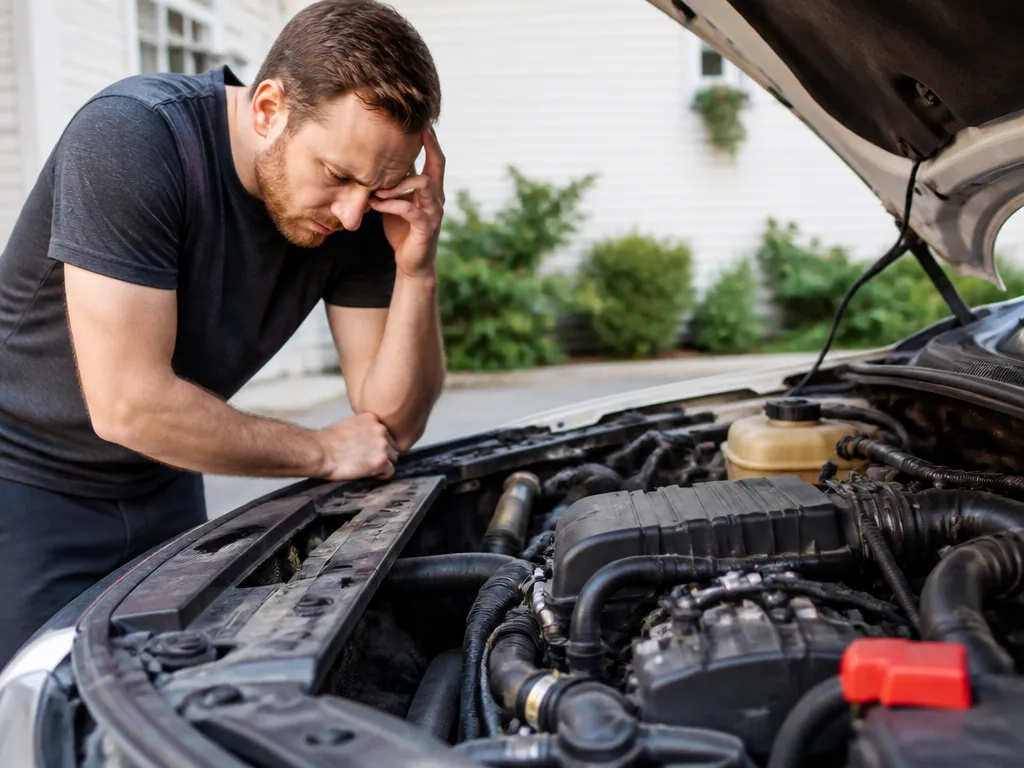
A backpressure test is the most direct way to confirm exhaust restriction because it measures resistance in the exhaust system instead of relying on symptoms alone. A correct test can show whether pressure is excessive near the engine, supporting a diagnosis of a clogged or internally damaged catalytic converter. If backpressure is normal, the converter is less likely to be causing the overheating symptom.
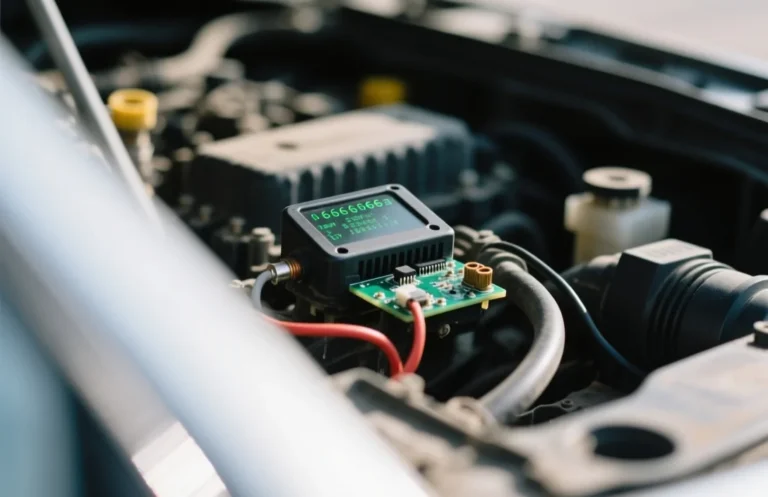
Oxygen sensor readings and catalyst-related codes help show how the converter is functioning, but they do not replace a backpressure test when the main symptoms are heat and power loss. Look for poor exhaust-conversion efficiency, oxygen sensor switching behavior that suggests the catalyst is not buffering oxygen content, and misfire-related patterns.
Codes that may appear include P0420 for catalyst efficiency below threshold on bank 1 and P0430 for catalyst efficiency below threshold on bank 2. Misfire or rich-running codes may appear at the same time. When that happens, unburned fuel may be entering the converter and overheating it rather than a physical blockage being the original problem.
The code pattern matters more than memorizing individual numbers. A catalyst-efficiency code without power loss may indicate a different problem from the same code paired with rough running, reduced power, and a fast temperature rise.
How Misfires and Fuel Problems Damage the Converter
A failed catalytic converter can be both a result of an engine problem and a source of new drivability symptoms. Rich fuel mixtures and ongoing misfires send unburned fuel into the converter, where it burns and drives catalyst temperatures extremely high. That heat can melt the internal substrate, damage nearby components, and create an exhaust restriction.
Misfires are especially important because they send oxygen-rich exhaust and unburned fuel into the converter. The risk increases during acceleration and whenever the engine management system is running rich. Some vehicles respond to misfire or catalyst risk by changing fueling or limiting power, which can feel like a failing converter even when the original fault is in the ignition or fuel system.
A catalytic converter does not usually change ignition timing directly. Instead, the engine control unit may adjust fueling, timing, or power output in response to misfires and oxygen sensor signals. Frequent misfires can make the engine feel abnormal, increase heat, and trigger additional fault codes. If misfire codes keep returning, include the ignition system, fuel delivery, vacuum leaks, and compression in the diagnosis.
Repairing the Cause Instead of Replacing Parts
Once you determine whether the overheating comes from the cooling system or exhaust restriction, you can decide whether the catalytic converter, the engine, or both need repair. Excessive exhaust backpressure or melted and damaged catalyst substrate usually means the converter needs replacement. However, if rich running or misfires caused the failure, repair those problems before installing a new converter or the replacement may fail again.
Cooling-system faults require immediate attention. Low coolant, a stuck thermostat, a failed radiator fan, a failing water pump, or air in the system can all cause serious engine damage. Overheating can warp components, damage head gaskets, and create expensive engine repairs. Replacing a catalytic converter will not solve those problems.
Use this sequence after scanning the vehicle and completing basic checks:
- Confirm coolant health. Check the coolant level, inspect for leaks, verify fan operation, and evaluate thermostat behavior.
- Verify exhaust restriction. Use a backpressure test if available, or have a repair shop perform one.
- Find the cause of catalyst failure. Check for misfires, rich fuel mixture problems, ignition faults, and sensor issues.
- Repair the upstream fault. Fix ignition, fuel delivery, vacuum leaks, or sensor problems as needed.
- Replace the converter only when justified. A restricted or melted converter generally requires replacement.
I would be especially cautious about replacing a catalytic converter while the engine still has active misfires or a rich fuel condition. The converter may be the damaged part, but the engine fault is what caused the damage.
FAQ
Can a bad catalytic converter cause my temperature gauge to overheat?
Yes, but usually indirectly. A clogged or internally damaged catalytic converter can increase exhaust backpressure and raise upstream exhaust temperatures. That extra heat may push the engine into overheating if the cooling system is already near its limit. If the gauge climbs, check the coolant level and look for leaks immediately because cooling-system failures are the most common direct cause.
How can I tell whether overheating comes from the catalytic converter or the cooling system?
Look for paired clues. Cooling problems often cause coolant loss, a non-working radiator fan, or rising temperature while the vehicle otherwise drives normally. Exhaust restriction more often causes reduced power, hesitation under load, misfires, rattling, and catalyst-related codes. A shop can measure exhaust backpressure and test the cooling-system components to confirm the cause.
What codes appear when a catalytic converter overheats?
Catalyst-efficiency codes such as P0420 and P0430 may appear. Misfire or rich-running codes often appear with them when unburned fuel is overheating the converter. Oxygen sensor behavior can help show whether the catalyst is converting exhaust gases properly, but the codes alone cannot prove that the converter is physically clogged.
How long can I drive if I suspect an overheating catalytic converter?
Minimize driving. If the temperature gauge rises toward the red, or you notice power loss combined with a strong exhaust odor, stop driving and let the engine cool. Continued operation can damage the converter further, melt exhaust components, and increase the risk of engine damage.
Is replacing the catalytic converter always the fix?
No. If rich running or misfires caused the converter to fail, replacing it without repairing the upstream problem often leads to another failure. The correct repair depends on whether the converter is physically restricted and whether ignition, fuel-control, or oxygen-sensor problems are also present.

- Top 10 Best Helmet For Xtreme 125r 2026 - October 5, 2026
- Top 10 Best Helmet For Xpulse 200 2026 - October 5, 2026
- Top 10 Best Helmet For Xsr 155 2026 - October 5, 2026