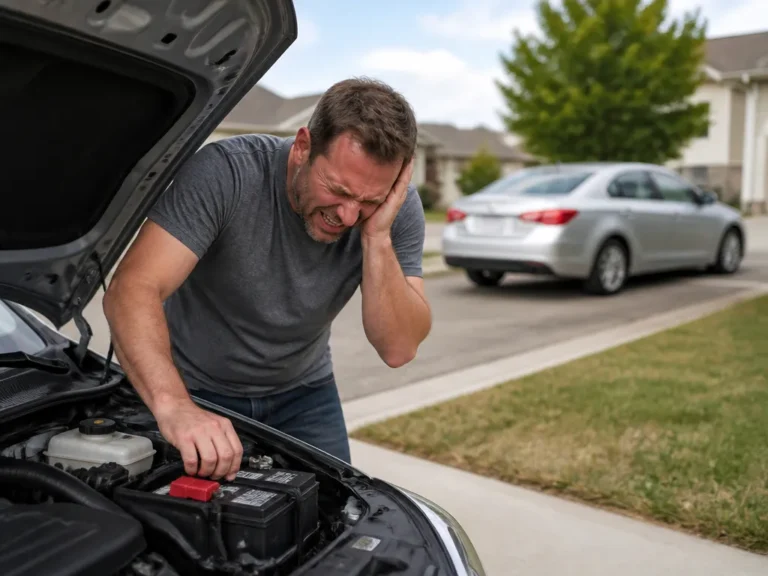
Car Struggling To Accelerate And Burning Smell: Car Struggling

A car that struggles to accelerate while producing a burning smell may have a fuel, ignition, cooling, brake, clutch, transmission, or electrical problem. Treat the combination as a heat-and-power warning rather than a minor performance issue. A fuel smell can point to a leak or misfire, while burnt plastic suggests overheating wiring or a failing electrical component.
Stop driving if you see smoke or steam, the temperature gauge rises quickly, the check engine light flashes, or the smell is clearly electrical. If the car runs normally at light throttle and the problem appears only when you accelerate hard, you can make a few safe checks before deciding whether it needs a tow.
Key Takeaways
- Stop driving early if the dash shows a warning, you see smoke, or the temperature spikes. Continuing can turn a small fault into major engine, catalytic-converter, or electrical damage.
- Fuel smell often points to a fuel leak, low fuel pressure, or an ignition misfire.
- Electrical smell usually points to overheating wiring, a short, corroded connector, relay, or fuse block.
- Ignition problems can cause rough power under acceleration when coils, plugs, or a crankshaft or camshaft sensor begins to fail.
- Drivetrain heat can indicate clutch or transmission slip. With a slipping clutch, RPM rises without a proportional increase in road speed.
- Check safely by wearing gloves, inspecting fluids only when the engine is cool, and never opening a hot radiator cap.
Car Struggling to Accelerate and Burning Smell
If your car struggles to accelerate and smells like something is burning, the smell helps identify which system is overheating or failing. Pay attention to whether the odor resembles gasoline, hot rubber, burnt plastic, clutch material, hot oil, or coolant. Also note whether the engine runs smoothly at light throttle and loses power only when you demand more.
If the issue is intermittent and the car remains stable at idle and under gentle acceleration, make a controlled inspection before deciding whether to drive it to a shop.
Match the Smell to the Failing System
“Burning smell” can describe several different odors. If it is safe, shut off the engine, open the hood, and identify where the smell is strongest without reaching near moving belts or hot components. The odor often points to the system under the most stress.
- Fuel smell – Often indicates a fuel leak, evaporative-system purge problem, or misfire that sends unburned gasoline into the exhaust.
- Hot rubber smell – Often comes from a slipping belt, dragging brake, or worn engine mount moving a component into the belt path.
- Burnt plastic or electrical odor – Suggests overheating wiring insulation, a failing relay or fuse block, or a connector with a poor, heat-producing connection.
- Burnt clutch smell – Usually has a sharp, slightly sweet friction-material odor. It commonly appears when RPM climbs but the vehicle fails to gain speed efficiently.
- Hot oil or metal smell – Can indicate oil leaking onto the exhaust or a component overheating because of reduced lubrication or a coolant leak.
Gasoline smell combined with hesitation under load often means the engine has unstable fuel pressure or is misfiring. An electrical smell combined with power loss may mean a circuit is overheating or the vehicle is shutting down a circuit to protect itself. Continued driving can damage connectors and wiring.
Fuel Problems That Cause Hesitation Under Load
Fuel-delivery problems commonly appear when you press the accelerator harder. A clogged fuel filter or restricted line, failing fuel pump, or low fuel pressure can leave the engine too lean under load. The result may be hesitation, bucking, or a misfire accompanied by a raw-fuel odor.
Other possibilities include a leaking fuel-pressure regulator, failing injectors, or a poor connection at the fuel-pump harness. A vacuum leak can also upset the air-fuel mixture and make acceleration stumble because the engine is constantly adjusting fuel based on measured airflow.
These patterns are useful clues:
- Hesitation that clears when you ease off can occur when fuel pressure briefly collapses and the engine cannot maintain the correct mixture.
- Misfire under load may smell like raw fuel when unburned fuel reaches the exhaust and ignites there, sometimes with popping.
- Intermittent power loss can occur when a weak fuel pump fails under demand or when an electrical connection intermittently cuts power to the pump or injectors.
Do not dismiss a strong fuel smell because the car drives normally after cooling down. A fuel leak can worsen, and a misfire can overheat the catalytic converter. If you find wetness, staining, an obvious wet spot, or a strong fuel odor near the engine bay, treat the problem as a possible fuel leak and have it inspected.
Ignition Failures That Reduce Engine Power
The engine needs consistent spark timing and spark energy under load. A weak ignition coil, worn spark plug, damaged plug insulator, or high-voltage leak can cause hesitation, bucking, vibration, and sudden power loss when you press the accelerator.
The burning odor may come from unburned fuel entering the exhaust. Rough idle, vibration, and a check engine light strengthen the case for an ignition misfire. A sustained misfire can quickly damage the catalytic converter.
Common ignition-related causes include:
- Coils weakening when hot, causing a misfire after the vehicle has been driven.
- Worn spark plugs with an incorrect gap or damaged insulator.
- A failing crankshaft or camshaft position sensor that disrupts ignition timing and makes the engine lose power.
- Faulty engine grounds or battery connections that reduce voltage and weaken spark energy.
If the odor smells more like gasoline than plastic, ignition misfire is a strong possibility. If it unmistakably smells electrical, inspect the wiring harness, connectors, alternator, and charging system as well as the ignition coils.
Clutch, Transmission, and Brake Drag
A slipping clutch or transmission can create a hot friction odor while reducing acceleration. Compare engine RPM with vehicle speed. If RPM rises sharply but the car does not gain speed at the same rate, the drivetrain is likely slipping.
- Manual transmission clutch slip – RPM rises quickly when you accelerate, but the car gains speed slowly. The burning odor often appears after a hard acceleration.
- Automatic transmission slip – RPM may flare higher than expected, followed by delayed engagement or a “rev then go” sensation. Harsh shifts and shuddering may also occur.
- Torque-converter or internal transmission wear – Can create excess heat and odor, especially when the transmission fluid level or condition is poor.
A dragging brake can also make the vehicle feel weak because one wheel is resisting motion. It usually creates a hot rubber or friction smell rather than a gasoline odor. After driving, do not touch the wheels or brakes to compare temperatures. A wheel that radiates unusual heat or produces smoke needs immediate inspection.
Avoid repeated hard acceleration if you suspect clutch or transmission slip. Overheating can turn a repairable fault into major clutch or transmission damage. Do not keep testing the car if you see fluid beneath it, receive a red transmission warning, or smell strong, persistent friction.
Overheating and Fluid Leaks
Overheating can cause power loss and several different burning odors. Coolant often smells sweet, while oil dripping onto a hot exhaust component smells sharp and metallic. As temperatures rise, the engine may reduce power or misfire because its components are operating outside their normal range.
Let the engine cool before opening the hood near the radiator or coolant system. A hot radiator cap or expansion tank can release scalding fluid under pressure. Once the engine is cool, check the coolant reservoir if your car has one and look for obvious leaks beneath the front of the engine bay.
Common overheating causes include:
- Low coolant level from a leak at the hoses, radiator, water pump, heater hoses, or a failed cap.
- A failing cooling fan that does not switch on when needed, often because of a bad fan relay.
- A stuck thermostat that prevents the engine from regulating temperature properly.
- Water-pump problems that reduce coolant flow, especially as the engine heats up.
- A blocked radiator with reduced heat transfer.
Watch how the temperature gauge behaves. A gradual rise that stabilizes differs from a fast climb toward the red zone. If the gauge is already near red while the car loses power, stop driving.
If the odor resembles hot oil, inspect for fresh wetness around the engine, valve cover, oil-filter area, and seams. An oil leak onto the exhaust can create an intense smell even when the coolant temperature remains normal.
A Fast Diagnostic
Use this order to answer two questions: Is the car safe to drive, and which system is producing the smell and hesitation?
1. Decide Whether to Stop
- If no urgent warning appears, switch off the engine and leave the hood open for a minute so you can identify the strongest smell area without touching hot or moving parts.
2. Check for Obvious Clues
Look without tools:
- Inspect for leaks – Look for wet spots, drips, or staining near coolant hoses, the radiator, oil filter, fuel rail hoses, and the underside of the engine.
- Inspect belts and fans – A belt that is off track or shredded can create a hot rubber odor and reduce engine power.
- Listen for unusual sounds – A loud fan, whining pump, or grinding noise can indicate a cooling, fuel, belt, brake, or other mechanical problem.
3. Categorize the Odor
- Gasoline smell – Focus on fuel pressure, vacuum leaks, fuel leaks, and ignition misfire.
- Burnt plastic or electrical smell – Focus on wiring, relays, connectors, the alternator, and charging voltage.
- Hot rubber smell – Focus on a dragging brake or slipping belt.
- Hot clutch or friction smell – Focus on manual clutch slip or transmission overheating.
4. Read the Trouble Codes
An OBD-II scanner can show whether the vehicle has codes related to misfire, fuel pressure, oxygen sensors or mixture, crankshaft or camshaft correlation, or overheating. The check engine light also provides a useful distinction:
- Steady check engine light – Usually less urgent, although the vehicle still needs diagnosis.
- Flashing check engine light – Treat as urgent because an active misfire can damage the catalytic converter.
5. Check Fluids When the Engine Is Cool
- Verify the coolant level and look for leaks.
- Verify the engine oil level, especially if the odor suggests an oil leak. Do not run the engine low on oil.
6. Test Drive Only if the Car Is S
Do not test-drive a car that is actively overheating, smoking, leaking fuel, or producing a strong electrical odor. If the engine is stable at idle and the vehicle has no urgent warning signs:
- Try gentle acceleration first.
- Make one short, moderate-throttle pull in a safe area.
- Note whether the hesitation starts immediately, after a delay, or only when the engine is under heavy load.
Hesitation at the exact moment you apply hard throttle often points to fuel-pressure loss, ignition misfire, or an air leak. A vehicle that cannot pull for long while the smell intensifies points more toward clutch or transmission slip, overheating, or another heat-related fault.
FAQ
What should I do immediately if my car smells burning and will not accelerate?
Pull over, switch off the engine, open the hood, and determine whether the odor resembles fuel, hot rubber, clutch material, coolant, or oil, provided there is no smoke, steam, rapid temperature rise, flashing check engine light, or strong electrical smell.
How much does it usually cost to fix poor acceleration with a burning smell?
The cost depends on whether the cause is a misfire involving coils and plugs, a fuel leak, an overheating problem, or a transmission or clutch fault. Labor varies widely between sensor and ignition repairs and leak or overheating repairs. If the vehicle has trouble codes, get a diagnosis before approving parts.
Can a bad fuel pump cause both hesitation and a burning smell?
Yes. A weak pump can cause a lean misfire under load, and the misfire can produce a raw-fuel smell near the exhaust. If the odor is clearly gasoline and you find wetness, stop driving because a fuel leak is also possible.
How do I tell whether it is a clutch or engine problem?
In a manual car, a sharp RPM increase without a matching increase in road speed points to clutch slip. In an automatic, look for RPM flare-ups, delayed engagement, or a “rev then go” sensation accompanied by a hot friction odor. Engine misfires more often cause bucking, rough running, vibration, or related trouble codes.
Is it safe to drive to work if the smell is faint?
Not if the smell increases with acceleration or the temperature gauge changes. A faint odor can still indicate an overheating electrical connector, dragging brake, fluid leak, or other component under stress. If the car feels weak enough to concern you, arrange an immediate inspection or tow instead of extending the drive.

- 10 Best Jack For Flat Tire Review (October 2026) - October 12, 2026
- 10 Best Jack For Ford Transit Review (October 2026) - October 12, 2026
- 10 Best Jack For Ford Raptor Review (October 2026) - October 12, 2026