Can A Bad Valve Cover Gasket Cause Loss Of Power?

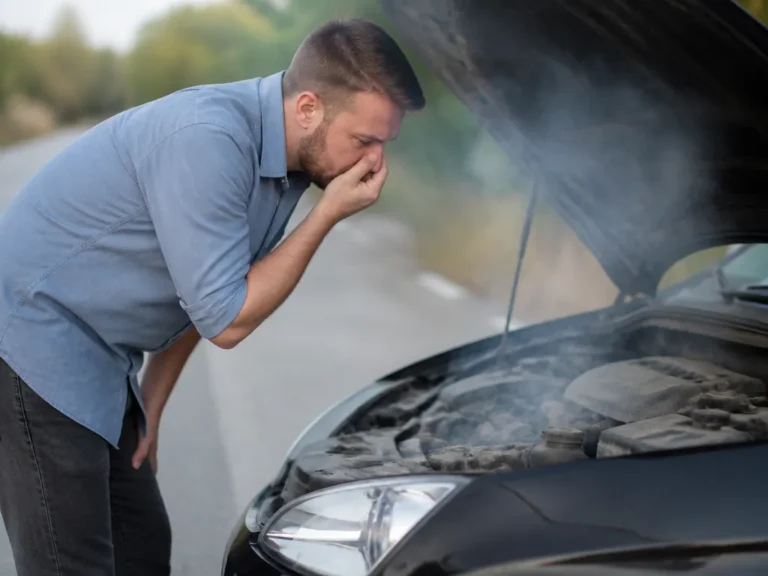
A bad valve cover gasket can reduce power, but usually indirectly. The gasket keeps engine oil inside the valve cover and away from the spark plug wells. When it fails internally, oil can reach the plug wells, contaminate the ignition components, and cause misfires that feel like a weak or hesitant engine. An external leak usually creates an oil smell and mess without affecting performance. A leak near the valve cover can also create a vacuum leak, causing rough idle, lean codes, and poor drivability.
- Power loss mechanism: Oil in the spark plug wells can cause misfires.
- External leaks: Oil on the outside of the engine usually causes mess and smell, not power loss.
- Vacuum leaks: A leak near the gasket can cause rough idle and lean codes.
- Check for wetness: Look for fresh, wet grime around the valve cover edges.
- Confirm with the ignition coils: Remove the coils and check their tips for oil.
- Treat severe symptoms seriously: Misfires or a low oil level make the car suitable for short trips only.
Can a Bad Valve Cover Gasket Cause Loss of Power?
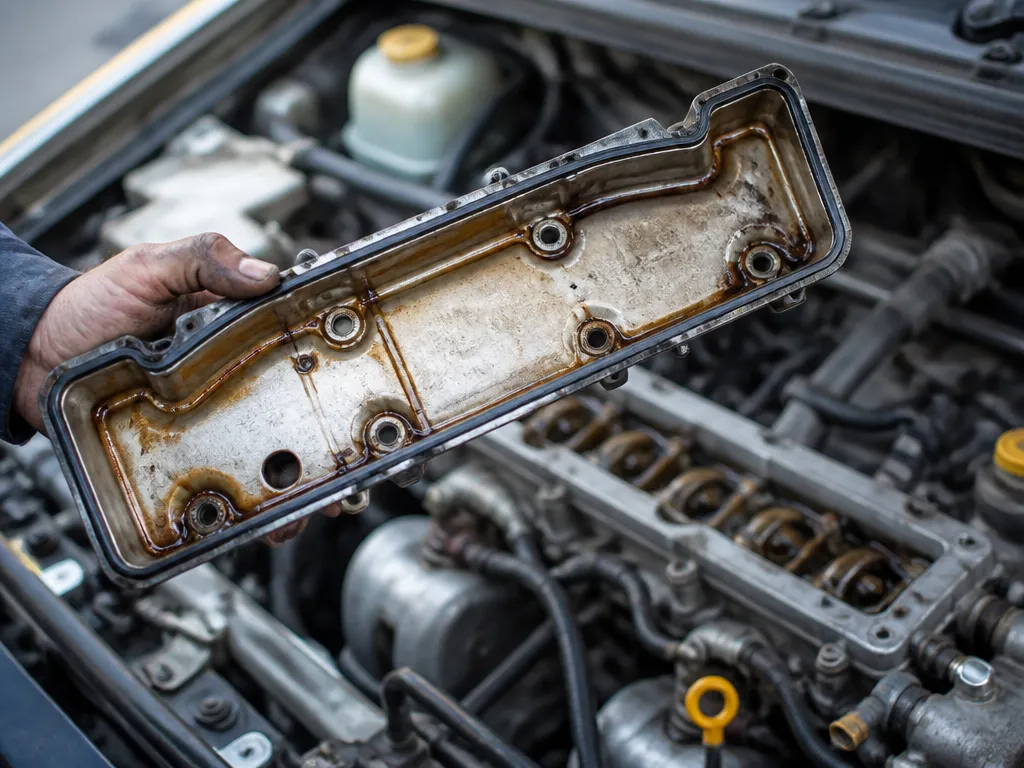
Yes. A bad valve cover gasket can cause loss of power when it leaks oil into the spark plug wells and triggers misfires. The gasket does not control cylinder compression, so a purely external oil leak usually will not reduce engine power. It can, however, contaminate ignition components, disrupt combustion, and cause the engine computer to reduce performance because one or more cylinders are not firing reliably.
The most common symptoms are stuttering acceleration, hesitation when you press the gas, and rough running under load. If oil fouls the ignition components, the Check Engine Light may come on with misfire-related codes.
How a Bad Valve Cover Gasket Affects Engine Performance
A valve cover gasket seals the gap between the valve cover and cylinder head, keeping oil inside the top of the engine. Heat and age can harden, crack, or flatten the gasket, allowing oil to escape. Power loss depends on where that oil goes and whether the leak also lets unmetered air enter the engine.
Two failure paths matter:
- Oil contamination: Oil leaking into the spark plug tubes can interfere with ignition and cause misfires.
- Air leakage: A failed seal can create a vacuum leak, leading to rough idle and lean-running symptoms that feel like weak or inconsistent power.
If the engine only smells like burning oil and has oil on the side of the block, expect a leak and cleanup rather than a direct power problem. If oil is in the plug wells or the engine is misfiring, the gasket leak is a plausible cause of the power loss.
Valve Cover Gasket Failure Causing Vacuum Leakage
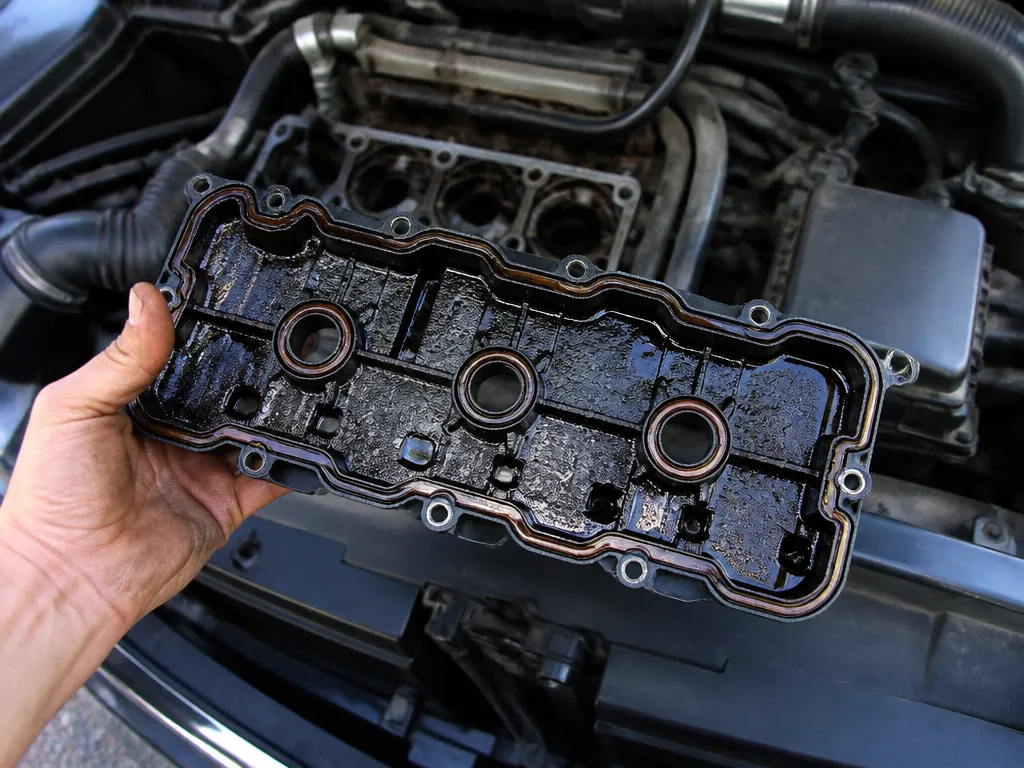
A valve cover gasket can contribute to a vacuum leak if its seal fails near an area under engine vacuum and allows unmetered air into the intake system. You may hear hissing near the valve cover, especially while the engine idles. The leak can trigger lean codes, rough idle, stumbling, or hesitation when you open the throttle.
A significant vacuum leak may also make the vehicle surge or transition poorly from idle to driving RPM. These symptoms can resemble ignition or fuel-system problems, so the diagnostic codes and the leak location matter.
If the main symptoms are rough idle and lean codes rather than misfire codes, check for an air leak first. Also inspect for oil contamination, since the same gasket area can cause both problems.
Valve Cover Gasket Leak vs. Head Gasket vs. Oil Pan Gasket
A valve cover gasket seals the top of the engine. A head gasket seals the joint between the cylinder head and engine block. An oil pan gasket seals the bottom of the engine. Their locations produce different leak patterns and symptoms.
| Leak Type | Key Clues You Can See | Common Performance Impact | Best Next Check |
|---|---|---|---|
| Valve cover gasket | Oil around cover edges, burning oil smell, oil in spark plug wells | Misfires and rough idle, sometimes power loss | Inspect perimeter “wet” grime, then pull coils and check for oil |
| Head gasket | Coolant loss, overheating, white smoke, milky oil in cap, bubbles in overflow | Hard starts, overheating, severe running issues | Check coolant level, look for combustion gases, pressure test cooling system |
| Oil pan gasket | Oil dripping from bottom, wet underside, low oil level | Usually oil pressure warnings, not ignition misfires | Inspect undercarriage, check oil level and tracks after shutdown |
A rough-running engine with suspected ignition trouble points more toward a valve cover gasket, especially if the spark plug wells contain oil. Coolant loss or overheating raises concern about a head gasket. Oil dripping from the underside with a rapidly falling oil level points more toward the oil pan gasket.
How to Confirm a Valve Cover Gasket Leak at Home
The top of the engine often provides enough evidence to identify a valve cover gasket leak. Start with a clean surface, then inspect the cover edges after a brief drive. Fresh oil leaves wet, tacky grime where the valve cover meets the cylinder head. Use a bright flashlight and let the engine cool enough to touch before inspecting it.
A burning rubber or oil smell can indicate that oil is dripping onto hot parts such as the exhaust manifold. That confirms an external leak but does not show whether the ignition system is contaminated.
The most useful home check when power loss is involved is the spark plug wells. Remove the ignition coils or coil-on-plug boots and inspect their tips. Oil on a coil tip usually means oil has entered the plug well, creating a direct path to misfires and reduced power.
Also monitor the oil level. Rapid oil loss can indicate an active leak near the top of the engine, although other leaks are possible.
- Clean the engine top. Wipe away old residue so fresh oil is easy to spot.
- Drive briefly. Park and inspect after the engine cools enough to touch.
- Look for wet grime. Focus on the seam where the valve cover meets the cylinder head.
- Check for burning oil. Smell near the leak area after the drive, without touching hot components.
- Remove the coils and inspect the tips. Oil on the tips indicates leakage into the plug wells.
- Track the oil level. A quickly falling level requires prompt diagnosis.
Use care around hot exhaust parts, and keep dirt and debris out of the plug wells after removing the coils.
Can You Drive With a Leaking Valve Cover Gasket?
You can usually drive a short distance with a mild valve cover gasket leak if the oil level is stable and the engine runs normally. A small external residue or burning-oil smell is not usually an immediate powertrain emergency, but the repair should still be scheduled.
Driving becomes risky when oil reaches the spark plug tubes and causes misfires. Misfires can damage the catalytic converters over time by sending excess fuel into the exhaust. Severe misfires, smoke, or rough running can leave you stranded and increase the repair bill.
Use these limits:
- If you have only a burning smell and the oil level is normal, drive short-term and schedule the repair.
- If you see visible oil and the level is dropping, limit trips and check the dipstick frequently.
- If you have misfires, fouled plugs, or a repeated Check Engine Light with misfire codes, stop driving and have the car diagnosed or towed.
A valve cover leak can worsen faster than expected. If you are adding oil frequently, treat the problem as urgent.
Repair Considerations and Valve Cover Gasket Replacement Cost
Repair cost depends on the engine design and whether the leak damaged other parts. Some valve cover gaskets are molded rubber pieces, while others use separate gaskets and seals for the spark plug tube wells. Brittle or oil-soaked spark plug tube seals may need replacement at the same time.
Labor time varies. Coil removal, valve cover bolts, intake components, wiring, and other obstructions can make access straightforward on one engine and difficult on another. Inspecting the coil tips at home helps determine whether the leak is merely external or already causing ignition problems.
The gasket set is usually cheaper than replacement ignition coils or spark plugs. If oil has contaminated those components, the repair may become a gasket replacement plus ignition-system cleanup or parts replacement.
For a DIY repair, consider access to the valve cover and your ability to keep debris out of the engine. If the cover is difficult to reach or requires removal of intake components, paying for labor may be safer than risking a poor seal, stripped bolts, or contamination.
FAQ
Can a bad valve cover gasket cause loss of power even if there is only oil outside?
Yes, but it is less common. A purely external oil leak usually causes smell and mess rather than power loss. If the engine is running rough or the ignition components are oily, suspect the internal leak path.
How do I tell if a valve cover gasket leak is causing misfires?
Misfires may trigger a Check Engine Light with misfire-related codes. If you find only external residue and the plug wells are dry, the gasket is less likely to be causing the misfires.
How long can I drive with a leaking valve cover gasket?
Drive only short-term if symptoms are mild and the oil level remains normal. If the oil level is low, visible oil is spreading, or the engine is running poorly, limit driving and monitor the engine closely. Do not continue driving with active misfires or severe running problems. Misfires can cause additional damage and increase repair costs.
What’s the quickest home check for a valve cover gasket leak?
Clean the top of the engine, drive briefly, and inspect for fresh wet grime around the valve cover edges. A burning oil smell supports an active leak onto hot components.
Is a vacuum leak from the valve cover gasket an alternative cause of rough idle?
Yes. If the failed gasket creates a vacuum leak, the engine may develop a rough idle, lean codes, hissing near the cover, and inconsistent throttle response. These symptoms can feel like reduced power even when the ignition system is dry. If lean codes are present, inspect the valve cover sealing area and nearby vacuum connections.

- Top 10 Best Helmet For Xtreme 125r 2026 - October 5, 2026
- Top 10 Best Helmet For Xpulse 200 2026 - October 5, 2026
- Top 10 Best Helmet For Xsr 155 2026 - October 5, 2026