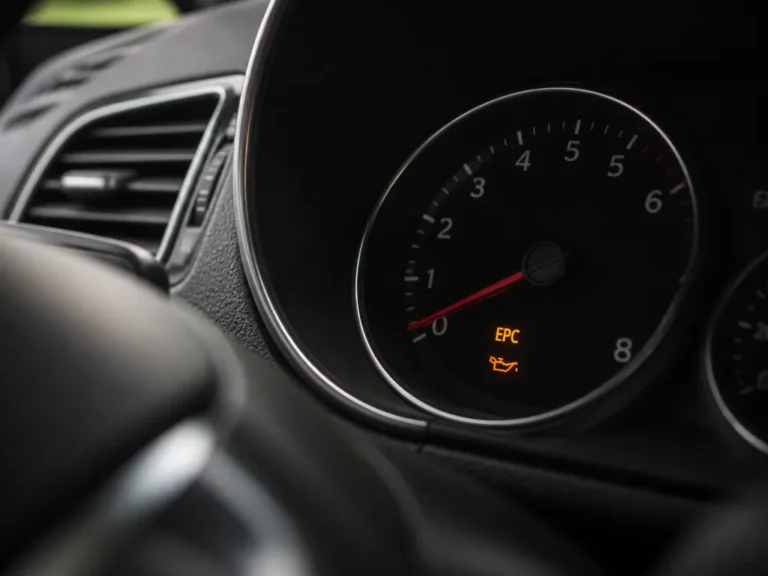
Can Bad Spark Plugs Cause Catalytic Converter Code?

Bad spark plugs can absolutely trigger catalytic converter codes such as P0420 and P0430. Worn plugs can cause misfires, which send unburned fuel and extra oxygen into the exhaust. The oxygen sensors then report exhaust patterns that make the catalytic converter appear inefficient, even when the converter itself is healthy.
The usual sequence is sloppy combustion first, catalyst-test failure second. Before replacing an expensive converter, check for ignition problems, misfire codes, fuel-trim abnormalities, exhaust leaks, and oxygen sensor issues.
Key Takeaways
- Yes, misfires matter. Worn plugs can cause misfires that make the catalyst test fail.
- P0420/P0430 are efficiency codes. They reflect O2 sensor behavior, not automatic proof of converter damage.
- Check for misfire codes first. If you see P0300-P030x, spark and ignition problems deserve priority.
- Look at fuel trims. Large corrections or constant swings can point to fueling problems or misfire-related oxygen changes.
- Fix the cause, not only the code. Replacing spark plugs can stop a catalyst code when misfires caused the failure.
- Watch what happens after the repair. If the code returns, keep diagnosing ignition, fuel, exhaust leaks, and sensors.
Can Bad Spark Plugs Cause a Catalytic Converter Code?
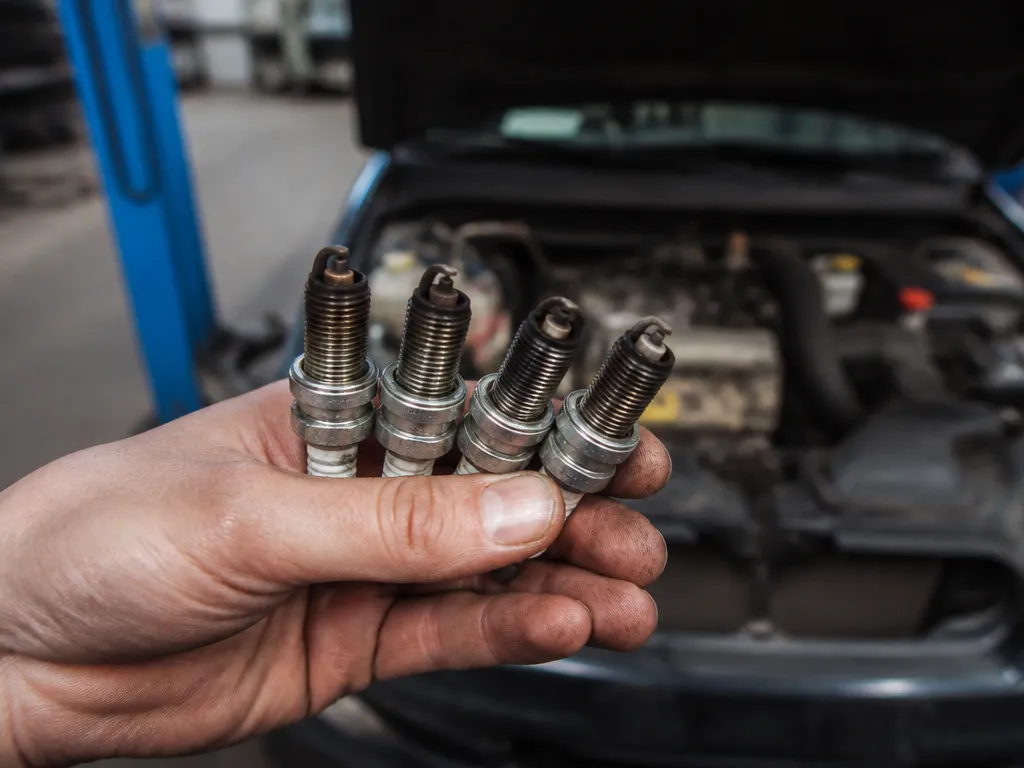
Yes. Bad spark plugs can cause misfires, and misfires can make the downstream oxygen sensor report converter efficiency below the vehicle’s threshold.
P0420 and P0430 do not confirm that the catalytic converter is dead. They are results from the vehicle’s emissions-monitoring routines. If a weak spark leaves fuel or oxygen in the exhaust, the converter can temporarily look ineffective to the oxygen sensors.
Treat spark plugs and other ignition components as first-pass suspects when a catalyst code appears with rough running, occasional shaking under load, hard starts, or pending misfire codes. A vehicle can have a combustion problem even when the check engine light points only to the converter.
Replacing the catalytic converter while misfires continue often leads to another failure. The new converter may also fail the efficiency test because the engine still is not burning fuel cleanly.
How Worn Plugs Trigger P0420 and P0430
Misfires change the exhaust chemistry that the catalyst monitor evaluates.
When a cylinder misfires, combustion is incomplete. Extra oxygen can reach the exhaust, along with unburned fuel in some cases. The downstream oxygen sensor then sees a pattern that resembles an inefficient catalytic converter, so the monitoring routine flags P0420 or P0430.
Worn plugs can cause this before the engine feels severely rough. A weak spark may fail only during cold starts, high humidity, heavy acceleration, or high cylinder pressure. The OBD test can detect the resulting exhaust change even when the driver notices only a slight stumble.
Repeated misfires can also cause the engine controller to adjust fuel delivery through short-term and long-term fuel trims. Those corrections further change the oxygen sensor readings. The catalyst code may appear because the engine is struggling with combustion, rather than because the catalyst has worn out.
Spark plugs do not directly damage a converter in the same way physical impact damages a part. Sustained misfires can, however, overwork the emissions system, increase exhaust emissions, and create the sensor pattern that trips the catalyst test.
Signs of Plug Failure Before a Catalyst Code
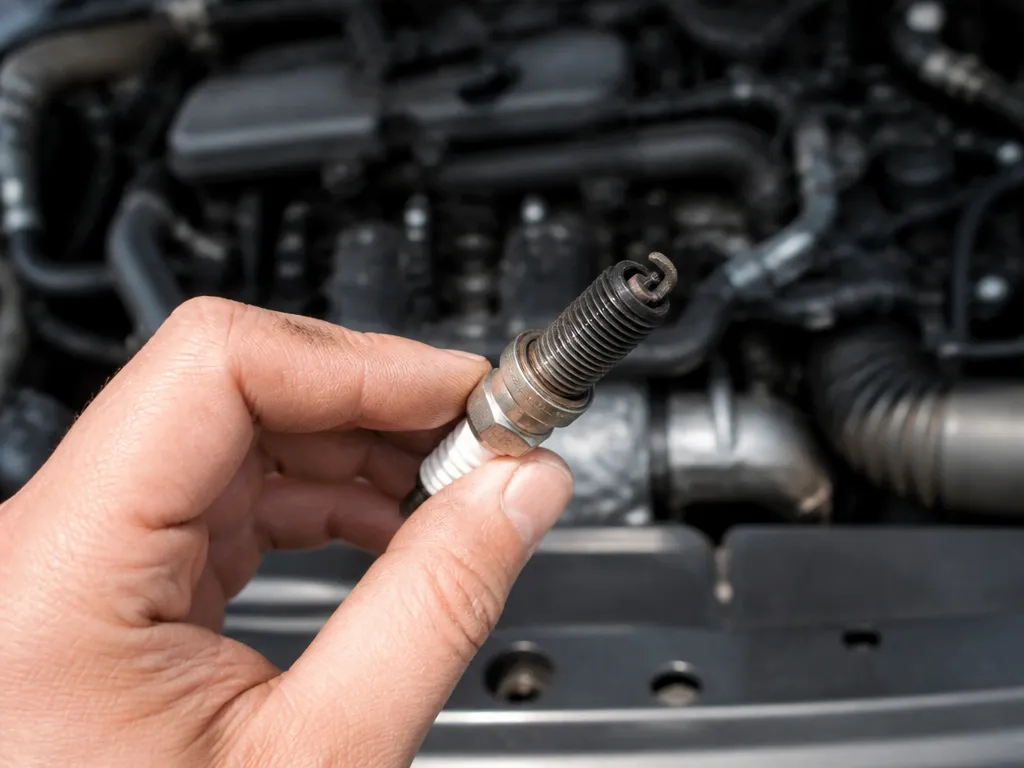
A rough idle, intermittent misfire, hesitation during acceleration, or a stumble during cold operation can point to failing spark plugs. Some vehicles feel nearly normal because the misfire occurs only occasionally, but pending misfire codes may appear before the check engine light turns on.
A plug inspection can provide another strong clue. Rounded or heavily eroded electrodes, cracked insulators, heavy carbon fouling, and fuel-wet plugs all indicate ignition trouble. Even with P0420 or P0430 stored, worn plugs are often the most straightforward problem to correct.
Note the conditions that trigger the symptom. Trouble during cold starts, after rain, or during the first few minutes of driving can fit an ignition or spark-energy problem. If the stumble disappears after warm-up, investigate the ignition system before condemning the converter.
The number and pattern of affected cylinders also help. A single-cylinder problem may come from one plug, coil, or leaking injector. Random problems across several cylinders can still involve weak coils, wiring faults, or general plug wear.
Separating a Plug Problem From a Bad Catalytic Converter
If the scan tool shows misfire codes such as P0300 for random misfire or P0301-P0312 by cylinder, ignition and combustion are the first suspects. In that situation, the catalyst code is often a downstream effect. Restore clean combustion before judging the converter.
A vehicle can have plug-related misfires with only P0420 or P0430 stored. Intermittent misfires may appear only as pending codes or may not register consistently. Check stored codes, pending codes, and freeze-frame data. Freeze-frame information can show the RPM, load, and coolant temperature when the failure was detected.
Driving symptoms provide clues, but they do not settle the diagnosis. A failing converter may cause reduced power, higher engine temperatures (harder to measure safely), smellier exhaust, or rattling if the internal material is breaking down. Some converters fail quietly. Spark problems can also be subtle, so scan data is more useful than driving feel alone.
Compare upstream and downstream oxygen sensor behavior when the scan tool supports live data. If the two sensors switch similarly for too long, the catalyst efficiency test may fail. Misfires can create that same pattern, so sensor behavior proves that the test failed under those conditions, not that the converter itself is defective.
What to Check Before Replacing Parts
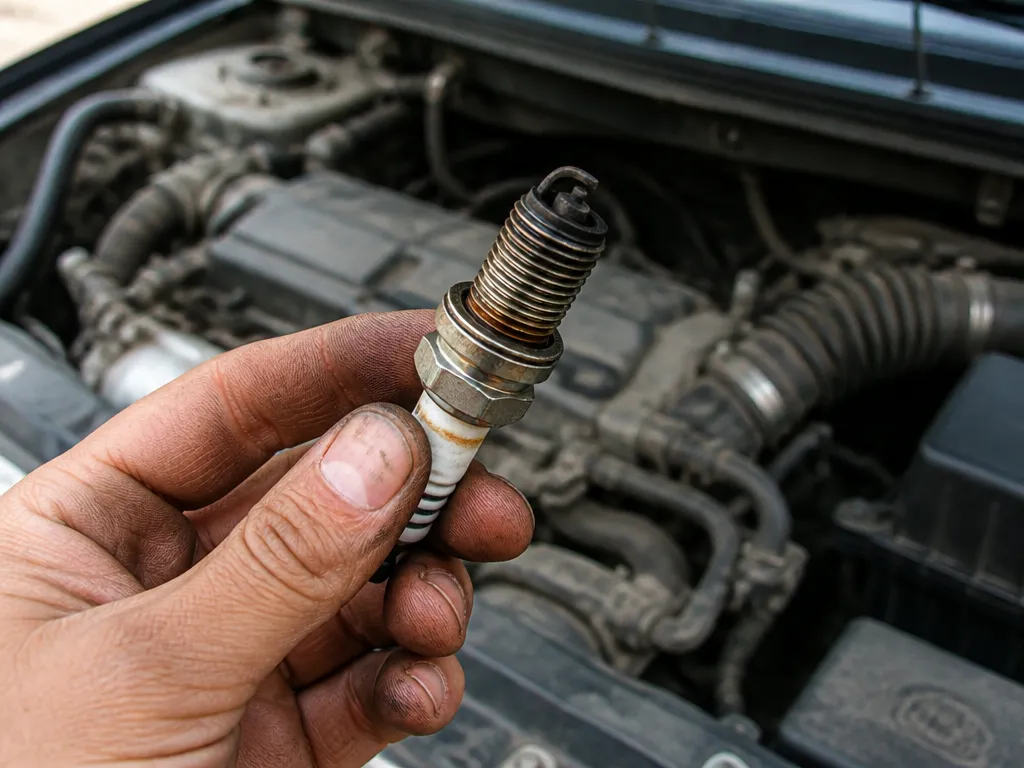
Use a short diagnostic sequence instead of jumping straight to an expensive converter.
- Scan stored and pending codes. Misfire codes from P0300-P0312 point toward ignition-related causes. Check spark plugs, coil packs, spark plug wiring, or coil-on-plug units. Pending codes matter because intermittent misses may not have turned on the light.
- Review oxygen sensor behavior. On many vehicles, upstream O2 sensors switch relatively quickly as the engine moves between slightly rich and slightly lean operation. A healthy converter dampens the switching seen by the downstream sensor. When the downstream pattern begins to mirror the upstream pattern, the ECU may set P0420 or P0430.
- Examine fuel trims. Short-term fuel trim (STFT) and long-term fuel trim (LTFT) show how much the ECU is correcting the mixture. Large or constantly changing corrections can indicate misfires, vacuum leaks, exhaust leaks, injector problems, or fuel-pressure issues. Fuel trims do not diagnose the converter, but they help show whether the engine is burning cleanly.
| Check for exhaust leaks. A leak before the downstream O2 sensor can draw in outside oxygen and make the sensor report a false catalyst problem. The converter may be fine while the leak causes the efficiency code. | Finding on Your Scan Tool | Most Likely Direction | What to Check First |
|---|---|---|---|
| P0300 or any P030x stored/pending | Misfire/ignition | Spark plugs, coils, coil wiring, plug gaps | |
| P0420/P0430 with misfire history | Downstream effect of ignition | Fix misfire cause, then retest | |
| Downstream O2 switching mirrors upstream | Catalyst test failing | Check for exhaust leaks, verify sensor operation | |
| Big STFT/LTFT corrections | Combustion or fuel/air issue | Fuel pressure/injectors, vacuum leaks, misfire root | |
| No misfire codes, only cat code | Multiple possibilities | O2 performance, exhaust leaks, heat issues, sensors |
The key question is whether the engine is misfiring under the conditions recorded in freeze-frame data. Correlating the catalyst code with current or pending misfires can prevent an unnecessary converter replacement.
When New Spark Plugs Can Fix the Code
Spark plug replacement can stop P0420 or P0430 when combustion instability caused the catalyst test to fail.
If misfire codes appear alongside the catalyst code, replacing worn plugs often resolves the efficiency failure after the engine completes its readiness and monitoring cycles. Once the misfire is gone, the oxygen sensor pattern may return to a range that allows the catalyst test to pass.
The case is stronger when the plugs are due for service or show eroded electrodes, heavy fouling, or other physical signs of wear. A weak spark causes inconsistent combustion; a stable spark can eliminate the exhaust pattern that triggered the converter code.
The code may not disappear immediately after the repair. Many vehicles need a few drive cycles for the monitors to run and readiness flags to update. A stored code may also remain until you clear it or the system confirms enough successful tests.
Check related ignition components at the same time. On vehicles with coil packs or coil-on-plug modules, a worn plug may be the visible symptom while a weak coil is the underlying cause. New plugs can reduce the misfires temporarily, but the catalyst code may return when the weak ignition component fails again.
Plug replacement is most likely to solve the code when three clues line up: misfire codes or pending ignition codes, visible plug wear, and symptoms consistent with misfire.
Clearing the Code and Confirming the Repair
Clear stored codes only after correcting the misfire or combustion problem. Then drive under the conditions that triggered the original fault and check whether the codes return.
After replacing the plugs and repairing any ignition faults, use an OBD-II scanner to clear the stored codes. Some vehicles need specific driving conditions before their monitors run. Clearing everything too early can make it harder to confirm whether the repair solved the underlying problem.
A quickly returning P0420 or P0430 indicates that the root cause may remain. If the catalyst code returns without misfire codes and fuel trims are stable, investigate a damaged converter, an exhaust leak, or an oxygen sensor problem. If the misfire codes return, continue through the ignition system and then check wiring, coils, and fuel delivery for the affected cylinder group.
Repeat the conditions associated with the original failure. If the engine stumbled during cold starts or acceleration, pay attention to those conditions after the repair. The goal is to verify consistent combustion while the catalyst monitor runs.
A readiness monitor that never completes also deserves attention. After clearing the codes, the check engine light may stay off while the catalyst monitor remains incomplete, or the code may appear as pending. A scanner that displays monitor status can show whether the catalyst test actually ran and passed.
The practical sequence is to repair the cause, clear the codes, drive through the freeze-frame conditions, and rescan. Confirm that misfire codes stay gone and that the catalyst monitor passes.
FAQ
Can bad spark plugs cause P0420 or P0430?
Yes. Bad spark plugs can cause misfires, and misfires change oxygen and fuel behavior in the exhaust enough to make the catalyst efficiency test fail. If P0300 or another P030x code is also present, repair the ignition problem before replacing the catalytic converter. Clear the codes after the repair and confirm that the catalyst monitor passes.
How do I tell whether the problem is the plugs or the catalytic converter?
Check for stored and pending misfire codes, then review fuel trims and oxygen sensor behavior. If the vehicle logs P0300-P0312, plugs or other ignition components are likely root causes. Without misfire codes, check for exhaust leaks before the downstream O2 sensor and compare upstream and downstream switching patterns to distinguish sensor or leak problems from a converter issue.
Will replacing spark plugs clear the catalytic code permanently?
It can stop the code from returning when misfires caused the catalyst test failure. The code may not clear immediately because the vehicle needs to rerun the catalyst monitor during its drive cycles. If the code returns quickly and misfire codes return with it, another ignition component, such as a coil pack, may still be faulty.
How long should I drive after replacing plugs to check the results?
Drive until the engine covers the conditions that usually trigger the failure, including a cold start and some steady driving. Then rescan for stored and pending codes. Many cars require multiple drive cycles for readiness monitors to update, so check monitor status rather than relying only on whether the check engine light is on.
What is the most common mistake with P0420 and P0430?
The common mistake is replacing the catalytic converter before checking whether misfires caused the efficiency test to fail. Scan for stored and pending misfire codes, inspect the plugs for wear, and review O2 behavior and fuel trims. If misfires are present, repair the ignition system first and then reassess the converter.

- Top 10 Best Helmet For Xtreme 125r 2026 - October 5, 2026
- Top 10 Best Helmet For Xpulse 200 2026 - October 5, 2026
- Top 10 Best Helmet For Xsr 155 2026 - October 5, 2026