Can Catalytic Converter Cause Overheating?

Yes, a catalytic converter can overheat. You may notice a hot-metal or rotten-egg smell, glowing orange or red metal under the vehicle, rattling, or a Check Engine light. The usual cause is upstream: a misfire, fuel-control problem, or exhaust leak sends unburned fuel or extra oxygen into the exhaust, where the converter burns it and produces excessive heat.
Look for a strong exhaust or fuel smell, rattling or hissing, glowing under load, or misfire symptoms. Confirm the cause with OBD-II codes and live sensor data before replacing the converter.
Key Takeaways
- Yes, it can overheat. Misfires and fuel-control problems can make the converter run extremely hot.
- A visible glow means danger. If the converter is orange or red while the engine runs, treat it as an urgent diagnostic issue.
- O2 sensors and misfires matter. Fuel trims, oxygen-sensor faults, and misfire codes often point to combustion problems upstream.
- Exhaust leaks can add heat. Leaks before the converter and damaged oxygen sensors can create conditions that overheat it.
- Confirm the cause with codes. Check for misfire codes, P0420/P0430, and O2 sensor codes before replacing parts.
- Limit driving. If the converter glows or you smell raw fuel, stop driving to reduce the risk of fire and converter damage.
Can a Catalytic Converter Cause Overheating? Symptoms?
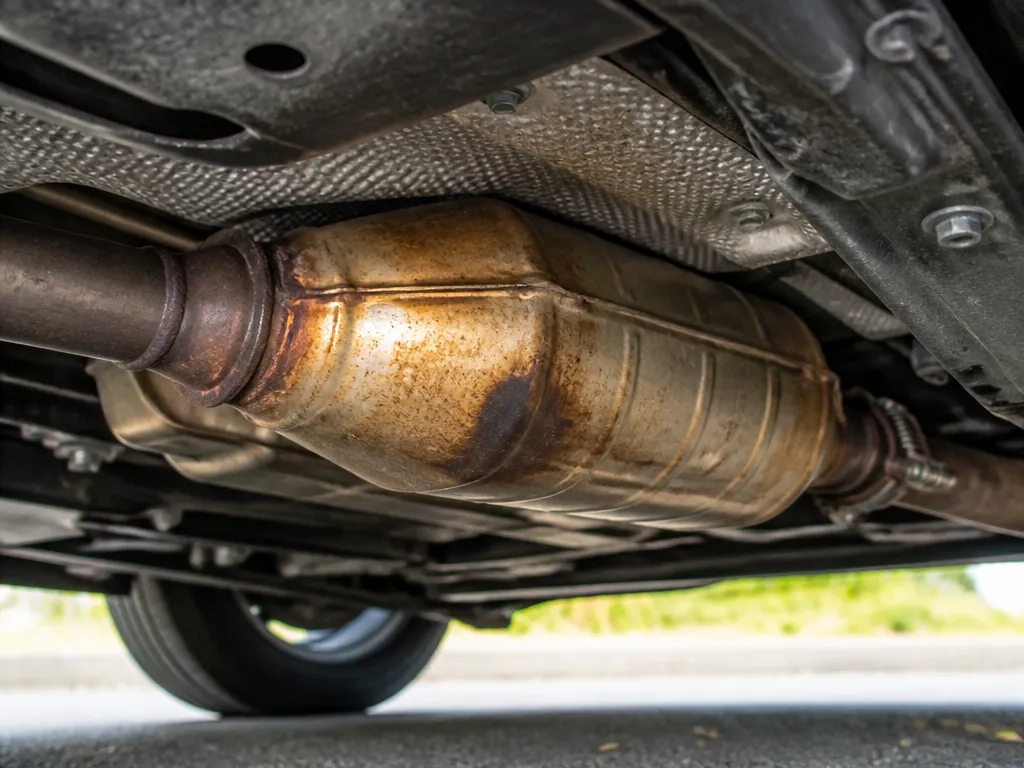
A catalytic converter can overheat when the engine sends it unburned fuel, excess oxygen, or unstable combustion. The symptoms usually include visible or measurable heat, along with drivability or warning signs from the engine management system.
You may notice a burning smell under the hood, exhaust piping that feels unusually hot near the converter, or a visible orange or red glow during acceleration. Rattling can indicate damaged converter substrate, while hissing may point to an exhaust leak. A failing upstream oxygen sensor can also disrupt mixture control and drive converter temperatures higher.
Watch for these signs:
- Warning lights: The Check Engine light is common, sometimes with misfire-related codes.
- Unusual smells: You may notice hot metal, sulfur or rotten eggs, or a strong fuel odor.
- Visible heat: An orange or red glow at the converter, especially under load, is a major warning sign.
- Performance changes: Reduced power, hesitation, rough running, or an unstable idle can accompany the overheating.
Why a Catalytic Converter Overheats in Vehicles
A catalytic converter overheats when the exhaust stream contains material that requires more chemical reaction than normal. The most common cause is unburned fuel or unstable combustion reaching the exhaust and burning inside the converter.
Misfires are the classic trigger. When a cylinder fails to burn its mixture, fuel and oxygen pass into the exhaust. The catalytic converter then burns that material, and its temperature can rise rapidly.
Other causes include:
- Air or exhaust leaks upstream: A leak before the converter can introduce oxygen and distort sensor readings, changing fuel correction.
- Incorrect fuel control: O2 sensor faults, MAF or IAT problems, and vacuum leaks can create an over-rich or unstable mixture.
- Ignition problems: Faulty coil packs, spark plugs, or wires can increase misfires.
- Wrong or poor-quality fuel: Fuel that does not burn consistently can worsen combustion problems.
What Causes a Converter to Glow or Turn Red Hot?
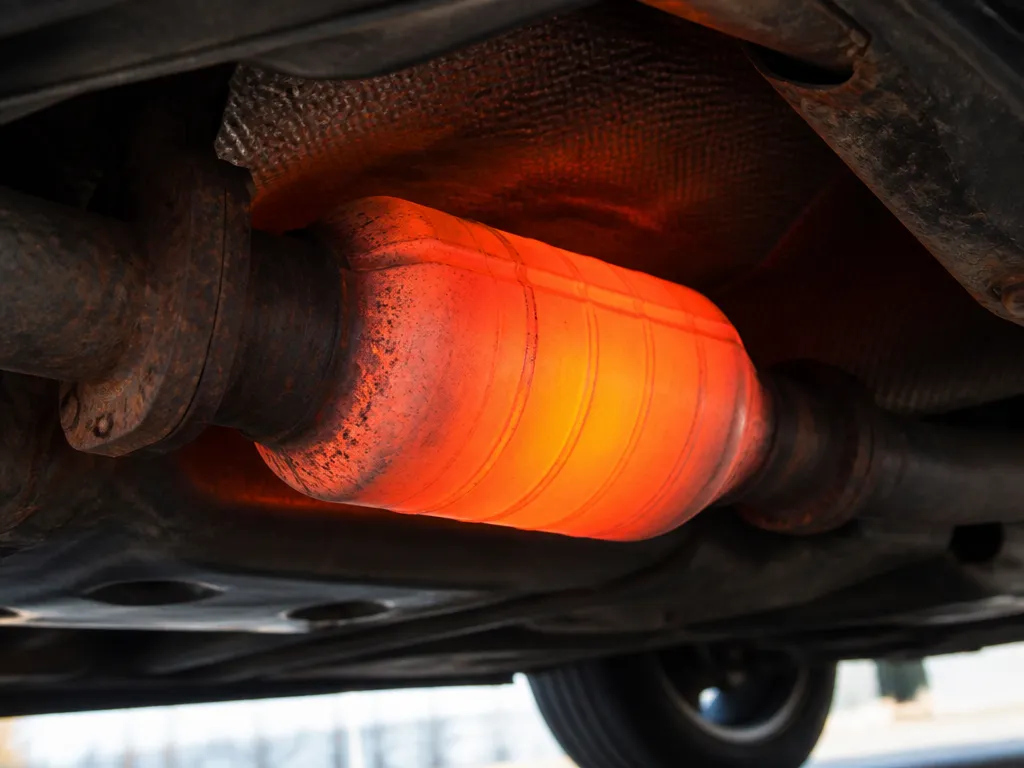
A converter glows when its catalyst bed reaches extreme temperatures, usually because excess fuel or combustion continues in the exhaust. Normal exhaust heat alone should not produce a red-hot converter.
The most common pathways are:
- A misfire sends unburned fuel into the exhaust.
- An oxygen-sensor or fuel-control fault creates an incorrect mixture.
- An exhaust leak before the converter introduces air and alters sensor readings, sometimes encouraging additional combustion inside the catalyst.
A converter can glow during light acceleration, not only during hard driving, if the engine is operating with a faulty control problem. The timing can also help narrow the cause. A glow that appears during a cold start, after warm-up, or after a fuel stop may point toward different ignition, sensor, or fuel-delivery issues.
Two cautions matter:
- A glow is not normal. Catalytic converters become very hot during operation, but red-hot metal suggests a runaway heat condition that can melt the substrate.
- Do not rely on a generic temperature expectation. Temperatures vary by vehicle and catalyst design, so visible red heat should be treated as abnormal.
How to Tell Converter Overheating From Engine Problems
Converter overheating is often a symptom of an engine-side combustion problem. Misfire codes, O2 sensor codes, poor running, or extreme fuel trims can show that the engine is feeding the converter the wrong exhaust mixture.
Engine-related clues include:
- Misfire codes: These may identify a random misfire or a specific cylinder.
- O2 sensor codes: Signal-out-of-range, slow-response, and heater-circuit faults can affect fuel correction.
- Extreme fuel trims: The control system may be working constantly to correct a mixture that is too rich or too lean.
- RPM- or load-related symptoms: Shuddering during acceleration, rough idle, and hesitation often point to combustion trouble.
Exhaust-system clues include:
- Rattling: This can indicate broken or loose converter substrate.
- Hissing or ticking: These sounds may come from the exhaust manifold, downpipe, or pipe joints.
- Smoke or fumes: Leaks can release exhaust near heat shields, wiring, or other components.
If the engine is misfiring or running rich or lean, the converter is receiving the wrong mixture. If the engine runs smoothly and the main issue is a physical leak or damaged pipe connection, the overheating may be secondary, but the leak still needs repair.
Diagnosing With Backpressure, O2 Sensors, and Misfires
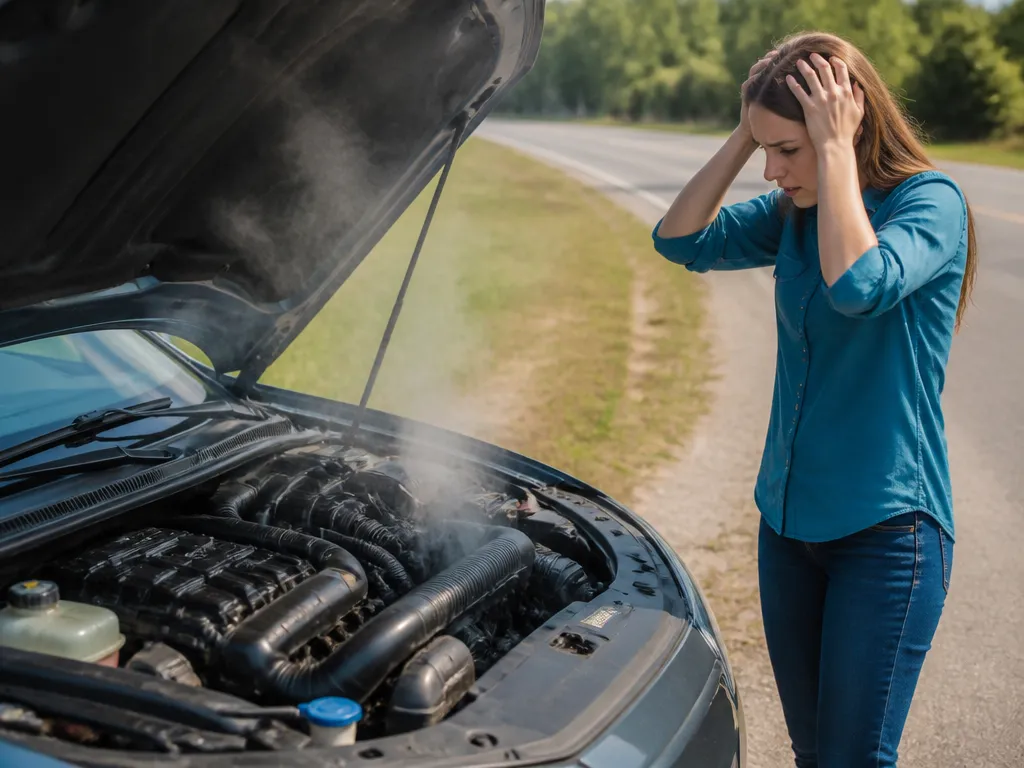
Start with diagnostic data instead of replacing parts. OBD-II codes and live sensor values can show whether the vehicle has misfires, oxygen-sensor faults, excess fuel, or unstable combustion.
What to Read From Codes and Live Data
- Misfire codes: These are often the direct reason for catalytic overheating.
- O2 sensor heater or response codes: These can disrupt mixture correction and contribute to an overheated catalyst.
- Catalyst-efficiency codes, commonly P0420/P0430: These may indicate a damaged converter or improper operating conditions. They do not automatically prove that overheating was the original cause.
When Backpressure Testing Helps
Backpressure testing is useful when the exhaust may be restricted. A clogged converter can create high backpressure, raise exhaust temperatures upstream, and make the engine run poorly. That is different from overheating caused by a misfire, although the symptoms can overlap.
Backpressure is usually not the first test when the vehicle is actively misfiring and showing O2 faults. In many overheating cases, the converter is failing because it is being overloaded, not because it is already plugged.
A Diagnostic Sequence That Avoids Wasted Money
- Scan the codes instead of only clearing them. Record stored and pending codes.
- Check misfire counters at idle and during a controlled drive, if driving is safe.
- Review O2 sensor behavior. Check response speed and whether readings are stuck.
- Inspect for exhaust leaks at the manifold, downpipe joints, flanges, and converter area.
- Consider backpressure testing if the drivability symptoms suggest a restriction.
If you do not have a scanner that displays live data, a professional scan can still help. The important point is to connect misfires, oxygen-sensor behavior, and exhaust leaks before labeling the converter as the original problem.
What to Check Before Replacing a Catalytic Converter
Check these items first:
- Upstream oxygen sensors: Verify their operation rather than assuming they work because they are installed.
- Spark plugs and ignition components: Inspect these when misfire codes are present or the engine runs roughly.
- Fuel trims and related sensors: Check MAF-related issues, sensor health, and signs of vacuum leaks.
- Exhaust leaks before the converter: Inspect manifold cracks, loose flanges, and split gaskets.
- Engine vacuum leaks: These can destabilize the air/fuel ratio.
- Cooling and temperature-related issues: Abnormal engine temperature or combustion behavior may contribute to the problem.
Also check for physical converter damage. Rattling may mean the substrate has broken apart. Even then, repair the upstream cause before installing a new unit, or the replacement may not last.
Driving or Repairing After Converter Overheating
Do not treat a glowing converter, raw-fuel smell, or burning-material odor as a “drive it and see” problem. Excessive heat can melt the substrate, restrict the exhaust, damage heat shields, and create a fire risk near wiring or other combustible materials.
Use the symptoms to decide what to do:
- If the converter glows red or you see flames or material smoke: Stop driving, let the vehicle cool, and arrange a tow.
- If the converter is extremely hot but not visibly red and the engine runs smoothly: Schedule a diagnosis soon because an underlying problem may still be present.
- If there are active misfires, a rough idle, or a recurring Check Engine light: Prioritize repair immediately. Misfires can overload a converter quickly.
A safe at-home check is limited to a visual and smell inspection after the exhaust has cooled. Look for obvious leaks, damaged wiring, or melted components near the converter. Do not put your face near the underside of the vehicle or touch hot exhaust metal.
If you must move the vehicle a short distance to a shop, keep the trip minimal, avoid hard acceleration, and do not leave the engine idling for a long time. Repair the combustion or sensor problem first, then determine whether the converter can be saved or needs replacement.
FAQ
Can catalytic converter overheating happen without a Check Engine light?
Yes. Some vehicles will continue running without turning on the light immediately, especially when the problem is intermittent. Scanning for pending codes and checking live misfire counters and O2 sensor response can reveal a problem earlier.
What does a glowing or red catalytic converter mean?
A glowing converter indicates that the catalyst bed is reaching abnormal heat levels. A red-hot converter is especially urgent because it often points to unburned fuel in the exhaust, commonly from misfires, or to a fuel-control problem. The excessive heat can melt the catalyst substrate.
How much does it cost to fix a catalytic converter overheating problem?
The cost varies widely with the root cause. Repairs may involve spark plugs, coils, wiring, an oxygen sensor, an exhaust leak, or the converter itself. Exact pricing was not found here, so request a diagnosis and an itemized estimate rather than pricing only the converter.
Can I keep driving if my catalytic converter is overheating?
Limit driving. If the converter is visibly glowing red, smells like fuel, or the engine is misfiring, stop and arrange a tow. If it is only very hot without a red glow, schedule a diagnosis quickly because continued misfires or fuel-control problems can destroy the converter.
What is the most common mistake people make with catalytic converter overheating?
The most common mistake is replacing the converter without fixing the cause. Scan the codes, inspect for exhaust leaks, and verify misfires and O2 sensor behavior before replacing parts.

- Top 10 Best Helmet For Xpulse 200 2026 - October 5, 2026
- Top 10 Best Helmet For Xsr 155 2026 - October 5, 2026
- Top 10 Best Helmet For Xc Mtb 2026 - October 5, 2026