Car Still Running After Turned Off?

A car that keeps running after you turn it off has either a brief heat-related run-on problem or an electrical fault that keeps the ignition and engine-control circuits powered. Treat it as a safety issue first.
If the engine stops within a few seconds, heat soak, fuel vaporization, or diesel run-on may be responsible. If it runs longer than about 10 seconds, restarts on its own, or comes with a fuel or burning-electrical smell, stop driving and call a mechanic.
Key Takeaways
- Stop safely. Put the car in Park, set the parking brake, keep your foot on the brake, and prevent the vehicle from moving.
- Use timing as a clue. Run-on lasting only a few seconds can be heat-related. Sustained running usually points to an electrical or control fault.
- Check the key-off feed. A voltage test can show whether an ignition-related circuit is still powered after shutdown.
- Suspect a switch or relay. A stuck ignition switch or relay can keep the engine command active after you turn the car off.
- Stop testing if the problem repeats. A car that restarts or refuses to shut down consistently needs diagnosis before you drive it again.
- Fix the cause rather than forcing shutdown. Repeatedly cycling the ignition or using improvised shutdown methods can damage the starter, wiring, battery, or control modules.
Why a Car Keeps Running After You Turn It Off
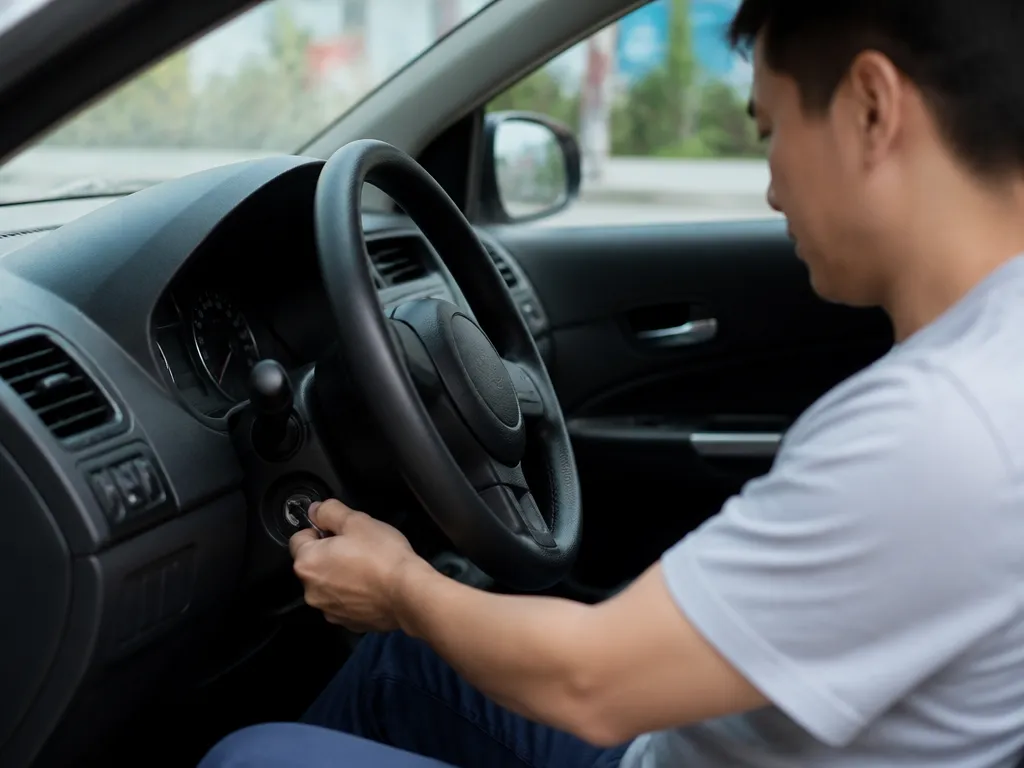
The engine should stop when you turn the key to the off position or press the Start/Stop button. If it does not, either combustion is continuing briefly because of excessive heat, or the car is still receiving an ignition or engine-control command.
A gasoline engine normally stops when the ignition system is no longer commanded and fuel delivery is cut. If it continues running, a stuck ignition-switch contact, relay, wiring fault, or control module may still be supplying power to the ignition or engine-control circuit.
Diesel engines can run on briefly because residual heat in the combustion chamber, intake, or exhaust system can ignite fuel after shutdown. This is usually brief and tapers off as the engine loses heat.
Timing is the most useful first clue. An engine that runs for a few seconds and then stops may have a heat-related issue. An engine that keeps running longer than about 10 seconds is more likely receiving power or a control command that should have ended.
Is the Ignition Switch or Relay Stuck?
A sticky ignition switch has internal contacts that fail to separate when you turn the key off. On vehicles with push-button starting, the equivalent fault may involve the switch circuitry, a control module, or the wiring that carries the shutdown command.
A stuck relay creates a similar problem. The relay contacts remain closed even after the control signal ends, allowing power to reach the ignition or engine-control circuit. The result can be an engine that continues running after the key is removed or the Start/Stop button is pressed.
A failing electrical contact can also behave worse when components are warm, so a heat-related pattern does not rule out a switch or relay fault.
Check whether other systems also ignore the key-off command. Interior power, the radio, dashboard lights, or the cooling fan staying on in an unusual way can indicate that a circuit remains energized. The most useful confirmation is whether an ignition-switched feed still has voltage after shutdown.
Could Diesel Run-On or Hot Soak Be the Cause?
Diesel run-on is a known phenomenon. A diesel engine can keep firing after shutdown when heat in the combustion chamber, intake air, or exhaust system ignites fuel that remains available. The engine usually slows and stops as the heat dissipates or fuel and air conditions change.
Hot soak can create a similar effect on some gasoline vehicles. A very hot engine bay may cause fuel percolation, vapor-lock behavior, or a delayed change in an engine-control state. Certain engines can continue combusting briefly if the fuel or ignition system does not release immediately.
Brief, self-ending run-on is less alarming than sustained running, but repeated episodes still need attention.
How to Test for Electrical Power After Key-Off
Perform this check only in a safe, controlled setting. The goal is to find out whether an ignition or run circuit still has power after the vehicle is turned off. If you are not comfortable using a multimeter or identifying vehicle circuits, skip the test and have a mechanic diagnose it. Probing the wrong circuit can damage a module or create a short.
Use a multimeter as follows:
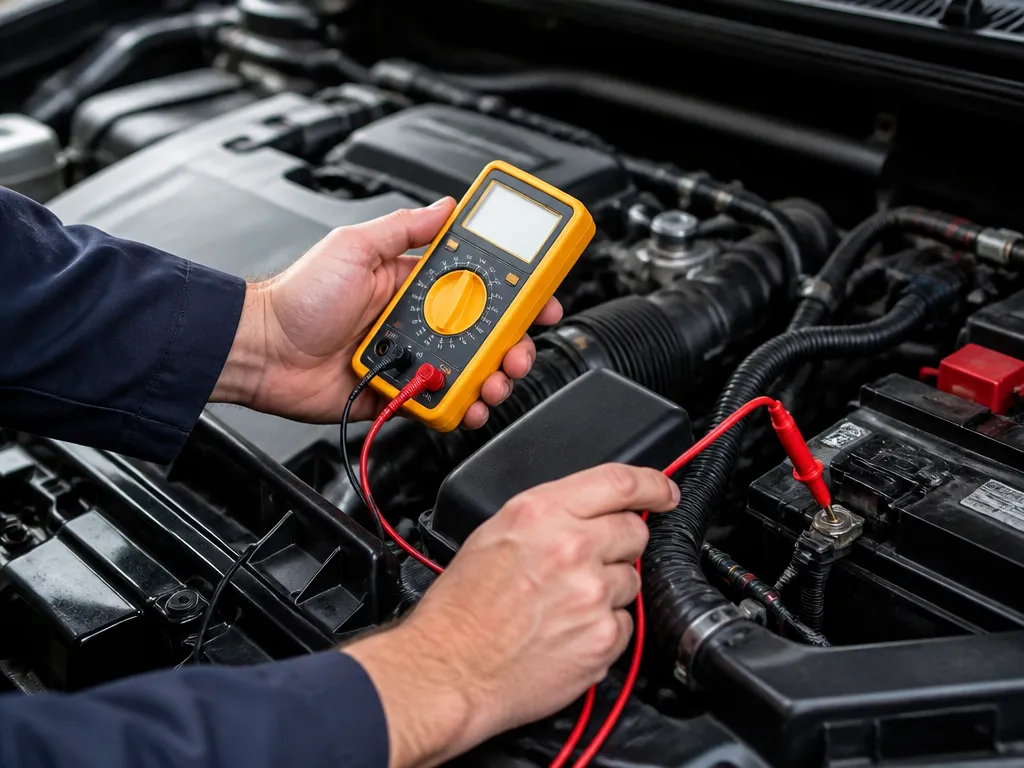
- Prepare the vehicle safely. Put it in Park, set the parking brake, and keep the hood open. Turn the engine off normally.
- Measure battery voltage. Check a known-good ground and the battery positive terminal. A healthy system should show about 12-13 volts.
- Identify an ignition or run feed. Use the vehicle wiring diagram or fuse-box labeling to find an ignition-switched circuit or ignition-relay output that should be dead with the key off.
- Test with the key off. Remove the key or turn the Start/Stop system off, then check whether the suspected ignition feed still has voltage.
- Compare it with key-on voltage. Turn the key to ON without cranking the engine and record the reading. Compare it with the key-off result.
Voltage on an ignition-switched circuit when the key is off indicates that something is holding the feed on. The likely suspects include the ignition switch, a stuck relay, damaged wiring, or a control module that has not released the circuit.
If the ignition feed is dead but the engine continues running, the fault may involve fuel or ignition-control logic, or the engine may be experiencing combustion run-on. Stop DIY testing at that point and arrange an inspection.
When to Stop Driving and Call a Mechanic
Stop driving immediately if the engine will not shut down normally, restarts on its own, or requires repeated attempts to stop. Also stop if warning lights behave strangely, the problem is becoming more frequent, or you smell fuel, burning plastic, or electrical insulation. Smoke is an immediate reason to shut down and seek help.
Persistent running after key-off can overheat wiring, damage starter components, drain the battery, or create a drive-away hazard if the vehicle is not fully secured. A mechanic should inspect the ignition switch, relay outputs, wiring, connectors, and engine-control state.
A shop can also scan for stored faults involving the ignition state, immobilizer, or commanded status of the control modules. That information can distinguish a mechanical switch or relay fault from a software or control-system problem.
If you are stranded, do not keep repeating shutdown attempts or cranking the engine unnecessarily. Secure the vehicle, avoid working around moving belts or hot components, and arrange roadside assistance or a mechanic. Repeatedly turning a misbehaving car on and off can worsen a failing switch or relay and drain the battery.
Repairs That Prevent Repeat Shutdown Problems
The repair must restore a clean ignition-off command every time you turn the vehicle off. Common fixes include:
- Replace a failing ignition switch. Worn switch contacts can leave the ignition circuit live after key-off.
- Replace a stuck relay or repair its control circuit. A relay that does not open can continue supplying power to the ignition or engine-control system.
- Repair corroded or loose connectors. Poor connections and intermittent contact can confuse control modules or create unintended power feeds.
- Address fuel percolation or heat-related faults. For diesel run-on or gasoline vapor-related problems, a technician may need to inspect cooling, fuel delivery, sensors, and related controls.
- Update or reprogram control software when applicable. Some vehicles have software updates for shutdown or immobilizer behavior when a fault is detected.
Do not ignore a near miss. An engine that hesitates before stopping, a cooling fan that behaves unusually, or a problem that appears more often as the vehicle warms up provides useful diagnostic information. Repairing the electrical fault early is safer and usually less expensive than replacing melted connectors or damaged starter components.
What to Do When the Engine Keeps Running After Shutdown
Use the safety and diagnostic steps above to secure the vehicle and identify whether an ignition-related circuit remains powered.
Persistent behavior requires a mechanic’s diagnosis. Continuing to operate the vehicle can overheat electrical components, damage the starter system, drain the battery, and increase the risk of unintended movement.
Frequently Asked Questions
1. What should I do immediately if my car keeps running after I turn it off?
Ensure the car is in Park, engage the parking brake, and keep your foot on the brake to prevent unintended movement. If you notice unusual smells or smoke, shut down safely and call a mechanic. Avoid driving the vehicle until the issue is diagnosed.
2. Can a car running after shutdown damage the engine or other components?
Yes, sustained running after shutdown can cause damage. It may overheat wiring, drain the battery, or harm the starter and control modules. Repeated attempts to force it off can worsen the problem.
3. How can I tell if the problem is heat-related or an electrical fault?
The timing and key-off voltage check described above can help distinguish these causes. A mechanic can confirm the diagnosis without risking damage to a control module or wiring.
4. Is it safe to drive my car if it only runs briefly after shutdown?
Brief run-on may not be an immediate safety risk, but it is still a sign of an underlying issue. If it happens repeatedly, have it checked before the condition worsens.
5. What are the most common causes of a car continuing to run after the key is turned off?
The causes generally fall into the heat-related and electrical categories described above. A mechanic can determine whether the source is a switch, relay, wiring, control module, fuel system, or combustion-related fault.

- 10 Best Jack For Ford Transit Review (October 2026) - October 12, 2026
- 10 Best Jack For Ford Raptor Review (October 2026) - October 12, 2026
- 10 Best Jack For Ford Ranger Review (October 2026) - October 12, 2026