Can Low Oil Cause Epc Light?

Low engine oil can trigger an EPC (Electronic Power Control) warning, but usually indirectly. If the oil level falls far enough to reduce oil pressure, the engine may detect abnormal sensor readings and enter a protective limp mode. The safest first step is to check the dipstick, bring the oil between the minimum and maximum marks, and investigate any leak or rapid oil loss before clearing the warning.
The Fastest Way to Triage an EPC Light

- Check the oil first. The dipstick is the quickest and cheapest variable to verify.
- Expect reduced power. Many vehicles limit throttle or engine output when EPC is active.
- Watch for related symptoms. Reduced performance, unusual engine noise, or an oil pressure warning make the situation more urgent.
- Fix the cause before resetting anything. Top up the oil or repair the leak before clearing EPC codes.
- Drive less if oil pressure may be low. Stop and inspect the vehicle if the oil level is extremely low or the engine sounds abnormal.
Can Low Oil Cause the EPC Light to Turn On?
EPC is a broad warning rather than a diagnosis. It is common on VAG-family vehicles such as Volkswagen and Audi, but the underlying fault varies by model year and engine. Low oil belongs near the top of the initial checklist because it takes only a few minutes to verify and can cause expensive engine damage if ignored.
How Low Engine Oil Can Trigger EPC Fault Codes
A low oil level can cause oil pressure to drop during acceleration, cornering, or braking if the oil moves away from the pickup. The engine protection system may then detect abnormal oil pressure inputs, crank behavior, throttle operation, or related conditions and store fault codes that turn on the EPC light.
Some vehicles do not have a direct low-oil sensor. Instead, the engine computer infers a problem from oil pressure, engine speed, throttle response, and other operating data. It may then limit throttle response or engine output to reduce the risk of further damage.
Symptoms That Often Appear With Low Oil
Low oil can cause reduced power, delayed acceleration, sluggish performance, or limp mode. Some vehicles also display a separate oil pressure warning or a service reminder for oil level or maintenance.
An engine with very low oil may sound louder than usual, especially at idle or under load. Increased vibration and poor acceleration are also possible. If a leak or oil consumption caused the low level, look for oil spots under the car or an oil smell in the driveway.
Low Oil or Sensor Failure? How the EPC Symptoms Differ

Low oil and a sensor failure can produce similar dashboard warnings, but their patterns often differ. With low oil, the dipstick may show a measurable level problem, and the EPC warning may appear or worsen during braking, turning, or acceleration as the oil moves away from the pickup.
With a sensor failure, the oil level is usually normal. The EPC warning and reduced power may occur consistently, regardless of driving conditions, or repeat at particular engine temperatures or speeds. A sensor-related fault is also more likely to remain after you top up the oil.
If the level is correct and the EPC warning returns, check the likely control-system causes, including the throttle body, pedal position sensor, intake air path, engine speed and throttle correlation, wiring, and other sensor inputs. That order prevents you from chasing electrical parts while the engine may still be short on lubrication.
How to Check the Oil and Reset the EPC Light
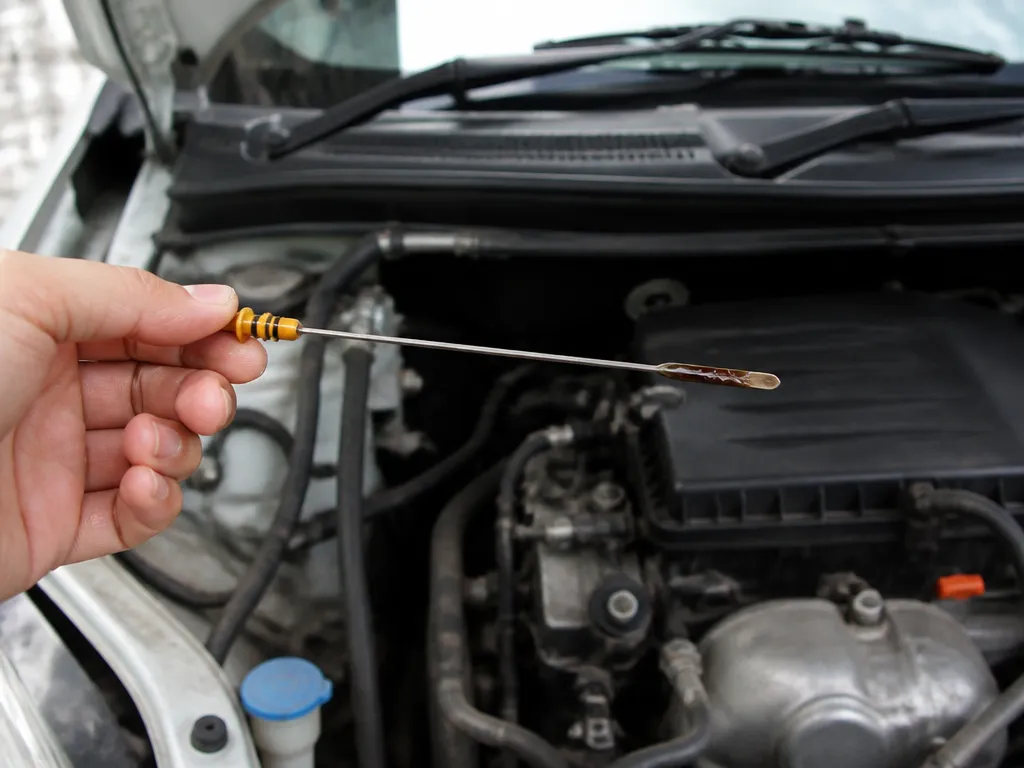
Check the oil before doing anything else. Park on level ground, shut off the engine, and wait a few minutes for the oil to settle. Pull out the dipstick, wipe it clean, reinsert it fully, and pull it out again. Read the level against the minimum and maximum marks.
If the oil is low, add the correct oil specification for your vehicle. Use the grade and specification listed in the owner’s manual. Add a small amount at a time, wait briefly, and recheck the dipstick until the level reaches the proper range. Do not overfill it.
If you had to add a large amount, find out why. Low oil usually points to a leak or an oil consumption problem rather than a one-time electrical fault.
Resetting the EPC depends on why the light came on:
- Drive briefly and observe the warning. Some vehicles clear a temporary condition after the problem is resolved.
- Scan the codes if the EPC light stays on. Use an OBD-II scanner that can read manufacturer-specific codes, because basic scanners may not display every EPC-related fault.
- Clear the codes after the repair. Confirm that the underlying problem has been addressed before erasing the fault memory.
Resetting the light without correcting the cause can make it return immediately and may hide the problem that caused it.
Quick oil and EPC
- Look for major leaks under the vehicle after topping up.
- Check whether EPC behavior improves after correcting the oil level.
- Scan for stored codes if the warning remains.
When Low Oil Requires Immediate Engine Inspection
Stop driving and arrange an inspection if you suspect oil pressure loss or rapid oil consumption. The risk is especially high when the level is extremely low, such as near the bottom of the dipstick or below the minimum mark, or when the engine makes unusual noises or displays an oil pressure warning alongside the EPC light.
Treat a sudden drop in oil level as urgent. If the vehicle was recently serviced and already needs oil again, look for a leak or an oil-control problem. Continuing to drive can damage bearings or starve other components that rely on steady lubrication.
Do not keep driving to see whether the warning disappears if the EPC light comes with engine knocking, an oil pressure warning, heavy performance loss, or a severe limp mode. Pull over safely and arrange an inspection.
How to Drive After the EPC Light Comes On
Reduce engine load as soon as the EPC light appears. Accelerate smoothly, avoid high-speed cruising and hard launches, and drive only as far as needed to check the oil or reach service.
If the dipstick shows oil below the minimum mark, add the correct oil immediately if you can do so safely, then reassess the warning and the engine’s behavior. If the oil level is normal, drive cautiously and arrange a code scan because EPC faults can involve the throttle, engine controls, or wiring and may affect drivability.
Stop driving if an oil pressure warning appears, the engine knocks, or the car enters severe limp mode. A short tow or service visit is safer than risking engine failure.
FAQ
Can low oil cause the EPC light on any car?
Low oil can trigger an EPC-related warning on many vehicles when it causes low oil pressure or abnormal engine behavior. EPC does not universally mean “low oil,” however. Check for stored fault codes after correcting the oil level.
What should I do first when the EPC light comes on?
Park on level ground, shut off the engine, and allow the oil to settle before checking. Top it up to the correct range if it is low. If the EPC light stays on, scan the codes rather than repeatedly clearing the warning.
Is it safe to drive if the EPC light is on?
It depends on the symptoms. If the oil level is correct and the vehicle runs normally, you may be able to drive gently to a repair facility while avoiding hard acceleration. If the oil is low, an oil pressure warning appears, or the vehicle enters harsh limp mode, stop driving and arrange an inspection.
How do I reset the EPC light after topping up the oil?
Confirm that the level is correct, then drive briefly to see whether the warning clears. If it remains on, use a scanner to read the codes and clear them after the underlying repair. Confirm that the EPC light does not return during the next drive cycle.
Can a faulty sensor cause the EPC light without low oil?
Yes. Throttle or pedal position sensors, wiring faults, intake-related problems, and other engine-control inputs can trigger EPC faults while the oil level remains normal. Read the fault codes if the EPC warning persists.

- Top 10 Best Helmet For Xtreme 125r 2026 - October 5, 2026
- Top 10 Best Helmet For Xpulse 200 2026 - October 5, 2026
- Top 10 Best Helmet For Xsr 155 2026 - October 5, 2026
![u1121 00 [00001000] -](https://automationvehicles.com/wp-content/uploads/2026/07/u1121-00-00001000-768x497.webp)