Can You Use Blue Devil Head Gasket Sealer Twice?

You can sometimes use BlueDevil head gasket sealer twice, but a second application only makes sense when the first one partially improved a stable, minor leak. If the first treatment changed nothing, or the engine still overheats, adding more sealer usually wastes money and delays the repair.
The decision depends on the leak’s behavior, coolant loss, engine temperature, and signs of oil-coolant contamination. A slow seep that improved after the first treatment is a different problem from a major leak caused by overheating, warped surfaces, corrosion, or a cracked component.
Key Takeaways
- The first treatment sets the baseline. Reapply only if the first dose produced measurable improvement, such as lower coolant loss or fewer bubbles.
- Overheating changes the decision. Stop and diagnose the cooling system before using more sealer if the engine ran hot.
- Do not repeat a failed treatment. If the leak behaves the same after one full treatment cycle, a second dose is usually wasted.
- Retest instead of guessing. Use a cooling-system pressure test and/or combustion leak check if the problem returns.
- Follow the dose and mixing instructions. Use the correct amount for the coolant volume and the temperature specified by the product directions.
- Treat new symptoms as stop signs. Sluggish heater output, clogged passages, rising temperatures, or new leaks mean it is time to stop reapplying and diagnose the vehicle.
Can You Use BlueDevil Head Gasket Sealer Twice?
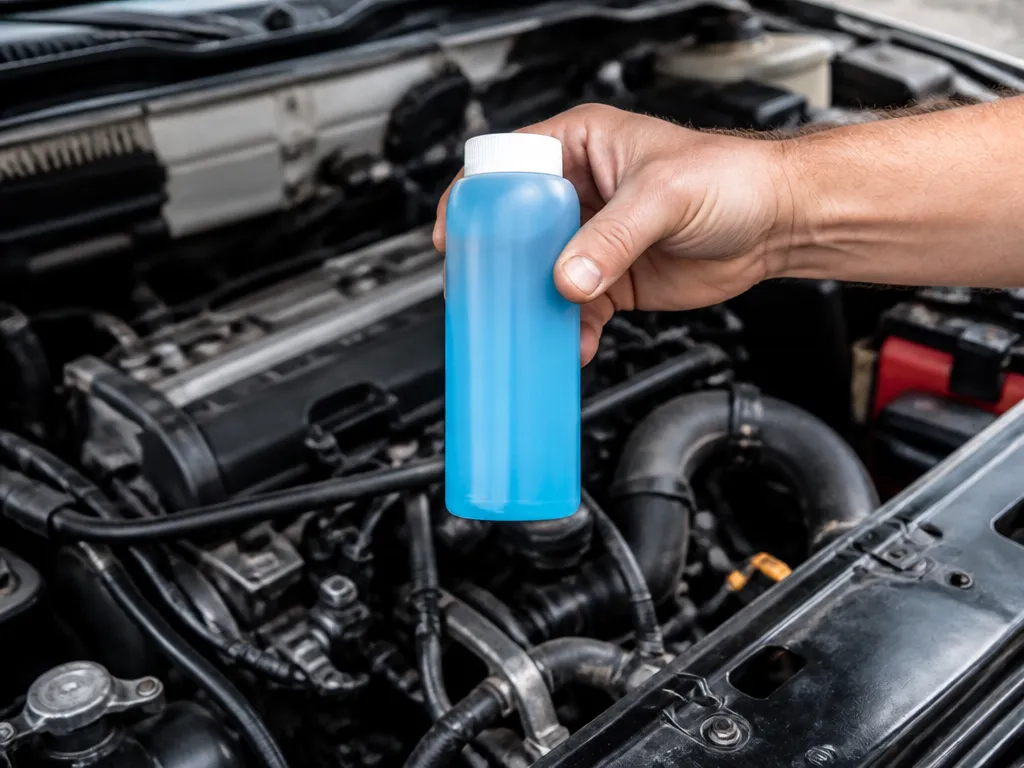
Yes, but only as a conditional second attempt after you verify that the first treatment helped. Reapplying should not become a routine response every time coolant disappears.
Repeated sealer use can mask symptoms while the underlying damage continues. A head-gasket leak may come from a small surface leak, but it can also result from overheating, warped surfaces, corrosion, or a cracked engine component. If the first treatment did not improve the leak, another application usually adds material to a failing system without fixing the cause.
Consider a second application only if the first one produced clear, lasting improvement after driving and retesting. If nothing changed, investigate the gasket and nearby sealing surfaces.
When BlueDevil Sealer Works the First Time
BlueDevil head gasket sealer works best when the leak is small, stable, and primarily a sealing problem rather than major mechanical damage.
Signs of improvement include slower or stopped coolant loss, less overflow from the radiator reservoir, and fewer or no bubbles in the overflow tank during warm-up. Some vehicles may also regain stronger heater performance because the cooling system can hold pressure again. The important evidence is a sustained change in the vehicle’s behavior, not a car that seems fine for one day.
The cooling system also needs to be working properly. A clogged radiator, sticking thermostat, failed water pump, or recurring air pocket can prevent the sealer from circulating evenly. In that situation, a second application will not correct the flow problem and may add residue to an already compromised system.
When Reapplying Sealer Makes Sense
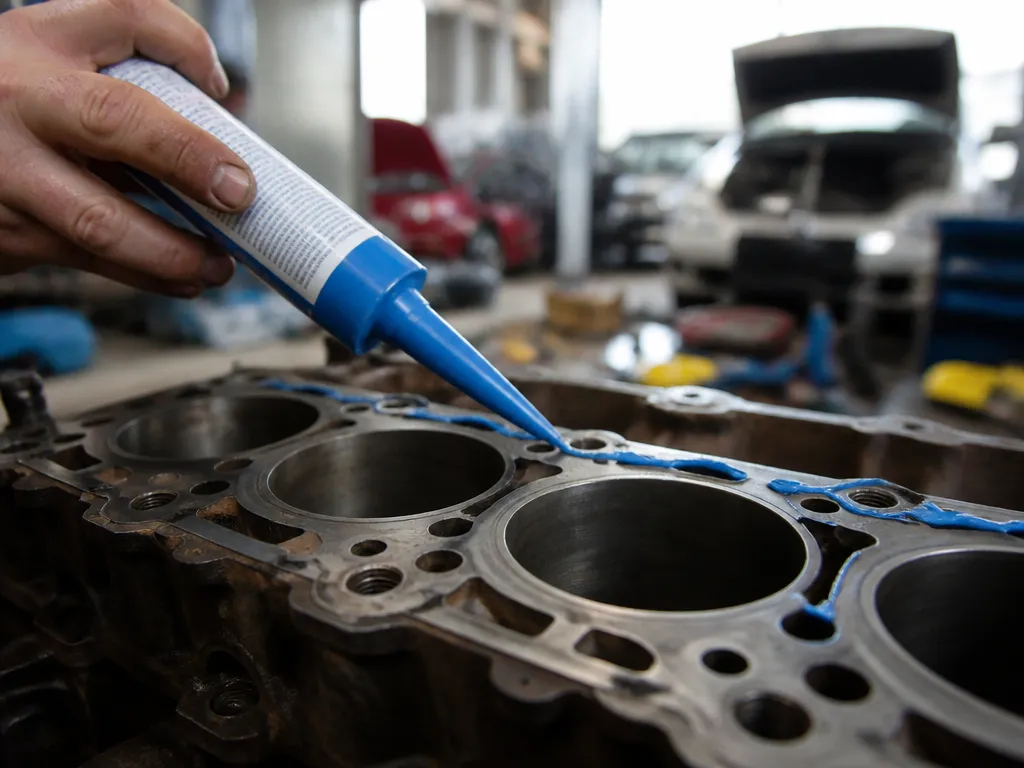
Reapplying makes sense when the first application partially worked and the leak clearly improved without fully disappearing.
Look for measurable progress: reduced coolant consumption, a stable temperature gauge, fewer combustion-gas symptoms during a warm restart, and no new contamination. If you cannot identify any improvement after completing the full treatment and drive cycle, adding more sealer is unlikely to fix the root cause.
A second application may also be reasonable if the first treatment was applied incorrectly. Examples include mismeasuring the coolant volume, failing to follow the stated temperature or operating instructions, or applying the product while an active overheating problem was still present. In that case, the second attempt corrects the process rather than simply adding more product.
Consider a second treatment when:
- The engine stays at normal temperature and the heater blows hot consistently.
- Coolant loss has decreased, but occasional overflow or minor loss remains.
- A check after the full interval shows fewer leak indicators than before.
- You do not have heavy oil-coolant mixing or ongoing pressure loss.
Do not reapply when:
- The engine keeps overheating or runs hotter under load.
- You see major contamination, such as milky oil or heavy “mayonnaise” under the oil cap.
- The first application caused worsening symptoms or new leaks.
Can You Use BlueDevil If the Leak Comes Back?
A returning leak should trigger diagnosis rather than an automatic second dose.
A leak that returns quickly may mean the sealer cannot keep up with continuing pressure problems. Combustion gases may still be entering the cooling system, pressure may be spiking, or the engine may be running hot enough to stress the gasket area. Another dose might slow the symptoms temporarily and then fail again.
A leak that returns after a long period may have a different cause. The original seal may have been marginal and finally deteriorated, or another cooling-system component may have started failing, such as the radiator cap, thermostat, or hoses. Pouring more sealer into a system with a separate mechanical fault increases the risk of clogged passages and uneven sealing.
Use this decision check before reapplying:
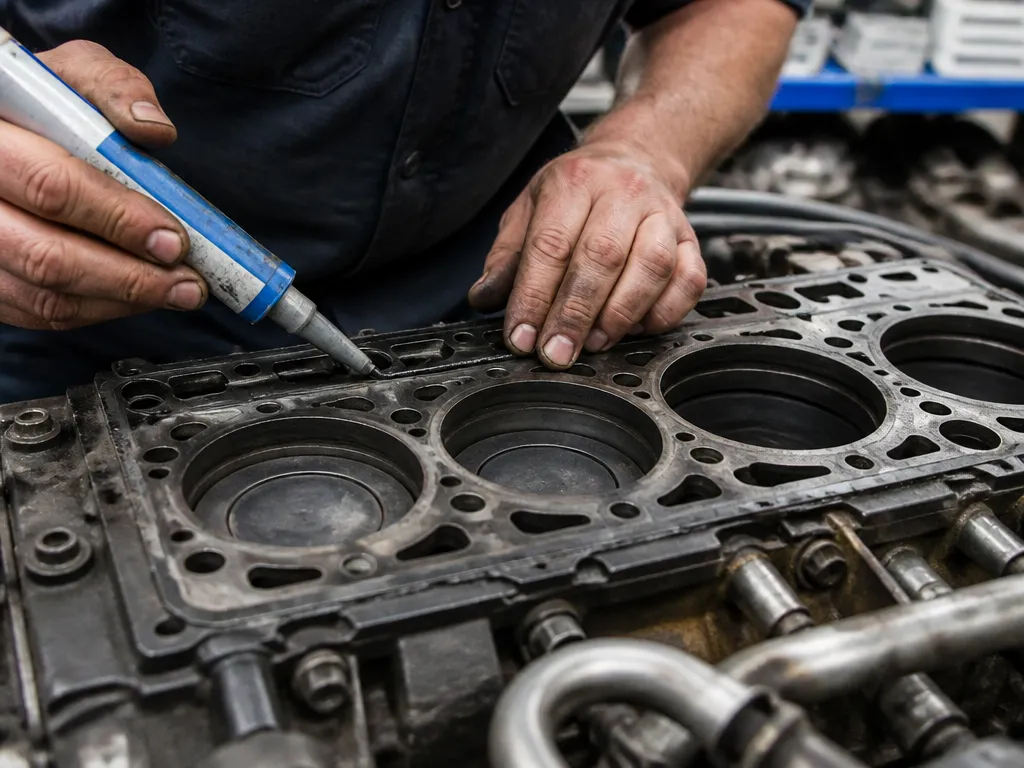
- If the engine temperature is stable and coolant loss is minor, a second application may be reasonable.
- If the engine overheats, the leak is large, or contamination appears, skip the sealer and move to a proper repair.
How to Reapply BlueDevil Sealer Safely
A safe reapplication requires following the product directions exactly, keeping the engine within the stated temperature range, and avoiding additives that could interfere with circulation or curing.
Before adding anything, confirm what the first treatment accomplished. Verify the coolant type, check the coolant condition, and avoid unsupported additives. Then repeat the application process as if you were using the product for the first time.
- Check coolant level and condition. Fill to the correct level with the appropriate coolant mix, and do not proceed if heavy contamination is present.
- Warm the engine appropriately. Bring it to the temperature specified by the product directions before or during application, depending on those instructions.
- Add the sealer correctly. Use the correct amount for the cooling-system capacity. Do not add extra or use partial scoops.
- Complete the required drive cycle. The product needs circulation under the conditions specified in the directions.
- Avoid overheating and extended idling. Shut the engine down if the temperature rises unusually, then diagnose the cause.
Do not treat sealer as permission to keep driving through an overheating problem. If the temperature starts climbing, continued driving can turn a sealing problem into additional overheating damage.
What to Check Before a Second Application
Before applying BlueDevil again, verify four things: the first treatment improved the leak, the cooling system is functioning, no serious contamination is present, and the pressure behavior supports a minor sealing problem.
Start with basic observations. Did coolant loss decrease after the first treatment? Does the temperature gauge remain steady during normal driving? Does the heater stay hot, suggesting that coolant is circulating rather than being blocked by air or debris?
Check for contamination as well. Milky oil or persistent emulsified coolant can indicate a larger internal breach. Sealer may reduce visible symptoms, but it cannot repair structural damage and can make later repairs messier.
Inspect the cooling system for other faults. A failing thermostat, radiator cap, water pump, radiator, or cooling fan may be the main problem. A second dose could temporarily slow coolant loss while that fault continues to stress the head gasket.
| Situation before second dose | Likely condition | Should you reapply? | What to do instead |
|---|---|---|---|
| Coolant loss dropped, temps normal | Small seal leak improved | Yes, with correct dose | Retest after full interval |
| Coolant loss unchanged | Leak may be mechanical or severe | No, usually wasted | Pressure test and combustion check |
| Engine runs hot or overheats | Ongoing thermal stress | No | Diagnose cooling system first |
| Oil/coolant mixing present | Internal breach or severe failure | No | Stop and plan proper repair |
This conservative approach avoids adding sealer to the wrong problem. Even when sealer works, it should be treating a minor sealing issue rather than covering up a failing cooling component.
How Long Before You Should Retest the Repair?
Retest after completing the product’s full treatment period and drive cycle, not after a single warm-up.
Checking too soon can produce a false “still leaking” result because the sealer may still be circulating and forming a seal, particularly in engines with slower circulation paths. Waiting indefinitely creates the opposite problem: if the specified interval is complete and the symptoms have not changed, more product is unlikely to help.
Use this retest plan:
- First retest: After the product’s stated “complete interval” and a normal driving period that brings the engine fully up to temperature.
- If symptoms persist: Perform a cooling-system pressure test and/or combustion leak check if possible, and continue checking for coolant loss.
- If you reapply: Retest on the same schedule, and use the improvement trend as the reason for the second treatment.
FAQ
Can you use BlueDevil head gasket sealer twice?
Yes, if the first treatment improved the leak and the engine is not overheating. If the first application produced no improvement after the full interval and was applied correctly, a second application is usually wasted because the underlying pressure problem may still be present.
Will using BlueDevil twice make the problem worse?
It can. Additional sealer means additional residue, and a combustion-pressure problem can leave you with persistent contamination or clogged small passages. Stop and diagnose the vehicle if temperatures rise, heater output weakens, or new leaks appear.
How long should you wait before applying BlueDevil again?
Wait until you have completed the full treatment interval and retested measurable symptoms, including coolant loss and temperature stability. Retesting too early can lead to repeated dosing before the first seal has had time to form.
Is it safe to reapply BlueDevil on a hot engine?
No. Adding sealer while the engine is actively overheated increases the risk of a poor result and further damage. Let the engine cool, confirm that an active overheating problem is not present, and follow the product’s temperature and application instructions.
What is the most common mistake when using BlueDevil head gasket sealer?
Applying it again without verifying that the first treatment worked. A slight short-term improvement is not enough. Retest after the full interval and compare coolant loss, temperature-gauge behavior, and any combustion or contamination symptoms.
Treat a second application as a conditional follow-up, not a default repair. Retest after the full interval, then decide from the trend in coolant loss and temperature rather than hope.

- Top 10 Best Helmet For Xtreme 125r 2026 - October 5, 2026
- Top 10 Best Helmet For Xpulse 200 2026 - October 5, 2026
- Top 10 Best Helmet For Xsr 155 2026 - October 5, 2026