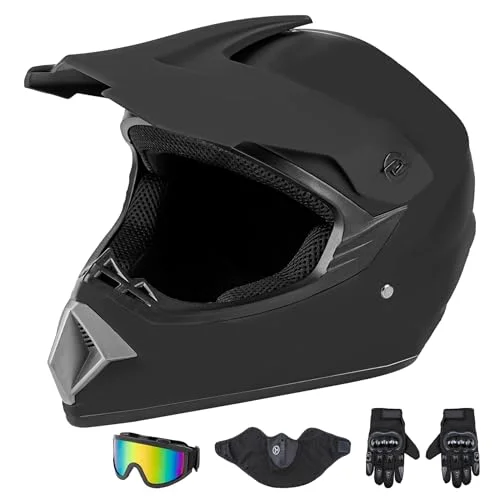
Choose the Right Cycling Helmet: 5 Key Features to Consider

Choosing the right cycling helmet can significantly impact your safety and comfort on the road. With so many options available, understanding what features matter most is essential for every cyclist. A well-fitted helmet can make all the difference in your riding experience.
Consider fit, ventilation, and safety certifications when selecting a helmet. Look for lightweight materials and adjustable straps to ensure comfort. Always check for impact protection ratings to guarantee your helmet meets safety standards.
Importance of Cycling Helmets
Cycling helmets are essential for ensuring safety while riding. They protect cyclists from head injuries during accidents, which can occur unexpectedly. Wearing a helmet significantly reduces the risk of severe injury and can be the difference between a minor incident and a life-altering event.
The effectiveness of a helmet lies in its design, which absorbs impact energy and minimizes the force transferred to the skull and brain. Studies show that wearing a helmet can reduce the risk of head injuries by up to 70%. This statistic highlights the importance of not just having a helmet, but having the right one that fits properly and meets safety standards.
Choosing the right cycling helmet is critical. It should fit snugly without being too tight, ensuring comfort and safety. Additionally, consider features such as ventilation, weight, and style, which can affect your riding experience. Ultimately, wearing a helmet is a simple yet vital step in promoting cycling safety.
Helmet Safety Standards
Understanding helmet safety standards is crucial for selecting the right cycling helmet. Various certifications indicate that a helmet has undergone rigorous testing to ensure protection during impacts. Familiarizing yourself with these standards will help you make an informed choice.
The Consumer Product Safety Commission (CPSC) sets the mandatory safety standard for bicycle helmets sold in the United States. Helmets meeting CPSC standards have been tested for impact resistance, retention system effectiveness, and ventilation. Look for a CPSC label inside the helmet to ensure compliance.
In Europe, the EN 1078 standard governs the safety of cycling helmets. This standard evaluates similar criteria as the CPSC, including impact absorption and strap strength. Helmets with the EN 1078 label are suitable for adult and child cyclists.
Another standard to be aware of is ASTM F1447, which is often used for recreational cycling and includes additional requirements for testing helmets under different conditions. Helmets that meet ASTM standards are designed for enhanced safety during cycling activities.
Choosing a helmet that meets one or more of these standards can significantly increase your safety while cycling. Always check for certification labels to ensure you are selecting a helmet that offers the necessary protection.
Helmet Construction Types
Understanding the different construction types of cycling helmets is crucial for making an informed choice. Each type offers varying levels of protection, comfort, and weight, affecting your cycling experience. The primary construction types include In-Mold, Hardshell, and Softshell helmets.
In-Mold Helmets
In-Mold helmets are created by fusing the outer shell with the inner foam layer during manufacturing. This technique results in a lightweight design while maintaining structural integrity. The seamless construction helps distribute impact forces more evenly, enhancing safety. In-Mold helmets often feature better ventilation, making them comfortable for long rides.
Hardshell Helmets
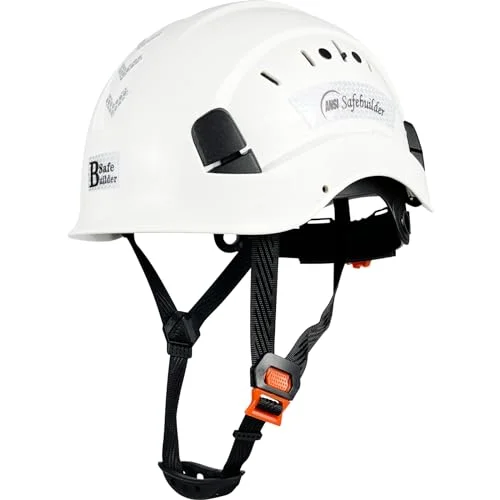
Hardshell helmets consist of a hard outer shell with an inner foam layer that absorbs impacts. They typically offer superior protection, especially against sharp objects. However, they tend to be heavier and may have less ventilation compared to In-Mold designs. Hardshell helmets are ideal for downhill or extreme cycling where maximum protection is paramount.
Softshell Helmets
Softshell helmets are made from flexible materials that provide a lower level of impact protection. They are lightweight and often favored for casual cycling or urban commuting. While they offer comfort and breathability, softshell helmets may not meet the same safety standards as In-Mold or hardshell options. Choose these for short, low-risk rides rather than high-impact situations.
Fitting a Cycling Helmet
Correctly fitting a cycling helmet is crucial for ensuring both safety and comfort while riding. A well-fitted helmet protects your head during falls and impacts, while also providing comfort for extended wear. Follow these steps to achieve the ideal fit.
- Measure Your Head: Use a soft measuring tape to find the circumference of your head, just above your eyebrows. This measurement will help you determine the right helmet size.
- Adjust the Straps: Put on the helmet and adjust the side straps so they form a “V” shape just below your ears. Ensure that the straps are snug but not overly tight.
- Tighten the Retention System: Most helmets come with an adjustable retention system at the back. Turn the adjustment dial or pull the strap to ensure the helmet fits securely on your head without wobbling.
- Test the Fit: With the helmet on, shake your head gently. The helmet should stay in place without sliding forward, backward, or side to side. You should feel light pressure against your forehead.
- Check the Chin Strap: Buckle the chin strap and adjust it so that you can fit one finger snugly between the strap and your chin. This ensures it is secure without being uncomfortable.
Choosing the Right Style
Selecting the appropriate helmet style is crucial for comfort, safety, and performance. Different cycling activities require specific designs to cater to the unique demands of each type of riding. Understanding these variations can help you make an informed decision that aligns with your riding habits and personal preferences.
Road Helmets
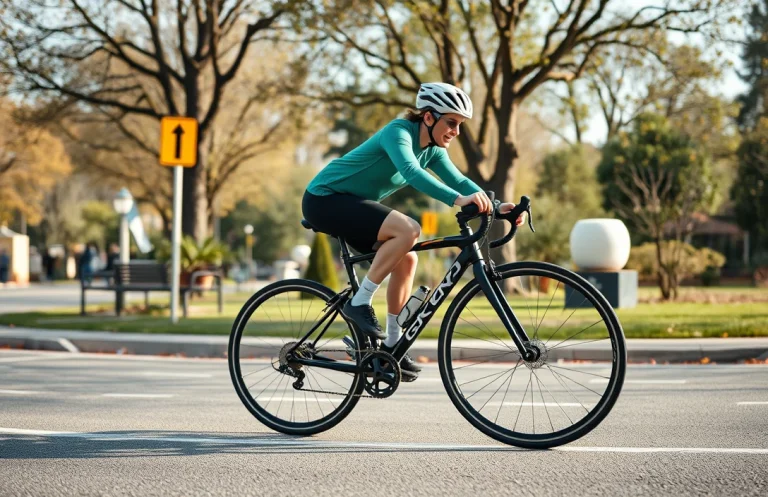
Road helmets are typically lightweight and aerodynamic, featuring a sleek design to reduce wind resistance. They often have ample ventilation to keep you cool during long rides. Look for models with a snug fit and adjustable straps to ensure maximum stability during high-speed cycling.
Mountain Helmets
Mountain helmets are designed for off-road cycling and provide additional protection with a more robust construction. They often feature visors to shield your eyes from sun and debris, and include extended coverage around the back of the head. Many mountain helmets also come with enhanced ventilation to help manage sweat during challenging climbs.
Commuter Helmets
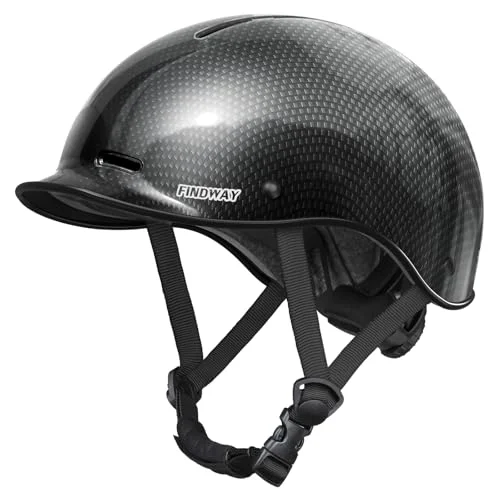
Commuter helmets focus on versatility and comfort for urban riding. They often incorporate features such as built-in lights or reflective elements for increased visibility. These helmets may also have a more relaxed fit to accommodate everyday use, making them suitable for short trips or longer commutes.
Comparing Helmet Brands
Understanding the strengths and weaknesses of popular helmet brands can guide you in making an informed decision. Below is a comparison of some leading brands, focusing on their reputation, features, and user feedback.
| Brand | Reputation | Key Features | User Reviews |
|---|---|---|---|
| Giro | Well-known for innovation | Lightweight, advanced ventilation | Highly rated for comfort |
| Bell | Established brand with safety focus | Durable, multi-impact protection | Positive feedback on fit |
| Specialized | Renowned for quality and performance | Integrated MIPS technology | Users praise airflow and stability |
| Kask | Luxury brand with Italian craftsmanship | Excellent aerodynamics, custom fit | Favorite among professional cyclists |
Researching user reviews on platforms like cycling forums and retail websites can provide insights into real-world experiences and performance. Consider how each brand aligns with your specific needs, such as style, comfort, and safety features.
Budget Considerations
Choosing the right cycling helmet involves understanding how your budget impacts the options available to you. Price ranges can vary significantly based on features, materials, and brand reputation, so it’s crucial to balance cost with quality and safety standards.
Helmets typically range from $30 for basic models to over $300 for high-end options. At the lower end, you can find helmets that meet essential safety standards but may lack advanced features like ventilation, lightweight materials, or enhanced aerodynamics. Mid-range helmets, usually priced between $70 and $150, often provide a solid balance of comfort, safety, and features, making them suitable for regular cyclists.
Premium helmets, often above $200, offer advanced technology, superior materials, and additional safety features such as MIPS (Multi-directional Impact Protection System). However, spending more doesn’t always guarantee better protection; it’s essential to ensure the helmet meets safety certifications. Assess value for money by considering how often you ride, the intensity of your cycling, and personal comfort preferences.
Ultimately, invest in a helmet that fits well, meets safety standards, and aligns with your cycling habits without exceeding your budget. Prioritize safety over brand prestige or excessive features that may not enhance your riding experience.
Quick Summary
- Ensure the helmet meets safety standards such as CPSC, EN 1078, or AS/NZS.
- Choose the right fit by measuring your head circumference and trying on different sizes.
- Consider the type of cycling you do (road, mountain, commuting) to select a suitable helmet style.
- Look for ventilation features to keep your head cool during rides.
- Check for additional safety features like MIPS (Multi-directional Impact Protection System).
- Evaluate the weight of the helmet for comfort during long rides.
- Choose a design and color that fits your personal style for better visibility and aesthetics.
Frequently Asked Questions
1. What features should I look for in a cycling helmet?
When choosing a cycling helmet, look for features such as a snug fit, proper ventilation, and a lightweight design. Additionally, consider safety certifications like CPSC or EN 1078 to ensure the helmet meets safety standards.
2. How do I determine the right size for my helmet?
To find the right size, measure the circumference of your head just above your eyebrows. Use this measurement to consult the manufacturer’s sizing chart, ensuring a snug fit without pressure points.
3. Are more expensive helmets worth the investment?
Higher-priced helmets often offer better materials, improved ventilation, and advanced safety features. While you don’t need to buy the most expensive option, investing in a quality helmet can enhance comfort and protection.
4. How often should I replace my cycling helmet?
It’s recommended to replace your helmet every 3-5 years, even if it hasn’t been involved in an accident. Over time, the materials can degrade, reducing its effectiveness in protecting your head.
5. Can I use a multi-sport helmet for cycling?
While multi-sport helmets can provide some protection, they may not meet the specific safety standards required for cycling. It’s best to use a helmet that is specifically designed for cycling to ensure optimal protection and fit.

- 10 Best Electric Hydraulic Jack For Car Review (October 2026) - October 12, 2026
- 10 Best Electric Jack For Car Review (October 2026) - October 12, 2026
- 10 Best Jack For Electric Vehicle Review (October 2026) - October 12, 2026