Top 5 Causes of Motorcycle Fatalities: Stay Safe on the Road

Motorcycling can be exhilarating, but it also carries significant risks that every beginner should understand. Knowing what factors contribute to fatalities can help you make informed decisions and prioritize safety, ensuring your riding experience is both enjoyable and secure.
Understanding what kills motorcyclists the most is crucial for safety. Key points include inexperienced riders, speeding, lack of protective gear, and driving under the influence. Learning about these factors can help you take preventative measures.
Understanding the Basics
Motorcycle accidents can have serious consequences, making understanding the risks essential for every rider. Identifying the main causes of fatalities is crucial for developing effective preventative measures. This section focuses on the common factors contributing to the highest mortality rates among motorcyclists.
Speeding is one of the leading causes of fatal motorcycle accidents. Riders often underestimate the dangers posed by excessive speed, which reduces reaction time and increases the severity of crashes. Additionally, riding under the influence of alcohol or drugs significantly impairs judgment and coordination, leading to tragic outcomes.
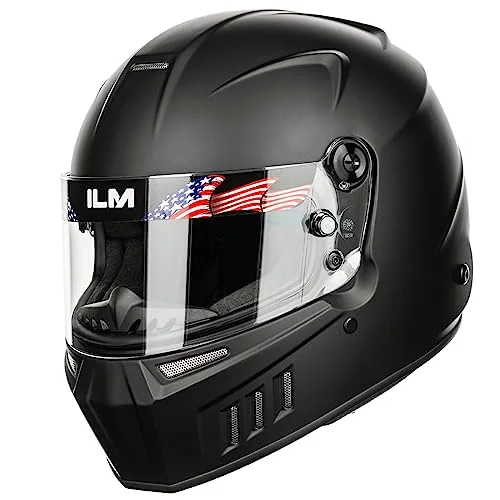
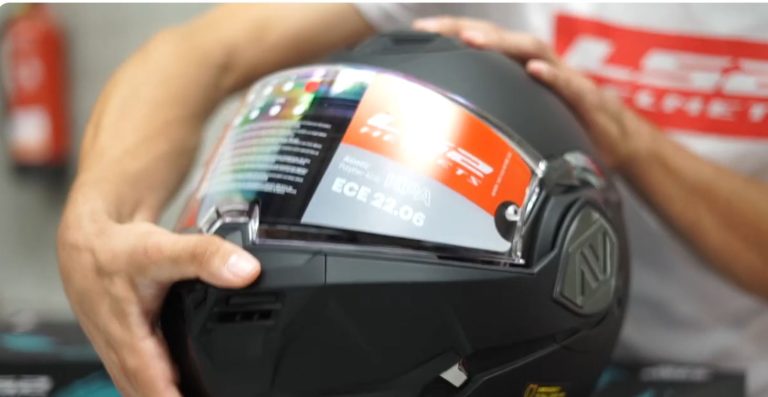
Another critical factor is lack of protective gear. While helmets significantly reduce the risk of head injuries, many riders neglect to wear them or opt for insufficient protection. Other gear, such as jackets, gloves, and boots, also plays a vital role in minimizing injuries during accidents.
Inexperience is a significant risk factor as well. New riders may not have developed the necessary skills to navigate complex traffic situations safely. A lack of training can lead to poor decision-making in critical moments, making it essential for beginners to undergo proper motorcycle safety courses.
Key Concepts and Fundamentals
This section highlights the primary factors contributing to motorcycle fatalities. Understanding these risks is crucial for any new motorcyclist. By recognizing the dangers, you can take proactive measures to enhance your safety while riding.
One of the leading causes of motorcycle accidents is the lack of visibility. Motorcycles can easily be overlooked by other drivers, particularly in crowded traffic or adverse weather conditions. Always assume that you are not seen and position yourself accordingly.
Speeding is another significant factor. Riding above the speed limit reduces your reaction time and increases the severity of any potential accidents. Adhering to speed limits and adjusting your speed according to road conditions is vital.
Alcohol consumption drastically impairs judgment and reaction times. Statistics show that a high percentage of fatal motorcycle accidents involve riders with a blood alcohol concentration above the legal limit. Avoid riding under the influence to maintain full control of your motorcycle.
Inexperienced riders are more prone to accidents. Training courses can provide essential skills and knowledge, greatly reducing the likelihood of crashes. Always seek professional instruction and practice regularly to build confidence and competence.
How It Works
This section examines the critical factors that contribute to motorcycle accidents and fatalities. Understanding these elements is essential for any new motorcyclist, as they directly impact safety and risk management on the road.
Speeding is a leading cause of motorcycle accidents. Riders who exceed speed limits or ride too fast for conditions often have less time to react to hazards, increasing the likelihood of a crash. Poor road conditions, such as potholes, gravel, or wet surfaces, also significantly contribute to accidents. Riders must be aware of their surroundings and adjust their speed accordingly.
Another major factor is the lack of protective gear. Helmets, jackets, gloves, and boots are designed to reduce injury severity in the event of an accident. Statistics show that riders wearing helmets are far less likely to suffer fatal injuries compared to those without. Additionally, riding under the influence of alcohol or drugs dramatically impairs judgment and reaction times, making it a leading cause of fatalities.
Lastly, visibility plays a crucial role. Motorcycles are smaller and less visible than cars, making it essential for riders to ensure they are seen by other road users. This can include wearing bright colors and using reflective gear, especially in low-light conditions.
Benefits and Advantages
Understanding the primary factors contributing to motorcycle fatalities is crucial for any new rider. This section identifies key risks and provides insights into how these elements can be mitigated. By being aware of what kills motorcyclists the most, you can adopt safer riding practices and make informed decisions on your motorcycle journey.
One of the leading causes of motorcycle accidents is rider inexperience. Many new motorcyclists lack the necessary skills to manage their bikes effectively, especially in emergency situations. Training courses can significantly improve handling skills and increase confidence on the road.
Another critical factor is visibility. Motorcycles are smaller than cars, making them harder to see. Many accidents occur because drivers of larger vehicles do not notice motorcyclists. Wearing bright, reflective gear and using headlights can enhance visibility.
Speeding also plays a significant role in fatal accidents. Riding at excessive speeds reduces reaction time and increases the severity of crashes. Adhering to speed limits and adjusting your speed according to road conditions is essential for safety.
Finally, alcohol consumption is a major contributor to motorcycle fatalities. Riding under the influence impairs judgment and reaction times. Always ride sober and encourage others to do the same to prevent tragic outcomes.
Practical Applications
Understanding the factors that contribute to motorcycle fatalities is crucial for any new rider. This section covers the most significant risks motorcyclists face, allowing you to identify and mitigate these dangers effectively.
One of the leading causes of motorcycle fatalities is collisions with other vehicles. Approximately 40% of fatal motorcycle accidents involve another vehicle, often due to drivers failing to see the motorcyclist. This highlights the importance of visibility; wearing bright clothing and utilizing reflective gear can make a substantial difference.
Speeding plays a critical role as well, with a significant proportion of accidents occurring when riders exceed speed limits. Always adhere to speed regulations and adjust your speed according to road conditions. Additionally, inexperienced riders are at a higher risk, as they may struggle with handling or decision-making under pressure.
Environmental factors, such as wet or slippery roads, can also lead to accidents. Riding within your limits and adjusting your approach to weather conditions will enhance your safety. Lastly, riding under the influence of alcohol or drugs greatly increases the risk of accidents. Always ensure you are sober before riding.
Expert Tips and Best Practices
Understanding the leading causes of motorcycle fatalities is crucial for minimizing risks while riding. This section focuses on key factors that contribute to accidents and offers practical advice to enhance safety on the road.
One significant factor is visibility. Many accidents occur because motorists fail to see motorcyclists. Always wear bright, reflective gear and use your headlights, even during the day, to increase visibility. Defensive riding techniques are essential; always anticipate potential hazards and assume that other drivers may not see you.
Speeding is another major contributor to fatal accidents. Adhere to posted speed limits and adjust your speed according to road conditions. Riding too fast reduces reaction time and increases the severity of crashes. Additionally, alcohol impairment significantly raises the risk of accidents. Avoid riding after consuming alcohol and encourage others to do the same.
Finally, proper training cannot be overstated. Completing a motorcycle safety course equips riders with vital skills and knowledge about handling their bikes and recognizing dangerous situations. Regularly practicing these skills will build confidence and competence, further enhancing safety on the road.
Real-World Examples
Understanding real-world incidents can provide valuable insights into the factors that contribute to motorcycle fatalities. These examples illustrate common scenarios that lead to serious accidents, highlighting the importance of awareness and precaution.
One prevalent cause of motorcycle accidents is driver error, particularly from other road users. For instance, a study showed that nearly 42% of motorcycle crashes involved another vehicle turning left in front of the motorcycle. This often occurs at intersections where drivers fail to see the motorcycle or misjudge its speed.
Speeding also plays a critical role. According to data, around 33% of motorcyclists involved in fatal crashes were speeding at the time of the accident. Excessive speed reduces reaction time and increases the severity of injuries sustained in a crash.
Additionally, riding under the influence remains a significant factor. Statistics indicate that approximately 29% of fatal motorcycle crashes involved riders with a blood alcohol concentration (BAC) of 0.08% or higher. Alcohol impairs judgment, coordination, and reaction times, making riding even more dangerous.
These examples highlight the need for motorcyclists to remain vigilant, obey traffic laws, and always wear proper safety gear to mitigate risks on the road.
Getting Started
Understanding the primary causes of motorcycle fatalities is crucial for any new rider. This knowledge will help you adopt safer riding habits and make informed decisions about your gear and training. Below are the key factors that contribute to the most significant risks for motorcyclists.
Speeding is a leading cause of accidents, significantly increasing the severity of crashes. Alcohol impairment also plays a major role, with many fatalities involving riders with elevated blood alcohol levels. Inattentiveness, whether from the rider or other road users, can lead to collisions, particularly at intersections where visibility is limited.
Failing to wear protective gear such as helmets and jackets can exacerbate injuries sustained in accidents. It’s essential to invest in high-quality safety equipment, as it greatly increases your chances of surviving a crash. Additionally, riding without proper training or experience can lead to poor decision-making in critical situations.
Lastly, weather conditions such as rain, fog, or wind can impair visibility and control, heightening the risk of accidents. Always assess the conditions before riding and adjust your plans accordingly. Understanding these factors will help you prioritize safety and make informed choices as you begin your motorcycling experience.
Quick Summary
- Inattention and distraction are leading causes of motorcycle accidents.
- Weather conditions, such as rain and ice, significantly increase the risk of crashes.
- Rider experience plays a critical role; inexperienced riders are more likely to be involved in fatal accidents.
- Motorcycle visibility is a major issue; many accidents occur because other drivers do not see the motorcycle.
- Alcohol use is a significant factor in motorcycle fatalities, with many riders involved in crashes having elevated blood alcohol levels.
- Speeding contributes to a higher likelihood of severe injuries and deaths in motorcycle accidents.
- Wearing proper safety gear, including helmets, can substantially reduce the risk of fatal injuries.
Frequently Asked Questions
What are the most common causes of motorcycle accidents?
The most common causes of motorcycle accidents include distracted driving, speeding, and driving under the influence of alcohol or drugs. Additionally, many accidents occur when other vehicles fail to see motorcyclists, often due to blind spots or not checking mirrors properly.
How does rider experience affect safety?
Rider experience plays a significant role in safety, as experienced riders are generally better at handling unexpected situations and making quick decisions. Beginners may lack the skills and confidence needed to navigate complex traffic scenarios, which can increase the risk of accidents.
What safety gear is essential for motorcyclists?
Essential safety gear for motorcyclists includes a DOT-approved helmet, protective jackets, gloves, pants, and sturdy boots. Wearing appropriate gear can significantly reduce the risk of serious injuries in the event of an accident.
Are there specific types of motorcycles that are safer for beginners?
Yes, smaller and lighter motorcycles are generally considered safer for beginners as they are easier to handle and control. Models with lower horsepower and a seat height that allows the rider to comfortably touch the ground are often recommended for new riders.
What can I do to improve my safety on the road?
To improve safety, always wear the appropriate protective gear, take a motorcycle safety course, and practice defensive riding techniques. Staying aware of your surroundings, maintaining a safe distance from other vehicles, and obeying traffic laws can also help reduce the risk of accidents.

- 10 Best Electric Hydraulic Jack For Car Review (October 2026) - October 12, 2026
- 10 Best Electric Jack For Car Review (October 2026) - October 12, 2026
- 10 Best Jack For Electric Vehicle Review (October 2026) - October 12, 2026