285 65 20 vs 275 60 20 Tires: Key Size and Performance Differences

Understanding the differences between tire sizes can significantly affect your vehicle’s performance and safety. If you’re trying to decide between 285 65 20 and 275 60 20 tires, knowing their specifications can help you make an informed choice that fits your driving needs.
The 285 65 20 tire has a wider width and taller sidewall compared to the 275 60 20 tire. This results in better off-road capability for the 285 tire, while the 275 tire offers improved fuel efficiency and smoother handling on paved roads.
Tire Size Basics
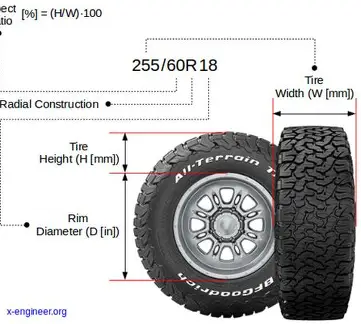
Tire sizes are expressed in a specific format, typically consisting of three numbers separated by spaces or slashes. These numbers indicate the tire’s width, aspect ratio, and diameter. Understanding these specifications is crucial for selecting the appropriate tires for your vehicle and ensuring optimal performance.
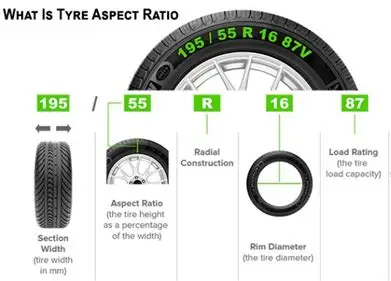
The first number represents the tire’s width in millimeters. For example, in a tire size of 285/65R20, the tire width is 285 mm. The second number is the aspect ratio, which indicates the height of the sidewall as a percentage of the tire’s width. In this case, 65 means the sidewall height is 65% of 285 mm. The final number denotes the diameter of the wheel in inches that the tire is designed to fit, which is 20 inches for both tire sizes discussed.
Understanding these metrics allows you to compare different tire sizes and make informed decisions based on your vehicle’s requirements, driving style, and terrain conditions.
285 vs 275 Width
The width of a tire significantly influences various aspects of vehicle performance, including handling and stability. The 285 and 275 tire sizes differ by just 10 millimeters, but this small variance can impact how a vehicle performs on the road.
A 285-width tire offers a broader contact patch, which can enhance grip and traction, particularly in off-road conditions or during aggressive cornering. This increased width may also provide better stability when navigating curves at higher speeds. However, wider tires can lead to increased rolling resistance, which may slightly affect fuel efficiency.
On the other hand, a 275-width tire may deliver a more responsive steering feel, as the narrower profile can result in quicker turn-in response. This can be beneficial for drivers seeking a sportier driving experience. Additionally, the narrower width can help reduce the weight of the tire and improve fuel efficiency, making it a practical choice for everyday driving.
Ultimately, the choice between a 285 and a 275 tire will depend on the desired balance between handling performance and efficiency, as well as the specific driving conditions you expect to encounter.
65 vs 60 Aspect Ratio
The aspect ratio of a tire is crucial in determining its performance characteristics. The 65 aspect ratio of the 285 65 20 tire indicates that the tire’s sidewall height is 65% of its width. Conversely, the 275 60 20 tire has a 60 aspect ratio, meaning its sidewall height is 60% of its width. This difference has significant implications for ride comfort, handling, and overall vehicle dynamics.
With a higher aspect ratio, the 285 65 20 tire generally offers a taller sidewall, which can enhance ride comfort by providing additional cushioning over bumps and rough surfaces. This can be particularly beneficial for off-road driving or for vehicles that prioritize a smooth ride. The 275 60 20 tire, having a shorter sidewall, will likely provide better handling and cornering stability due to reduced flex during aggressive maneuvers.
Tread design can also vary between these tire sizes, influencing traction and performance. Tires with a higher aspect ratio may have more aggressive tread patterns optimized for off-road conditions, while those with a lower aspect ratio may focus on performance and handling for on-road use. Understanding these differences can help in selecting the right tire for specific driving needs.
Height and Diameter Comparisons
The overall height and diameter of tires significantly influence vehicle dynamics, including speedometer accuracy and ground clearance. Comparing the 285/65/20 and 275/60/20 tires reveals key differences that can affect performance and compatibility with your vehicle.
| Tire Size | Overall Diameter (inches) | Overall Height (inches) |
|---|---|---|
| 285/65/20 | 33.1 | 33.1 |
| 275/60/20 | 32.0 | 32.0 |
The 285/65/20 tire has a larger overall diameter of approximately 33.1 inches compared to the 32.0 inches of the 275/60/20 tire. This difference of about 1.1 inches can influence speedometer readings, as a larger tire may cause the speedometer to register a lower speed than actual. Additionally, the increased height of the 285 tire offers more ground clearance, which can be beneficial for off-road or uneven terrain driving.
Performance Characteristics
This section analyzes how the dimensions of 285/65/20 and 275/60/20 tires impact performance attributes such as traction and braking. Understanding these differences can guide you in selecting the right tire for your vehicle and driving conditions.
- Traction Differences: The wider 285 tire offers a larger contact patch with the road compared to the 275 tire. This can result in enhanced traction, especially in off-road or slippery conditions. The additional width helps distribute the vehicle’s weight more evenly, providing better grip during acceleration and cornering.
- Braking Performance: The increased surface area of the 285 tire also contributes to improved braking performance. More rubber on the road means more friction, leading to shorter stopping distances. In contrast, the 275 tire may not provide the same level of braking efficiency, particularly under heavy loads or adverse weather conditions.
Fuel Efficiency Factors
Tire size significantly influences fuel consumption due to factors such as rolling resistance and weight. The 285 65 20 and 275 60 20 tires have distinct characteristics that affect efficiency. Understanding these differences can help in making informed decisions regarding tire selection.
- Rolling Resistance Explained: Rolling resistance is the energy lost as tires roll over surfaces. Larger tires, like the 285 65 20, generally have a higher rolling resistance than narrower tires, such as the 275 60 20. This means that vehicles equipped with wider tires may consume more fuel to overcome this resistance, leading to lower fuel efficiency.
- Impact of Weight: The weight of the tire also plays a crucial role. Heavier tires can lead to increased fuel consumption as the engine works harder to maintain speed. The 285 65 20 tires are typically heavier than the 275 60 20 tires, contributing to more significant fuel usage, especially during acceleration and hill climbs.
- Aerodynamics: Wider tires can affect vehicle aerodynamics, potentially increasing drag. The 285 65 20 tires may create more wind resistance compared to the 275 60 20, further impacting fuel efficiency, particularly at higher speeds.
Real-World Case Studies
Understanding how different tire sizes impact vehicle performance can be illuminated through real-world experiences. The 285/65/20 and 275/60/20 tires each offer distinct characteristics that can significantly influence handling, ride comfort, and overall driving satisfaction.
Drivers of vehicles equipped with 285/65/20 tires often report enhanced off-road capabilities and improved traction on uneven surfaces. For instance, one truck owner shared that upgrading to this size provided better grip during muddy conditions, making off-road adventures more manageable. The taller sidewall of this tire size also contributes to a softer ride, absorbing bumps effectively.
On the other hand, users of 275/60/20 tires frequently highlight their advantages in urban settings. A driver noted that these tires offer superior stability and cornering performance during highway driving. The slightly lower profile results in less sidewall flex, translating to a more responsive feel on turns and quick maneuvers. Additionally, several reviews indicate that this tire size tends to enhance fuel efficiency due to its lighter weight and reduced rolling resistance.
Ultimately, the choice between these tire sizes depends on individual driving needs—whether prioritizing off-road prowess or on-road agility and fuel economy.
Quick Summary
- The first number represents tire width in millimeters: 285 vs. 275.
- The second number indicates aspect ratio: 65 vs. 60 (percentage of width).
- A higher aspect ratio (65) provides more sidewall height than a lower aspect ratio (60).
- The third number (20) indicates the wheel diameter in inches, which remains the same for both tires.
- Wider tires (285) may offer better traction but can affect fuel efficiency.
- Tire size affects vehicle handling, ride comfort, and speedometer accuracy.
- When changing tire sizes, ensure compatibility with the vehicle’s specifications and suspension.
Frequently Asked Questions
What do the numbers in tire sizes like 285 65 20 and 275 60 20 mean?
The numbers represent the tire’s width, aspect ratio, and diameter. For example, in 285 65 20, ‘285’ is the width in millimeters, ’65’ is the aspect ratio (the height of the sidewall as a percentage of the width), and ’20’ is the diameter of the wheel in inches.
How do the tire sizes 285 65 20 and 275 60 20 differ in width?
The 285 65 20 tire is 10 millimeters wider than the 275 60 20 tire. This difference in width can affect the vehicle’s stability, traction, and handling characteristics.
What is the impact of the aspect ratio on tire performance?
The aspect ratio indicates the height of the tire’s sidewall relative to its width. A higher aspect ratio, like the 65 in 285 65 20, generally provides a taller sidewall, which can offer a more comfortable ride and better off-road capability, while a lower aspect ratio, like the 60 in 275 60 20, can improve handling and responsiveness.
Will changing from 285 65 20 to 275 60 20 affect my vehicle’s speedometer?
Yes, changing tire sizes can affect the accuracy of your speedometer. Since the overall diameter of the tires differs, the vehicle’s speedometer may read incorrectly, usually showing a higher speed than actual when using a smaller tire.
Which tire size is better for off-road performance?
The 285 65 20 tire is generally better for off-road performance due to its wider width and taller sidewall, which can provide better traction and shock absorption on rough terrain. However, the best choice depends on your specific vehicle and driving conditions.

- 10 Best Jack For Ford Ranger Review (October 2026) - October 12, 2026
- 10 Best Jack For F350 Review (October 2026) - October 12, 2026
- 10 Best Jack For F250 Review (October 2026) - October 12, 2026