Different Types of Motorcycles and Their Uses: Guide

If you’ve ever stood in a motorcycle gear shop and felt completely overwhelmed, you’re not alone. The helmet wall alone is enough to send new riders spiraling. Here’s the truth: there’s no single “perfect” gear setup.
What you wear should match how you ride and that starts with understanding what type of motorcycle you’re on.
A cruiser rider hammering down Route 66 has different protection priorities than a track-day racer scraping knees on a hairpin.
An adventure tourer crossing gravel roads needs entirely different boots than a commuter slipping through city traffic on a naked bike.
This guide cuts through the noise. We’ll walk you through the essential gear for every major motorcycle category, explain what each piece of equipment actually does, and help you make smart decisions without blowing your entire budget in one trip to the gear shop.
What Type of Gear Do You Need to Ride a Motorcycle?
Before we break things down by bike type, every motorcyclist regardless of what they ride needs five core pieces of protective gear. Think of these as your non-negotiables.
1. Helmet
Your helmet is the single most important piece of gear you own.
A full-face helmet offers the most complete protection, covering your chin and face areas that absorb a significant portion of impact energy in real-world crashes.
A modular (flip-up) helmet offers similar protection with the convenience of an open-face design. Open-face and half-helmets are better than nothing, but leave your chin and jaw exposed.
Look for helmets certified to DOT, ECE 22.06, or SNELL standards. ECE 22.06 is currently the most rigorous internationally recognized standard.
Budget at least $150–$200 for a quality entry-level helmet; mid-range options from brands like Shoei, Arai, Bell, and HJC sit between $300–$600.
2. Jacket
A good riding jacket does three things: resists abrasion if you slide, protects your joints and spine with built-in armor, and keeps you comfortable in varying weather. Jackets come in leather (superior abrasion resistance, less versatile in weather) and textile (more breathable, weatherproof options, easier for commuters).
What is a Level 2 riding jacket? This refers to the CE (European Conformity) armor certification rating. CE Level 1 armor meets the baseline impact protection requirement; CE Level 2 armor absorbs significantly more impact energy and is recommended for higher-speed riding or track days.
When shopping for a jacket, check the certification of the shoulder, elbow, and back protectors inside it. Many jackets come standard with Level 1 armor and offer upgrades to Level 2.
3. Gloves
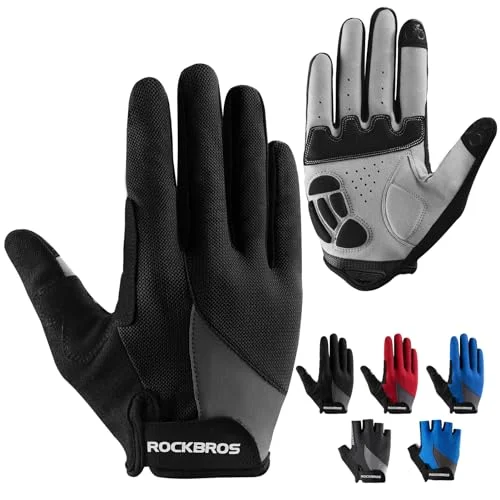
Your hands instinctively reach out to break a fall. Without gloves, road rash on your palms can be severe and slow to heal. Riding gloves protect your knuckles, palms, and wrist bones with reinforced materials and often hard-shell knuckle guards.
Short-cuff gauntlet gloves are fine for city riding; longer-cuff gloves that overlap your jacket sleeve are preferred for highway speeds.
4. Pants
Standard jeans offer almost no abrasion resistance. Riding pants whether leather, textile, or denim infused with Kevlar dramatically reduce the risk of road rash on your hips, thighs, and knees. Most quality riding pants also include CE-rated knee and hip armor.
5. Boots
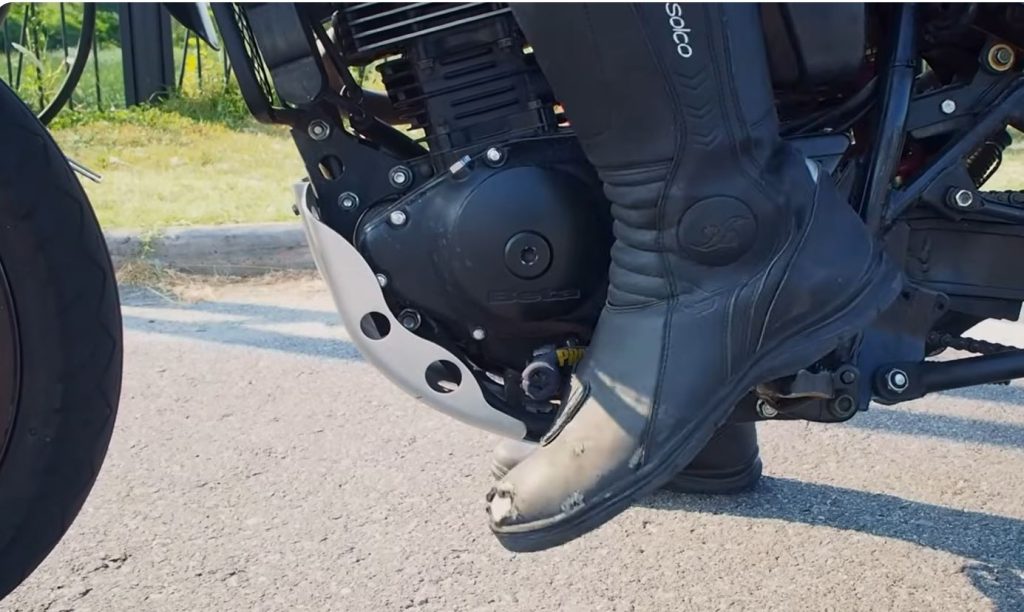
Ankle injuries are among the most common lower-body injuries in motorcycle crashes. Proper riding boots cover and support the ankle, often with internal ankle protection and torsion-resistant construction.
They should have oil-resistant, non-slip soles and close tightly enough to prevent them from coming off in a crash.
Gear Breakdown by Motorcycle Type
Sport Bikes and Supersports
Sport bikes think Yamaha R6, Kawasaki ZX-6R, Ducati Panigale are built for speed and agility.
Riders in this category face higher risk due to speed, and the riding position (hunched forward, weight on the wrists) demands gear with specific construction.
Helmet: A full-face helmet is essentially mandatory here. Look for aerodynamic designs that minimize buffeting at speed. Helmets with emergency quick-release systems (like the MIPS or D-ring chinstrap) are widely preferred.
Jacket: A form-fitting leather jacket or a one-piece leather suit for track days provides the best abrasion resistance at speed. Look for a back protector pocket that accommodates a CE Level 2 spine protector separately from the jacket itself.
A two-piece leather suit that zips together at the waist is a great compromise for riders who do both road and occasional track use.
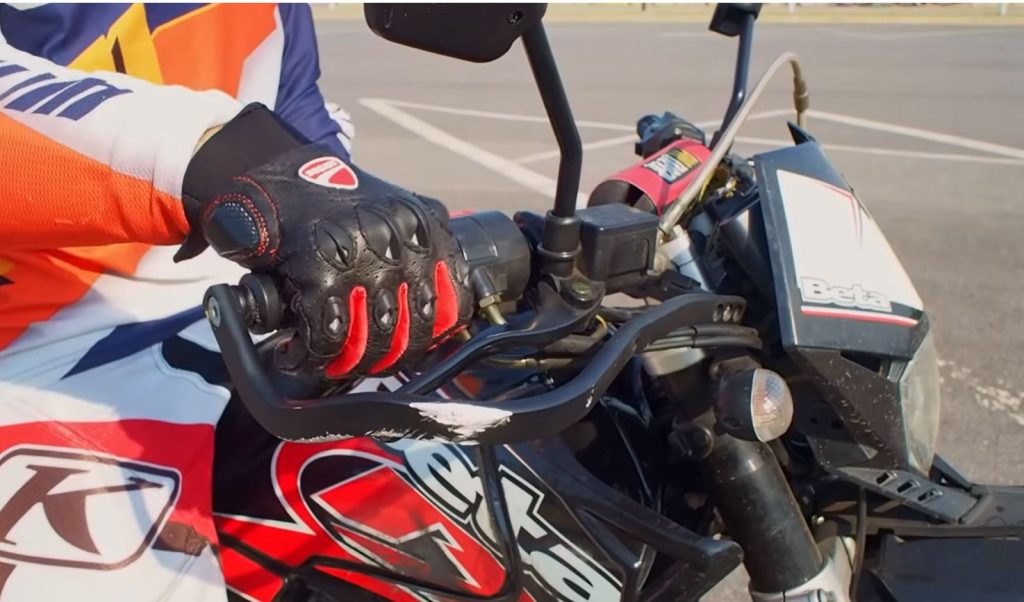
Gloves: Short-cuff racing gloves with carbon fiber or hard plastic knuckle guards. They should fit snugly loose gloves slide during a crash.
Pants: Leather riding pants or a matched jacket-pant combo. Look for CE Level 2 knee armor.
Boots: Race-style boots that are stiff, ankle-supportive, and cover above the ankle. Brands like Alpinestars, Dainese, and SIDI are trusted by track riders worldwide.
Tip for sport bike riders: Consider a back protector as a standalone item even if your jacket has a pocket for one. A jacket-included back pad is rarely CE Level 2 rated straight from the factory.
Cruisers (Harley-Davidson, Indian, Kawasaki Vulcan, etc.)
Cruisers are the bikes of the open road relaxed riding position, lower speeds on average, and a culture that often values style as much as protection. That said, “looking cool” should never come at the expense of basic safety.
Helmet: Many cruiser riders prefer open-face or half-shell helmets for the aesthetic and airflow. If that’s your preference, at minimum choose a DOT-certified open-face with a quality face shield. But a full-face helmet will always offer more protection.
Jacket: Leather jackets are practically synonymous with cruiser culture, and for good reason thick leather is genuinely good at resisting abrasion.
Look for a jacket with CE-certified armor at the elbows, shoulders, and ideally the back. Classic cuts work great; just make sure yours has protection, not just style.
Gloves: Half-gloves are popular in the cruiser community, but they leave your wrist and lower hand exposed. Full-finger leather gloves with wrist closure offer far better protection without sacrificing too much style.
Pants: Leather chaps worn over jeans have been a cruiser staple for decades — and they’re not bad for abrasion resistance. Dedicated leather or Kevlar-reinforced riding jeans offer more integrated protection and a cleaner look.
Boots: Tall leather boots with ankle coverage are the cruiser standard. Engineer boots, cowboy-style riding boots, or classic lace-up styles all offer better protection than sneakers, provided they cover the ankle and have a rigid sole.
Adventure and Dual-Sport Bikes (BMW GS, KTM Adventure, Honda Africa Twin)
Adventure riding is arguably the most gear-intensive type of motorcycling. You might start the day on a smooth highway, hit gravel roads by noon, and be fording a shallow river crossing by afternoon. Your gear needs to handle all of it.
Helmet: An adventure or dual-sport helmet is the ideal choice here. These helmets feature a peak/visor for sun blocking, a wider field of vision, and compatibility with goggles for off-road sections. They’re not as aerodynamically efficient as sport bike helmets, but that’s the trade-off for versatility. Brands like Shoei Hornet ADV, Bell MX-9 Adventure, and Schuberth E2 are well-regarded.
Jacket: A multi-layer textile jacket is the workhorse of adventure riding. Look for a jacket with a removable thermal liner, a waterproof membrane, and excellent ventilation panels. CE Level 2 shoulder and elbow armor is a must. The back protector pocket should fit a full CE Level 2 back protector — this is especially important given the likelihood of off-road falls.
Gloves: Dual-sport gloves that balance protection with dexterity and breathability. Many adventure riders carry two pairs: a lighter summer glove and a waterproof/insulated option for cold or rainy sections.
Pants: Adventure textile pants with CE knee and hip armor, waterproof membrane, and good ventilation. Many adventure riders prefer “over-boot” style pants that fit over the top of their boots to keep water and debris out.
Boots: Adventure boots are specifically engineered for this category. They need to be walkable (you’ll hike to that viewpoint), waterproof, protective, and compatible with foot pegs. Brands like Alpinestars Corozal, Gaerne G-Adventure, and Sidi Adventure 2 are considered benchmarks in the category.
Naked Bikes and Street Fighters (Yamaha MT series, KTM Duke, Triumph Street Triple)
Naked bikes are increasingly popular among riders who want sporty performance without the full commitment of a supersport crouch. They’re versatile, upright-positioned, and often used for both commuting and spirited weekend rides.
Helmet: A full-face helmet remains the best choice. Many naked bike riders opt for a slightly more urban-styled helmet café racer or retro full-face options work well aesthetically and still offer full protection.
Jacket: Either a sporty textile or leather jacket works great here. Given the dual use (commuting and riding), many naked bike riders prefer a textile jacket with removable liner for year-round use.
Gloves: All-season riding gloves with touchscreen-compatible fingertips are a popular choice for commuter-oriented riders. If weekend performance riding is on the agenda, a sportier glove with better hard-knuckle protection is a worthwhile investment.
Pants: Riding jeans reinforced with Kevlar or UHMWPE fibers offer a great balance of on- and off-bike wearability. CE-rated knee armor is essential.
Boots: A mid-height waterproof urban riding boot (like the TCX Street 3 Waterproof or Forma Urbane) is ideal — protective enough for real riding, walkable enough for the rest of your day.
Touring Bikes (Honda Gold Wing, BMW K1600, Harley-Davidson Road Glide)
Touring bikes are built for long-distance comfort. Riders on these machines log serious miles across many hours — and fatigue, changing weather, and highway speeds are the main risk factors.
Helmet: A full-face touring helmet with good noise insulation, an integrated sun visor, and Bluetooth speaker compatibility is ideal. The Schuberth C5, Shoei Neotec II, and Nolan N100-5 are popular in this category.
Jacket: Touring-specific textile jackets often come with the most features: large pockets, excellent waterproofing, reflective panels for night riding, full zip connections to matching pants, and CE Level 2 armor throughout. Brands like Klim, Rev’It, and Held are often favored by serious distance riders.
Gloves: Heated gloves or gloves with liners for long-distance cold-weather riding are a game changer. Look for gauntlet-style gloves with good weatherproofing and wrist straps that keep them from slipping.
Pants: Matched touring pants that zip directly to your jacket create a full suit — eliminating the gap at the waist where wind and rain can enter on long days. CE hip and knee armor, thermal liner, and waterproof membrane are all expected features.
Boots: Tall waterproof touring boots with good ankle protection and enough comfort for long rest stops. The Sidi On Road Gore and Alpinestars Corozal Adventure Drystar are respected options.
Motorcycle Gear Comparison Table
| Bike Type | Helmet Style | Jacket Type | Gloves | Pants | Boots |
|---|---|---|---|---|---|
| Sport Bike | Full-face | Leather/Racing suit | Short-cuff racing | Leather/CE Level 2 | Racing/ankle support |
| Cruiser | Open-face or Full | Leather classic | Full-finger leather | Leather chaps/riding jeans | Tall leather |
| Adventure/Dual-Sport | ADV/Dual-sport | Multi-layer textile | Dual-sport/2 pairs | ADV textile | ADV walkable boots |
| Naked/Street | Full-face | Textile or leather | All-season/sport | Kevlar jeans | Urban mid-height |
| Touring | Full-face modular | Touring textile | Heated/gauntlet | Matched touring pants | Tall waterproof |
Understanding Motorcycle Gear Shift Patterns
If you’re new to motorcycling, you may have searched “what is the 1 N 2 3 4 5 gear pattern” alongside your gear research — and that makes sense because you’re learning everything at once.
Most motorcycles use a sequential, left-foot operated gear shift with the following pattern from bottom to top:
- 1st gear — One tap down from neutral
- N (Neutral) — Between 1st and 2nd gear (a half-click up from 1st)
- 2nd gear — One full click up
- 3rd gear — Another click up
- 4th gear — Another click up
- 5th gear — Another click up (some bikes have a 6th)
In practice, when you start the bike, you’re typically in neutral (confirmed by a green “N” light on the dashboard). Clicking down once engages 1st gear. From there, every full upward click moves you up a gear. Clicking down from 2nd goes back to neutral (or 1st if you click past neutral).
Knowing when to use each gear comes with experience, but as a general rule: use lower gears for acceleration and tight maneuvers, and higher gears for maintaining speed on highways to reduce engine stress and fuel consumption.
How to Know What Gear to Use on a Motorcycle
This is one of the most common questions new riders have, and the honest answer is: it becomes intuitive over time. But here are some practical guidelines to get started.
Listen to your engine. If it’s revving high and straining (a high-pitched whine), you likely need to shift up. If the engine is lugging or struggling when you accelerate (a low, rough vibration), shift down.
Use RPM as a guide. Most street bikes are comfortable between 3,000 and 6,000 RPM for normal riding. Dropping below 2,500 RPM in a higher gear usually means it’s time to downshift. Sport bikes may tolerate and prefer higher RPMs — check your owner’s manual for optimal power band information.
Speed-based rule of thumb (approximate, varies by bike):
- 1st gear: 0–15 mph
- 2nd gear: 15–30 mph
- 3rd gear: 25–45 mph
- 4th gear: 40–60 mph
- 5th/6th gear: 55+ mph
These are rough ranges. Riding style, terrain, and the bike’s power characteristics all affect ideal shifting points. The key is to never let the engine lug (too low RPM for the gear) or over-rev (too high RPM without upshifting).
Gear Buying Tips: What to Prioritize on a Budget
You don’t have to buy everything at once. If you’re just getting started, here’s a priority order that gives you the most protection per dollar:
- Helmet first — Non-negotiable. Buy the best certified helmet you can afford.
- Jacket with armor — Protects your most exposed upper body in a fall.
- Gloves — Inexpensive relative to the protection they offer.
- Boots — Ankle protection is critical and often overlooked.
- Riding pants — Can be added last; riding jeans with Kevlar are a budget-friendly entry point.
Avoid buying uncertified gear. “Motorcycle-style” jackets and helmets without proper certifications (DOT, CE, ECE) offer little real-world protection despite looking the part.
Frequently Asked Questions
1. What is the minimum gear required to ride a motorcycle safely?
At absolute minimum, every rider should wear a DOT or ECE-certified helmet, a jacket with CE-rated elbow and shoulder armor, riding gloves, ankle-covering boots, and pants with knee protection
. While legal minimums vary by region (some states only require helmets), safety experts universally recommend full gear on every ride even short ones. Most serious injuries occur within a few miles of home.
2. Do I need different gear for summer and winter riding?
Yes. Summer riding benefits from mesh textile jackets with large ventilation panels, perforated gloves, and breathable boots.
Winter riding requires insulated, windproof jackets (or a thermal base layer system), waterproof gloves, and boots with insulation.
Many riders invest in a modular gear system a jacket with removable liners and a waterproof membrane cover that adapts across seasons.
3. What does CE Level 2 mean on a riding jacket, and do I need it?
CE (Conformité Européenne) Level 2 is the higher of two certification tiers for motorcycle armor. Level 1 armor transmits up to 18 kN of force in impact testing; Level 2 transmits no more than 9 kN meaning it absorbs significantly more impact energy.
For sport bike riders, track days, or high-speed highway riding, Level 2 armor is strongly recommended. For casual city commuting, Level 1 is acceptable, though Level 2 is always the safer choice if budget allows.
4. Can I wear regular jeans on a motorcycle?
Standard denim offers very little protection — it shreds on asphalt in a fraction of a second at even low speeds. Motorcycle-specific jeans reinforced with Kevlar, Dyneema, or UHMWPE fibers are a much safer alternative and look virtually identical to regular jeans. Always check that riding jeans come with CE-rated knee armor, or that they have pockets to insert aftermarket armor.
5. How do I know when to shift gears on a motorcycle?
The clearest signals are engine sound and feel. If your engine sounds strained, revving high and climbing toward the redline, shift up. If it feels sluggish, rough, or vibrates heavily when you accelerate, shift down. As a beginner, aim to shift up around 4,000–5,000 RPM and down before you drop below 2,500–3,000 RPM. With practice, matching throttle and clutch during gear changes becomes natural and smooth.
Final Thoughts
The best riding gear is the gear you actually wear every single ride. That means choosing equipment that fits your bike type, your climate, your riding style, and yes your budget.
A sport bike racer and a weekend cruiser rider have legitimately different needs, and there’s no single gear combination that serves every rider perfectly.
Start with a certified helmet and a proper jacket. Add gloves, boots, and riding pants as your budget allows.
And as your riding grows in distance, in type, in confidence let your gear grow with it. The investment you make in quality protective equipment is always worth more than you hope you’ll never need it to be.
Ride safe. Gear up every time

- 10 Best Electric Hydraulic Jack For Car Review (October 2026) - October 12, 2026
- 10 Best Electric Jack For Car Review (October 2026) - October 12, 2026
- 10 Best Jack For Electric Vehicle Review (October 2026) - October 12, 2026