How Often Should Motorcycle Riding Gear for Safety?

The short answer is that motorcycle helmets must be replaced every 5 years from the first use (or 7 years from manufacture), while most other gear like jackets and boots should be replaced every 5 to 10 years. However, any gear involved in a crash must be replaced immediately, even if it looks undamaged.
Understanding the “Shelf Life” of Protection
Motorcycle gear is not a “buy it once and forget it” investment. Much like the tires on your bike, the materials in your helmet, jacket, and armor undergo chemical and structural changes over time. Heat, UV rays, sweat, and even the simple passage of time can turn a life-saving barrier into a brittle shell that fails when you need it most.
Why Gear “Expires” Even Without a Crash
- EPS Compression: The expanded polystyrene (EPS) foam in helmets and armor dries out and loses its ability to absorb impact energy.
- UV Degradation: Ultraviolet rays break down the polymers in textile jackets and the resins in helmet shells.
- Chemical Exposure: Gasoline vapors, exhaust, and even human sweat are corrosive to adhesives and liners.
- Material Fatigue: Repeated stretching and bending of leather or fabric thins the material, reducing its abrasion resistance.
The Helmet Rule: 5 Years or 1 Drop
The helmet is the most critical piece of safety equipment, and it has the strictest replacement timeline.
The 5-Year / 7-Year Industry Standard
Most manufacturers (and organizations like the Snell Memorial Foundation) recommend replacing your helmet 5 years after you start wearing it. If the helmet has been sitting on a shelf, it should be retired 7 years after the manufacture date.
Is a 10 or 20-Year-Old Helmet Safe?
No. A 10-year-old helmet is no longer safe to use. Even if it looks pristine, the internal EPS liner has likely become brittle through a process called “off-gassing.” In a crash, a brittle liner will shatter or compress poorly, transferring the full force of the impact directly to your skull. A 20-year-old helmet is effectively a “display piece” only.
When to Replace Jackets, Pants, and Suits
Unlike helmets, there is no hard “expiration date” for clothing, but there are clear signs of safety failure.
Leather vs. Textile Longevity
| Gear Type | Typical Lifespan | Signs of Failure |
| Leather | 10–20+ Years | Cracking, rotting seams, thinning areas. |
| Textile (Cordura/Kevlar) | 5–10 Years | Fraying, sun-bleaching, “crispy” texture. |
| Mesh Gear | 3–5 Years | Significant sagging, loose weaves, UV damage. |
The “Tug Test” for Textile Gear
To check if your 10-year-old textile jacket is still safe, find a seam or a section of fabric and give it several firm, hard tugs. If the fabric tears or the stitching pops, the material has been compromised by UV exposure and won’t hold up in a slide.
Don’t Forget the Armor: The Hidden Expiration
Many riders keep their leather jackets for decades but forget the armor inserts inside. Standard armor (like early CE-rated foam) can harden and lose its “memory effect” in 5 to 7 years.
1. The Squeeze Test: Assessing Molecular Integrity
Armor is designed to manage energy by compressing or hardening at a specific rate. To test this, take the armor out of the jacket or pants and press your thumb firmly into the thickest part.
- The Goal: It should feel firm but pliable, similar to a dense stress ball or a piece of hard rubber.
- The Red Flag: If the armor feels like a brick (completely solid) or, conversely, like a soft kitchen sponge that offers no resistance, the chemical structure has failed. High-heat storage (like a hot garage or car trunk) often causes armor to “bake” and harden prematurely, rendering it useless in a crash.
2. The Bend Test: Checking for Material Fatigue
Flex the armor piece slowly to about a 45-degree angle. This simulates the way the armor must wrap around your joints during a tumble.
- The Goal: The piece should bend smoothly and snap back to its original shape immediately once released.
- The Red Flag: If you hear a “crunching” sound, see visible cracks forming in the material, or if the armor stays deformed (bent) after you let go, it is “dead” foam. This indicates the polymers have become brittle. In a real-world impact, this brittle armor will simply shatter into pieces rather than absorbing the kinetic energy of the pavement.
3. The Visual Inspection: Identifying Structural Decay
Lay the armor on a flat surface under bright light. You are looking for signs of environmental wear and “off-gassing.”
- White “Stress Marks”: These look like pale streaks or lightening of the color in the flex zones. This means the material is over-stretched and likely to tear upon sliding.
- Crumbling Edges: Run your finger along the perimeter of the pad. If small flakes or “dust” come off, the foam is disintegrating due to age or sweat acidity.
- Thinning: Compare the two elbow pads or knee pads. If one is significantly thinner or “flatter” than the other, it has likely been compressed too many times and can no longer provide a safety buffer.
4. The “Safety Reset”: Upgrading to D3O or SAS-TEC
One of the best-kept secrets in motorcycle safety is that you don’t always need a new jacket just because the armor is old. If your leather or heavy-duty textile shell is still in great condition (no frayed seams or thinning), you can perform a Safety Reset.
- Why Upgrade? Many older jackets come with “Tier 1” basic foam. Modern materials like D3O (orange) or SAS-TEC (yellow) are “intelligent” materials. They are soft and flexible while riding but turn rock-hard instantly upon impact.
- The Benefit: These inserts are usually thinner and more breathable than old-school foam, making your old jacket more comfortable while actually increasing your protection to CE Level 2 standards.
- The Cost: A full set of modern limb armor usually costs between $40 and $80, which is a fraction of the price of a new high-end jacket.
Quick Comparison: Armor Levels
| Armor Rating | Protection Level | Best For |
| Non-Rated Foam | Minimal (Abraison only) | Casual fashion jackets (Not recommended) |
| CE Level 1 | Standard (Good) | City commuting and general riding |
| CE Level 2 | High (Best) | Track days, touring, and high-speed safety |
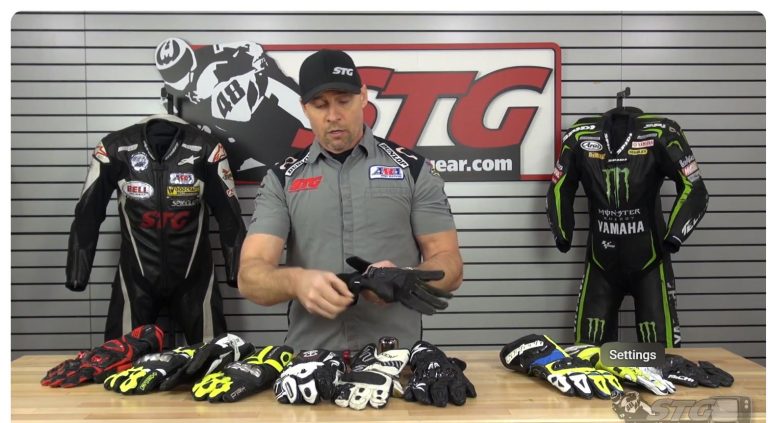
Boots and Gloves: The High-Wear Items
Boots and gloves are in constant contact with the bike and the elements. They often wear out mechanically before they “expire” chemically.
Gloves: The 12,000-Mile Rule
Gloves are thin to provide feel, which makes them vulnerable. Inspect the palms; if the material is 50% thinner than when new, or if you can see your skin through a seam, they will fail within milliseconds of hitting the pavement.
Boots: Sole and Ankle Support
Replace boots if:
- The sole is delaminating (peeling away).
- The ankle area has lost its rigidity (no longer resists twisting).
- The shifter pad has worn through to the inner lining.
FAQ: Real Rider Questions
1. Can I use a helmet that I dropped on the floor?
If it was empty and dropped from seat height, it is usually okay, as there was no weight inside to compress the EPS. However, if it fell from a higher distance or had any weight inside, the internal foam may be crushed. When in doubt, replace it.
2. Does “New Old Stock” (NOS) gear expire?
Yes. If you find a “brand new” helmet in a box that was made in 2018, it already has several years of shelf-life gone. Only buy NOS if the manufacture date is within the last 2 years.
3. How can I make my gear last longer?
Store gear in a cool, dry place away from sunlight and gasoline fumes. Clean leather with specialized conditioners to prevent cracking, and wash textile gear with “Tech Wash” to maintain its protective coatings.
4. Is second-hand gear worth the risk?
Never buy a used helmet. You don’t know its crash history or if it was stored in a hot garage. Used jackets or boots are fine if you inspect the seams and replace the old armor inserts with fresh ones.
5. Why do racing organizations require new gear?
Pro racing groups (like MotoAmerica or FIM) often mandate helmets under 5 years old because they know that even a 1% reduction in impact absorption can be the difference between a concussion and a fatal injury at high speeds.
Summary Checklist for Gear Safety
- Helmets: Replace every 5 years or after any impact.
- Armor: Inspect every 5 years; replace if hard or brittle.
- Leathers: Can last 20 years if conditioned; replace if seams are fraying.
- Textiles: Replace every 5–10 years depending on sun exposure.
- Gloves/Boots: Replace as soon as structural wear or thinning is visible.

- 10 Best Jack For Ford Raptor Review (October 2026) - October 12, 2026
- 10 Best Jack For Ford Ranger Review (October 2026) - October 12, 2026
- 10 Best Jack For F350 Review (October 2026) - October 12, 2026
One Comment