Find the Right Chinstrap Tightness for Safety and Comfort

Finding the right tightness for a chinstrap can greatly affect comfort and performance. Whether for a helmet or a mask, understanding how tight to wear it is crucial. Too loose and it may not provide adequate support; too tight and it can be uncomfortable or restrictive.
Chinstraps should be snug but not uncomfortable. Aim for a fit that allows for two fingers to fit between the strap and your chin. Regularly check for wear and tear to ensure safety and effectiveness.
Understanding the Basics
Understanding how tight a chinstrap should be is crucial for comfort and safety, especially in sports like football or hockey. A properly fitted chinstrap secures the helmet in place, preventing it from shifting during play. This section covers the factors that determine the ideal tightness of a chinstrap.
The ideal tightness of a chinstrap allows for a snug fit without causing discomfort or restricting movement. When fitted correctly, the chinstrap should hold the helmet securely against the head, preventing it from lifting or rotating during activity. To achieve this, adjust the straps so they fit comfortably under the chin while still providing enough tension to keep the helmet stable. A common method is to ensure that you can insert one finger between the chin and the strap. This indicates that the strap is neither too loose nor overly tight.
Regularly check the fit of the chinstrap, especially after prolonged use or after adjusting the helmet. Over time, wear and tear can affect its effectiveness, making it essential to reassess the tightness periodically.
Key Concepts and Fundamentals
Determining the correct tightness of a chinstrap is essential for both comfort and safety. A chinstrap that is too loose can fail to provide adequate support, while one that is too tight can cause discomfort and distractions. This section will clarify the ideal tightness for optimal performance.
The chinstrap should fit snugly against the chin without causing pain or excessive pressure. A good rule of thumb is to ensure that you can fit one or two fingers between the chinstrap and your chin. This allows for proper stabilization while still being comfortable enough for extended wear. The strap should not slide off or shift during movement, which could compromise safety.
Adjustable chinstraps are designed with various settings to accommodate individual preferences. Regularly check the tightness, especially after any physical activity or when adjusting the helmet. If any discomfort occurs, readjust the strap rather than tolerating an improper fit. Remember, the goal is to achieve a balance between security and comfort, ensuring that the chinstrap effectively supports your helmet without causing distractions.
How It Works
Determining the right tightness for a chinstrap is crucial for both comfort and effectiveness. An overly tight strap can cause discomfort or even pain, while a strap that is too loose may not provide adequate support or protection. Understanding the balance is essential for optimal use.
To assess the tightness of a chinstrap, position it so that it fits snugly against the chin without pinching or causing irritation. A good rule of thumb is to ensure there is enough pressure to keep the chinstrap in place during movement, but not so much that it restricts blood flow or causes discomfort. You should be able to fit one or two fingers between the strap and your chin comfortably. This ensures that the strap is secure enough to stay in place but not so tight that it causes undue pressure.
Regular adjustments may be necessary as you use the chinstrap, especially in activities that involve physical exertion. It’s advisable to check the fit periodically to ensure it remains effective throughout its use. By following these guidelines, you can ensure that your chinstrap provides the necessary support while remaining comfortable during use.
Benefits and Advantages
Understanding the appropriate tightness of a chinstrap is crucial for both comfort and safety. A properly adjusted chinstrap enhances performance, ensures proper helmet fit, and decreases the risk of injury during activities such as sports or motorcycle riding. This section highlights the direct benefits of achieving the right tension in your chinstrap.
When a chinstrap is tightened correctly, it minimizes movement, keeping the helmet securely in place. This stability is vital for maintaining protection against impacts. A loose chinstrap may allow the helmet to shift during sudden movements, reducing its effectiveness. Conversely, an overly tight chinstrap can cause discomfort, leading to distractions or even headaches.
Finding the right balance ensures that the chinstrap is snug without being painful. This comfort promotes longer wear periods, allowing users to focus on their activity rather than the fit of their gear. Additionally, a well-fitted chinstrap can contribute to a more streamlined appearance, improving overall confidence during performance.
Overall, the right chinstrap tightness not only enhances safety and comfort but also positively affects the user’s experience, making it essential to adjust correctly for optimal performance.
Practical Applications
Understanding how tight a chinstrap should be is crucial for both safety and comfort. An improperly adjusted chinstrap can lead to distractions during activities, potentially increasing the risk of injury. Here are some practical considerations for achieving the right fit.
Begin by placing the chinstrap under your chin and adjusting it to ensure it sits snugly without discomfort. The strap should not inhibit your ability to speak or breathe easily. A good rule of thumb is to ensure that you can fit one finger comfortably between your chin and the strap. If you can fit more than one finger, the strap may be too loose, while no space could indicate it’s too tight.
For specific activities, such as sports or cycling, consider the type of helmet being used. Some helmets come with guidelines or markings to help determine the optimal tightness. Always check the manufacturer’s recommendations for adjustments, as this can vary between different brands and models.
Regularly inspect and adjust the chinstrap as needed, especially after extended use or if you notice any discomfort. A well-fitted chinstrap enhances safety and allows you to focus on your performance without distractions.
Expert Tips and Best Practices
Determining the appropriate tightness for a chinstrap is essential for optimal performance and safety. A chinstrap that is too loose may fail to keep the helmet securely in place, while one that is too tight can cause discomfort and distractions. Follow these guidelines to achieve the right balance.
To test the tightness of your chinstrap, perform the following checks:
- Two-Finger Rule: You should be able to fit two fingers comfortably between the strap and your chin. This ensures that the strap is snug but not overly tight.
- Movement Check: With the chinstrap secured, shake your head gently side to side and up and down. The helmet should remain stable without excessive movement.
- Comfort Test: Wear the helmet with the chinstrap fastened for a short period. If you experience any pain or significant pressure points, readjust the tightness.
Regularly inspect the chinstrap for wear and tear, as frayed straps can compromise safety. Adjust the tightness as needed based on your comfort and activity levels. Proper adjustment can enhance both safety and performance, ensuring that your helmet functions as intended during use.
Real-World Examples
Understanding how tight a chinstrap should be can be clarified through practical examples from various activities. These scenarios illustrate the optimal tightness needed for safety and comfort.
In competitive sports like football, players often adjust their chinstraps to ensure that their helmets stay securely in place during intense gameplay. A chinstrap that is too loose may result in the helmet shifting, increasing the risk of head injuries. Conversely, a chinstrap that is overly tight can cause discomfort and distractions, hindering performance.
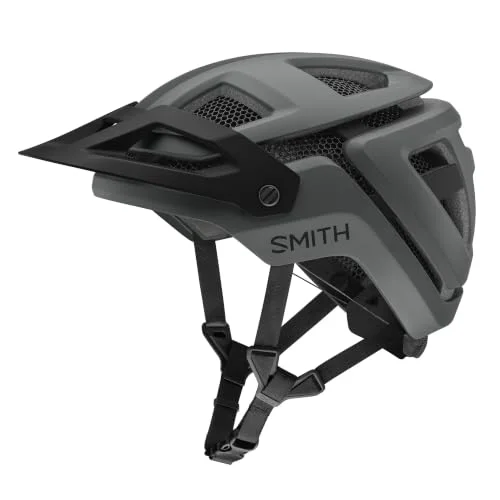
For cyclists, chinstraps on helmets must be snug, allowing for a secure fit without excessive pressure. Riders often test the fit by shaking their heads; if the helmet moves significantly, they know the chinstrap needs to be tightened. On the other hand, if they experience pain or chafing, it indicates that the strap is too tight.
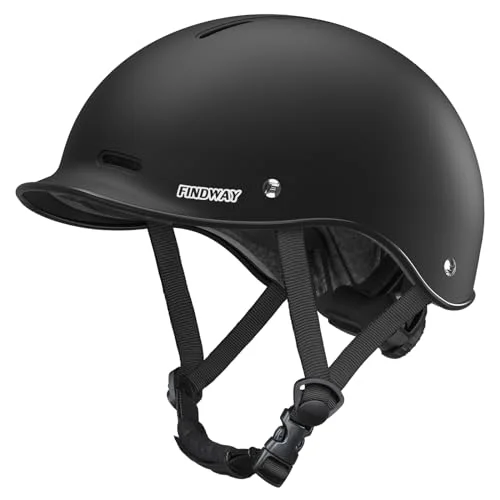
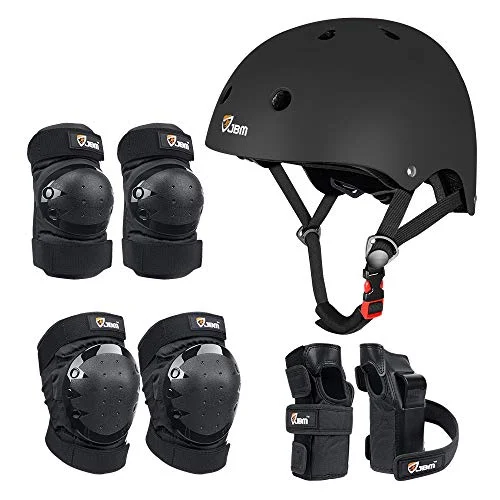
In recreational activities such as skateboarding, the balance between safety and comfort is critical. Skaters prefer a snug chinstrap that holds the helmet securely while allowing for easy removal. They often adjust the tightness based on their comfort level during tricks or stunts.
These examples highlight the importance of finding the right balance in chinstrap tightness for various activities, ensuring both safety and comfort for users.
Getting Started
The final step in determining how tight a chinstrap should be involves understanding the balance between security and comfort. An ideal chinstrap should hold the helmet firmly in place without causing discomfort or restricting movement. Proper adjustment is key to ensuring safety while maintaining ease of use.
To assess the tightness, first, fasten the chinstrap and ensure it sits snugly against your chin. You should be able to fit one or two fingers between your chin and the strap. If it’s too loose, it won’t provide adequate protection; if it’s too tight, it could cause discomfort and distraction. Adjust the straps so that they sit evenly on both sides of your face, maintaining a symmetrical fit.
After adjusting, perform a few movements—nodding, tilting your head, or shaking it gently—to test the stability of the helmet. The chinstrap should keep the helmet securely in place without shifting. If you experience any discomfort or if the helmet shifts during movement, readjust the strap until you achieve an optimal fit. Regular checks are advisable, especially after extended use, to ensure the chinstrap remains adjusted correctly.
Quick Summary
- The chinstrap should be snug but not overly tight to avoid discomfort.
- A well-fitted chinstrap helps prevent helmets from shifting during activity.
- Check for a finger’s width of space between the chin and the strap for optimal fit.
- Ensure the strap does not pinch or irritate the skin.
- Regularly adjust the chinstrap as needed, especially during prolonged use.
- Consult manufacturer guidelines for specific fit recommendations.
- A properly adjusted chinstrap enhances safety and performance while wearing a helmet.
Frequently Asked Questions
How tight should a chinstrap be for optimal safety?
A chinstrap should be snug enough to keep your helmet securely in place without causing discomfort. You should be able to fit one finger between the chinstrap and your chin, which ensures it’s tight but not overly restrictive.
What happens if the chinstrap is too loose?
If the chinstrap is too loose, it can allow the helmet to shift during an impact, reducing its effectiveness in protecting your head. This can lead to serious injuries, as the helmet may not absorb shock properly.
Can a chinstrap be adjusted for comfort?
Yes, most chinstraps come with adjustable features to enhance comfort while maintaining safety. It’s important to find a balance between snugness and comfort to ensure the chinstrap stays in place during use.
How often should I check the tightness of my chinstrap?
You should check the tightness of your chinstrap every time you put on your helmet, especially after extended use or after washing it. Regular checks ensure that it remains effective and comfortable over time.
Are there different types of chinstraps for different activities?
Yes, chinstraps can vary based on the activity for which the helmet is designed, such as biking, skating, or motorcycling. Make sure to choose a chinstrap that is suitable for your specific sport or activity to ensure proper fit and safety.

- 10 Best Electric Hydraulic Jack For Car Review (October 2026) - October 12, 2026
- 10 Best Electric Jack For Car Review (October 2026) - October 12, 2026
- 10 Best Jack For Electric Vehicle Review (October 2026) - October 12, 2026