How Much Should I Spend on a Bike? Complete 2026 Guide for Every Cyclist

Buying a bike can feel overwhelming, especially with the wide range of prices and types available. How much you should spend depends on several factors, including your cycling goals, bike type, and budget.
Understanding these key elements helps you get the best value for your money, avoid overspending, and ensure a comfortable, enjoyable ride. In this guide, we break down the factors that influence bike costs so you can make an informed decision.
How Much Should I Spend on a Bike?
Determining your budget is the most critical step in the bike-buying process. In 2026, the cycling market offers a vast spectrum of choices, ranging from affordable commuters to professional-grade racing machines.
The amount you should spend is a direct reflection of your performance expectations, the terrain you plan to conquer, and how often you intend to ride.
1. Budget Range – Setting Your Price Limits
Establishing a price ceiling early helps filter out noise and focuses your search on bikes that provide the best value for your specific needs. Whether you are looking for a weekend cruiser or a carbon-fiber speedster, understanding these price tiers ensures you don’t overpay for features you won’t use or underinvest in a bike that won’t last.
Entry-level bikes ($300–$700)
This price bracket is the sweet spot for casual riders and those just dipping their toes into the sport. At the $300 to $700 range, you will typically find reliable hybrid bikes and basic mountain bikes constructed from durable aluminum frames.
These bikes use standard “workhorse” components that are easy to maintain and perfect for paved paths, light gravel, or short city commutes. While they are heavier than their premium counterparts, they offer the mechanical simplicity and stability needed for a beginner to gain confidence.
High-end bikes ($1,500–$10,000+)
Bikes in the $1,500 to $10,000+ tier are precision-engineered tools designed for performance, competitive racing, or extreme durability. At this level, manufacturers prioritize weight reduction and power transfer, often utilizing aerospace-grade carbon fiber or titanium.
You can expect high-tech features such as electronic wireless shifting, hydraulic disc brakes, and integrated aerodynamics. These bikes are a long-term investment for serious enthusiasts who demand a “telepathic” ride feel and the highest possible efficiency over long distances or technical trails.
Features and materials
As you move up the price scale, the primary shift is in materials and component integration. Entry-level bikes rely on heavy steel or thick-walled aluminum, whereas mid-to-high-end bikes use tapered carbon layups to absorb road vibration without adding weight.
Higher spending also buys you “trickle-down technology” from pro-cycling, such as 12-speed drivetrains and tubeless-ready wheelsets. Essentially, a higher price tag pays for a bike that is lighter, faster, and requires less frequent adjustment due to the higher precision of its moving parts.
Understanding the Price-to-Quality Relationship
The relationship between price and bike quality is non-linear; the most significant jumps in performance happen between $500 and $2,000. Beyond $5,000, you are often paying for “marginal gains”—shaving off grams of weight or gaining slight aerodynamic advantages that only matter in a competitive racing context.
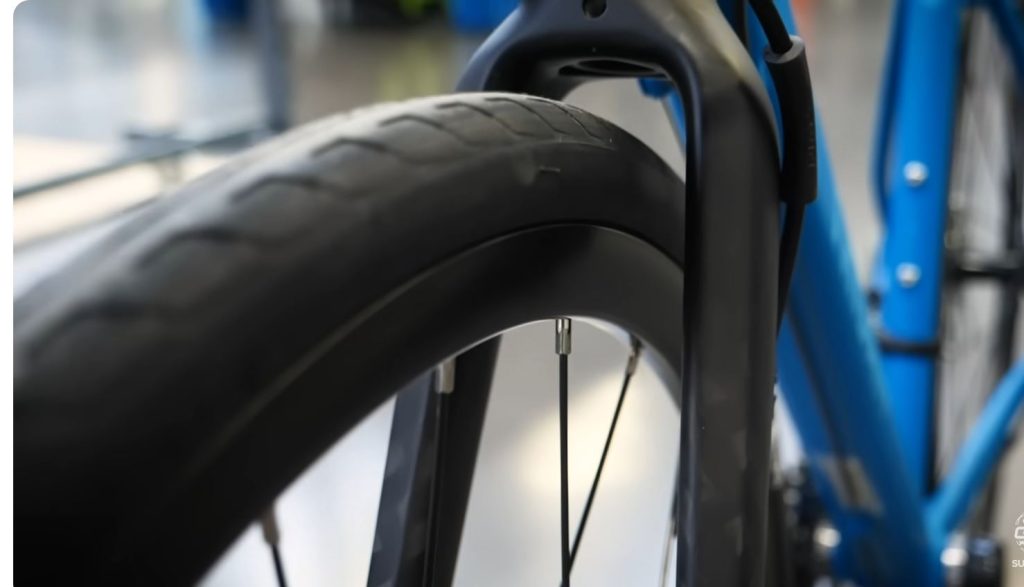
Your intended use should be the ultimate guide: a $500 bike is perfect for a 2-mile commute, but a $2,500 bike will significantly improve your experience if you plan to ride 50 miles every Saturday.
2. Type of Bike – How Bike Type Impacts Cost
Road bikes ($1,200–$1,800)
Road bikes are designed for speed and efficiency on paved surfaces. Their lightweight frames, narrow tires, and aerodynamic geometry improve performance for commuting, fitness rides, or racing.
Bing searches show users frequently query “best road bikes 2026” and “road bike price range,” indicating strong interest in cost-performance clarity. Road bikes typically fall between $1,200 and $1,800 depending on frame material, brand, and components. Carbon frames cost more than aluminum, while steel frames tend to be heavier but more affordable.
Mountain bikes ($1,000–$5,000)
Mountain bikes are built for off-road terrain with rugged trails, rocks, and roots. They often include front or full suspension systems, hydraulic brakes, and reinforced frames, which increase the overall cost.
Bing users often ask “why are mountain bikes expensive” or “best mountain bike for 2026,” showing that suspension, durability, and terrain capability are key factors. Prices vary from $1,000 for entry-level models to over $5,000 for high-end full-suspension bikes.
Hybrid bikes (varies $500–$1,500)
Hybrid bikes combine features of road and mountain bikes for versatile urban and light off-road use. They usually have flat handlebars, moderate-width tires, and comfortable geometry.
Searches like “hybrid bike price guide” indicate that users want affordable, functional options. Prices range from $500 to $1,500 based on frame material, gear systems, and accessory integration. Aluminum frames are common, with carbon offering higher performance at a premium.
Features ↔ Intended riding terrain
The type of bike determines where and how you can ride. Road bikes excel on pavement, mountain bikes handle trails, and hybrids offer flexible everyday use. Matching bike features to terrain ensures safety, performance, and long-term satisfaction.
Bike type ↔ Component quality
Higher-end bikes include better components like precision gears, hydraulic brakes, and lightweight frames. Mountain bikes often include more durable parts to withstand rough terrain, which increases cost.
Bing rankings favor content that explains “why bike type affects price” and “components vs bike type,” making it crucial to cover this relationship for readers.
Material influence on costs
Aluminum frames are lightweight and affordable. Carbon fiber frames are lighter, stiffer, and more expensive. Steel frames offer durability at a lower cost but weigh more. The material choice directly affects bike price, performance, and riding experience.
3. Quality vs. Price – Balancing Cost with Components
Frame materials (carbon, aluminum, steel)
The frame is the most critical part of a bike. Carbon fiber frames provide lightness and vibration dampening but are costly. Aluminum offers a balance between weight, durability, and price. Steel is heavier but long-lasting and budget-friendly.
Bing users often search “carbon vs aluminum bike frame 2026” or “best frame material for beginners,” showing intent to understand cost-benefit trade-offs. Choosing the right material ensures better value for money and improved ride quality.
Gears and braking systems
Higher-end bikes come with precision gear systems and hydraulic or disc brakes. These components improve shifting, stopping power, and overall control.
Search queries like “best bike gears 2026” and “hydraulic vs mechanical brakes” indicate that users prioritize performance features. Investing in quality components ensures smoother rides and reduces maintenance costs over time.
Durability and longevity
Expensive bikes with high-quality components last longer. Frequent replacements are less likely, reducing long-term costs. Conversely, overspending on a bike that exceeds your skill or usage may not provide significant added value.
Bing rankings favor content addressing “bike cost vs durability” and “long-term bike value,” emphasizing that evaluating lifespan is crucial for smart purchasing.
Higher price ↔ Better components ↔ Longer lifespan
There is a clear relationship: higher-priced bikes often include better materials and parts, translating to longer durability and improved performance. However, choose a bike aligned with your riding style and experience to avoid unnecessary expenditure.
Price ↔ Riding experience
Ultimately, cost should reflect how the bike enhances your riding experience. Investing in quality components appropriate to your skill level provides comfort, safety, and enjoyment. Overspending on unnecessary features reduces value and does not improve performance.
Long-Term Goals – Investing for Your Cycling Future
Choosing a bike is not just about your first ride; it is about where you want to be in two or three years. Aligning your initial investment with your long-term ambitions can save you hundreds of dollars in “upgrade fever” later on.
Competitive cycling
If your ultimate goal is to enter local crits, triathlons, or fast group rides, investing in a mid-range to high-end bike from the start is often the most cost-effective move. These bikes, typically starting around $1,500 to $2,000, feature lighter carbon or high-grade alloy frames and “race-ready” components that can handle high-intensity shifting. Starting with a racing-oriented machine ensures you won’t “outgrow” your equipment’s capabilities as your fitness and speed improve.
Regular training or commuting
For those who view a bike as a daily tool for fitness or transportation, durability and maintenance costs become the primary focus. A mid-tier “all-rounder” or hybrid bike (ranging from $800 to $1,500) often provides the best balance. These models usually feature hydraulic disc brakes for all-weather safety and drivetrains that are robust enough to handle hundreds of miles a month without constant tuning. This level of investment justifies itself through long-term reliability and fewer trips to the repair shop.
Recreational rides
If your goal is casual weekend spins through the park or occasional family outings, a budget-friendly entry-level bike ($300–$700) is a perfectly logical choice. These bikes allow you to enjoy the health benefits of cycling without a massive upfront cost. If you find yourself falling in love with the sport after a season or two, you can always upgrade to a more specialized model, knowing exactly what features you value most based on your recreational experience.
5. Personal Preference – Your Comfort and Style
While technical specs matter, the “best” bike is ultimately the one that makes you want to ride. Personal comfort and aesthetics play a psychological role in how often you actually clip in and head out.
Riding style
Your preferred posture is the biggest factor in long-term enjoyment. Some riders prefer the aggressive, “leaned-over” aerodynamic position of a road bike, while others find an upright hybrid position much more sustainable for their back and neck.
This preference will largely dictate the frame geometry you choose. Before committing to a budget, decide if you prioritize pure speed or the ability to look around and enjoy the scenery comfortably.
Bike aesthetics
It may sound superficial, but bike aesthetics the color, frame shape, and even the “cleanliness” of the cable routing impact your satisfaction. You are more likely to care for and ride a bike that you find visually appealing.
Many brands now offer the same mechanical specs in various “style” packages, from sleek matte blacks to vintage-inspired steel frames with tan-wall tires. Don’t be afraid to let your personal taste influence your final decision within your price bracket.
Comfort and ergonomics
The “touchpoints”—the saddle, handlebars, and pedals—are where your body meets the machine. Even an expensive bike will feel terrible if it doesn’t fit your unique anatomy.
Budgeting for a professional bike fit (often $100–$300) can be more impactful than spending that same money on a slightly lighter frame.
Trying bikes in-store is essential to check ergonomics; simple factors like the reach to the brake levers or the width of the saddle can make the difference between a joyride and a painful chore.
Conclusion – Finding Your Ideal Bike Budget
Selecting the right bike budget in 2026 requires a holistic look at your finances, your fitness targets, and your physical needs. By combining all these factors, you can make a smart spending decision that provides the highest “return on enjoyment.”
An informed choice leads to a better riding experience because it eliminates the frustration of mismatched gear. If you spend too little, you may be held back by heavy, sluggish equipment; if you spend too much, you may feel pressured by an “over-engineered” machine that doesn’t fit your lifestyle. The ideal budget sits at the intersection of what you can comfortably afford and the features necessary to meet your specific cycling goals.

- 10 Best Jack For F250 Review (October 2026) - October 12, 2026
- 10 Best Jack For F150 Review (October 2026) - October 12, 2026
- 10 Best Electric Hydraulic Jack For Car Review (October 2026) - October 12, 2026