How to Prepare Your Bicycle for Long-Term Storage (Winter Bike Storage Guide)

Storing a bicycle for the long term especially during winter requires more than just parking it in a corner. Without proper preparation, moisture, dirt, and lack of maintenance can lead to rust, corrosion, flat tires, and costly repairs.
Whether you’re preparing your bicycle for winter storage or simply won’t be riding for several months, following a systematic storage process will help preserve your bike’s performance, appearance, and lifespan.
This guide explains exactly how to store a bicycle long-term, step by step.
1. Why Long-Term Bicycle Storage Preparation Matters
Long-term bike storage
Long-term bike storage means leaving a bicycle unused for weeks or months, often during winter or extended breaks. Without proper preparation, stored bikes are vulnerable to damage that affects performance and safety.
Bing users frequently search “how to store a bike long term” and “long-term bicycle storage tips,” showing strong intent for preventive maintenance guidance. Correct storage preparation protects critical components and preserves ride quality.
Bicycle maintenance
Long-term storage is part of bicycle maintenance, not separate from it. Maintenance before storage prevents small issues from becoming expensive repairs later.
Regular upkeep before storage ensures smooth operation when the bike is used again. This aligns with Bing queries like “bike maintenance before winter storage.”
Corrosion and rust
Corrosion and rust are the biggest threats during long-term storage. Moisture, humidity, and leftover road salt accelerate metal deterioration.
Poor storage leads directly to rusted chains, seized bolts, and damaged bearings. Proper preparation significantly reduces corrosion risk and extends component life.
Prevents corrosion and seized components
Cleaning, drying, and protecting metal surfaces prevents moisture from settling. This keeps bolts, gears, and cables from seizing during storage.
Reduces repair costs
Preventive storage preparation reduces the need for part replacement. Rust-free components last longer, saving money on repairs and upgrades.
Keeps bike ready for next season
A properly stored bike requires minimal work to ride again. This convenience improves consistency and encourages riders to return confidently next season.
2. Clean and Dry the Bicycle Thoroughly
Bicycle cleaning
Thorough bicycle cleaning removes dirt, grime, and contaminants that trap moisture. Cleaning is the first step in effective rust prevention.
Bing searches like “how to clean a bicycle properly” and “best way to clean bike before storage” highlight the importance of this step.
Dirt, moisture
Dirt combined with moisture creates an ideal environment for corrosion. Road grime and salt hold water against metal surfaces, accelerating rust formation.
Removing these contaminants is critical for long-term protection.
Rust prevention
Rust prevention starts with a clean surface. Protective oils and coatings work only when applied to dry, dirt-free components.
This directly answers Bing queries related to “prevent bike rust in storage.”
Wash frame, drivetrain, wheels, and brakes
Cleaning should include the entire bike. Wash the frame, drivetrain, wheels, and braking surfaces. Pay special attention to the chain, cassette, and derailleurs, where dirt accumulates quickly.
Remove grease and road salt
Old grease mixed with dirt traps moisture. Removing it ensures that fresh lubrication can be applied effectively before storage.
Fully dry the bike before storage
Drying the bike completely is essential. Use clean cloths or allow air drying in a low-humidity space. Storing a damp bike increases corrosion risk, even in indoor environments.
ubricate All Moving Parts
A bicycle is a machine of friction, and without a protective barrier, humidity can turn precision components into a seized mess. Proper lubrication before storage ensures that the delicate metal surfaces remain separated from the oxidizing effects of the air.
Chain lubrication
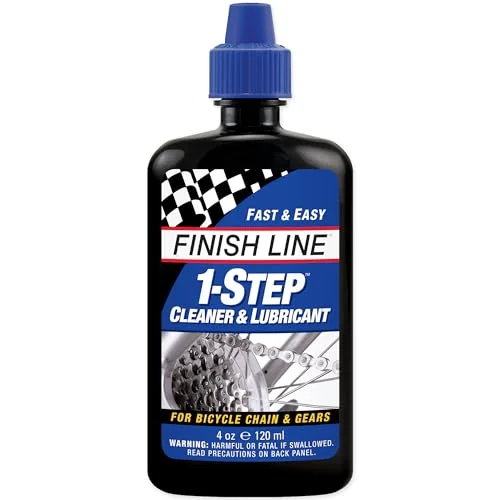
The bike drivetrain is the most vulnerable part of your bicycle. To prepare for storage, apply a high-quality lubricant to each individual link of the chain while rotating the pedals backward. This allows the oil to penetrate the internal rollers where rust is most likely to form. A well-lubricated chain prevents the links from “freezing” or developing stiff spots that cause skipping when you return to the road in the spring.
Gears and cables
Smooth operation depends on the free movement of your gears and cables. Apply a drop of light oil to the derailleur pivot points and any exposed sections of inner shifter or brake cables. This prevents the steel cable strands from corroding inside their housing, which is a common cause of sluggish or “ghost” shifting after a long period of inactivity.
Wipe off excess oil
The most common mistake in bike maintenance is over-lubrication. After applying oil, let it sit for a few minutes, then use a clean rag to wipe away the excess from the outside of the chain and components. Excess oil does not provide extra protection; instead, it acts as a magnet for dust and storage grime, creating a thick, abrasive paste that can wear down your gears once you start riding again.
Protect the Frame and Metal Components
The bicycle frame is the skeleton of your machine, and whether it is made of aluminum, carbon, or steel, it requires a defensive layer to maintain its structural integrity and aesthetic finish during the off-season.
Protective wax
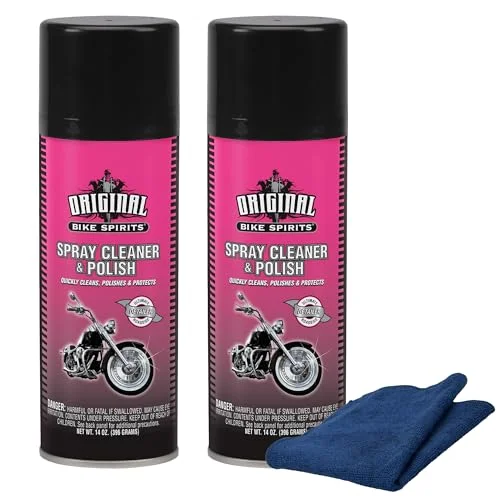
Applying a dedicated protective wax or frame polish is the best way to shield your paint from moisture and dust. Rub the wax onto the frame using a microfiber cloth to create a hydrophobic barrier. This coating ensures that any condensation that forms in a garage or basement will bead off the surface rather than sitting on the paint and causing “spider-web” corrosion or clear-coat bubbling.
Corrosion-resistant spray
For the intricate metal bits, use a corrosion-resistant spray on non-braking surfaces. Lightly coat the heads of bolts, the seat post (if metal), and the quick-release levers. These small parts often have thin plating that is the first to show signs of oxidation. A quick spray acts as an invisible shield against the humid air that can penetrate even the best storage covers.
Extra care for steel frames
Steel frames require specialized attention because they are susceptible to internal rust. If you have a high-quality chromoly or steel bike, consider spraying a “frame saver” or fogging oil inside the tubes through the vent holes. This protects the raw steel on the inside of the frame where paint cannot reach, preventing the hidden structural “rot” that can ruin a classic bicycle over time.
Inspect and Replace Worn Parts Before Storage
The best time to fix your bike is before you put it away. By addressing maintenance issues now, you ensure that your first ride of the next season is safe and that small problems don’t turn into permanent damage during the winter.
Brake pads and chain wear
Perform a thorough check of your brake pads and look for the wear-indicator grooves. If they are nearly flat, replace them now so the metal shoes don’t accidentally scratch your rims later. Use a chain checker tool to measure chain stretch. A worn-out chain will slowly “eat” into your expensive cassette and chainrings while in storage; replacing a $30 chain today can save you from a $200 drivetrain replacement in the future.
Tires and cables
Inspect your tires for “dry rot” or small cracks in the sidewalls, which can worsen when left in a fixed position. Similarly, look for frayed cables near the anchor bolts. Cold temperatures can cause stressed, frayed cables to finally snap. Replacing these parts before storage means you won’t have to wait in a long “spring rush” line at the local bike shop when the weather finally turns nice.
Address issues before storage, not after
Proactive maintenance prevents future failure. Dirt and grit left on moving parts can become “baked on” over time, making them much harder to clean later. By performing a full mechanical inspection now, you guarantee mechanical reliability and a safer riding experience the moment you pull the bike out of the shed next year.
Prepare Tires and Wheels for Storage
Your tires and wheels are under constant pressure, and leaving them neglected for months can lead to permanent structural deformation or rubber degradation.
Tire pressure
Even when not in use, bicycle tires naturally lose air over time. Before storage, inflate your tires to their maximum recommended pressure. This helps the tire maintain its round shape and prevents the weight of the bike from crushing the sidewalls. If the pressure drops to zero while the bike is sitting on the ground, the rubber can develop permanent “cracks” or “flat spots” that make the ride bumpy and unsafe later.
Wheel deformation
To protect your wheel integrity, the ideal storage method is to hang the bike by its frame or use a dedicated wall hook. This removes all weight from the tires and spokes. If you must store the bike on the floor, using a floor stand that holds the bike by the axle or frame is a better alternative than letting it rest on its own rubber.
Rotate wheels occasionally
If your bike must stay on the ground, make a note to rotate the wheels every few weeks. Moving the contact point prevents the weight from concentrating on one section of the tire and rim. This simple habit keeps the internal tubes from sticking to the inside of the tire and ensures that your wheels remain perfectly true and ready for action.
Storage Preparation Checklist
| Component | Action | Benefit |
| Drivetrain | Deep clean and re-lube | Prevents rust and chain seizure |
| Frame | Apply wax/protectant | Shields paint from moisture and dust |
| Tires | Inflate to max PSI | Prevents sidewall cracking and flat spots |
| Cables | Light oil on exposed wires | Ensures smooth shifting and braking |
| Bolts | Coat with anti-corrosion spray | Prevents unsightly surface rust |
Choose the Best Location for Long-Term Bike Storage
Selecting the right environment is the most critical factor in preventing the slow decay of your bicycle’s components. Metal and rubber are highly sensitive to environmental stressors, and a poor choice of location can lead to a costly repair bill when the riding season returns.
Garage, shed, indoor storage
A climate-controlled indoor storage area, such as a spare room or a finished attic, is the gold standard for your bicycle. If you must use a garage or shed, ensure it is well-ventilated and structurally sound. These unheated spaces are susceptible to temperature swings, which can cause condensation to form on the cold metal of your frame. Ideally, the bike should be kept off the floor and away from windows where direct sunlight can degrade tire rubber and fade the paint.
Humidity control
The silent killer of a parked bike is moisture. High humidity control is essential because damp air leads to corrosion on the chain, bolt heads, and cable internals. If your only storage option is a basement or a garage that feels “damp,” you should use a portable dehumidifier to maintain a moisture level below 50%. This prevents the growth of mold on the saddle and handlebar tape, while also stopping the oxidation process that turns a silver chain into a rusted one.
Dry environment → Corrosion prevention
A consistently dry environment ensures that the lubricants you applied stay in place and don’t wash away through condensation. Avoid storing your bike near laundry machines, water heaters, or open bags of fertilizer or pool chemicals. The fumes from these chemicals are highly corrosive and can eat through the finish of an aluminum or carbon frame in just a few months. Keeping the bike in a “cool, dry, and dark” place is the simplest way to guarantee its longevity.
How to Store Bikes During Winter
Winter presents a unique set of challenges, combining extreme cold with heightened moisture levels. Winter bike storage requires a defensive mindset to protect the “soft” components of your bicycle from the harsh seasonal elements.
Cold temperatures and material stress
Extremely cold temperatures can cause materials like plastic and rubber to become brittle. While a metal frame can handle the cold, your tires, hydraulic brake lines, and seals can contract and crack. If possible, avoid outdoor winter storage entirely; a balcony or an unshielded yard is the worst place for a bike. If you have no choice but to store it in a cold shed, ensure the bike is fully tuned and the tires are inflated to keep the rubber from freezing in a deformed shape.
Indoor storage → Better preservation
Whenever possible, prioritize indoor storage for better preservation. Keeping the bike at a stable room temperature prevents the expanding and contracting of fluids in hydraulic disc brakes, which can otherwise lead to seal leaks. If you are storing the bike inside a house, keep it away from direct heat sources like radiators or space heaters. Intense, dry heat can dry out leather saddles and cause tires to “rot” prematurely by stripping the rubber of its essential oils.
Seasonal storage best practices
For seasonal storage, use a breathable fabric bike cover if the area is prone to dust. Dust might seem harmless, but it absorbs moisture from the air and holds it against the metal, acting like a damp sponge. By shielding the bike from the elements and maintaining a stable temperature, you ensure that the grease in your bearings remains soft and the frame remains free of the “bubbling” paint common in poorly stored winter bikes.
Cover and Secure the Bicycle
Once you have found the perfect location, the final step is to shield the bike from physical grit and ensure it remains exactly where you left it.
Bike cover and dust protection
A high-quality bike cover serves as a barrier against dust protection and accidental scratches. However, the material of the cover matters immensely. Use a breathable bike cover made of cotton or a specialized synthetic weave that allows air to circulate. This prevents a “greenhouse effect” where moisture is trapped inside the cover. Never use plastic tarps, as they trap humidity against the bike, creating a perfect environment for rust to flourish in total darkness.
Security and theft prevention
Physical security should not be ignored, even for a secure bike stored inside your home or garage. If you are storing your bike in a shared apartment basement or a common garage area, lock the frame to a permanent fixture using a high-quality U-lock. Thieves often target storage areas in the off-season because they know people aren’t checking on their gear daily. A locked bike is a much less attractive target and provides peace of mind throughout the long winter months.
Cleanliness for long-term satisfaction
A covered bike is much easier to return to service. When spring arrives, you can simply pull off the cover and start riding, rather than spending hours scrubbing off a layer of sticky garage grime. The combination of a breathable shield and a sturdy lock ensures that your investment remains in “showroom” condition and is ready for the first warm day of the new year.
Bike Storage Location Comparison
| Location | Temperature | Humidity | Security | Overall Rating |
| Indoor Room | Stable | Low | High | ⭐⭐⭐⭐⭐ |
| Finished Basement | Stable | Moderate | High | ⭐⭐⭐⭐ |
| Attached Garage | Variable | Moderate | Moderate | ⭐⭐⭐ |
| Unheated Shed | Variable | High | Low | ⭐⭐ |
| Outdoor Balcony | Extreme | High | Very Low | ⭐ |
FAQs
How do you store a bicycle long-term without damage?
To store a bicycle long-term without damage, clean and dry it thoroughly, lubricate moving parts, protect the frame from corrosion, inflate tires properly, and store it in a dry, cool location away from moisture.
FAQ 2: Is it okay to store a bike in a garage during winter?
Yes, a garage is suitable for winter bike storage if it is dry and protected from moisture. Avoid unheated garages with high humidity unless you use a dehumidifier.
FAQ 3: Should I hang my bike or store it on the ground?
Hanging a bike is ideal for long-term storage as it prevents tire flat spots and saves space. If storing on the ground, keep tires inflated and rotate wheels occasionally.
FAQ 4: Do I need to lubricate my bike before storing it?
Yes. Lubricating the chain, cables, and moving parts before storage helps prevent rust and ensures smooth operation when you start riding again.
FAQ 5: Can I store my bike outside for long-term storage?
Outdoor long-term storage is not recommended. Exposure to rain, humidity, and temperature changes can cause rust, tire degradation, and component damage.
Conclusion: Store Your Bicycle the Right Way
Long-term storage
Long-term storage is more than parking a bike and forgetting it. It is an extension of proper bicycle care that protects performance, safety, and component lifespan.
Bing users often search “best way to store a bicycle long term” and “bike storage for winter,” showing strong intent for practical, damage-preventing guidance. Correct long-term storage ensures the bike remains functional and ready to ride.
Bicycle care
Bicycle care during storage focuses on prevention. Cleaning, drying, and protecting components keeps rust, corrosion, and wear from developing while the bike is unused.
Consistent care reduces mechanical issues and preserves ride quality when the bike is taken out again.
Seasonal maintenance
Seasonal maintenance connects storage preparation with future performance. Bikes stored correctly during off-seasons require minimal servicing before riding again.
This relationship directly answers Bing queries such as “seasonal bike maintenance checklist” and supports long-term reliability.
Clean, lubricate, and protect
Cleaning removes moisture-holding contaminants. Lubrication shields metal parts from corrosion. Protective steps prevent seized components and surface damage during storage.
Choose the right storage environment
A dry, temperature-stable environment reduces humidity exposure. Indoor storage or covered, well-ventilated spaces minimize rust risk and protect tires and seals.
Inspect before and after storage
Inspecting the bike before storage ensures no existing damage is left untreated. Post-storage inspection confirms the bike is safe and ready to ride.
Proper storage leads to a ready-to-ride bike, while neglect results in costly repairs and reduced component life.

- 10 Best Jack For Ford Raptor Review (October 2026) - October 12, 2026
- 10 Best Jack For Ford Ranger Review (October 2026) - October 12, 2026
- 10 Best Jack For F350 Review (October 2026) - October 12, 2026