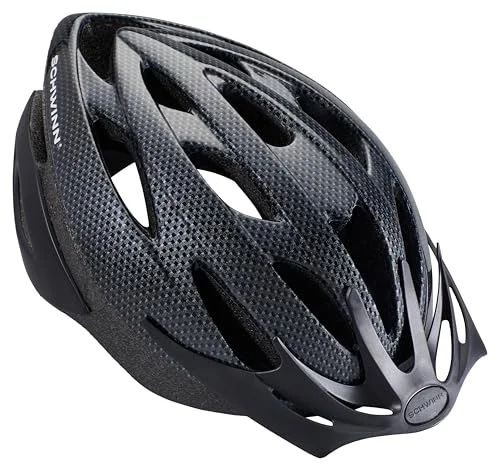
Secure Your Bike Helmet in 3 Simple Steps for Maximum Safety

Securing your helmet properly is essential for safe cycling. With so much information available, it can be confusing for beginners. Understanding how to fasten your helmet correctly will not only protect you but also give you confidence on the road.
Follow these key points to ensure your helmet is secure: adjust the straps for a snug fit, position the helmet correctly on your head, and check the chin strap for tightness. Proper helmet usage is a critical step in preventing accidents.
Importance of Helmet Security
Securing your helmet is a fundamental aspect of cycling safety. A properly fitted and secured helmet significantly reduces the risk of head injuries in the event of an accident. If your helmet is not fastened correctly, it can shift or come off during a fall, rendering it ineffective. Understanding how to secure your helmet ensures you are protected on every ride.
Helmets are designed to absorb impact, but they can only do their job if they stay in place. Loose or improperly adjusted helmets can lead to injuries that could have been avoided. For beginners, mastering the correct techniques for helmet adjustment and security is crucial. This includes ensuring that the straps are snug without being uncomfortable and that the helmet sits level on your head. Regular checks are also necessary to confirm that the helmet remains secure, especially after any falls or impacts. By prioritizing helmet security, you are taking a proactive step towards safer cycling experiences.
Components of a Bicycle Helmet
Understanding the components of a bicycle helmet helps ensure that you secure it properly for maximum safety. Key parts of a helmet play vital roles in how well it fits and stays in place during your ride. Here’s a breakdown of the essential components to look for.
Straps
The straps are crucial for keeping the helmet securely on your head. They should be made of durable material and adjustable to fit snugly under your chin. When fastening the straps, ensure they create a V-shape just below your ears. This positioning helps prevent the helmet from sliding off during an accident.
Retention System
The retention system, often located at the back of the helmet, allows you to adjust the fit for comfort and security. It typically consists of a dial or slider that tightens or loosens the inner band. A well-fitted retention system prevents movement of the helmet while biking, ensuring it stays aligned with your head for maximum protection.
Check these components regularly to guarantee that your helmet remains secure and effective during your rides. Proper understanding and adjustment of these parts contribute significantly to your overall safety while cycling.
Adjusting the Helmet Fit
Adjusting your helmet for a snug fit is crucial for ensuring maximum safety while cycling. A properly fitted helmet reduces the risk of injury and enhances comfort, allowing you to focus on your ride. Follow these steps to achieve the right fit:
- Size Adjustment: Start by checking the size of your helmet. Most helmets have an adjustable dial or strap system. Turn the dial or pull the strap to tighten the helmet snugly around your head without causing discomfort.
- Fore and Aft Position: Position the helmet level on your head. The front of the helmet should sit just above your eyebrows, allowing you to see the visor without obstruction. Adjust the helmet forward or backward as needed.
- Padding Placement: Ensure the internal padding is evenly distributed inside the helmet. This helps fill gaps and enhances comfort. If the padding is removable, adjust or replace it so that it conforms to the shape of your head.
- Final Check: Once you’ve made adjustments, shake your head gently. The helmet should stay in place without shifting. If it moves, readjust the fit until it feels secure.
Taking the time to adjust your helmet properly will significantly improve your safety and comfort while cycling.
Securing the Helmet Straps
Properly securing the chin straps of your helmet is essential for safety while cycling. A well-fitted helmet will stay in place and provide the necessary protection in case of an accident. Follow these steps to ensure your helmet straps are correctly fastened and adjusted.
- Position the Straps: Adjust the side straps so that they form a “V” shape just below your ears. The straps should be snug but not tight, allowing for comfortable movement.
- Buckle the Chin Strap: Bring the two ends of the chin strap together and insert the buckle. Ensure that the strap sits flat against your chin without pinching your skin.
- Adjust the Chin Strap: After buckling, pull the strap to tighten it. You should be able to fit one finger between the strap and your chin. If it’s too loose, it won’t provide adequate protection.
- Check for Movement: Shake your head gently from side to side and forward and backward. The helmet should stay securely in place without shifting excessively.
Checking for Proper Fit
Ensuring your helmet is secured correctly after adjustments is crucial for maximum safety. This section will guide you through the final checks to confirm your helmet is both snug and secure. Follow these steps to make sure your helmet is ready for the ride.
- Shake Test: Gently shake your head side to side and up and down. The helmet should stay in place without moving around. If it shifts significantly, it may be too loose, requiring further adjustment.
- Visibility Check: Look in all directions while wearing the helmet. You should have a clear field of vision without obstruction. The front edge of the helmet should sit just above your eyebrows.
- Chin Strap Check: With the helmet on, open your mouth wide. You should feel the helmet pull down on your head. If it doesn’t, the chin strap may need to be tightened.
- Comfort Assessment: Ensure the helmet feels comfortable without any pressure points. Adjust the padding if necessary to achieve a snug fit.
Completing these checks will help ensure your helmet is secure and effective in protecting you while cycling.
Common Helmet Mistakes
Understanding common helmet mistakes is crucial for ensuring safety while cycling. Many cyclists, both new and experienced, unknowingly compromise their protection due to improper helmet usage. Here’s a breakdown of frequent errors to avoid.
Loose Straps
Straps that are too loose can cause the helmet to shift during a fall, reducing its protective capabilities. Adjust the chin strap so that it fits snugly against your chin, with only enough room to fit a finger between the strap and your chin. The side straps should form a V-shape just below your ear, keeping the helmet stable.
Incorrect Placement
Wearing the helmet too far back or too far forward compromises coverage. The front of the helmet should sit level on your forehead, about one to two finger-widths above your eyebrows. This position maximizes protection against impacts. If the helmet tilts or shifts easily, readjust the straps and retention system until it fits correctly.
Real-Life Helmet Usage Examples
Understanding the impact of proper helmet usage can be illustrated through real-life cases. These examples highlight the critical importance of securing your helmet correctly to enhance safety while cycling.
One notable case involved a cyclist who experienced a fall due to a tire blowout. Fortunately, the cyclist was wearing a properly secured helmet. The helmet absorbed the impact, preventing a serious head injury. This incident emphasizes the necessity of ensuring that the helmet is snugly fastened and sits level on the head.
Another example comes from a community safety campaign that focused on helmet education. After implementing workshops teaching proper helmet fitting and securing techniques, local cycling accident reports showed a significant decrease in head injuries. Participants noted improved confidence while riding, reinforcing the idea that knowledge of helmet usage directly correlates to safety outcomes.
These cases serve as reminders that securing your helmet correctly can make all the difference in preventing injuries. Adopting best practices in helmet usage is essential for all cyclists, whether beginners or seasoned riders.
Quick Summary
- Always choose a high-quality helmet that meets safety standards.
- Adjust the straps to fit snugly under your chin without being uncomfortable.
- Make sure the helmet sits level on your head and covers your forehead.
- Secure the helmet using a reliable locking mechanism if available.
- Store your bike in a safe location to reduce the risk of theft.
- Regularly inspect your helmet for any signs of damage or wear.
- Consider using a helmet lock or cable to secure your helmet when parked.
Frequently Asked Questions
How do I choose the right helmet for biking?
When selecting a helmet, ensure it fits snugly but comfortably on your head, covering the forehead without obstructing vision. Look for a helmet that meets safety standards, such as those set by the CPSC or ASTM, and consider options with adjustable straps for a secure fit.
What is the correct way to wear a helmet?
Your helmet should sit level on your head, not tilted back or forward. The chin strap should be adjusted so that it is snug under your chin, allowing only one or two fingers to fit between the strap and your chin for optimal security.
How do I secure my helmet properly?
To secure your helmet, first adjust the side straps so they form a V shape just below your ears. Then, fasten the chin strap and ensure it’s tight enough to prevent movement, but comfortable enough to allow for breathing and speaking.
How often should I replace my helmet?
It’s recommended to replace your helmet every 3 to 5 years, as materials can degrade over time. Additionally, if you experience a significant impact while wearing it, even if there are no visible cracks, it’s best to replace the helmet to ensure maximum protection.
What should I do if my child refuses to wear a helmet?
Encourage your child by explaining the importance of safety and how wearing a helmet can prevent serious injuries. You can also make helmet-wearing fun by allowing them to choose a design they like, or by wearing a helmet yourself to set a positive example.

- 10 Best Electric Hydraulic Jack For Car Review (October 2026) - October 12, 2026
- 10 Best Electric Jack For Car Review (October 2026) - October 12, 2026
- 10 Best Jack For Electric Vehicle Review (October 2026) - October 12, 2026