
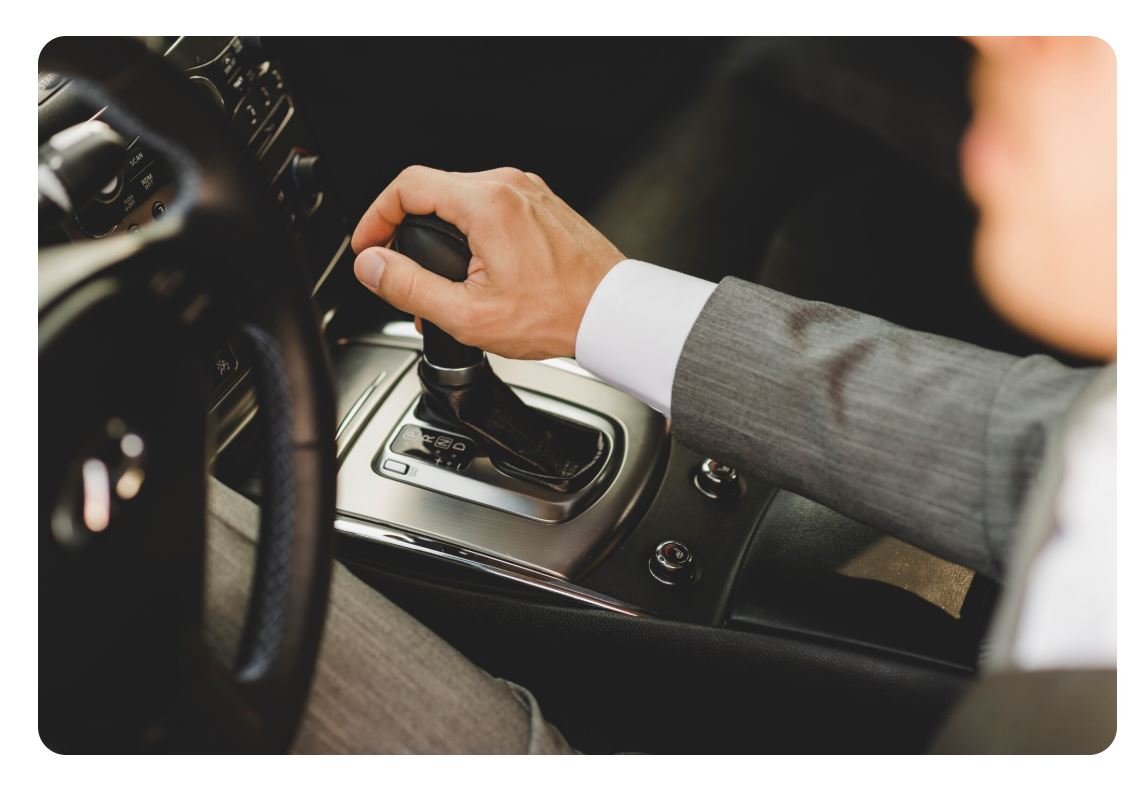
Learning to change gears is one of the most important skills when driving a manual car.
For beginners, the idea of coordinating the clutch, accelerator, and gear shifter can feel overwhelming. However, with the right understanding and practice, gear shifting becomes smooth and natural.
A manual car, also known as a stick shift, requires the driver to manually control gear changes. Even in 2026, learning this skill remains valuable. Manual cars are still widely used around the world, often cost less to maintain, and help drivers develop better control and awareness behind the wheel.
Differences Between Manual and Automatic Transmissions
Before learning how to change gears, it’s important to understand how manual and automatic cars differ in everyday driving.
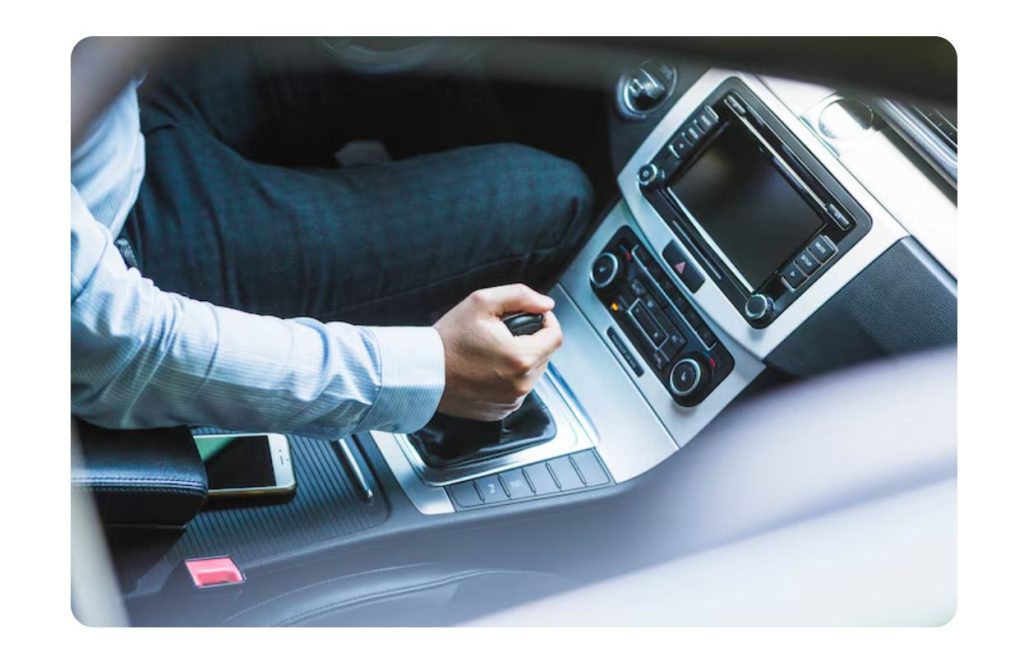
In an automatic car, the transmission selects gears on its own. The driver only manages speed and braking. In a manual car, the driver actively controls when and how gears change using the clutch and gear shifter. This extra involvement gives better control but requires learning proper technique.
Understanding the Pedals and Gear Shifter
Knowing the basic controls of a manual car is essential before attempting to change gears. Each pedal and control has a specific role.
Manual cars have three pedals:
- Clutch (left): Disconnects engine power from the wheels
- Brake (middle): Slows or stops the vehicle
- Accelerator (right): Increases engine speed
The gear shifter allows the driver to select gears. The pattern is usually displayed on the gear knob, and neutral sits in the center position.
What Gear Changing Is
Gear changing allows the car to operate efficiently at different speeds. Lower gears provide power for starting and climbing, while higher gears allow smoother driving at faster speeds.
Proper gear shifting:
- Protects the engine and transmission
- Improves fuel efficiency
- Makes driving smoother and safer
- Reduces clutch wear
Understanding why you change gears makes learning how to change them much easier.
Understanding the Basics Before Shifting Gears
Before practicing gear changes, beginners must understand how the engine, clutch, and gears work together.
The clutch temporarily disconnects the engine so gears can change safely. Engine RPM indicates when a shift is needed—high RPM means shift up, low RPM may require a downshift.
The gear pattern should be memorized while the car is stationary to build confidence.
Step 1: Know When to Change Gears
Knowing when to change gears is just as important as knowing how to do it.
Listen to the engine sound and watch the RPM gauge if available. A loud engine usually means it’s time to shift up, while shaking or sluggish movement means the gear is too high. Each gear has a general speed range, but engine feedback is the best guide.
Step 2: Prepare to Shift Gears
Preparing correctly before shifting ensures smooth transitions and prevents mistakes.
Start by easing off the accelerator. Press the clutch fully to disengage the engine. Keep control of the steering wheel and remain calm. Rushing this step often leads to jerky shifts or stalling.
Step 3: Shift to a Higher Gear (Upshifting)
Upshifting allows the car to move efficiently as speed increases.
To shift up, release the accelerator, press the clutch fully, move the gear shifter to the next higher gear, then release the clutch slowly while gently pressing the accelerator. Smooth clutch release is the key to comfortable driving.
Step 4: Shift to a Lower Gear (Downshifting)
Downshifting helps maintain control when slowing down or driving uphill.
When downshifting, release the accelerator, press the clutch, shift to a lower gear, and release the clutch slowly. Adding light throttle helps match engine speed and prevents jerking. Beginners should practice downshifting gently at low speeds.
Step 5: Coordinating the Clutch and Accelerator
Good gear changes depend on proper coordination between the clutch and accelerator.
As the clutch is released, the accelerator should be pressed gently to match engine speed. This balance prevents stalls and rough movement. With practice, your hands and feet develop muscle memory, making gear changes automatic and smooth.
Starting a Manual Car
Starting a manual car correctly prevents sudden movement or stalling.
Always press the clutch fully, ensure the car is in neutral, and then start the engine. Keep the clutch pressed until you are ready to move.
Moving the Car in First Gear
First gear is used only to get the car moving.
Shift into first gear, slowly release the clutch to the bite point, gently press the accelerator, and fully release the clutch once the car begins to move. This step requires patience and practice.
Stopping the Car Safely
Stopping a manual car requires coordination between braking and clutch use.
Apply the brake first. As speed drops, press the clutch fully to prevent stalling. Shift into neutral once stopped and apply the parking brake if necessary.
Common Beginner Mistakes and How to Avoid Stalling
Mistakes are a normal part of learning.
Common issues include releasing the clutch too fast, using too much gas, or panicking after a stall. Staying calm, practicing slowly, and focusing on clutch control help beginners improve quickly.
Tips for Driving a Manual Car on Hills
Hill driving can be challenging for new drivers.
Use the parking brake to prevent rolling backward. Find the clutch bite point, apply gentle throttle, and release the brake once the car starts moving forward.
Parking a Manual Car Correctly
Parking a manual car safely prevents unwanted movement.
Apply the parking brake firmly and leave the car in first gear or reverse. On slopes, turn the wheels toward the curb for added safety.
Modern Manual Transmission Features
Modern manual cars often include helpful technology.
Features such as hill-start assist, rev-matching, and shift indicators make learning manual driving easier and reduce beginner stress.
Safety Tips for New Manual Drivers
Safety should always come first.
Practice in low-traffic areas, stay calm if mistakes happen, avoid rushing gear changes, and focus on smooth control rather than speed.
Step 6: Changing Gears While Turning or Slowing Down
Changing gears while turning or slowing down requires planning and smooth control. Beginners often make mistakes here by shifting too late or during the turn itself.
When to Shift Before a Turn
It is best to slow down and shift before entering a turn. Downshifting ahead of time ensures the car is in the correct gear and avoids sudden movements while steering.
Safe Gear Selection in Traffic
In traffic, choose a gear that allows smooth movement without frequent shifting. Second or third gear is often ideal for slow-moving traffic, as it provides better control and responsiveness.
Maintaining Vehicle Balance
Avoid changing gears sharply while turning. Sudden clutch movements can upset the car’s balance. Smooth gear selection helps keep the vehicle stable and predictable.
Step 7: Common Gear-Shifting Mistakes Beginners Make
Mistakes are a natural part of learning. Understanding common errors helps beginners avoid bad habits early.
Riding the Clutch
Riding the clutch means keeping your foot partially on the clutch pedal while driving. This causes unnecessary wear and reduces clutch life. Once the gear is engaged, remove your foot completely.
Skipping Gears Incorrectly
Skipping gears without proper speed matching can strain the engine. Beginners should shift one gear at a time until they understand engine response.
Shifting Without Fully Pressing the Clutch
Failing to press the clutch fully can cause grinding noises and gear damage. Always press the clutch pedal all the way down before shifting.
Step 8: How Modern Manual Features Help Gear Shifting
Many modern manual cars include technology that makes gear shifting easier for beginners.
Rev-Matching Systems
Rev-matching automatically adjusts engine speed during downshifts. This helps prevent jerky movement and creates smoother gear changes.
Shift Indicators
Some cars display a recommended gear on the dashboard. These indicators help beginners learn when to shift for better efficiency.
Hill-Start Assist
Hill-start assist prevents the car from rolling backward when starting on a slope. This feature gives beginners extra confidence during hill starts.
Step 9: Practice Tips for Smooth Gear Changes
Practice is the key to mastering manual gear shifting. The right environment and approach make learning easier.
Best Places to Practice
Quiet streets, empty parking lots, or open roads with little traffic are ideal for beginners. These locations reduce pressure and distractions.
Listening to Engine Feedback
The engine sound is one of the best guides. With practice, you will recognize when the engine needs a gear change without checking the dashboard.
Improving Confidence With Repetition
Repetition builds muscle memory. The more you practice smooth clutch and accelerator coordination, the more natural gear shifting becomes.
Frequently Asked Questions (FAQs)
How do I know I shifted correctly?
A correct shift feels smooth, with no jerking or loud engine noise. The car should continue moving steadily without hesitation.
Can shifting gears damage the car?
Occasional mistakes won’t cause serious damage. However, repeated poor shifting habits can wear out the clutch and transmission over time.
What happens if I miss a gear?
Missing a gear may cause the engine to rev or the car to lose momentum. Stay calm, press the clutch, select the correct gear, and continue driving.
Conclusion
Learning how to change gears in a manual car is a valuable skill that improves control, confidence, and driving awareness. By understanding when and how to shift, coordinating the clutch and accelerator, and practicing regularly, beginners can master manual driving step by step.
Patience is essential. Everyone stalls or makes mistakes at first. With consistent practice and calm focus, gear changing becomes smooth and automatic over time.