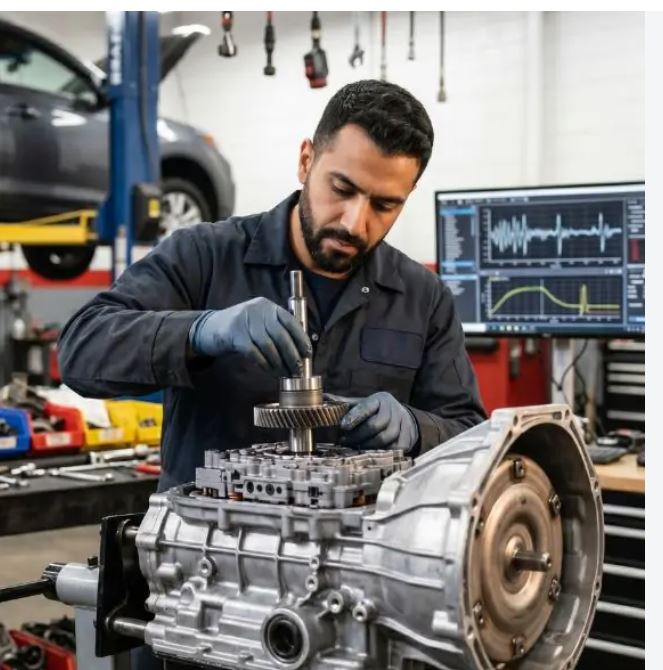
Fixing U0232 Obd-ii Code: Causes And Repair Solutions

When your Toyota’s engine light comes on with the code u0232, it’s a sign that your vehicle’s fuel system is experiencing issues, specifically with the fuel pressure sensor. This sensor is responsible for monitoring the fuel pressure in your engine, and if it fails, it can cause problems with fuel efficiency, engine performance, and even damage to your engine over time. In this article, we’ll break down the possible causes and symptoms of the u0232 code, provide step-by-step troubleshooting instructions, and offer repair options and estimates.
The u0232 code is related to the fuel pressure sensor circuit malfunction. It’s a relatively common issue, but it can be a serious problem if left unaddressed. The fuel pressure sensor is responsible for monitoring the fuel pressure in your engine, and if it fails, it can cause problems with fuel efficiency, engine performance, and even damage to your engine over time. To diagnose the issue, you’ll need to use a scan tool to read the code and check the fuel pressure sensor circuit.
U0232 Code: Tcm Communication Lost
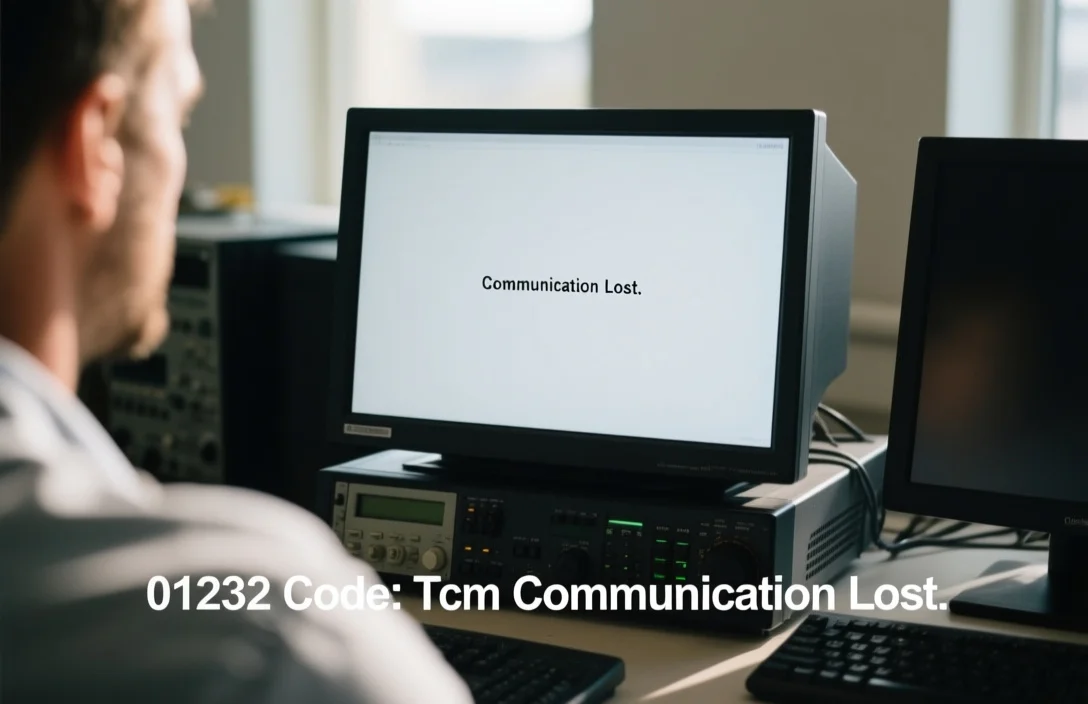
This diagnostic trouble code indicates that the vehicle’s main computer, typically the Engine Control Module or Body Control Module, has stopped receiving digital heartbeat signals from the Transmission Control Module. The failure occurs over the Controller Area Network (CAN) bus, which is the high-speed data wiring harness connecting all major electronic units.
The Role Of The Can Bus
Modern vehicles rely on a complex network of wires to share sensor data between different systems. When the transmission controller cannot broadcast its status, the rest of the car enters a defensive state. This loss of communication prevents the engine and transmission from synchronizing gear shifts, shift points, and torque management.
Tcm Functionality And Safety
The transmission controller manages hydraulic pressure, solenoid activation, and gear selection based on inputs like throttle position and vehicle speed. Without a valid data link, the transmission often defaults to a “limp mode” to protect internal components from erratic shifting. This safety feature limits the vehicle to a single gear, usually second or third, to prevent further mechanical damage.
Expert Tip: A persistent communication error often triggers the check engine light because the powertrain system can no longer guarantee emissions compliance or safe driving dynamics. Always prioritize checking the power and ground supply to the transmission module before assuming the unit itself has failed.
Diagnostic Impact
When the vehicle detects this signal interruption, it logs the code to alert the driver and store data for a technician. You will likely notice the following behaviors immediately after the light appears:
| Symptom | Mechanical Impact |
|---|---|
| Harsh Shifting | Loss of electronic pressure regulation |
| Limp Mode | Transmission locked in a safe gear |
| Dashboard Lights | Check Engine and Transmission warning lamps active |
Diagnosing this issue requires a scan tool capable of reading manufacturer-specific data streams. If the module does not respond to the scan tool at all, the fault usually lies within the wiring harness or the power supply circuit rather than the software inside the module.
Recognizing U0232 Warning Signs
A loss of communication with the Transmission Control Module causes the vehicle to lose its ability to manage gear transitions and torque delivery. This failure typically triggers a default safety state to prevent mechanical destruction of the transmission internals.
Drivability And Gear Behavior
The most common symptom is Limp Home Mode. The vehicle locks into a single gear, usually second or third, to allow the driver to reach a shop without destroying the planetary gears.
You might experience erratic shifting where the transmission bangs into gear or hesitates for several seconds. In severe cases, the car will not engage any gear at all, which leaves you stranded in Park or Neutral.
For example, a driver might start the car and find that shifting into Drive does nothing, even though the engine is running smoothly. This happens because the shift solenoids never receive the command to open from the module.
Electronic And Engine Indicators
The instrument cluster usually reacts immediately to a communication break. You will see a Check Engine Light or a specific transmission warning lamp. Some modern vehicles display a “Service Transmission Now” message on the digital driver information center.
Engine performance often suffers because the ECM cannot adjust ignition timing or fuel maps based on the current gear. This leads to sluggish acceleration or a feeling that the engine is struggling under load.
In some instances, the vehicle may stall unexpectedly as it comes to a stop. This occurs if the module cannot signal the torque converter to unlock, which stalls the engine like a manual car when the clutch is not pressed.
| Symptom | Severity | Immediate Impact |
|---|---|---|
| Limp Mode | Moderate | Restricted speed and power |
| No Gear Engagement | Critical | Vehicle is immobile |
| Warning Lights | Low | Diagnostic alert only |
| Engine Stalling | High | Safety hazard in traffic |
If your odometer or speedometer also stops working, you likely have a CAN bus failure rather than a dead module. These components share the same communication lines.
Typical Causes Of U0232 Errors
 Corrosion raises resistance by degrading the wiring’s insulation and conductive properties, leading to intermittent or permanent faults in the circuit. This can cause communication loss between the transmission control module (TCM) and other components. In some cases, corrosion can also cause short circuits, which can damage nearby components.
Damaged Or Corroded Wiring Harnesses
| Wiring Harness Inspection Tips | Actions |
|---|---|
| Look for signs of water damage or corrosion | Use a multimeter to check for electrical resistance in the wiring harness |
| Check for rodent damage or gnaw marks | Replace damaged wiring harnesses with new ones |
Blown Fuses Or Faulty Relays
A blown fuse or faulty relay can cause the TCM to lose communication with other components, triggering a U0232 error. Inspect the fuse box and relay locations for signs of blown fuses or faulty relays.
Low Battery Voltage And Alternator Issues
Low battery voltage or alternator issues can cause the TCM to malfunction and trigger a U0232 error. Check the battery voltage and alternator output to determine if this is the cause of the issue.
Internal Tcm Hardware Failure
In rare cases, internal TCM hardware failure can cause a U0232 error. This can be caused by faulty TCM components, software issues, or other internal problems.
Step-by-step U0232 Troubleshooting
Corrosion raises resistance by forming a non-conductive barrier on metal surfaces, which can cause electrical system malfunctions. High resistance can lead to voltage drops and faulty sensor readings, triggering the U0232 error code. To resolve the issue, follow these steps to identify and correct the root cause.
Checking Battery Health And Voltage Stability
It’s essential to note that a faulty battery can cause a wide range of issues, including U0232 errors. If the battery is old or showing signs of wear, consider replacing it with a new one.
Inspecting Tcm Fuses And Power Connections
Remember to always follow proper safety procedures when working with electrical systems, and consult a repair manual or a professional mechanic if you’re unsure about any aspect of the process.
Visual Inspection Of The Can Bus Wiring
A visual inspection of the CAN Bus wiring can help identify any issues that may be causing the U0232 error code.
Using A Multimeter To Test Continuity
Testing continuity with a multimeter can help identify any issues with the wiring or connections that may be causing the U0232 error code.
Performing A Hard Reset Of The Electronic Modules
A hard reset of the electronic modules can help clear any stored error codes and reset the system to its default settings.
Repair Options And Estimated Costs

Fixing communication faults between the Transmission Control Module (TCM) and the vehicle network typically involves correcting wiring integrity or replacing faulty electronic modules. Most repairs start with a simple inspection of the CAN-bus wiring harness, as loose pins or frayed insulation often mimic internal module failure.
Repair Method Comparison
| Repair Type | Difficulty | Est. Cost (Parts & Labor) |
|---|---|---|
| Connector Cleaning | Low | $50 – $150 |
| Wiring Harness Repair | Medium | $200 – $600 |
| TCM Replacement | High | $600 – $1,500+ |
Wiring And Component Strategies
Cleaning corroded connectors is the most cost-effective first step. Use a high-quality electrical contact cleaner and a non-conductive pick to remove oxidation from the TCM pins. If the pins are loose, do not force them; replace the connector pigtail to ensure a permanent electrical connection.
For instance, if your vehicle displays signs of moisture intrusion near the transmission housing, inspect the harness loom for breaks. Water often travels down wires and wicks into the connector, which causes intermittent resistance spikes that trigger the fault code.
Module Programming And Labor
Replacing a TCM requires more than just bolting a new unit into place. Most modern modules arrive blank and must be flashed with the latest manufacturer firmware using a factory-level scan tool. Independent shops often charge less for labor, but ensure they have the proprietary software required to perform the handshake between the new TCM and your vehicle’s Engine Control Unit.
Mechanic Tip: Always check your battery voltage under load before replacing a TCM. Low system voltage causes modules to drop off the network, which creates false communication codes that look exactly like a dead controller.
Dealerships generally charge a premium for these services because they use original equipment parts and guaranteed software updates. Independent shops can save you money on labor, though they may require a diagnostic fee to verify the module is truly at fault before they commit to the programming process.
Critical Safety Precautions For Tcm Work
Transmission control modules handle high-current solenoids and communicate over the CAN bus at 500 kbps. A single short to ground can fry the entire network, leaving the vehicle undriveable and triggering multiple unrelated fault codes. Always treat the TCM as a live circuit even after the key is off – many late-model vehicles keep the bus powered for several minutes to complete diagnostic routines.
Before touching any wiring, locate the factory service manual for your exact make and model. A 2018 Ford F-150, for instance, uses a completely different pinout than a 2018 Toyota Camry, and mixing them up can destroy the TCM or the PCM. Manuals list the correct terminal sequence, torque specs for connectors, and any special tools required to avoid damaging the module’s gold-plated pins.
Common Short-Circuit Risks in TCM Work
| Component | Risk | Prevention |
|---|---|---|
| Shift solenoids | 12 V short to ground melts wiring harness | Test each wire with a multimeter before reconnecting |
| CAN-H and CAN-L wires | Crossed wires cause bus failure | Use a breakout box with LED indicators to verify polarity |
| TCM case screws | Overtightening strips threads or cracks circuit board | Torque to 3-5 in-lbs (0.3-0.6 Nm) with a calibrated driver |
CAN bus wiring is twisted in pairs to reduce electromagnetic interference. Untwisting more than 25 mm of wire can degrade signal quality and cause intermittent communication errors. If you must splice into the bus, use a solder-and-heat-shrink method – crimp connectors introduce resistance and can corrode over time.
“I’ve seen three TCMs destroyed in a single week by technicians who didn’t disconnect the battery first. One was a $1,200 module on a 2020 Jeep Gladiator. The owner had to pay for the part and labor because the shop’s insurance wouldn’t cover negligence.”
– ASE Master Technician, independent shop owner
Professional ECU programming requires a J2534 pass-thru device and a subscription to the manufacturer’s service portal. Flashing the wrong calibration file can brick the TCM, leaving the vehicle in limp mode or unable to start. Always back up the original calibration before attempting any updates, and verify the file version matches the vehicle’s VIN and build date.
If the TCM is being replaced, most late-model vehicles require a dealer-level scan tool to perform a “variant coding” procedure. This syncs the new module with the PCM, ABS, and instrument cluster. Skipping this step can cause delayed shifts, harsh engagements, or false warning lights. Some European brands, like BMW and Mercedes, also require a security code from the manufacturer before the new TCM will communicate on the CAN bus.
Quick Summary
The u0232 code is a generic trouble code that requires further diagnosis to determine the root cause of the issue, which could be related to engine performance, emissions, or transmission operation.
| Code Description | Common Causes | Repair Cost Range |
|---|---|---|
| Generic trouble code | Faulty oxygen sensor, engine performance issues | $100-$1,000+ |
Frequently Asked Questions
What Does U0232 Error Code Mean In My Vehicle?
The u0232 error code typically indicates a problem with the Electronic Throttle Control (ETC) or throttle position sensor, which regulates engine speed and throttle response. You can check your vehicle’s repair manual or consult a mechanic for more information.
How Do I Reset The U0232 Code After Repair?
After repairing the issue causing the u0232 code, you can try resetting the code using a diagnostic scan tool or by disconnecting the battery for a few minutes. However, it’s essential to follow the manufacturer’s guidelines and consult a professional if you’re unsure about the process.
Can I Drive My Vehicle With The U0232 Code Active?
It’s generally not recommended to drive your vehicle with an active u0232 code, as it may indicate a problem with the throttle control system, which can affect engine performance and safety. If you’re experiencing issues, it’s best to have the problem diagnosed and repaired by a qualified mechanic.
How Long Does It Take To Repair The U0232 Error Code?
The time it takes to repair the u0232 error code can vary depending on the complexity of the issue and the mechanic’s availability. Typically, it can take anywhere from a few hours to a full day to diagnose and repair the problem.
Can I Fix The U0232 Code Myself With A Scan Tool?
While a scan tool can help you diagnose the issue, it’s often not sufficient to fix the problem on your own. The u0232 code may require professional attention to ensure the throttle control system is functioning correctly and safely. Consult a mechanic or repair manual for guidance.
What Are The Safety Risks Associated With The U0232 Code?
The u0232 code can pose a safety risk if left unaddressed, as it may affect engine performance, leading to reduced power or even engine stalling. In extreme cases, it can cause a loss of vehicle control, which can result in accidents. It’s essential to have the issue diagnosed and repaired promptly to ensure your safety on the road.

- Top 10 Best Helmet For Xtreme 125r 2026 - October 5, 2026
- Top 10 Best Helmet For Xpulse 200 2026 - October 5, 2026
- Top 10 Best Helmet For Xsr 155 2026 - October 5, 2026