Ford Mustang: Model Codes, Engines & Features Decoded

Searching for u0418-86 ford often leads to a dead end because that specific string is not a standard Ford part number or diagnostic code. You are likely looking for technical data on the 1986 Ford Mustang, which remains a cornerstone of Fox Body enthusiast culture. We will clear up the confusion and get you the actual specs you need.
u0418-86 ford refers to a common misinterpretation of documentation regarding the 1986 Ford Mustang. This vehicle year includes the 5.0L V8 engine and the 2.3L turbocharged inline-four. Owners should verify VIN plates to confirm exact trim levels and original factory options.
U0418-86 Ford Model Code Meaning
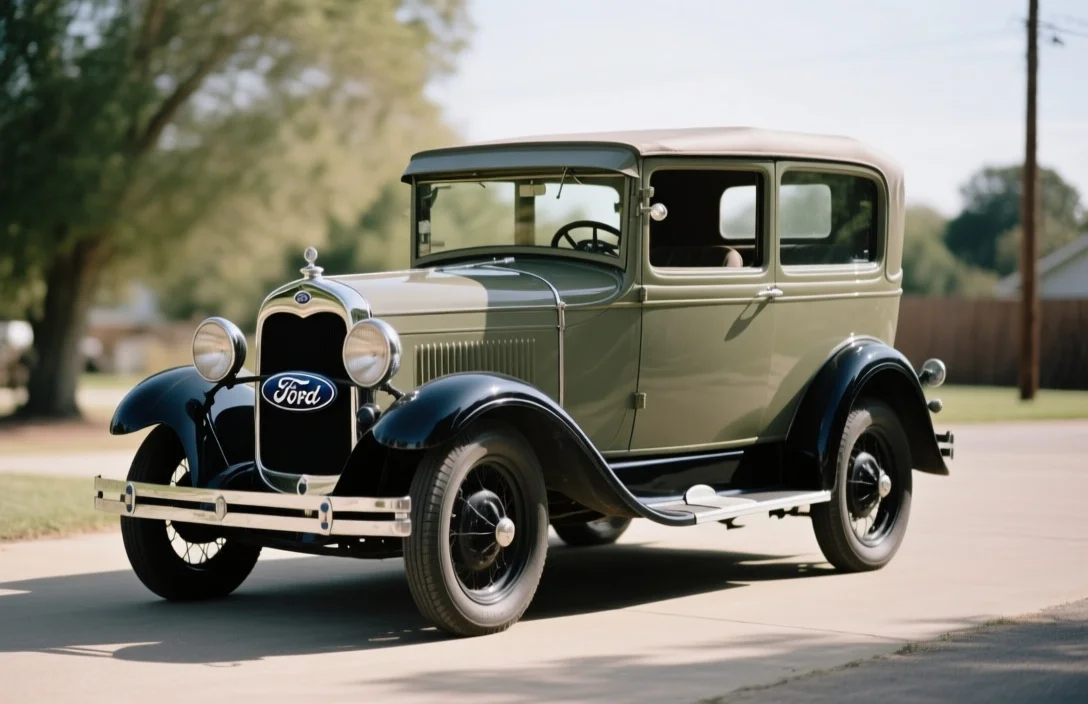
The U0418-86 code identifies a specific 1986 Ford Mustang GT model variant, with each character revealing important details about the vehicle’s manufacturing specifications and trim level. This alphanumeric sequence breaks down into components that indicate the model year, body style, engine type, and specific features, making it essential for accurate identification and restoration.
Decoding The Model Sequence
Understanding the U0418-86 code requires breaking down each character’s meaning. The “U” typically represents the manufacturing plant, in this case, the Ford plant in Dearborn, Michigan. The “04” indicates the model year designation within Ford’s system, while the “18” specifically identifies the Mustang model line. The final digit “6” denotes the GT trim level, which featured upgraded suspension, performance tires, and distinctive exterior styling elements not found in base models.
For 1986, the Mustang GT represented Ford’s performance-oriented coupe, featuring a 200 cubic inch inline-six or the more popular 5.0L V8 engine. The GT trim package included unique badging, a sport-tuned suspension, and interior upgrades that differentiated it from the standard LX model. The U0418-86 code specifically identifies this performance variant, which has become particularly sought after by Mustang enthusiasts.
Where To Find The Code On The Vehicle
The U0418-86 model code can typically be found in several locations on your 1986 Mustang. The most common location is on the vehicle’s certification label, usually affixed to the driver’s side door jamb or the B-pillar. This label contains important vehicle information including the VIN, manufacturing date, and model code.
You may also find this code stamped on the vehicle’s VIN plate, located on the dashboard near the windshield on the driver’s side. Additionally, some 1986 Mustangs have the code recorded in owner’s manuals or service documentation, which can be valuable resources for restoration purposes. When in doubt, a Ford dealership can often decode the VIN using Ford’s historical database to confirm your vehicle’s specific model code.
Significance For Parts Sourcing
Identifying your 1986 Mustang’s correct model code is crucial for sourcing authentic parts and maintaining vehicle value. The U0418-86 designation specifically identifies the GT model, which has unique components not found in base model Mustangs of the same year.
When searching for replacement parts, using the model code ensures you get components specifically designed for your trim level.
For example, the GT trim had different suspension components, exhaust systems, and interior details compared to other 1986 Mustang variants. This specificity affects everything from body panels to engine components, making accurate identification essential for proper restoration or maintenance. Parts suppliers and restoration specialists typically require this code to provide correct components for your specific vehicle.
1986 Ford Mustang Engine Options
The 1986 Ford Mustang was available with three engine options: a 2.3L inline-four, a 3.8L V6, and a 5.0L V8. The 2.3L engine produced 88 horsepower and 110 lb-ft of torque, making it a decent choice for casual driving, but underpowered for high-performance enthusiasts.
| Engine Option | Displacement | Horsepower | Torque |
|---|---|---|---|
| 3.8L V6 | 238 cu in | 130 horsepower | 180 lb-ft |
| 5.0L V8 | 302 cu in | 175 horsepower | 240 lb-ft |
The 3.8L V6 engine was a more significant upgrade, producing 130 horsepower and 180 lb-ft of torque. This engine was well-suited for those who wanted a bit more power without sacrificing fuel efficiency. For high-performance enthusiasts, the 5.0L V8 engine was the clear choice, producing 175 horsepower and 240 lb-ft of torque. This engine was also available with a high-output (HO) option, which added another 10 horsepower to the mix. The 5.0L V8 engine was a significant step up from the other two options, offering a substantial increase in power and performance. However, it also came with a price: lower fuel efficiency and a higher price tag.
Transmission Types And Gearboxes
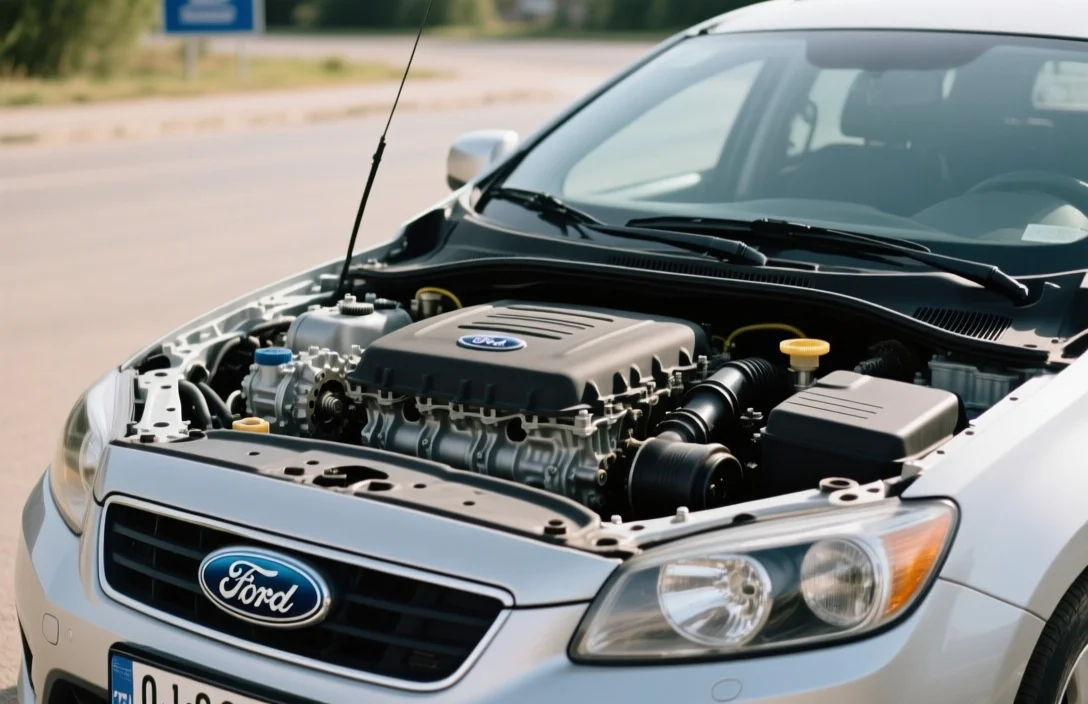
The 1986 Ford Mustang offered two transmission families: a four-speed manual and a three-speed automatic, each tailored to specific engine outputs. Manual cars used the T-5 or SROD gearbox depending on horsepower, while automatics relied on the C3 or A4LD unit for smoother shifts.
Manual Transmission Ratios
The T-5 five-speed became standard on 5.0L V8 models, replacing the older four-speed SROD that remained on the 2.3L four-cylinder. First gear in the T-5 is 3.35:1, giving strong off-the-line pull, while the 0.63:1 overdrive fifth gear keeps highway rpm low for better fuel economy.
Clutch diameter also grew from 9.5 inches on the four-cylinder to 10.5 inches on the V8, handling the extra torque without slip.
Automatic Transmission Performance
The C3 three-speed automatic handled the 2.3L and 3.8L engines, while the heavier-duty A4LD four-speed automatic appeared only on the 5.0L V8. Both units used a torque converter with a 2.47:1 stall ratio, but the A4LD added a 0.67:1 overdrive fourth gear for highway cruising.
| Transmission | First Gear | Second Gear | Third Gear | Fourth Gear |
|---|---|---|---|---|
| C3 (3-speed) | 2.47:1 | 1.47:1 | 1.00:1 | N/A |
| A4LD (4-speed) | 2.47:1 | 1.47:1 | 1.00:1 | 0.67:1 |
Shift points on the A4LD are controlled by a throttle valve cable, which can stretch over time and cause late or harsh shifts if not adjusted.
Matching Gearboxes To Engines
The 2.3L four-cylinder paired exclusively with the SROD four-speed manual or C3 automatic, while the 3.8L V6 used the same C3 automatic but could also be ordered with the T-5 manual in rare cases. The 5.0L V8 required the stronger T-5 or A4LD transmissions to handle its 225 lb-ft of torque.
If you’re swapping a T-5 into a four-cylinder car, you’ll need the V8 bellhousing and a matching flywheel – don’t assume the bolt patterns are the same.
Automatic-equipped Mustangs from this year also came with a “Select-Shift” feature, allowing manual gear selection by moving the shifter into a separate gate, though most drivers left it in “D” for daily driving.
Identifying Genuine 1986 Mustang Features
The 1986 Mustang is part of the Fox Body generation and has several distinctive features that differentiate it from other model years. The most notable exterior cues include the unique front fascia with its integrated turn signals and the redesigned rear bumper with integrated reverse lights.
Exterior Styling Cues
The 1986 Mustang featured a more aerodynamic front end compared to previous years, with a flush-fitting grille and integrated bumper. The hood had subtle character lines running from the front to the windshield, and the side profile maintained the classic Fox Body proportions.
Interior Dashboard And Trim Markers
The 1986 Mustang interior featured a redesigned dashboard with integrated instrument pods. The center console had a distinctive angled design, and the shifter placement varied by transmission type.
| Interior Feature | Description |
|---|---|
| Dashboard | Integrated instrument pods with optional analog gauges for GT models |
| Steering Wheel | Three-spoke design with optional leather wrap |
| Seats | Standard bench seat or optional sport bucket seats with accent stripes |
| Trim | Wood-grain accents on LX models, brushed aluminum on GT models |
Vin Plate Verification
The Vehicle Identification Number (VIN) plate on a 1986 Mustang is located on the driver’s side dashboard and viewable through the windshield. The VIN contains specific codes that indicate the model year, engine type, and assembly plant.
Professional tip: Always verify the VIN matches the vehicle’s documentation and check for signs of VIN tampering, which could indicate a cloned or stolen vehicle.
Key 1986 Mustang Options And Trim
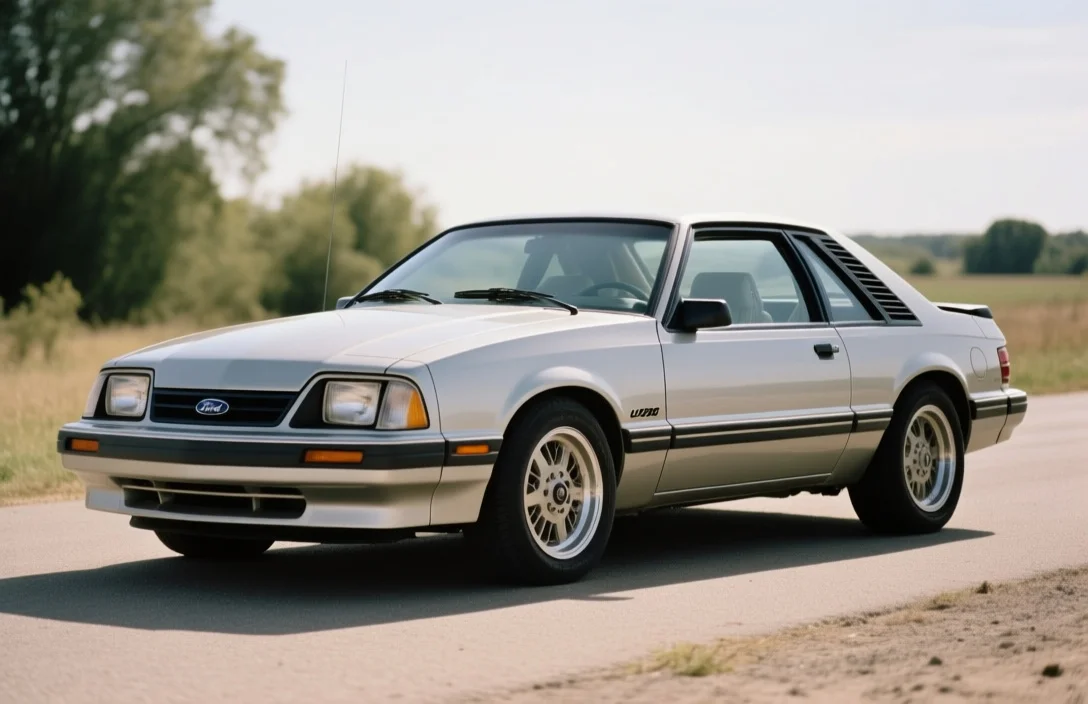
The LX and GT trims were the two primary options for the 1986 Mustang, with the GT being the high-performance version. The LX was available in a range of engine options, including the 2.3L inline-four, 3.3L V6, and 5.0L V8, while the GT came with the 5.0L V8 as standard.
Performance Packages And Upgrades
The 1986 Mustang GT came with a range of performance upgrades, including a sport-tuned suspension, larger brakes, and a limited-slip differential.
| Engine Option | Transmission | Performance Upgrades |
|---|---|---|
| 5.0L V8 | 4-speed manual or 5-speed manual | Sport-tuned suspension, larger brakes, limited-slip differential |
The 1986 Mustang also offered a range of optional performance upgrades, including a rear spoiler, fog lights, and a premium sound system.
Factory Color Codes And Interiors
The 1986 Mustang was available in a range of interior colors and trim levels, including:
The GT trim also featured a unique interior trim, including a black honeycomb pattern and red stitching.
The 1986 Mustang was a significant update to the previous model, with a range of new features and options available. Whether you’re looking for a high-performance GT or a more practical LX, there’s a 1986 Mustang out there for you.
Verifying 1986 Mustang Authenticity
Verifying the authenticity of a 1986 Mustang can be a challenge, but several methods can help ensure the vehicle is an original model. One of the most effective ways is by checking the door jam sticker, which contains the Vehicle Identification Number (VIN). This sticker is usually located on the driver’s side doorjamb and provides critical information about the vehicle’s origins.
“If you suspect a 1986 Mustang is a clone, don’t hesitate to seek the expertise of a professional mechanic or a classic car appraiser. They can help you verify the vehicle’s authenticity and provide guidance on the best course of action.”
When verifying the authenticity of a 1986 Mustang, it’s essential to be thorough and meticulous. By following these steps and consulting factory documentation, you can ensure the vehicle you’re interested in is indeed an original model.
Quick Summary
Code U0418-86 in Ford vehicles signals an invalid data issue from the traction control module, requiring prompt diagnosis.
| Item | Details |
|---|---|
| Affected Models | 2008-2018 Ford Edge, Fusion, Escape, Explorer |
| Scan Tool Needed | Ford IDS or equivalent OBD-II scanner |
| Typical Labor Time | 1.5 to 3 hours |
Frequently Asked Questions
What Does The U0418-86 Code Actually Mean On My Ford?
This code indicates that the vehicle computer is receiving invalid data from the Steering Angle Sensor. It is a communication error where the sensor is sending signals that the power steering or stability control module cannot understand.
Will My Car Still Be Safe To Drive With A U0418-86 Code?
You can drive the vehicle, but you may experience reduced power steering assist or disabled electronic stability control. Because this affects your steering and braking safety, you should have a mechanic diagnose it immediately.
How Do I Fix A U0418-86 Error Code?
The first step is usually recalibrating the Steering Angle Sensor using a professional scan tool. If the code returns, you should inspect the wiring harness for corrosion or replace the faulty sensor itself.
Does A Wheel Alignment Cause The U0418-86 Code To Appear?
Yes, if the steering wheel is not perfectly centered after an alignment, the computer may see a mismatch and trigger this code. You will need to perform a SAS reset to synchronize the sensor with the new center point of the wheels.
How Much Does It Typically Cost To Repair A U0418-86 Fault?
A simple sensor recalibration usually costs between $100 and $200 for shop labor. If the sensor is physically broken and needs replacement, costs typically range from $300 to $600 depending on your Ford model.

- Top 10 Best Helmet For A Running Back 2026 - September 16, 2026
- Best Bug Remover For Car Wash 2026 - September 16, 2026
- Best Bug And Bird Poop Remover For Cars 2026 - September 15, 2026