Can I Drive With A P1004 Code?

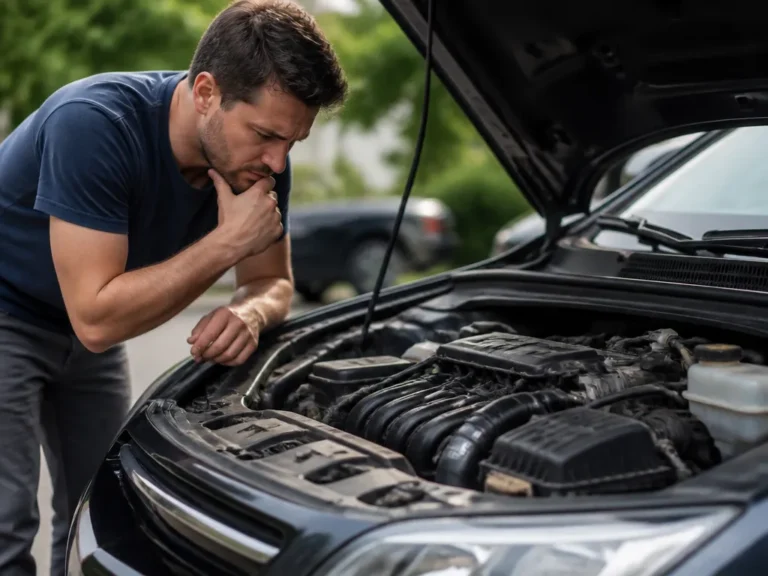
A P1004 code does not automatically mean you must stop driving. You can often drive to the nearest repair shop if the engine stays at its normal temperature, the car runs smoothly, and no overheating warning appears. If the temperature gauge rises, the radiator fan does not run when needed, or you see steam, stop driving and arrange a tow.
P1004 usually points to a problem in the cooling fan circuit or control logic, depending on the make and model. Because the fan may be needed most in traffic and during slow driving, a car that seems fine on the highway can still overheat at idle. Treat the code as a “fix soon” problem, not one to ignore.
Key Takeaways
- Driving risk depends on symptoms and engine temperature, not the code alone.
- Do not drive an overheated car, especially if the gauge climbs or warning lights appear.
- P1004 can affect the cooling fan, so watch its behavior in stop-and-go traffic.
- Common causes include wiring faults, bad relays, fan motors, connectors, and sensors.
- A scan tool narrows the diagnosis through freeze-frame data, live data, and related codes.
- Clear the code only after repairs, or P1004 may return.
Can I Drive With a P1004 Code?
The greatest risk occurs when the vehicle is idling, moving slowly, climbing a long grade, or operating in hot weather. If you must move the car to a repair shop, drive gently, avoid long idles, reduce the load, and monitor the temperature gauge closely.
What Does P1004 Mean on Your Car?
P1004 is a generic OBD-II code name that often points to a cooling fan control problem, but the exact definition varies by manufacturer. On many vehicles, it indicates a fault in the fan circuit or control strategy, such as an electrical problem that keeps the fan from running when expected. Some models associate it with a radiator fan relay, fan motor circuit, or fan-speed command system.
The fan’s actual behavior and any related codes provide more useful information than the P1004 label alone. Codes involving overheating, thermostat performance, coolant-temperature sensor readings, or fan-circuit voltage can help identify the fault. Freeze-frame data may also show the engine temperature, vehicle speed, and fan command state when the code appeared.
How Urgent Is P1004 Compared With P1004A?

P1004 is urgent when it prevents the engine from getting proper cooling. P1004A, on vehicles that use that suffix, may identify a more specific fan or control failure, but the suffix alone does not tell you whether the engine is overheating right now.
The important question is whether the cooling system works under normal conditions. Heat and stop-and-go traffic can expose a fault that does not show up on the highway, so either code warrants prompt diagnosis and observation of fan operation.
Symptoms That Mean You Should Not Drive
Watch for these symptoms:
- The radiator fan does not turn on when the engine is warm or when cooling demand increases.
- The temperature warning light illuminates, or an overheating message appears on the dashboard.
- You smell hot coolant or see steam from the engine bay.
- The engine runs roughly or enters limp mode, possibly because the vehicle’s protection strategy has detected a temperature or sensor problem.
- P1004 appears with overheating codes or coolant-temperature sensor plausibility codes.
A fan that stays off can allow temperatures to climb quickly while the car idles in traffic. Continuing to drive can lead to boiling coolant, damaged hoses, or more serious engine damage. If the gauge reaches the hot zone, shut the engine off and let it cool before arranging assistance. Do not remove the radiator cap while the engine is hot.
What Causes P1004 and How Is It Triggered?

P1004 usually sets when the vehicle detects a fault in the cooling-fan control path. Possible causes include a failed fan relay, worn fan motor, damaged wiring, loose or corroded connectors, low voltage in the fan circuit, or a mismatch between the commanded and actual fan operation. Some systems also monitor coolant temperature or fan-speed feedback, so an inaccurate sensor can trigger the code.
Common failure points include:
- Wiring and connectors – Broken circuits, loose plugs, or corroded terminals can interrupt fan power or control signals.
- Fan relay problems – A relay may click but still fail under load, or it may not close when the vehicle commands the fan on.
- Fan motor failure – The motor may run slowly, work intermittently, or stop completely because of wear or an internal fault.
- Airflow restrictions – A stuck fan blade, blocked radiator area, or poor airflow can worsen cooling even when the electrical controls work.
- Temperature or fan-feedback sensors – Incorrect readings can cause the vehicle to command the wrong fan behavior or report a failure that is not actually in the motor.
P1004 may appear after a heat-soak event, such as driving, shutting the car off, and restarting it. High ambient temperatures can also expose weak connections or failing components, causing the code to appear intermittently and return once the system warms up.
How to Diagnose P1004 With a Scan Tool
A scan tool helps turn a general fault code into a more targeted diagnosis. Read the stored and pending codes first, then review the freeze-frame data. Look for the engine temperature, vehicle speed, and cooling-fan status when the code set. Those details can help you reproduce the fault instead of replacing parts at random.
Check related codes involving coolant temperature, fan-circuit voltage, relay control, or fan-speed feedback. Then use live data to compare the reported coolant temperature with the dashboard gauge and monitor whether the vehicle commands the fan on.
Use this diagnostic sequence:
- Scan and record stored and pending codes, then save the freeze-frame details.
- Check fan-related data in the live-data menu, including fan command or status if available.
- Compare coolant-temperature readings with the gauge and the engine’s actual warm-up behavior.
- Look for patterns such as the code appearing only above a certain temperature, at idle, or in slow traffic.
- Test after the repair under the same conditions that originally triggered the code.
If the scan tool supports actuator tests or bi-directional controls, use it to command the fan on. A fan that does not respond when power and wiring are present points toward the fan motor or its control hardware. A fan that responds correctly may point instead to a sensor input, control-logic problem, or intermittent wiring fault.
How to Clear P1004 and Keep It From Returning
Clearing P1004 is easy; fixing the fault that caused it is what prevents a repeat code. If the fan circuit, relay, motor, or sensor still has a problem, the vehicle will often set P1004 again during the next warm-up or fan-command event.
Follow these steps:
- Diagnose before clearing – Identify and repair the fan-circuit fault before erasing the code.
- Check common failure points – Inspect the wiring, connectors, relay contacts, grounds, and fan motor before replacing sensors.
- Inspect connectors closely – Look for heat damage, looseness, corrosion, and damaged terminals.
- Test fan operation – Confirm that the fan runs when the engine is warm and cooling demand increases.
- Review live data again – Make sure the coolant-temperature reading is plausible and the fan command matches the vehicle’s needs.
- Clear and road-test – Test the car under the conditions that previously triggered P1004, such as a warm engine, idle, or slow traffic.
Clear P1004 only after checking that the fan operates, then monitor the temperature immediately afterward. If the code returns within a short drive, the underlying problem remains.
Some vehicles keep a code stored until the vehicle completes a readiness cycle, while others require multiple drive cycles to confirm a repair. Clearing the code does not mean the repair is complete until the system stays code-free under the conditions that caused the fault.
FAQ
Can I drive for a short trip with a P1004 code?
A short trip is reasonable only after the temperature and fan checks described above. Monitor the vehicle throughout the trip and stop if conditions worsen.
Will clearing P1004 make the car safe to drive?
No. Clearing P1004 may turn off the check-engine light temporarily, but it does not repair a faulty fan circuit, relay, motor, or sensor. If the problem remains, the code will typically return after the next warm-up or fan-command event.
How long can I drive with P1004 before it causes damage?
There is no fixed time. The risk depends on whether the cooling fan is actually failing and how the vehicle is being operated, particularly in traffic or during other high-demand conditions. Schedule a diagnosis promptly.
What is the quickest way to diagnose P1004?
Start with a scan tool. Read the freeze-frame and related codes, monitor live coolant-temperature and fan-command data, and verify whether the fan operates during warm-up or an actuator test. If the fan does not respond when commanded, inspect the relay, wiring, power supply, ground, and motor before replacing other parts.
Is P1004 dangerous compared with other check-engine codes?
P1004 can be dangerous when it prevents proper cooling. Continued overheating can damage head gaskets, sensors, hoses, and other engine components. Some check-engine codes mainly affect emissions or drivability, while a P1004-related cooling failure can affect engine temperature.

- Top 10 Best Helmet For Xpulse 200 2026 - October 5, 2026
- Top 10 Best Helmet For Xsr 155 2026 - October 5, 2026
- Top 10 Best Helmet For Xc Mtb 2026 - October 5, 2026