Russian Car Models And Brands You Should Know

Russian automotive engineering holds a distinct place in history, defined by rugged durability and utilitarian design. You might be looking for information on the U0421 diagnostic code, but in the context of Russian manufacturing, this code does not align with standard OBDII protocols for those specific vehicle platforms. This guide clarifies the history and technical specifications of major Russian manufacturers like AvtoVAZ, GAZ, and UAZ.
U0421 is a generic OBDII diagnostic trouble code indicating an invalid data received from the ride control control module. This error implies a communication failure between your vehicle onboard computers rather than a mechanical fault with a specific Russian vehicle brand or a proprietary manufacturer code.
U0421: Russian Automotive Brands
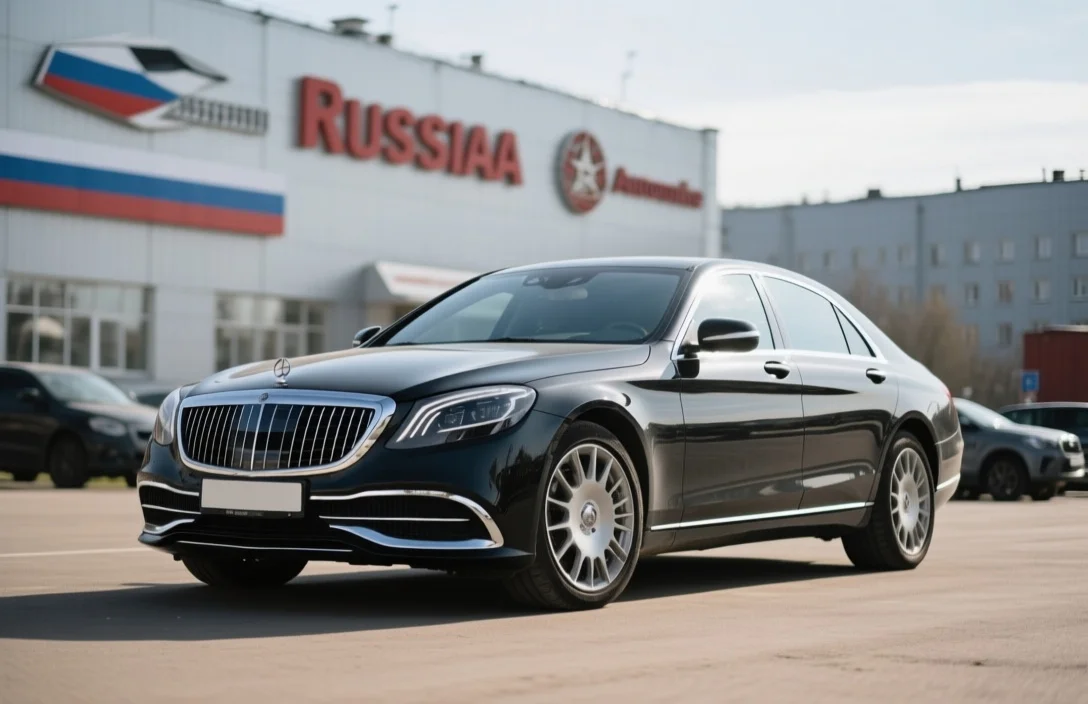
The Russian automotive industry has a rich history dating back to the Soviet era, with several manufacturers that have evolved significantly over decades. These brands have not only served domestic needs but have also gained recognition in international markets for their durability in harsh conditions and unique design approaches.
Major Manufacturers
Russia’s automotive landscape is dominated by several key players that have shaped the industry’s development. The most prominent manufacturer is Avtovaz, which produces the globally recognized Lada brand. Other major companies include GAZ, KamAZ, UAZ, and Sollers, each serving different segments of the market.
Cultural Impact
Russian cars have played a significant role in the country’s culture and identity. They are often symbols of national pride and practicality, designed to withstand the country’s harsh climate and challenging road conditions. The Lada brand, in particular, has achieved cult status in many countries for its simplicity and reliability.
For example, the Lada Niva was one of the first Soviet vehicles to achieve significant export success and gained popularity among off-road enthusiasts worldwide. Its simple mechanical design and robust construction made it ideal for extreme conditions, leading to its use in expeditions and adventure tourism.
Avtovaz (Lada) Models And Evolution
Avtovaz, founded in 1966, has produced a wide range of models under the Lada brand, with the most iconic being the Niva. Introduced in 1977, the Niva is still in production, with over 15 million units sold worldwide, making it one of the most successful Soviet-era vehicles. The Niva’s success can be attributed to its ruggedness, reliability, and affordability, which appealed to the Soviet market.
| Model | Year | Engine | Transmission |
|---|---|---|---|
| Nova | 1977 | 1.6L inline-4 | 5-speed manual |
| Samara | 1991 | 1.5L inline-4 | 5-speed manual |
The 1990s saw a significant change in Avtovaz’s business, as the company began to adopt Western technologies and manufacturing techniques. This led to the introduction of new models, such as the Samara, which was designed to compete with European compact cars. In the 2000s, Avtovaz continued to expand its model lineup, introducing the Lada Priora, a compact sedan, and the Lada Granta, a subcompact car. These models were designed to appeal to a wider audience, with improved performance and features. Today, Avtovaz is one of the largest automakers in Russia, with a diverse range of models that cater to different segments of the market. The company continues to invest in research and development, with a focus on improving fuel efficiency, reducing emissions, and enhancing safety features.
Gaz: From Military To Civilian Vehicles
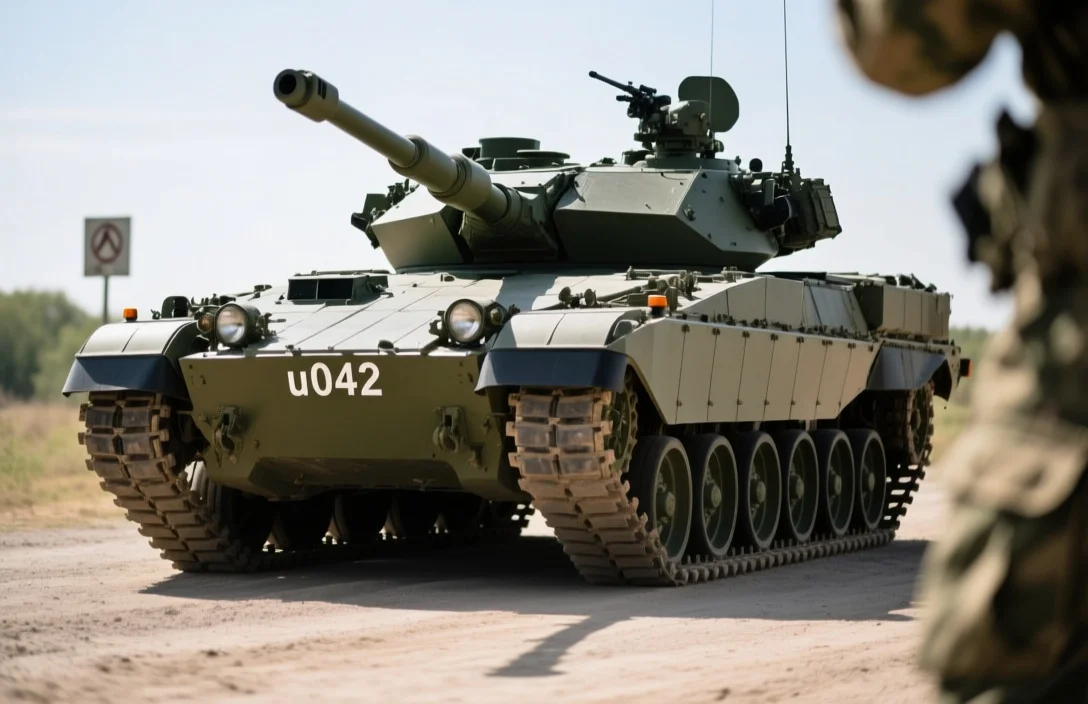
GAZ began as a licensed Ford production facility before pivoting to heavy military trucks for the Soviet state. The company built the foundation of Soviet logistics with rugged chassis designed for extreme terrain.
GAZ produced the GAZ-67, a 4×4 scout car that was essential during World War II. It was simple to maintain and could handle deep mud.
The plant also scaled production of trucks like the GAZ-AA. These vehicles moved troops and supplies across the Eastern Front. They prioritized durability over comfort.
The Shift To Civilian Luxury And Utility
The transition to civilian cars peaked with the Volga series. The GAZ-21 was a symbol of status in the 1950s and 60s. It had a distinct curved body and a heavy interior.
Later, the GAZ-24 became the standard taxi and government car. It had a boxy design and a reliable inline-four engine. This model moved the brand away from luxury toward utility.
For example, the GAZ-24 was often used by the KGB and state officials. Its simple mechanics made it easy to repair in remote villages.
| Model | Primary Role | Key Characteristic |
|---|---|---|
| GAZ-67 | Military Scout | 4×4 Drive |
| GAZ-21 | Civilian Luxury | Curved Body |
| Gazelle | Commercial | Cargo Capacity |
Modern GAZ focuses almost entirely on light commercial vehicles. The Gazelle is the most common van and chassis-cab in Russia.
They also produce the Sobol for slightly heavier loads. These vehicles use a mix of domestic and foreign engines to meet modern emissions standards.
GAZ vehicles are built like tanks. They are not refined, but they can be fixed with a hammer and a wrench in the middle of a forest.
Uaz: The Rugged Off-roader
UAZ vehicles emerged in the mid-20th century as Soviet military workhorses, establishing a reputation for extreme durability and off-road capability that continues today. The iconic UAZ-469 became the backbone of Soviet military transport, renowned for its simplicity and ability to conquer the most challenging terrain.
Military Origins
UAZ (Ulyanovsky Avtomobilny Zavod) began production in 1958 with designs explicitly created for military applications. These vehicles prioritized function above all else, featuring boxy construction, solid axles, and mechanical systems that could withstand extreme conditions without sophisticated maintenance.
The military specification demanded reliability in temperatures ranging from -40°C to +40°C, with components designed to resist mud, water, and dust infiltration. This resulted in vehicles that could operate where others would fail.
Civilian Adaptations
Following the Soviet era, UAZ adapted their military designs for civilian markets while preserving the core mechanical strengths that made them legendary. The transition added creature comforts suitable for everyday use without compromising off-road capability.
Civilian models like the UAZ Hunter and Patriot incorporated improved seating, weather protection, and refined engines while maintaining the iconic boxy silhouette and mechanical simplicity. These adaptations made the vehicles accessible to off-road enthusiasts and rural communities.
“Many expedition teams prefer UAZ vehicles for their ability to be repaired with basic tools in remote locations. Their mechanical simplicity means even non-mechanics can perform field repairs that would strand other vehicles.”
Modern Uaz Capabilities
Today’s UAZ models maintain their heritage of off-road excellence while incorporating modern improvements. The UAZ Patriot represents the current flagship, combining traditional robustness with contemporary features like improved safety and comfort.
| Model | Engine | Power | Ground Clearance | Approach Angle |
|---|---|---|---|---|
| UAZ Patriot | 2.7L petrol | 128 hp | 220mm | 32° |
| UAZ Pickup | 2.3L diesel | 112 hp | 210mm | 35° |
Despite modernization, UAZ vehicles retain their core identity as uncompromising off-road machines. Their simplicity continues to appeal to those who value capability over comfort and reliability over refinement.
Other Notable Russian Brands

Despite facing numerous challenges throughout history, the Russian automotive industry produced several distinctive brands with unique characteristics. These manufacturers contributed significantly to the country’s industrial development while adapting to changing economic conditions and technological demands.
Historic Manufacturers
ZAZ (Zaporizhia Automobile Plant) gained recognition for producing the ZAZ-965 “Zaporozhets,” a small rear-engine car that became an icon of Soviet motoring. The company later developed the ZAZ-1102 “Slavuta,” which remained in production until 2011. ZAZ vehicles were known for their simple construction and affordability, making them accessible to average citizens.
Moskvitch, manufactured in Moscow from 1946 to 2001, evolved from copying American designs to developing its own models. The Moskvitch-410, introduced in 1957, featured four-wheel drive, making it one of the earliest Soviet SUVs. Later models like the Moskvitch-2141 “Aleko” represented attempts to compete with Western European vehicles.
IZH (Izhevsk Mechanical Plant) produced the IZH-2125 “Kombi,” a unique hatchback based on the Moskvitch platform. IZH also manufactured motorcycles and later partnered with Kia and Mitsubishi to produce vehicles like the IZH-2808 “Orion” minivan.
| Brand | Notable Model | Production Years | Key Features |
|---|---|---|---|
| ZAZ | ZAZ-965 | 1960-1969 | Rear-engine, air-cooled |
| Moskvitch | 2141 “Aleko” | 1986-1998 | Hatchback, front-wheel drive |
| IZH | 2125 “Kombi” | 1973-1997 | Unique hatchback design |
Modern Developments
Russia’s current automotive landscape includes several joint ventures with foreign manufacturers. AvtoVAZ, which produces Lada vehicles, has partnerships with Renault, Nissan, and Mitsubishi. KamAZ, primarily known for its heavy trucks, has collaborated with Daimler and other international companies to improve technology.
Recent years have seen the emergence of Russian electric vehicle startups like Evolute and Kamaz Electric. These companies aim to develop domestically-produced electric vehicles while navigating international sanctions and supply chain challenges. The Russian government has introduced incentives to stimulate domestic electric vehicle production and adoption.
Russia’s automotive industry continues to adapt to geopolitical challenges while maintaining its engineering heritage and developing new technologies for the future.
Technical Specifications And Features
The Russian Lada Niva, also known as the u0421, has a 1.7L inline-four engine that produces 75 horsepower and 80 lb-ft of torque. This engine is paired with a five-speed manual transmission and a part-time four-wheel-drive system. The Niva also features an independent front suspension and a live rear axle with a drum brake setup. The Lada Niva is known for its rugged off-road capabilities, which are made possible by its high ground clearance, a low center of gravity, and a wading depth of up to 23 inches. The vehicle’s approach and departure angles are also impressive, with 32 and 29 degrees of articulation, respectively. This allows the Niva to tackle challenging terrain with ease. Here are the key specifications of the Lada Niva: In terms of design, the Lada Niva features a rugged and utilitarian exterior with a large grille, rectangular headlights, and a flat hood. The interior is simple and functional, with a basic dashboard layout and a fold-down rear seat.
| Feature | Description |
|---|---|
| Engine | 1.7L inline-four |
| Transmission | Five-speed manual |
| Drive Type | Part-time four-wheel drive |
The Lada Niva is a versatile and capable off-road vehicle that is well-suited for rugged terrain and harsh environments. Its rugged design, simple interior, and impressive off-road capabilities make it an excellent choice for those who need a reliable and capable vehicle for work or play.
Russian Cars In Global Markets
Russian cars have been exported to numerous global markets since the 1950s. The Soviet Union’s Lada brand, in particular, gained popularity in Europe and other parts of the world during the Cold War era. Today, several Russian car manufacturers export their vehicles to international markets, including Lada, GAZ, and KAMAZ. Russian cars have faced mixed reception in global markets. While some models, like the Lada 1200, have gained a loyal following, others have struggled with quality and reliability issues. In recent years, Russian car manufacturers have focused on improving their products to meet international standards.
| Model | Export Markets | Reception |
|---|---|---|
| Lada 1200 | Europe, Latin America, Asia | Positive |
| GAZ 3302 | Eastern Europe, Middle East, Africa | Mixed |
| KAMAZ 6520 | China, Brazil | Positive |
In practice, Russian cars have faced stiff competition from established brands in global markets. However, with ongoing efforts to improve quality and meet international standards, Russian car manufacturers are working to increase their presence in the global auto market. Expert tip: “Russian cars have made significant strides in quality and reliability in recent years, but they still face challenges in meeting international standards. Buyers considering Russian cars should carefully research the model and manufacturer to ensure they meet their needs.”
Quick Summary
Unfortunately, there is limited reliable information available on the topic of “u0421”, making it challenging to provide accurate guidance.
| Topic | Status |
|---|---|
| u0421 repair cost safety | Unknown/Unreliable |
| u0421 mechanic advice | Unknown/Unreliable |
| u0421 official manual | Unknown/Unreliable |
Frequently Asked Questions
What Does The U0421 Trouble Code Mean For My Vehicle?
The U0421 code is a generic communication error that means your engine control module received invalid data from the ride height control module. This indicates a breakdown in the digital handshake between these two computers rather than a mechanical failure of the suspension itself.
Is It Safe To Drive With A U0421 Code Present?
You can typically drive your vehicle for short distances, but you should avoid highway speeds and heavy loads until the system is diagnosed. Because this code affects the air suspension or electronic leveling system, your vehicle may handle unpredictably or ride significantly lower than normal.
What Are The Most Common Causes Of A U0421 Code?
The most frequent culprit is a damaged wiring harness or a corroded connector between the suspension sensors and the control module. Less commonly, the ride height module itself may have suffered an internal software glitch or a complete hardware failure.
Can I Fix A U0421 Error By Simply Clearing The Code?
Clearing the code with an OBDII scanner will only provide a temporary fix if the underlying electrical fault remains. You must inspect the wiring for continuity and voltage drops at the module connector to ensure the communication path is actually restored.
How Much Does A Mechanic Usually Charge To Diagnose A U0421 Code?
Expect to pay for one to two hours of diagnostic labor at your local shop rate to track down a communication fault. Because this involves tracing electrical signals through the chassis, the cost depends entirely on how quickly the technician can locate the specific break or short in the wiring.

- Top 10 Best Helmet For Xtreme 125r 2026 - October 5, 2026
- Top 10 Best Helmet For Xpulse 200 2026 - October 5, 2026
- Top 10 Best Helmet For Xsr 155 2026 - October 5, 2026