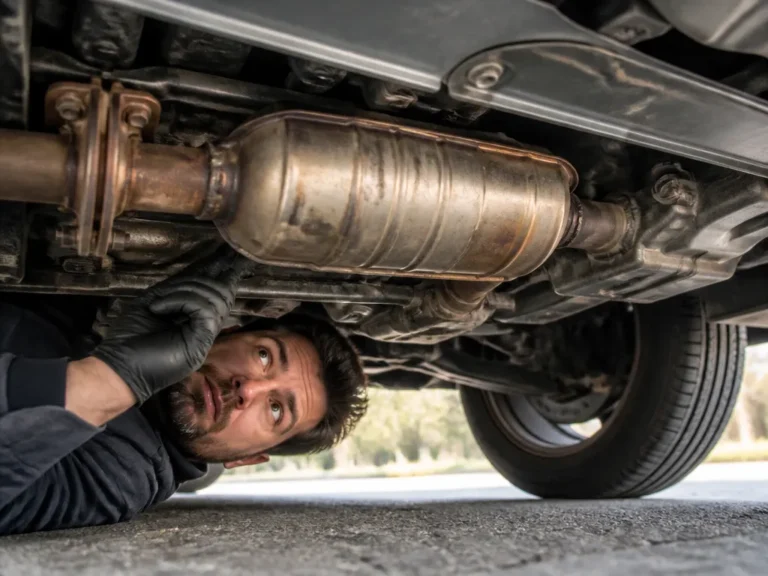
Can I Drive With P145c Code?

P145C is an OBD-II trouble code related to the vehicle’s evaporative emissions (EVAP) system. You can usually drive short distances with P145C if the car starts, idles, and drives normally, but schedule a diagnosis soon. The code can indicate that the fuel system is venting improperly and may cause an emissions-test failure.
Avoid long trips and heavy-load driving while the light is on. EVAP faults usually affect emissions and fuel-vapor control rather than engine power, but scan data can show whether the problem is active, intermittent, or accompanied by a drivability fault.
P145C Driving Takeaways
- You can usually drive. P145C is typically an EVAP emissions fault, so it often does not directly limit engine power.
- Check the warning light. If the check engine light is flashing or the vehicle has severe symptoms, stop driving and get help immediately.
- Avoid long trips. A persistent EVAP fault can allow improper fuel-vapor venting and cause repeated EVAP monitor failures.
- Check scan data. Look for “pending” versus “confirmed,” and whether the fault is active right now.
- Inspect common EVAP parts first. A loose or incorrect gas cap, faulty purge or vent valve, and damaged EVAP hoses are frequent triggers.
- Match the repair to the failure. The fix may involve correcting the gas cap, replacing a valve, or repairing an EVAP leak.
Can I Drive With a P145C Code?

The practical decision depends on whether the fault is active and whether the vehicle has stored other codes. A steady check engine light, easy starting, smooth idling, and normal acceleration generally indicate that a repair appointment is appropriate rather than an emergency response.
Even when the car drives normally, treat P145C as a “fix soon” problem rather than something to ignore for weeks. EVAP faults can return during normal driving, and some vehicles may not complete certain emissions monitor routines until the system passes.
Multiple codes or symptoms such as rough running, misfires, or a fuel smell require a sooner inspection because they point beyond a simple emissions-only fault.
What P145C Means on Your Vehicle
P145C is an OBD-II code that points to a problem with the EVAP system. The system captures fuel vapors from the tank and routes them through a charcoal canister and controlled valves instead of allowing them to vent into the atmosphere. When the vehicle detects abnormal pressure or vacuum behavior, a leak, or a valve that is not operating as expected, the ECU can log a code such as P145C.
In practice, the problem usually falls into one of these categories:
- The EVAP system does not hold pressure or vacuum during its self-test.
- A purge or vent valve does not respond correctly.
- A leak exists in an EVAP hose, connection, fuel tank, or canister area.
The exact EVAP strategy varies by make and model. Some vehicles use multiple valves and sensors to verify system operation, so two cars with P145C may need different repairs.
Other EVAP-related codes also matter. A single P145C with otherwise clean scan results usually points to a narrower problem than P145C combined with purge-valve or venting errors.
Common Causes of P145C
The most common trigger for an EVAP code like P145C is a leak in the fuel-vapor system, and the simplest leak source is often the fuel cap. A loose cap, damaged cap seal, or incorrect cap can cause the EVAP system to fail its pressure checks. The system may detect the problem even when you cannot smell fuel.
Other common causes include:
- A purge valve stuck open or closed, depending on the vehicle’s control strategy
- A malfunctioning vent valve
- Loose, cracked, or disconnected EVAP hoses
- A damaged charcoal canister
- A blocked or failed EVAP component
- Corroded or damaged electrical connectors
Some vehicles detect small leaks only under specific test conditions, such as after a cold soak or within a particular engine-speed or load range. Fuel level and temperature can also affect whether the EVAP monitor runs and whether it catches the fault.
Start with the most likely causes:
- Check that the gas cap is correct, undamaged, and sealing tightly.
- Inspect the purge and vent valves for signs of malfunction.
- Look for cracked, loose, or disconnected EVAP hoses near the canister and underbody.
- Inspect the charcoal canister and related fittings for damage or blockage.
Is P145C a Driving Safety Problem?
P145C is generally not an immediate driving safety issue because an EVAP fault normally does not cause brake failure, steering loss, or an immediate loss of engine power. Most vehicles continue to drive normally. The main concerns are emissions compliance and improper fuel-vapor containment.
Do not dismiss the code if the vehicle smells strongly of fuel, shows visible vapor, has trouble starting, runs roughly, or enters an abnormal operating mode. A flashing check engine light or additional engine-related codes also changes the situation. Those symptoms can indicate a problem more serious than an EVAP fault alone.
When to Stop Driving and Tow
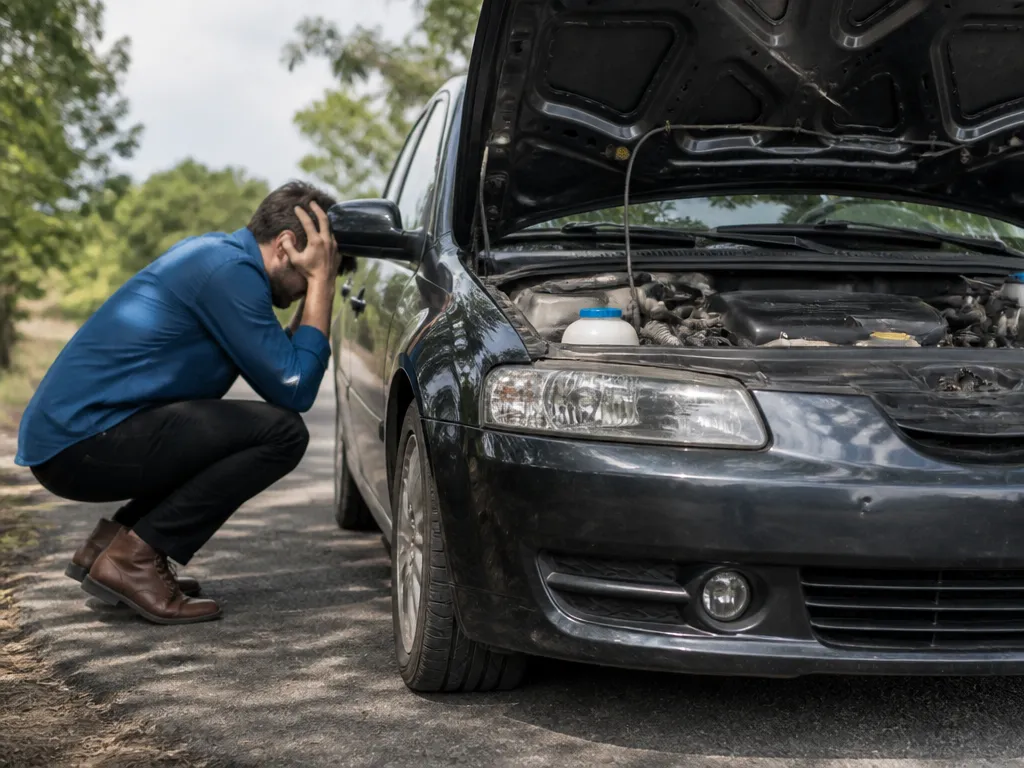
Stop driving and tow the vehicle when the warning signs go beyond a steady emissions light. The main reasons are a flashing warning light, poor drivability, or evidence that fuel is not being contained safely.
Stop and tow, or call for roadside help, if any of these conditions apply:
- The check engine light is flashing.
- The engine is misfiring heavily, stalling repeatedly, or will not restart.
- You smell strong fuel around the vehicle or near the rear after refueling.
- You see fuel leaking, unusual smoke, or damaged EVAP lines.
- The vehicle has additional serious trouble codes, not just P145C.
A scan can help if you are unsure. It may show whether the ECU has recorded additional faults alongside P145C, but serious symptoms should guide the decision even before you get scan results.
How to Diagnose P145C
Start with a scan that provides more than the code number. Check whether P145C is stored, pending, or confirmed, and whether it is active now. If the scanner displays freeze-frame data, review the engine load, coolant temperature, fuel level, and EVAP monitor conditions. These details can show whether the failure occurred after a cold soak, at a certain fuel level, or under a specific driving condition.
Perform the basic physical checks before buying parts:
- Inspect the gas cap and gasket. If you recently refueled, confirm that the cap is the correct type and is tightened properly.
- Look for disconnected or damaged EVAP hoses and fittings near the canister or under the vehicle.
- Check for cracks, loose connections, and missing clips.
- Inspect accessible EVAP electrical connectors for corrosion, damage, or broken retaining clips.
If the scan tool supports component commands, test the EVAP valves. A valve that does not respond when commanded can narrow the diagnosis. Also check whether the EVAP monitor completes after a repair. Sensor readings for pressure or vacuum can provide additional information when compared with the behavior expected during the vehicle’s EVAP test cycle.
Without a scan tool, a repair shop can read the codes and basic EVAP data, then perform a smoke test. A smoke test is often the quickest way to find small leaks that are invisible during a visual inspection.
Repairs That Clear P145C
The correct repair depends on which part of the EVAP system failed. In most cases, the job involves repairing the leak source or restoring proper valve operation. Erasing the code alone does not fix the system; the EVAP monitor must pass its test so the ECU stops logging the fault during later drive cycles.
If the gas cap caused the fault, replace it or seat it correctly, then complete the vehicle’s EVAP monitor drive cycle. If the purge or vent valve is faulty, the usual repair is valve replacement. A damaged line or wiring harness may need repair as well.
For an EVAP hose leak, the repair may involve:
- Reseating a loose connection
- Replacing a cracked hose
- Repairing a damaged fitting
- Replacing a failed canister or related component
Prevent the code from returning by fixing the actual leak or valve problem rather than clearing the warning. After the repair, drive under conditions that allow the EVAP monitor to run – often a mixed route with a stable fuel level and normal operating temperatures, depending on the vehicle.
If you clear P145C before making the repair, the code may return quickly. That usually means the underlying EVAP failure is still present.
FAQ
Can I Drive My Car if P145C Is Stored?
A stored code does not by itself show whether the fault is currently active. Review the vehicle’s running condition and scan status, and arrange diagnosis rather than assuming the code has resolved.
Will P145C Make My Car Fail an Emissions Test in the US?
It often can. Many inspection programs flag an illuminated check engine light, and EVAP-related codes like P145C commonly result in a failed emissions test. The car may drive normally and still fail because the code shows that the emissions system has not passed its checks.
How Long Does It Take to Diagnose P145C?
A simple cause, such as a loose or damaged gas cap, can be identified within minutes. Finding a leak or valve problem takes longer, especially when the shop needs scan data and a smoke test. Expect a same-day check if you bring the vehicle in with useful scan information.
What Is the Most Common P145C Mistake?
The most common mistake is clearing the code and assuming the problem is fixed without confirming that the EVAP monitor passes. The ECU reruns EVAP checks during normal driving, so P145C often returns when the leak or valve fault remains.
Is P145C Serious Enough to Require a Tow?
Towing depends on the vehicle’s symptoms and any additional codes, not on the P145C label alone. A flashing warning light, repeated stalling, strong fuel odor, leakage, or major drivability problems warrants stopping and arranging recovery.
When those conditions are absent, use scan results and a physical inspection to determine whether the EVAP monitor fault is active or intermittent.

- Top 10 Best Helmet For Xpulse 200 2026 - October 5, 2026
- Top 10 Best Helmet For Xsr 155 2026 - October 5, 2026
- Top 10 Best Helmet For Xc Mtb 2026 - October 5, 2026