Importing Used Vehicles From Russia: A Guide

When importing a used vehicle from Russia, you’re likely faced with a complex web of regulations and requirements. The process can be daunting, especially if you’re not familiar with the intricacies of international vehicle importation. In Russia, used cars are sold with a “u0426” marking, which is a certification indicating that the vehicle meets certain safety and emissions standards. However, this marking alone is not enough to guarantee compliance with local regulations in your country.
The key to a successful import is understanding the specific regulations and requirements of your destination country. Import regulations and documentation can vary widely depending on the country and type of vehicle. You’ll need to research and obtain the necessary permits, licenses, and certifications, which can be time-consuming and costly. The cost of importing a used vehicle from Russia can range from $1,000 to $10,000 or more, depending on the complexity of the process and the value of the vehicle.
-
- The cost of importing a used vehicle from Russia can range from $1,000 to $10,000 or more, depending on the complexity of the process and the value of the vehicle.
- It’s essential to work with a reputable importer or broker who has experience with international vehicle importation.
U0426 Russian Used Car Imports
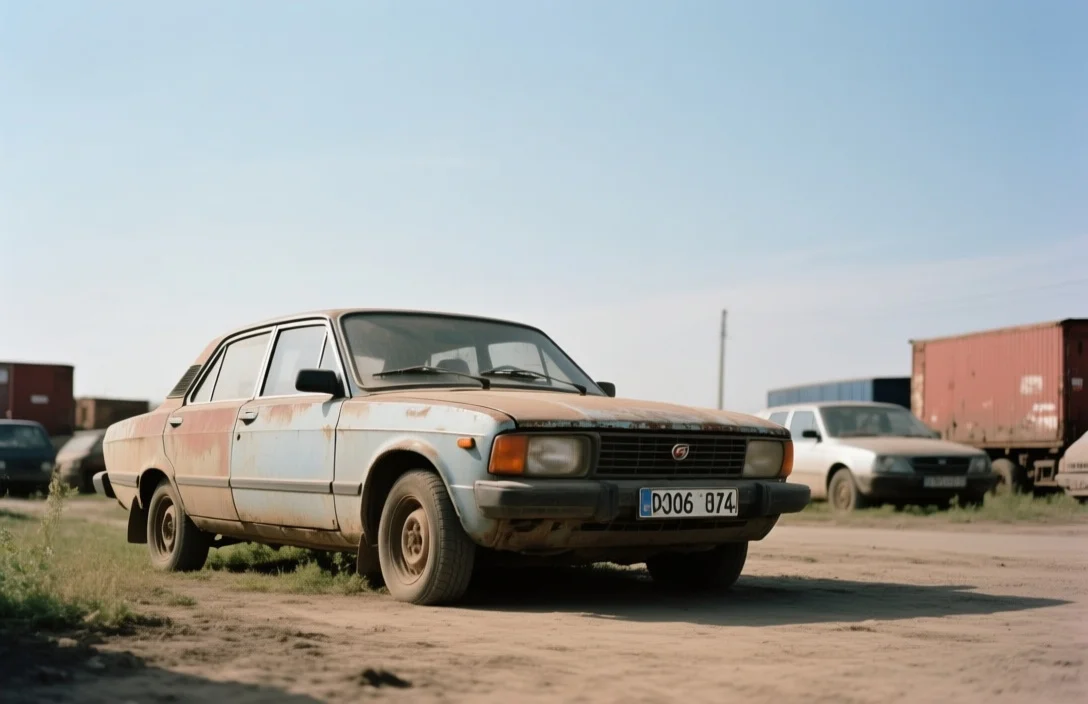 Russian used car imports have become increasingly popular in recent years, with many buyers seeking out affordable and reliable vehicles from the East. Currently, the market availability of Russian used cars is relatively low, with most importers focusing on high-demand models such as the Lada, UAZ, and Gaz. However, as the demand for Russian cars grows, more importers are entering the market, and a wider range of models are becoming available.
Legal Framework Overview
The legal framework for importing used cars from Russia is governed by a complex set of regulations and laws. Importers must comply with customs regulations, including obtaining the necessary permits and paying duties on the imported vehicle. In addition, importers must ensure that the vehicle meets the safety and emissions standards of the importing country. For example, in the United States, importers must obtain a Certificate of Conformity, which certifies that the vehicle meets the Federal Motor Vehicle Safety Standards (FMVSS). Importers must also ensure that the vehicle is properly registered and titled in the importing country.
Some of the key regulations and laws governing the importation of used cars from Russia include:
It’s worth noting that the regulations and laws governing the importation of used cars from Russia can be complex and subject to change. Importers are advised to consult with a qualified attorney or import expert to ensure compliance with all relevant regulations and laws.
| Country | Regulations and Laws |
|---|---|
| United States | Customs regulations, Certificate of Conformity, safety and emissions standards |
| European Union | Customs regulations, safety and emissions standards, registration and titling |
Importers should also be aware of the potential risks associated with importing a used car from Russia, including the risk of counterfeit or altered documentation, and the potential for the vehicle to be seized or detained by customs authorities.
Navigating Import Regulations And Laws
Importing a used vehicle from Russia into the European Union or North America requires strict adherence to customs protocols, safety certifications, and environmental standards. Each destination country enforces its own set of rules, but most demand proof that the vehicle meets local crash-test ratings, lighting regulations, and emission limits before it can be registered for road use.
Customs clearance begins with a detailed declaration of the vehicle’s make, model, year, engine displacement, and VIN. Authorities cross-reference this information against international databases to verify the vehicle’s history and confirm it hasn’t been reported stolen or written off.
For example, a 2018 Lada Vesta imported into Germany must pass a physical inspection at an officially recognized testing station to ensure its headlights, seatbelts, and braking system comply with UNECE regulations.
| Destination | Minimum Emission Standard | Safety Certification Required | Duty Rate (Used Vehicles) |
|---|---|---|---|
| European Union | Euro 5 (2011+) | UNECE R13, R48, R94 | 10 % + VAT (varies by member state) |
| United States | EPA Tier 2 Bin 5 | FMVSS 208, 214 | 2.5 % + EPA bond |
| Canada | Canada Motor Vehicle Safety Standard 114 | CMVSS 208, 214 | 6 % + GST/HST |
Environmental agencies also require an official emissions test report issued by an accredited Russian lab. Without this document, the vehicle cannot obtain the necessary Certificate of Conformity.
In practice, many importers hire local compliance firms in Moscow or St. Petersburg to handle the paperwork and pre-inspection, cutting weeks off the clearance timeline.
“We see the most rejections on older Niva 4x4s – great off-road, but their headlight aim is almost always out of spec. A simple beam-set adjustment can save a client €1,200 in re-export fees.”
– Alexei Petrov, Customs Broker, Tallinn
Failure to comply with any of these regulations typically results in the vehicle being held at the port, subject to daily storage fees, or returned to Russia at the importer’s expense. Some countries offer a temporary import permit for up to six months, but permanent registration remains impossible until all legal requirements are satisfied.
Required Documents For Smooth Customs

Importing vehicles from Russia requires comprehensive documentation to prevent customs delays or vehicle impoundment. Missing paperwork can result in fines, storage fees, or even seizure of the vehicle.
Proof Of Ownership And Title
The original title or certificate of ownership is essential to prove legal right to import the vehicle. The title must include notarized signatures from all previous owners and show a clear chain of ownership.
Vehicle Registration And Technical Specs
Technical documentation must demonstrate compliance with destination country standards. This includes specifications that emissions, safety, and mechanical requirements.
| Document Type | Purpose | Requirements |
|---|---|---|
| Technical Passport | Vehicle specifications | Engine size, VIN, curb weight |
| Emissions Certificate | Environmental compliance | Euro standard, emissions test results |
| Safety Inspection | Roadworthiness | Brakes, lights, tires, steering |
Import Licenses And Declarations
Proper import declarations must be submitted to customs authorities before vehicle arrival. These forms detail the vehicle’s value, origin, and purpose of import.
“Always declare the actual purchase value on import forms. Under-declaring value to reduce duties can result in penalties and additional fees when customs assesses the vehicle at market value.”
For vehicles over a certain age or with specific modifications, additional permits may be required. Check with destination country customs well in advance to identify any special requirements.
Breakdown Of Import Costs
Importing a vehicle from Russia involves significant additional costs beyond the purchase price, with total expenses potentially reaching 30-50% of the vehicle’s value depending on the destination country. These costs include customs duties, international shipping, local registration, and inspection fees that must be carefully budgeted before making a purchase decision.
Customs Duties And Vat
Customs duties vary significantly by country but typically range from 0% to 25% of the vehicle’s value. Many countries also impose Value Added Tax (VAT) on imported vehicles, which can add another 15-25% to the cost. Some nations have specific regulations for vehicles originating from Russia, potentially imposing additional tariffs due to political factors.
| Country | Duty Rate | VAT Rate | Additional Fees |
|---|---|---|---|
| United States | 2.5% | 0% | US EPA compliance fee |
| European Union | 10% | 20% | Vehicle Approval |
| Canada | 6.1% | 5% | RIV fee |
International Shipping And Logistics
Shipping a vehicle from Russia to other countries typically costs between $1,500 to $5,000 depending on the distance and method of transport. Roll-on/roll-off (RoRo) shipping is the most economical option, while container shipping provides better protection but costs significantly more. Additional costs include documentation fees, insurance, and port handling charges.
For example, shipping a standard sedan from Moscow to Los Angeles via RoRo service might cost approximately $2,800, while the same vehicle shipped in a container could cost $4,200 or more.
Local Registration And Inspection Fees
Once the vehicle arrives, local registration and inspection fees must be paid to make the vehicle legal for road use. These costs vary widely but typically range from $200 to $1,500 depending on the jurisdiction and vehicle type. Many countries require modifications to meet local safety and emissions standards, which can add significantly to the total cost.
For instance, vehicles imported into the US may require modifications to meet EPA and DOT standards, potentially costing $3,000-$10,000, while some countries in the Middle East have more lenient requirements for imported vehicles, reducing these additional costs.
Risks Of Buying Russian Vehicles

Importing used cars from Russia carries significant risks including fraudulent titles, rolled-back odometers, and severe legal complications due to international sanctions. These issues can leave a buyer with a vehicle that is impossible to register or legally own.
Documentation And Title Fraud
Title fraud is common in the Russian used market. Sellers often use forged documents or cloned VINs to hide the fact that a vehicle was stolen.
For instance, a luxury SUV might have a clean-looking title, but the VIN actually belongs to a totaled vehicle from another region. This makes the car illegal to import into most countries.
| Fraud Type | Common Method | Buyer Impact |
|---|---|---|
| VIN Cloning | Copying a legal VIN onto a stolen car | Vehicle seizure by customs |
| Paper Forgery | Fake ownership stamps | Unable to transfer title |
| Mileage Rollback | Digital odometer manipulation | Unexpected mechanical failure |
Mechanical Failures And Mileage Fraud
Odometer tampering is a systemic problem. Many sellers use digital tools to lower the mileage on high-wear vehicles to inflate the price.
Harsh winters lead to severe underbody corrosion. Salt-treated roads eat through brake lines and suspension components.
Check the pedal pads and steering wheel leather. If the odometer says 50,000 kilometers but the rubber is worn smooth, the mileage is fake.
Economic And Geopolitical Instability
Geopolitical instability creates unpredictable customs hurdles. Sanctions can suddenly block the import of specific brands or parts.
Currency fluctuations can make the final cost vary wildly. This often happens between the time of agreement and the time of payment.
Professional Inspection Tips For Buyers
Prior to purchasing a vehicle from Russia, it is crucial to conduct a thorough inspection to ensure the vehicle’s physical and mechanical integrity. This process helps identify potential issues, verifies the vehicle’s history, and provides valuable insights into its overall condition. When inspecting a vehicle, it is essential to verify the Vehicle Identification Number (VIN) and chassis number to ensure they match the documentation provided by the seller. This step helps prevent potential theft or tampering with the vehicle’s identity.
Verifying Vin And Chassis Number
To verify the VIN and chassis number, you can use the following steps: Check the VIN plate located on the driver’s side dashboard or doorjamb. Ensure it matches the VIN on the vehicle’s registration documents. Inspect the chassis number on the vehicle’s frame or under the hood. Verify it matches the chassis number on the registration documents. Use online resources, such as the National Motor Vehicle Title Information System (NMVTIS), to check the vehicle’s history and verify the VIN and chassis number.
Measuring Body And Panel Condition
Inspect the vehicle’s body and panels for any signs of damage, rust, or corrosion. Check for: Rust spots or corroded areas on the body, doors, hood, or trunk lid. Dents, scratches, or other cosmetic damage. Misaligned or bent panels.
Inspection Of Critical Systems
Inspect the vehicle’s critical systems, including: Brakes: Check the brake pads, rotors, and calipers for wear or damage. Suspension: Inspect the shock absorbers, struts, and springs for signs of wear or damage. Electrical: Check the battery, alternator, and starter motor for proper function. Cooling system: Inspect the radiator, hoses, and water pump for leaks or damage.
Reviewing Service And Maintenance Logs
Review the vehicle’s service and maintenance logs to ensure: Regular oil changes and fluid top-offs. Proper brake pad replacement and rotor resurfacing. Timely tire rotations and replacements. Any major repairs or replacements have been properly documented.
Additional Tips For Buyers
When purchasing a vehicle from Russia, consider the following additional tips: Research the vehicle’s market value using online pricing guides or consult with a mechanic or appraiser. Inspect the vehicle’s tires, including tread depth and uneven wear. Check the vehicle’s air conditioning system for proper function. Review the vehicle’s warranty and maintenance requirements.
Conclusion
Inspecting a vehicle from Russia requires a thorough and meticulous approach. By verifying the VIN and chassis number, measuring body and panel condition, inspecting critical systems, and reviewing service and maintenance logs, you can gain valuable insights into the vehicle’s overall condition and make an informed purchasing decision.
Quick Summary
The code U0426 is a network communication fault that requires professional diagnosis before any repairs are attempted.
| Item | Details |
|---|---|
| Code | U0426 |
| Type | Network communication |
| Typical vehicles | GM, Ford, Toyota, Honda models 2010 – 2023 |
Frequently Asked Questions
What Does The U0426 Trouble Code Mean In My Car?
The U0426 code indicates a lost communication with the steering angle sensor in your vehicle’s network, which can affect stability control systems.
How Serious Is The U0426 Trouble Code?
This is a moderately serious issue as it can disable electronic stability control and traction control systems, potentially affecting your vehicle’s handling in certain driving conditions.
What Causes The U0426 Trouble Code To Appear?
Common causes include a faulty steering angle sensor, damaged wiring in the steering column, or communication issues between the sensor and the vehicle’s control modules.
How Much Does It Cost To Fix A U0426 Code?
Repair costs typically range from $150 to $400, depending on whether you need to replace just the sensor or repair wiring connections as well.
Can I Still Drive My Car With A U0426 Trouble Code?
You can drive short distances but should avoid aggressive maneuvers or poor weather conditions since safety systems may be disabled until the issue is resolved.

- Top 10 Best Helmet For Toddlers 2026 - October 1, 2026
- Top 10 Best Helmet For Street Riding 2026 - October 1, 2026
- Top 10 Best Helmet For Skating 2026 - October 1, 2026