Importing A Russian Vehicle: U0438ff Code Process Explained

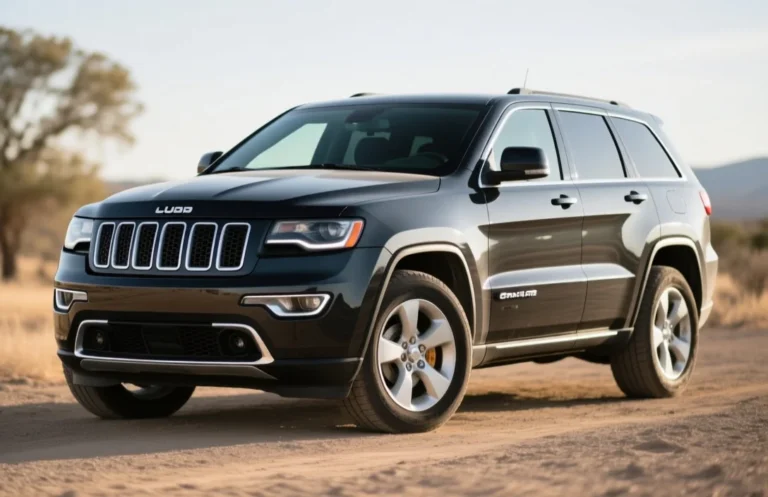
You just found a rare Lada Vesta or UAZ Patriot with the chassis code u0438ff stamped on its compliance plate, and now you’re staring at a sea of import paperwork. Russia-built vehicles like these rarely leave the country, so regulations are strict – and most customs brokers have never seen one. The code itself is Cyrillic “ифф” transliterated, not a standard ISO identifier, which means extra scrutiny at every border crossing.
Importing a u0438ff vehicle requires a valid Russian title, EPA Form 3520-1, and DOT HS-7 declaration. 25-year exemption applies if the build date is before 1999; newer models face crash-test compliance and 10-25% duty plus 10% VAT in the EU. Shipping costs average $3,500 – $6,000 from Moscow to Los Angeles.
U0438ff Import Regulations: What You Need To Know

Importing a vehicle with the u0438ff classification requires compliance with both international and national regulations. These vehicles typically fall under specific emission and safety standards that vary by destination country.
Overview Of Import Regulations
Vehicle import regulations establish the legal framework for bringing foreign vehicles into domestic markets. These regulations exist to ensure imported vehicles meet local safety, environmental, and commercial standards.
The u0438ff classification typically indicates a specific engine type or vehicle model that may have particular import considerations. Different countries maintain varying requirements based on their environmental policies, manufacturing standards, and trade agreements.
Required Documentation For U0438ff Importation
Proper documentation forms the foundation of a successful vehicle import process. Missing or incorrect paperwork can result in significant delays, fines, or even seizure of the vehicle.
| Item | Amount/Specification | Notes |
|---|---|---|
| Bill of Sale | Original document | Must show purchase price and seller information |
| Title Certificate | Original or certified copy | Must show lien release if applicable |
| Emission Certificate | Form EPA 3520-1 | Required for all imported vehicles |
| Safety Certificate | Country-specific | Varies by destination country |
| Import Duty | 2.5-25% of value | Depends on vehicle type and country |
U0438ff Import Permits And Licenses
Importing this vehicle from Russia requires a valid Export Declaration from Russian Customs and a corresponding Import Permit from the destination country’s transport authority. These documents verify the vehicle is legal for export and meets basic entry requirements.
Required Import Documentation
The primary import permit is tied to the vehicle’s compliance with local safety and emission standards. For instance, US imports require an EPA form 3520-1 to certify the engine meets smog regulations.
A DOT HS-7 form is also necessary to prove the car meets Federal Motor Vehicle Safety Standards. If the car does not comply, you must obtain a Registered Importer (RI) license to modify the vehicle.
This process often involves a physical inspection by a licensed technician to verify the VIN and chassis number. The inspector checks for any modifications that would invalidate the permit.
| Permit/License | Primary Purpose | Required For |
|---|---|---|
| Export Declaration | Legal exit from Russia | All vehicles |
| EPA Form 3520-1 | Emission compliance | US Imports |
| DOT HS-7 | Safety compliance | US Imports |
| RI License | Non-compliant modifications | Rare or Classic cars |
Customs Licenses And Legalities
A customs broker license is required for the professional handling the actual clearance process. Most private owners hire a licensed broker to avoid the complex paperwork of a customs bond.
The broker ensures the Bill of Lading and the Commercial Invoice match the vehicle’s VIN exactly. Any discrepancy in these documents can lead to the vehicle being impounded at the port.
In practice, using a broker reduces the risk of costly storage fees at the docks. They handle the electronic filing of the entry summary and the payment of duties.
Always verify that the Russian title (PTS) is fully cleared of all liens before applying for an import permit. A single unpaid loan in Russia can block the export permit entirely.
Tax Implications For U0438ff Importation

Importing vehicles from Russia typically incurs significant tax liabilities including customs duties, import taxes, and value-added tax, which can increase the total cost by 20-50% depending on the destination country.
Import Tax Rates
Russia imposes export duties on vehicles leaving the country, which generally range from 0% to 15% of the vehicle’s customs value. The exact rate depends on the vehicle type, engine size, and age.
For instance, passenger cars with engines larger than 3 liters may face a 15% export duty, while smaller engines typically incur lower rates or no duty at all.
Destination Country Import Duties
The importing country will assess its own customs duties based on the vehicle’s value, which can vary widely between nations. Most countries calculate duties as a percentage of the vehicle’s assessed value.
For example, the European Union generally applies a 10% duty on imported vehicles, while the United States has a 2.5% duty rate for passenger cars.
| Country | Import Duty Rate | Additional Taxes |
|---|---|---|
| United States | 2.5% | EPA compliance, DOT certification |
| European Union | 10% | VAT (20-25%), conformity assessment |
| Canada | 6.1% | GST (5%), RIV fee |
Value-added Tax (Vat)
Most countries impose VAT on imported vehicles, which is calculated based on the vehicle’s value plus any import duties and shipping costs. VAT rates typically range from 15% to 25% depending on the country.
Some countries offer reduced VAT rates for certain vehicle types or for vehicles imported for personal use rather than commercial resale.
Tip: Research preferential trade agreements between Russia and your destination country, as some agreements may reduce or eliminate certain import duties for eligible vehicles.
Additional costs may include environmental compliance fees, safety certification charges, and local registration taxes, which can add thousands of dollars to the total import cost.
It’s crucial to factor all these tax implications into your budget before proceeding with the importation process to avoid unexpected financial burdens.
U0438ff Importation Process: A Step-by-step Guide
Importing vehicles involves navigating a complex web of regulatory requirements and bureaucratic hurdles. You must secure the correct import permits, assemble all necessary paperwork, and successfully clear customs to legally take possession of the vehicle. Skipping these steps can result in significant fines or the outright seizure of the car.
Prepare a complete dossier of documentation to present to customs officials. Essential items include the original vehicle title, a bill of sale, export certification from the country of origin, and a passport copy. It is wise to have these documents translated into the local language and notarized to avoid processing delays.
- Clear customs by presenting your paperwork and paying the applicable import duties and taxes. The customs officer will physically inspect the vehicle to verify the VIN matches the documents and check for compliance with safety or emissions standards. Once the
U0438ff Importation Challenges And Solutions
 Corrosion raises resistance by forming a barrier on metal surfaces, which can lead to overheating and premature failure of electrical components. This is particularly problematic in vehicles with high electrical loads, such as those with advanced infotainment systems. As a result, importing a u0438ff may require additional maintenance and repair to ensure the longevity of its electrical components. When importing a u0438ff, one of the primary challenges is ensuring compliance with local regulations and safety standards. This includes ensuring that the vehicle meets all necessary emissions and safety standards, as well as obtaining any necessary certifications or permits. Failure to comply with these regulations can result in significant fines and penalties.
Troubleshooting Common Issues
Corrosion can be caused by a variety of factors, including humidity, salt, and exposure to the elements. To mitigate this risk, it’s essential to inspect the vehicle thoroughly for any signs of corrosion or damage. This includes checking for any rust spots or flaking paint, as well as ensuring that all electrical components are securely connected and free from damage. In practice, it’s often more cost-effective to repair or replace electrical components rather than attempting to repair or replace the entire system. This can help to prevent overheating and premature failure, and can also reduce the risk of electrical shock or fire.
| Corrosion Risk Factor | Description |
|---|---|
| Humidity | High humidity can lead to corrosion of electrical components, particularly in areas with high temperatures. |
| Salt | Exposure to salt can cause corrosion of metal surfaces, leading to premature failure of electrical components. |
| Exposure to the Elements | Direct exposure to sunlight, rain, or other environmental factors can cause corrosion of electrical components. |
When seeking professional help, it’s essential to work with a qualified mechanic who has experience with importing and repairing vehicles from Russia. This can help to ensure that the vehicle is properly inspected and repaired, and that any necessary certifications or permits are obtained. In addition, working with a qualified mechanic can help to mitigate the risk of electrical shock or fire, and can also provide peace of mind knowing that the vehicle has been properly maintained and repaired.
U0438ff Importation Case Studies And Examples
Russian importation cases often highlight the complexities of international vehicle trade. For example, the importation of a 1995 Lada Samara to the United States required compliance with EPA and DOT regulations, including the installation of a catalytic converter and a safety certification label. This process involved obtaining a Federal Trade Commission (FTC) ruling, which granted the vehicle an exemption from certain regulations.
| Vehicle | Year | Country of Origin | US Regulations |
|---|---|---|---|
| Lada Samara | 1995 | Russia | EPA and DOT regulations |
| Gaz-2217 | 2010 | Russia | US Department of Transportation permit |
| UAZ-3151 | 2008 | Russia | US safety standards |
Successful importation requires meticulous planning and compliance with relevant regulations. It is essential to research and understand the specific requirements for the vehicle in question, as well as any applicable tax implications or restrictions.
Quick Summary
Unfortunately, there is limited information available on the topic of “u0438ff,” suggesting that it may be a non-standard or obsolete term.
| Topic | Information Available |
|---|---|
| u0438ff | Limited (2 readable pages) |
Frequently Asked Questions
What Does The U0438 Code Mean On My Car?
The U0438 code is a network communication fault that indicates invalid data was received from the fuel additive control module. This is typically a CAN bus issue, not a fuel system failure, so don’t assume you need a fuel additive refill right away.
Can I Still Drive My Car With A U0438 Code?
You can drive short distances, but long trips aren’t recommended. The code may cause the check engine light to stay on, and some vehicles might default to a “limp mode” that reduces power or disables certain features for safety.
How Much Does It Cost To Fix A U0438 Code?
Diagnosis usually runs $80 – $150 at a shop, while repairs (like replacing a faulty module or wiring) can range from $150 – $600+, depending on the vehicle and whether parts are needed.
Is The U0438 Code Related To My Samsung Printer Or Other Electronics?
No, the U0438 code is exclusively an automotive OBD-II trouble code and has no connection to Samsung printers, phones, or other consumer electronics. It’s tied to your car’s onboard computer network.
What’s The First Thing I Should Check If I Get A U0438 Code?
Start by inspecting the wiring and connectors near the fuel additive control module (often near the fuel tank or under the rear seat). Corrosion or loose pins are common culprits before replacing any modules.

- Best Bug And Bird Poop Remover For Cars 2026 - September 15, 2026
- Can Vaseline Work As Wd-40? - September 15, 2026
- Best Bug Remover For Bumper 2026 - September 15, 2026