Repairing U0553:82-2a Fault Code

Your vehicle’s onboard diagnostic system has thrown a code: U0553:82-2A. This code is specific to the Battery Management System (BMS) or Start System Circuit, and it’s causing issues with your car’s electrical system. You’re not alone – this code can appear on various models and makes, and it’s a common problem that many car owners face. In this article, we’ll delve into the possible causes, symptoms, and recommended repairs for the U0553:82-2A code.
The U0553:82-2A code is related to a malfunction in the BMS or Start System Circuit. This could be due to a faulty battery sensor, a problem with the start/stop system, or a software issue. The code may also be triggered by a loose or corroded battery connection, a malfunctioning alternator, or a faulty wiring harness.
U0553:82-2a Code Definition And System Impact

This trouble code indicates that the Battery Control Module (BCM) has detected an error in the 82-2A circuit, which is responsible for controlling the battery charging system. The 82-2A circuit is a specific wire circuit that monitors the battery’s state of charge and controls the charging process. When the BCM detects an error in this circuit, it stores the trouble code U0553:82-2A and illuminates the dashboard warning light.
Corrosion raises resistance by forming a barrier between the electrical connections, which can prevent the battery from charging properly. This can lead to a range of issues, including slow engine starts, reduced fuel efficiency, and even complete battery failure in extreme cases.
Affected Vehicle Systems
The U0553:82-2A code affects the Battery Management System (BMS) and the Start System Circuit. The BMS is responsible for monitoring the battery’s state of charge and controlling the charging process, while the Start System Circuit is responsible for providing power to the starter motor and other essential systems.
The BMS uses a complex algorithm to determine when the battery needs to be charged and when it’s fully charged. If the 82-2A circuit is malfunctioning, the BMS may not be able to accurately monitor the battery’s state of charge, leading to a range of issues.
Why Proper Diagnosis Matters
Proper diagnosis of the U0553:82-2A code is critical to avoid unnecessary repairs and ensure that the underlying issue is addressed. If the problem is not properly diagnosed, it may lead to further damage to the battery, electrical system, or other components.
A thorough diagnosis will involve checking the 82-2A circuit for signs of corrosion or damage, as well as ensuring that the battery is properly sized and maintained for the vehicle’s needs.
Recognizing U0553:82-2a Symptoms
The moment this fault code sets, the vehicle’s battery management system detects an invalid or missing signal from the start system control module. Most drivers notice an immediate change in how the engine cranks or refuses to crank at all. The dashboard lights may flicker or dim when turning the key, and the starter motor often engages weakly or clicks repeatedly without turning the engine over.
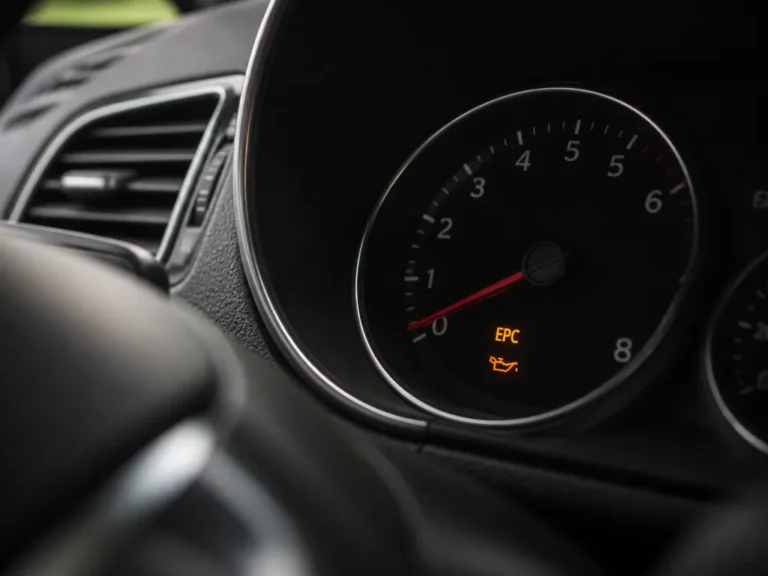
Common warning signs appear in clusters rather than isolation. For instance, the check engine light illuminates alongside a battery-shaped warning icon, and the instrument cluster may display “Service Start System” or “Engine Start Disabled” messages. Fuel economy can drop noticeably because the engine control module enters a conservative fuel map to compensate for the unreliable start signal.
Performance issues extend beyond starting. Drivers report hesitation during acceleration, rough idle, and occasional stalling at stoplights. These symptoms stem from the engine control module receiving inconsistent data about the start system’s status, forcing it into a default mode that prioritizes limp-home capability over smooth operation. In hybrid models like the Ford Fusion Energi or Chevrolet Volt, the electric motor may refuse to engage, leaving the vehicle stranded until the fault clears.
| Symptom | Typical Occurrence | Most Affected Models |
|---|---|---|
| No crank, no start | Cold mornings or after short drives | Ford Escape, Lincoln MKC |
| Slow cranking | After extended idling or highway speeds | Chevrolet Malibu, Buick Regal |
| Dashboard warnings | Immediately after key-on | Toyota Camry Hybrid, Lexus ES |
| Remote start failure | After multiple failed attempts | Honda Accord, Acura TLX |
“I chased this code for weeks on a 2018 Fusion. The car would start fine one day, then click like a dead battery the next. The dealer replaced the battery and alternator before finally tracing it to a corroded ground strap between the start module and chassis. A $12 part saved a $1,200 module replacement.”
– ASE Master Technician, independent shop owner
Dashboard indicators provide the clearest clues. The check engine light may flash briefly before settling into a steady glow, and the battery warning light often stays illuminated even when the alternator tests normal. Some vehicles log additional codes like P0562 (low system voltage) or P0615 (starter relay circuit) alongside U0553:82-2a, creating a diagnostic trail that points to the start system’s communication network.
Causes Of U0553:82-2a Code
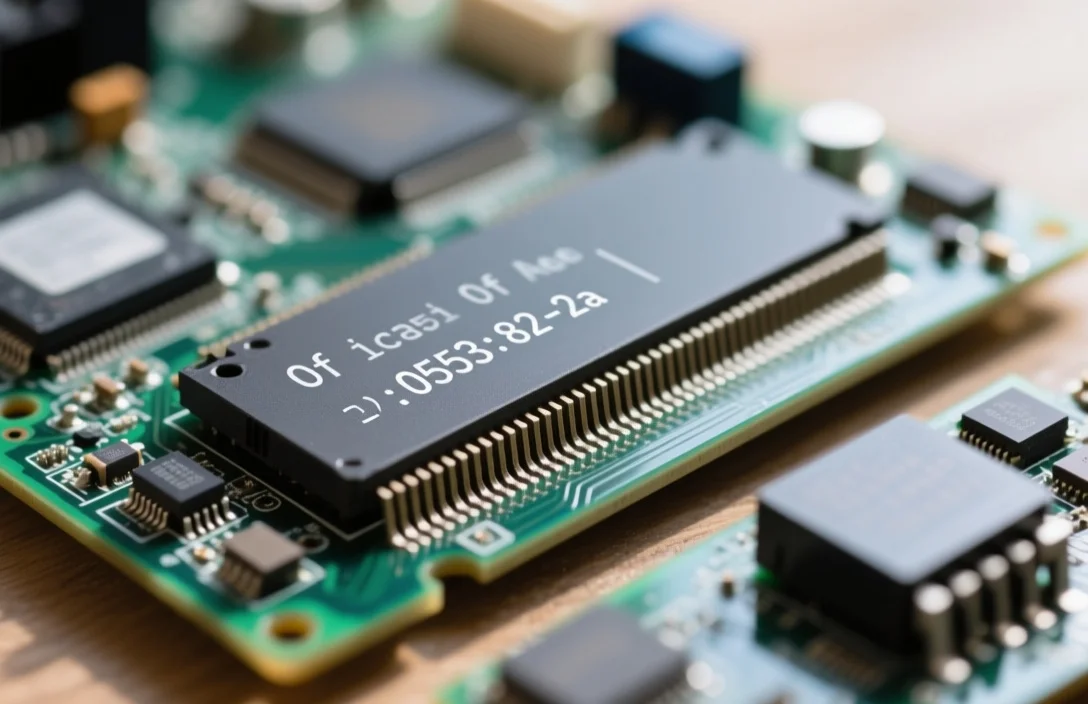
A signal interruption between the Battery Management System (BMS) and the engine control module triggers this fault. It usually indicates that the data packets are missing or contain values that the computer considers impossible.
Battery And Sensor Failures
The Intelligent Battery Sensor (IBS) is a common failure point for this code. This small module on the negative terminal monitors current, voltage, and temperature. If the internal circuitry fails or the sensor gets contaminated, the system cannot track the state-of-charge.
Old batteries with high internal resistance also cause these errors. When the voltage dips too low during a start cycle, the BMS may lose communication momentarily. This creates an implausible signal error in the ECU memory.
For instance, a battery that tests at 12.2V static but drops to 8V during cranking will often trip this code. The computer sees the voltage drop as a hardware failure rather than a dying battery.
Wiring And Software Issues
Corroded ground straps or frayed wires in the engine bay cause intermittent signal loss. Vibration often rubs the wiring harness against the chassis, which shorts the communication lines or breaks the signal wire.
Software glitches in the Body Domain Controller (BDC) or the Engine Control Unit (ECU) can misinterpret valid data. Manufacturers often release firmware updates to widen the acceptable voltage windows for these signals to prevent false codes.
Avoid the temptation to simply clear the code and drive. If the IBS is faulty, the alternator may not charge the battery at the correct rate, which will kill a brand new battery in a few months.
| Potential Cause | Estimated Part Cost | Repair Difficulty |
|---|---|---|
| IBS Sensor | $60 – $150 | Easy |
| Battery Replacement | $150 – $300 | Easy |
| Wiring Harness Repair | $100 – $400 | Medium |
| ECU Software Update | $100 – $200 | Professional |
Initial Diagnostic Steps
To diagnose the issue, a scan tool is needed to access the freeze frame data, which provides a snapshot of the vehicle’s systems at the time the trouble code was stored. The scan tool will also allow access to the live data, which can help to identify any real-time issues. Additionally, a code reader or OBD-II scanner is necessary to retrieve the trouble code and any associated information.
Reading Freeze Frame Data
It is also a good idea to consult the vehicle’s repair manual and any technical service bulletins (TSBs) related to the trouble code.
Keep in mind that the diagnosis process may involve additional steps and procedures, and it is always a good idea to consult a professional mechanic if you are unsure of the diagnosis or repair process.
Advanced Diagnostic Procedures
 System voltage tests are critical for identifying voltage-related issues that may be contributing to the u0553:82-2A code. These tests typically involve using a multimeter to measure the voltage at various points in the system, including the battery, starter motor, and solenoid. For example, a voltage drop test can help determine if there is a significant voltage drop across the starter motor or solenoid, indicating a possible fault in the circuit.
Component Inspection
Corrosion raises resistance by forming a barrier between the metal surfaces, which can cause the starter motor to work harder and draw more current, leading to overheating and potential damage.
Communication System Checks
A faulty communication system can prevent the vehicle’s computer from properly communicating with the starter motor and solenoid, leading to the u0553:82-2A code.
When performing system voltage tests, it’s essential to follow proper safety procedures to avoid electrical shock or other injuries. Always consult the vehicle’s repair manual for specific instructions and precautions. Additionally, if you’re unsure about any aspect of the diagnostic process, it’s always best to consult a professional mechanic or the vehicle’s manufacturer for guidance.
Repair Solutions For U0553:82-2a
This fault code points to a communication loss between the battery management module and the start system control module, often triggered by voltage irregularities or corrupted data. Repairs focus on restoring clean power delivery, verifying module communication, and replacing damaged components before reflashing software.
For vehicles with persistent issues after electrical repairs, module replacement or software updates may be necessary. GM models like the Chevrolet Silverado and GMC Sierra frequently exhibit this code due to faulty battery management modules.
If the code reappears after these steps, a deeper network issue may exist. Advanced diagnostics, such as oscilloscope testing of CAN bus signals, can pinpoint intermittent faults in wiring or modules.
Cost And Time Estimates
Repair costs for this communication error vary based on whether the fault is a dead battery, a failed sensor, or a corrupted module. Simple battery replacements typically cost between $150 and $300, while module replacements can exceed $1,000 including labor.
| Repair Item | Estimated Part Cost | Estimated Labor | Total Time |
|---|---|---|---|
| Battery Replacement | $150 – $300 | $50 – $120 | 1 Hour |
| BMS Sensor | $50 – $150 | $80 – $150 | 1 – 2 Hours |
| Wiring Repair | $20 – $100 | $150 – $400 | 2 – 4 Hours |
| Control Module | $500 – $1,200 | $200 – $500 | 3 – 6 Hours |
Professional Vs. Diy Repairs
Replacing the battery or the BMS sensor is a straightforward task for most owners with basic hand tools. These jobs are rated as Low to Medium difficulty. You can save significantly on labor by performing these swaps in your own garage.
Module replacement and wiring diagnostics are High difficulty tasks. These require a professional scan tool to register a new battery to the vehicle or to code a new module to the VIN. Without this registration, the alternator may overcharge the new battery and shorten its life.
Safety Warning: Always disconnect the negative battery terminal before touching electrical connectors or sensors. Shorting a live circuit in the Battery Management System can fry the control module instantly.
For instance, a technician might spend three hours just tracing a frayed wire in the engine harness before spending thirty minutes actually fixing it. This is why labor costs for wiring issues often outweigh the cost of the materials.
Professional shops usually charge between $100 and $200 per hour for diagnostic time. If the issue is a simple software glitch, you might only pay for a one-hour diagnostic fee and a module re-flash.
Prevention And Maintenance Tips
Keeping the battery management system in top shape prevents communication errors like this one before they trigger a check-engine light. A weak or sulfated battery forces the system to work harder, increasing the chance of voltage spikes that corrupt data on the CAN bus. Replace the battery every 4 – 5 years, even if it still cranks the engine.
Corrosion on the battery terminals or ground straps raises resistance and distorts the signals the module expects to see. Clean terminals with a wire brush and apply dielectric grease every six months, especially in humid or salty climates. Check the ground strap between the battery and chassis; if it feels warm to the touch or shows green crust, replace it.
Quick Maintenance Checklist
| Task | Frequency | Tools Needed |
|---|---|---|
| Battery voltage check | Every 3 months | Multimeter |
| Terminal cleaning | Every 6 months | Wire brush, dielectric grease |
| Ground-strap inspection | Annually | Flashlight, wrench set |
| Full system scan | Every oil change | OBD-II scanner |
“I’ve seen more U0553 codes on late-model GM trucks after owners jump-start another vehicle than from any other single cause. The voltage spike when the cables are disconnected can scramble the BMS calibration. Always connect the negative cable to the engine block, not the dead battery’s negative post.”
– ASE Master Technician, 22 years at a Chevrolet dealership
Aftermarket accessories that tap into the battery or fuse block – remote starters, LED light bars, or high-power audio systems – can introduce noise or draw current when the key is off. Have any new electrical mods installed by a shop that understands CAN-bus networks; they’ll add a dedicated relay and capacitor to isolate the accessory from the vehicle’s sensitive modules.
If the code reappears after repairs, the module itself may be failing. Most BMS modules are sealed and not serviceable; replacement is the only fix. On vehicles still under warranty, the dealer will replace it for free. Out of warranty, expect to pay $250 – $450 for the part plus 1 – 2 hours of labor to program the new module to the vehicle’s VIN.
Quick Summary
The code u0553:82-2a is a manufacturer-specific diagnostic trouble code requiring professional diagnosis due to limited public documentation.
| Aspect | Recommendation |
|---|---|
| When to see a mechanic | Immediately upon code detection |
| DIY approach | Not recommended for this code |
Frequently Asked Questions
What Does The U0553:82-2a Code Actually Mean?
This code is a network communication fault in the Controller Area Network (CAN) bus. Specifically, it means the powertrain control module (PCM) detected invalid or missing data from the fuel pump control module (FPCM) – sub-type 82, failure mode 2A.
Which Vehicles Are Most Likely To Throw A U0553:82-2a Code?
This code is common in GM trucks and SUVs from 2014-2019, particularly Silverado, Sierra, Tahoe, and Suburban models with the 5.3L or 6.2L V8 engines. It rarely appears in other brands.
Can I Still Drive My Car With A U0553:82-2a Code?
You can drive short distances, but the fuel pump may default to 100% duty cycle, causing poor fuel economy and potential long-term pump wear. Get it diagnosed within a week to avoid fuel system damage.
What’s The Typical Repair Cost For U0553:82-2a?
Most shops charge $120-$250 for diagnosis, then $300-$800 if the fuel pump control module needs replacement. Wiring repairs usually run $150-$400 depending on harness complexity.
How Do I Test The Fuel Pump Control Module For U0553:82-2a Without A Scan Tool?
You can check for 12V power and good ground at the FPCM connector using a multimeter. Also inspect the CAN bus wires (orange and orange/black) for continuity to the PCM – resistance should be under 1 ohm between modules.

- Best Bug And Bird Poop Remover For Cars 2026 - September 15, 2026
- Can Vaseline Work As Wd-40? - September 15, 2026
- Best Bug Remover For Bumper 2026 - September 15, 2026