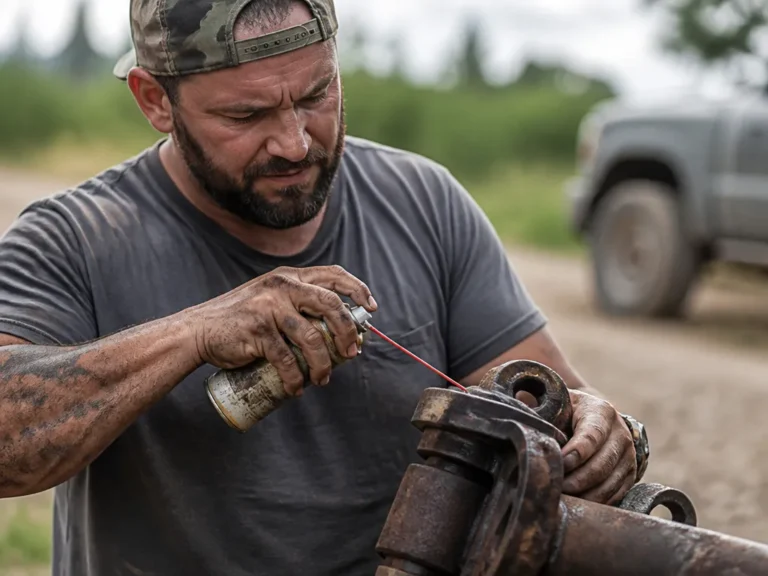
What Is The Most Powerful Penetrating Oil?

Penetrating oil is a thin fluid designed to creep into the narrow gaps around rusted bolts, hinge pins, and other seized metal parts. People ask for “the most powerful penetrating oil,” but the best product depends on the job: heavy corrosion, a vertical part, wet weather, or the amount of time you can wait.
Penetrating oil works by reaching tight rust gaps and chemically loosening corrosion over time. The most effective results usually come from a low-viscosity product plus dwell time, often 30 minutes to overnight, rather than a miracle formula. Look for “penetrating” on the label along with a specific solvent carrier, and apply enough to wet the seam – a thin mist may not reach the threads.
The Short Answer
- “Most powerful” depends on the job. The best oil varies with rust severity, part orientation, and how long you can wait.
- Creep matters most. Lower viscosity helps oil reach thread and corrosion micro-gaps.
- Dwell time beats hype. Let it sit for 30 minutes to overnight so it has time to work.
- Chemistry loosens rust. Many products contain rust-dissolvers or corrosion inhibitors.
- Application method matters. Spray directly at seams and threads, then reapply if the oil evaporates quickly.
- Heat can help. Pairing penetrating oil with carefully controlled heat often breaks the rust bond faster than oil alone.
What Is the Most Powerful Penetrating Oil?
The most powerful penetrating oil is the one that reaches the rust boundary quickly, loosens corrosion, and does not damage the surrounding material. In practice, that usually means a thin penetrating spray with a solvent carrier, applied directly to the threads and given enough time to wick into the joint.
When a bolt seizes, the main problem is getting fluid into the rust interface where the metal surfaces have bonded. Once oil reaches that boundary, it can reduce friction, displace moisture, and begin breaking down rust layers so the threads can move. That is why two people can use the same oil and get different results: one applies it at the seam, while the other fogs the outside of the bolt.
Treat “powerful” as a performance target: penetration speed, rust loosening, and compatibility with nearby materials. A stuck lug nut, frozen gate hinge, and brake caliper bracket bolt may all need different handling. Choose based on the material and access, not the most dramatic claim on the can.
What Determines Penetrating-Oil Performance?
Powerful penetration depends on physical access as much as active chemistry. The oil must enter tiny clearances, wet the metal surface, and stay there long enough for loosening to occur.
These factors determine whether the oil works quickly or seems useless:
- Rust severity: Light surface oxidation may release with less dwell time. Heavy corrosion usually needs repeated applications and patience.
- Orientation and gravity: Vertical parts tend to drip and lose fluid. Horizontal parts hold oil longer and often respond better to the same product.
- Temperature and humidity: Cold and very wet conditions can slow evaporation and chemical action. Repeated applications may help maintain coverage.
- Access to the thread boundary: Spraying across a bolt head rarely works as well as spraying where the threads meet the nut, clamp, or housing.
- Repeat cycles: One application is often only a first attempt. Two to three cycles can make a noticeable difference.
Penetration is not the same as lubrication. A product that frees a stuck fastener is usually formulated to seep into the joint, not to remain as a thick, long-term lubricant. A heavy lubricant may sit on top of the rust instead of reaching the interface.
Material compatibility matters too. Some penetrating products are aggressive on rust, and harsh solvents can affect painted surfaces, rubber boots, and certain plastics. The most powerful product is a poor choice if it damages the part you are trying to save.
How to Apply Penetrating Oil Effectively
Most failures come from short dwell time, poor placement, or removing the solvent with water, dirt, or heat too soon. The application process determines how much benefit you get from the product.
Do These Things for Better Penetration?
- Clean the surface first. Wipe away thick dirt so the nozzle can deliver oil where it matters.
- Aim at the thread interface. Spray where the nut meets the bolt, where a hinge pin enters the bracket, or where brackets clamp to the metal.
- Use enough volume. A quick mist may evaporate before it creeps. A wet coat at the seam lasts longer.
- Let it dwell. Give it 30 minutes, then try again. If it remains seized, repeat the application and extend the wait. Overnight is common for severe rust.
- Reapply after each attempt. When a bolt moves slightly, the rust can crack and create new paths for the oil. Add fresh penetrant before trying again.
- Consider gentle heat carefully. If the surrounding part can safely tolerate heat, warming it may help expand the metal and break the rust bond. Keep heat away from brake lines, wiring, and rubber.
Avoid These Common Mistakes
- Do not flood a brake rotor face or allow penetrant to reach friction surfaces. Cover the rotor areas and clean them before driving.
- Do not use penetrating oil as the final lubricant after the bolt moves. Once the part is free, use the correct lubricant or anti-seize for the metal pair.
- Do not force hardware while it is still firmly seized. Excessive force can shear hardware or stretch bolts, turning a manageable repair into a replacement job.
What Penetrating Oil Can Save You
A strong penetrating oil can save time and reduce the chance of breaking parts. Once a bolt begins moving freely, you can remove it, inspect the threads, clean the joint, and prevent the problem from returning.
The practical benefits include:
- Less risk of snapped fasteners: Penetration reduces the force needed to break the rust bond.
- Cleaner disassembly: Intact threads make reassembly easier and reduce the need to repair damaged hardware.
- Better reusability: Releasing corroded hardware without deforming it can eliminate unnecessary replacements.
- Less collateral damage: A product matched to the surrounding materials reduces the risk of swelling, brittle residue, or lingering contamination.
- More predictable troubleshooting: If the oil fails after a reasonable amount of time, the problem may involve mechanical deformation, the wrong bolt size, or thread galling rather than surface rust.
There is also a practical benefit: freeing the part lets you finish the job instead of repeatedly heating, forcing, or drilling. Rust often worsens between attempts, and time spent chasing a seized fastener quickly adds up.
Judge performance by results you can observe: easier thread movement, lower torque needed to break the fastener free, and threads that remain usable after cleaning.
Which Type of Penetrating Oil Should You Buy?
“Most powerful” is not one magic brand. The useful choice is usually a two-stage process: use a penetrating spray to break the bond, then apply the correct lubricant, grease, or anti-seize for long-term protection.
These are the main product types found in US hardware and automotive stores:
- Thin penetrating sprays: Best first choice for seized bolts, nuts, hinges, and rusted mechanical joints. Their low viscosity helps them creep into tight gaps.
- Gel or thick penetrating products: Useful on vertical or overhead parts where a thin spray would run off. The gel stays in place longer.
- Penetrant with rust inhibitor: Helpful when you need some short-term protection before you can reassemble the part. The surface may still require cleaning for a critical fit.
- Specialty formulations: Products made for marine environments, heavy salt exposure, or specific metals can help when corrosion is stubborn or recurring.
Match the product to the problem:
- If the part is rusted and stuck, start with a thin penetrating spray.
- If the product runs off before it can work, switch to a gel.
- Try controlled movement: Turn the part slightly. If it begins to move, stop forcing it and add more penetrant if necessary.
- Clean and reassemble correctly: Once the part comes free, remove rust, inspect the threads, and use the appropriate prevention method, such as anti-seize for suitable metal pairs or a lubricant recommended for the hardware.
| If the job involves brakes or sensitive plastics, mask nearby surfaces and plan on careful cleanup. | Option type | Key trait | Best for | Main trade-off |
|---|---|---|---|---|
| Thin penetrating spray | Low viscosity, fast seep | Nuts, bolts, clamps in accessible seams | Drips off vertical parts | |
| Gel penetrating oil | Stays where you apply it | Overhead jobs, vertical hinges | Slower creep than very thin sprays | |
| Penetrant + inhibitor | Loosening plus short-term protection | Outdoor parts you cannot reassemble immediately | Can leave more residue, needs cleaning for critical fits | |
| Specialty (marine/metal-specific) | Tailored chemistry | Heavy salt corrosion | Often pricier, verify material compatibility |
Do not start with heavy grease. Grease rarely creeps into the rust micro-gap where the initial break-free action occurs.
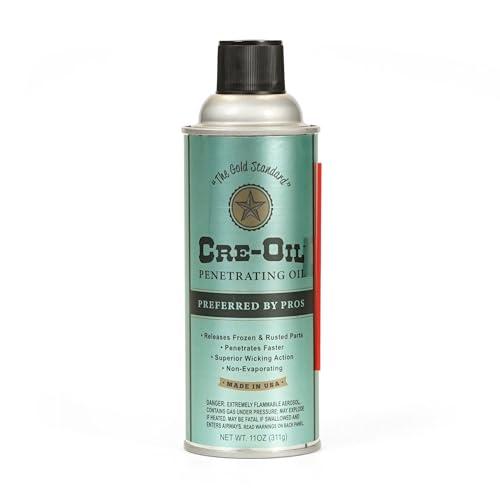
Helpful pick
Cre-Oil Penetrating Oil – Low-Viscosity Thread Penetrant for Rusted Bolts, Nuts & Fittings; Bolt Loosener Spray with Residual Lubrication; Automotive & Industrial Use, 11 oz
This low-viscosity thread penetrant is an excellent choice for the first stage of the process, effectively loosening rusted bolts and fittings before lubrication.
A Reliable Process for Freeing Seized Hardware
The dependable approach is procedural: apply the right product at the right location, control dwell time, use heat only when safe, and finish with proper cleaning and reassembly. When someone says penetrating oil did not work, the problem is often poor placement or a rushed attempt.

Helpful pick
Cyclo – Breakaway Fast Penetrating Oil
Cyclo Breakaway is a fast-acting penetrating oil that fits perfectly into a professional workflow for freeing seized hardware quickly and safely.
Use this workflow:
Safety is part of the choice. Penetrants can contaminate brake friction areas, wiring insulation, and rubber boots. Near brakes, cover the friction surfaces and clean the area thoroughly afterward. Around wiring and rubber, keep the spray targeted instead of flooding the joint.

Helpful pick
Lucas Oil 11043 Penetrating Oil – 11 Ounce
Lucas Oil penetrating spray is a reliable product to keep on hand during your workflow to ensure threads remain lubricated after initial movement.
Penetrating-Oil
A stuck lug nut on a road trip is a classic penetration-timing problem. Rain and road salt can seize the nut at the thread interface even when the visible corrosion looks minor. Apply penetrating oil directly where the nut meets the stud, wait at least 30 minutes, then reapply and wait longer if the nut still will not move.
A gate hinge that has not moved in years presents a different challenge. Spray applied from a distance may coat the top of the hinge without reaching the pin-to-bracket gap. A gel-type penetrant packed into the joint and left overnight will usually stay in place better than a one-time spray.
Brake caliper bracket bolts require extra care because contamination can create a safety problem. If you use penetrating oil near the rotor, cover the friction surfaces and keep overspray away from rubber boots where possible. After the bolt comes free, clean the area thoroughly before reassembly so oily residue does not reach the braking surfaces.
A rusted plumbing fitting or old engine fastener often responds to repetition and cleanliness. Apply the oil, wait, try a small movement, and apply it again before deciding whether you need heat or a mechanical tool. If the part moves after the third cycle, shift to cleaning and proper reassembly instead of continuing to force it.
In each case, the product matters, but the result depends largely on where the oil goes and how long it stays at the rust boundary.
FAQ
What Is the Most Powerful Penetrating Oil for Really Stuck Bolts?
The most reliable choice is usually a thin penetrating spray designed for corrosion. For heavier rust, repeated applications and a longer dwell time are more useful than a single application.
How Long Should I Leave Penetrating Oil Before Trying Again?
For light to moderate corrosion, try after about 30 minutes. For severe rust or parts that have not moved in years, allow a longer dwell time, often overnight.
Is Penetrating Oil Safe to Use on Brakes?
Penetrating oil is not universally safe on braking components because residue can contaminate friction surfaces. Keep overspray away from rotor and pad contact areas, and clean the affected surfaces thoroughly before reassembly and driving.
What Is the Biggest Mistake People Make With Penetrating Oil?
They spray the outside of the bolt or hinge instead of aiming at the seam where the threads or pin meet the housing. Rushing the attempt is another common mistake.
Can I Use Something Besides Penetrating Oil?
Yes. Controlled heat can help break the rust bond when nearby materials can safely tolerate it. Mechanical methods, such as a proper wrench leverage tool, can help once the bond weakens. After removal, use the correct lubricant or anti-seize for the metal pair rather than relying on penetrant for long-term protection.

- Best Bug And Bird Poop Remover For Cars 2026 - September 15, 2026
- Can Vaseline Work As Wd-40? - September 15, 2026
- Best Bug Remover For Bumper 2026 - September 15, 2026