Can 35 Inch Tires Fit on 20 Inch Wheels? Compatibility Guide

Considering upgrading your vehicle’s tires but unsure if 35 inch tires will fit on a 20 inch wheel? Understanding tire sizing and compatibility can be confusing, yet it’s crucial for performance and safety. Let’s break down the essentials to help you make an informed decision.
35 inch tires typically require larger rims for proper fitment. A 20 inch wheel is generally too small for such tires, leading to potential issues like poor handling and increased wear. Always check manufacturer specifications for compatibility.
Understanding the Basics
Understanding tire and wheel compatibility is crucial for vehicle modifications. When considering if 35-inch tires will fit on a 20-inch wheel, several factors must be evaluated. These include the tire’s width, aspect ratio, and the specific vehicle’s suspension setup. This section will provide foundational knowledge on what makes tire and wheel combinations work together effectively.
The diameter of the wheel, measured in inches, is a critical determinant for tire fitment. A 20-inch wheel means that the inner diameter of the tire must match this measurement. Additionally, 35-inch tires refer to the overall diameter of the tire when inflated and mounted on the vehicle. To ensure proper fitment, the tire’s width should also correspond with the wheel’s width, typically measured in inches as well.
Moreover, vehicle modifications such as lift kits or body kits may influence the fitment of larger tires. It is vital to consider the clearance between the tires and the vehicle’s components, including the fenders, suspension arms, and brake calipers. Proper planning and research will help in determining whether 35-inch tires can be safely mounted on 20-inch wheels without compromising performance or safety.
Key Concepts and Fundamentals
This section addresses the compatibility of 35-inch tires with 20-inch wheels, focusing on crucial factors that determine fitment. Understanding these elements is essential for ensuring proper installation and performance. Key considerations include tire width, aspect ratio, and wheel specifications.
First, consider the tire width. A 35-inch tire typically has a wide profile, which may not align with the narrow stance of a 20-inch wheel. The wheel’s width, measured from bead seat to bead seat, should be compatible with the tire’s width for optimal performance. Generally, a wheel width range of 10 to 12 inches is recommended for 35-inch tires.
Next, the aspect ratio of the tire also affects fitment. This ratio reflects the tire’s sidewall height relative to its width. A lower aspect ratio may lead to a stiffer ride and less sidewall flex, which can impact handling and comfort. Ensure that the aspect ratio complements the wheel size.
Lastly, the wheel’s offset and bolt pattern must match the vehicle specifications. An incorrect offset can lead to poor alignment and tire wear. Always verify these measurements before considering the installation of larger tires on your wheels.
How It Works
Understanding whether 35-inch tires can fit on a 20-inch wheel involves comprehending tire and wheel specifications. The primary factors include tire diameter, wheel diameter, and width compatibility. These elements determine if the tire can be mounted securely and function properly on the wheel.
The first crucial specification is the rim diameter. A 20-inch wheel can accommodate tires designed for that size, but the 35-inch measurement refers to the overall height of the tire when mounted. The tire’s width and aspect ratio also play significant roles in fitting. For instance, a wider tire might require more clearance in the wheel well and suspension system.
Next, tire width is critical. Tires typically come with a width range that pairs well with specific wheel sizes. For a 20-inch wheel, the tire width must be compatible; otherwise, installation could lead to safety issues, including blowouts or uneven wear. Always check manufacturer guidelines for the proper tire size corresponding to the wheel width.
Furthermore, the vehicle’s suspension system and wheel well space must be assessed. Large tires can affect steering, handling, and braking. Ensuring that the vehicle can accommodate such modifications without compromising safety is paramount.
Benefits and Advantages
Understanding the compatibility of 35-inch tires on a 20-inch wheel is crucial for vehicle performance and safety. This section will outline the benefits and advantages of this tire and wheel combination, helping you make informed decisions for your vehicle setup.
One significant advantage of fitting 35-inch tires on a 20-inch wheel is improved ground clearance. This increase allows for better off-road capability, enhancing traction and stability on uneven terrains. Additionally, larger tires can provide a more aggressive stance, giving the vehicle a more powerful visual appeal.
Moreover, oversized tires often offer better shock absorption due to their larger sidewalls, contributing to ride comfort, especially on rough surfaces. The wider contact patch of 35-inch tires can also enhance grip, improving handling and cornering performance on various surfaces.
Another benefit is the potential for improved towing and load-carrying capacity. Larger tires can handle heavier loads, making them suitable for trucks and SUVs that frequently tow trailers or carry substantial payloads. With the right fitment, this combination can enhance your vehicle’s overall functionality.
Practical Applications
Determining whether 35 inch tires will fit on a 20 inch wheel is crucial for vehicle performance and safety. This section outlines practical considerations to ensure compatibility between tire size and wheel size, focusing on factors such as wheel width, tire pressure, and vehicle modifications.
First, consider the wheel width. A 20 inch wheel typically ranges in width. For 35 inch tires, a wheel width of 9 to 12 inches is generally recommended for optimal performance and safety. Check the tire manufacturer’s specifications for compatibility.
Tire pressure is another vital factor. Proper inflation ensures that the tire maintains its shape and performance characteristics. Over-inflation or under-inflation can lead to poor handling and increased wear. Always follow the manufacturer’s guidelines for both the tires and the wheels.
Vehicle modifications may also be necessary to accommodate larger tires. This can include adjustments to the suspension, wheel wells, or even the gearing of the vehicle. Ensuring adequate clearance is essential to avoid rubbing against the body or suspension components during turns or under load.
Lastly, consult with a tire professional or mechanic to verify fitment based on your specific vehicle and intended use. This expert advice can prevent costly mistakes and enhance your vehicle’s performance.
Expert Tips and Best Practices
Understanding how 35-inch tires fit on a 20-inch wheel involves more than just the numerical compatibility. It’s essential to consider factors such as tire width, wheel offset, and suspension modifications that may be necessary to ensure proper fitment and performance.
Check the tire specifications for recommended rim widths. Typically, a 35-inch tire may require a rim width ranging from 9 to 12 inches, depending on the tire brand and model. Ensure that your 20-inch wheel falls within this range.
Evaluate the wheel offset, which affects how the tire sits relative to the suspension and fender. A positive offset may push the tire inward, while a negative offset could extend it outward. This can lead to clearance issues or require modifications to your vehicle.
Consider your vehicle’s suspension setup. Installing larger tires may necessitate a lift kit or leveling kit to avoid rubbing against the wheel wells or suspension components during turns or under load.
Lastly, consult with a professional tire shop or mechanic. They can provide expert advice tailored to your specific vehicle and ensure that all modifications are safe and effective.
Real-World Examples
Understanding whether 35-inch tires fit on a 20-inch wheel can be clarified through practical examples. Different vehicles and setups can impact fitment and performance significantly.
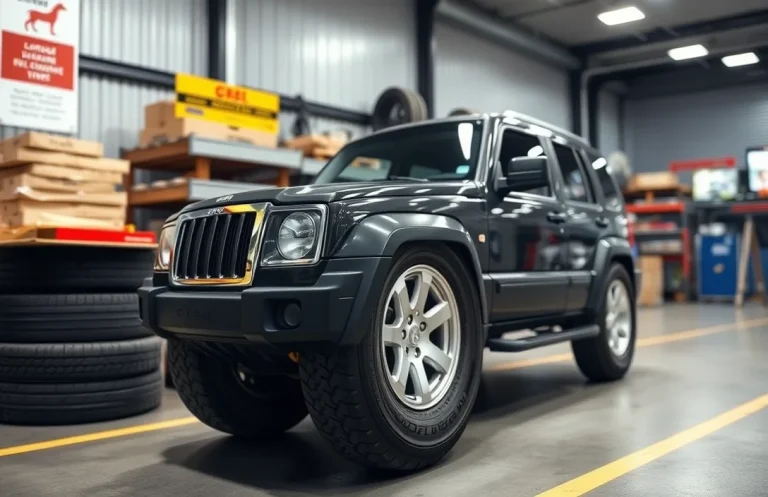
Consider a Jeep Wrangler, which is a popular choice for off-roading enthusiasts. Many owners upgrade to 35-inch tires while maintaining a 20-inch wheel. With the proper lift kit and adjustments to the wheel well, these tires fit well, enhancing both performance and aesthetics.
Another example is a Ford F-150. Truck owners often opt for larger tires to improve off-road capability. In this case, fitting 35-inch tires on 20-inch wheels is achievable, provided that the suspension is upgraded to accommodate the increased size and prevent rubbing during turns.
Conversely, a sedan like the Honda Accord typically would not support such a setup. The dimensions and design constraints of the vehicle mean that fitting 35-inch tires on 20-inch wheels would likely lead to serious clearance and handling issues.
These examples illustrate that fitting 35-inch tires on a 20-inch wheel depends on the specific vehicle and any modifications made. Always consider the vehicle’s overall design and intended use when deciding on tire and wheel sizes.
Getting Started
This section focuses on the practical considerations and potential modifications required to fit 35-inch tires on a 20-inch wheel. Understanding these aspects is crucial for ensuring safety and performance, as well as avoiding potential issues with your vehicle’s setup.
First, it’s essential to confirm that your 20-inch wheels have the proper width to accommodate 35-inch tires. Tire width is measured in inches, and the wheel width must align with the tire’s specifications for optimal performance. Next, consider the aspect ratio, which affects the overall diameter and how the tires will sit on the wheels. Verify that the tire’s sidewall height is appropriate for your vehicle’s suspension system.
Additionally, check for clearance issues. When upgrading to larger tires, there may be a need for modifications such as lifting the vehicle or adjusting wheel offsets. Inspect the wheel wells and suspension components to ensure there’s ample space to prevent rubbing during turns or when driving over uneven terrain.
Finally, always consult with a tire professional or mechanic to confirm compatibility and safety before making any purchases. They can provide valuable insights and recommendations based on your vehicle’s specifications and intended use.
Quick Summary
Concluding the discussion on fitting 35-inch tires onto a 20-inch wheel, it’s crucial to summarize the key points. Tire and wheel compatibility involves several factors, including width, overall diameter, and the vehicle’s intended use. Understanding these aspects will help ensure optimal performance and safety.
35-inch tires are generally not designed to fit onto 20-inch wheels. The primary reason is the mismatch in diameter and width specifications. A 20-inch wheel is typically compatible with tire sizes that are significantly smaller than 35 inches. Attempting to mount such a large tire on a smaller wheel can lead to several issues, including improper fitting, handling problems, and potential tire failure.
For those considering larger tires, it’s advisable to look for wheels that match the tire size. Options include upgrading to a wheel that accommodates the 35-inch tire, or selecting a smaller tire that fits the 20-inch wheel. Always consult with a professional tire specialist or mechanic to ensure safety and performance when making tire and wheel modifications.
Quick Summary
- 35-inch tires are typically designed to fit on larger wheels, often starting at 15 inches and going up.
- A 20-inch wheel can potentially accommodate a 35-inch tire, depending on the tire’s width and the vehicle’s specifications.
- Wheel width and offset play crucial roles in determining if a tire will fit without rubbing against the vehicle’s components.
- Consideration of suspension lift or modifications may be necessary to ensure proper clearance.
- Consulting with a tire professional or manufacturer can provide specific recommendations for compatibility.
- Check local regulations regarding tire sizes and modifications before making changes to your vehicle.
- Always verify the vehicle’s load rating and handling characteristics when upgrading tire sizes.
Frequently Asked Questions
Will 35 inch tires fit on a 20 inch wheel?
No, 35 inch tires typically do not fit on a 20 inch wheel. The tire size must match the wheel diameter, so you would need a wheel that is 35 inches in diameter to accommodate those tires.
What size wheel do I need for 35 inch tires?
35 inch tires generally require a wheel size between 15 to 20 inches in diameter, depending on the tire’s specifications. Most commonly, 17 or 18 inch wheels are used with 35 inch tires for optimal performance and fit.
What happens if I put too large of a tire on a wheel?
Installing a tire that is too large for the wheel can lead to safety issues, including poor handling and potential tire blowouts. Additionally, it can result in uneven wear and damage to both the tire and wheel.
Can I use 35 inch tires on a vehicle with 20 inch wheels if I use spacers?
Using spacers does not resolve the fundamental issue of mismatched diameters between the tire and wheel. It may create additional clearance but does not change the fact that the tire will not mount correctly to a 20 inch wheel.
What should I consider before upgrading to larger tires?
Before upgrading to larger tires, consider factors such as wheel compatibility, vehicle suspension, and potential changes in gearing or speedometer accuracy. It’s also important to ensure that the larger tires will fit within your vehicle’s wheel wells without rubbing.

- 10 Best Jack For Ford Raptor Review (October 2026) - October 12, 2026
- 10 Best Jack For Ford Ranger Review (October 2026) - October 12, 2026
- 10 Best Jack For F350 Review (October 2026) - October 12, 2026