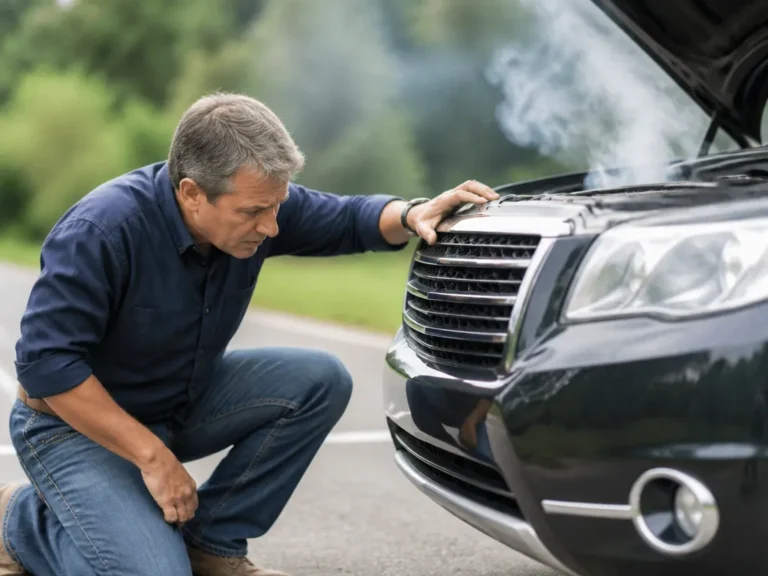
Can A Dealership Report A Car Stolen?

A dealership can report a car stolen, but usually only when it has enough ownership or authorization paperwork to act for the registered owner, lender, or insurer. In the United States, the police report creates a law enforcement record. The dealership may provide information or file on behalf of an authorized party, but it usually does not replace the registered owner or lienholder as the person responsible for reporting the theft.
Most dealerships will contact police or the insurer after verifying the theft claim against their records. They generally cannot act as the claimant unless they own the vehicle, hold a related interest, or have authorization from the person who does.
Key Takeaways
- Yes, sometimes. A dealership can report theft if it has authorization tied to the registered owner or lienholder.
- The owner usually leads. In most cases, the registered owner or lienholder must initiate the theft report.
- Paperwork matters. Dealers typically need the VIN, last-known contact details, and proof that the vehicle is in their system.
- Contact police first. Start with law enforcement, then notify your insurer so the claim can be opened.
- Title status stays the same. Reporting a theft does not automatically change ownership or the DMV title.
- Keep proof. Save the police report number, communications, and dealership work orders or other records.
Can a Dealership Report a Car Stolen?
Yes, a dealership can report a car stolen, but its ability to do so depends on whether it can legally act for someone with a recognized interest in the vehicle. That authority usually comes from being the registered owner, lienholder, dealer of record in a specific administrative matter, or an agent authorized by the owner.
Most dealerships will not file a police report based on an unverified claim. They typically confirm the VIN, check their records for a relevant relationship – such as a sale in progress, service hold, or loaner agreement – and then either tell you how to proceed or file only after receiving signed authorization.
Police and insurers need an accountable party connected to the vehicle. A dealership can support that process, but it is rarely the party that becomes the claimant on your behalf.
When a Dealer May Report the Theft
A dealership may report or support a theft report when the vehicle was in its possession, tied to an active transaction, or connected to a lender or insurance process. The police report number then helps the dealership document the incident and coordinate with the parties responsible for the vehicle and any resulting claim.
Common situations include:
- The vehicle was in dealership possession. If the car was at the dealership for service, storage, reconditioning, or pending delivery and was stolen from there, the dealership may document the theft internally and coordinate with its insurer.
- A sale was in progress. If the vehicle was moving between dealership handoffs while paperwork was underway, the dealership may need a theft report to update the deal and notify the lender or other parties involved in the title process.
- The vehicle was a loaner. If a dealership-provided vehicle was stolen under a documented loaner agreement, the dealership may file or reference its own incident report.
- A lender or lienholder is involved. A dealership may help when it has formal authority to act for a lienholder or is following the lender’s loss-mitigation process.
Even in these situations, the dealership’s report is only one part of the process. Police handle the criminal record and recovery effort. Insurers and title administrators rely on separate documents to decide what happens to the claim, lien, and title.
What Evidence Does a Dealer Need?
A dealership needs more than a statement that a car disappeared. It needs enough information to identify the vehicle and connect the theft to a documented relationship with that vehicle.
Expect the dealership to request:
- VIN (Vehicle Identification Number). The VIN is the main identifier used to match the vehicle across dealership, police, insurance, and title records.
- Proof of your connection to the vehicle. This may include registration documents, purchase paperwork, a service contract, or a power of attorney or other authorization if the dealership is acting for you.
- Details about the theft. Provide where the vehicle was last seen, the approximate date and time, and what you observed.
- Dealership records tied to the VIN. These may include a service order, storage log, delivery paperwork, or loaner agreement.
- Your contact information and authorization. If the dealership will represent you, you may need to sign an authorization or incident statement.
Having the VIN and police report number can speed up the dealership’s response. If you file the police report first, the dealership can reference an existing report instead of trying to assemble the incident from the beginning.
A dealership may refuse to file or limit what it can state if it cannot verify the VIN or establish an administrative connection to the vehicle. For example, it may know that a customer visited the dealership but have no records tying that particular vehicle to its system.
How the Dealer Coordinates With Police and Insurers
A dealership’s role usually involves coordination and documentation rather than a criminal investigation. It may contact the appropriate law enforcement channel, create an internal incident file, and notify the insurer or lienholder connected to the loss.
The process often follows these steps:
- The dealership verifies the vehicle and its authority. Staff confirm the VIN and determine whether the dealership is acting as the owner, a lienholder’s representative, or an authorized agent.
- The dealership creates an incident file. An internal file gives the insurer a record of what happened and when.
- A police report is opened. The dealership may help you call police, provide records, or file as the authorized party, depending on its legal standing and your authorization.
- The insurer is notified. The dealership provides the police report number and incident details to the appropriate insurer, particularly if the vehicle was stolen from dealership property.
Insurers typically compare the police report, dealership records, and your account of the theft. Matching VINs, dates, and locations can prevent avoidable delays.
Does a Theft Report Change Ownership or Title?
Reporting a vehicle stolen does not automatically change its ownership or DMV title. A theft report creates a law enforcement record and may trigger an insurance or lender claim, but it is not the same as a sale or title transfer.
A theft report may affect:
- Insurance claim eligibility. Theft may qualify as a covered loss if the policy applies and the claim meets its terms.
- Loss and recovery procedures. The insurer and lienholder may place the vehicle into a loss or recovery process.
- The dealership’s administrative records. If the vehicle was in dealership possession or part of an unfinished sale, the dealership may mark the transaction as affected or canceled while the theft is investigated.
A theft report generally does not:
- Rewrite the title as though you sold the vehicle.
- Remove you immediately from DMV ownership records.
- Give the insurer or lender a new owner automatically. Any later ownership change requires separate legal or administrative steps, which vary by state and depend on the insurance and lienholder outcome.
Recovery can make the ownership question more complicated. The insurer, lienholder, and state agencies may then address salvage or branding procedures. The theft report starts that administrative chain; it does not finish it.
What to Do If the Theft Report Is Refused
A dealership or police department may refuse or delay a theft report because of missing identifiers, incomplete facts, or a lack of authority. The next step depends on the specific reason.
A refusal may mean:
- The dealership will pause its support until it receives clearer documentation, such as VIN verification or signed authorization.
- Police need more information about when and where the vehicle was last seen.
- The insurer will delay the claim because it requires a valid police report number before opening or processing the claim.
Ask the police department or dealership for the exact reason the report could not be filed. Then provide the missing VIN, dates, location details, authorization, or records connecting the vehicle to the dealership.
How to Document the Claim After Reporting
After the report is filed, build a consistent record linking the vehicle to the theft and to each involved party – police, insurer, dealership, and lienholder.
Save and organize:
- The police report number and the reporting agency’s contact details.
- Written confirmation from the dealership. Request relevant service orders, vehicle intake paperwork, storage logs, or loaner agreements.
- A timeline. Record when you last had the car, when you noticed it missing, and when you called or messaged each party.
- Proof of key identifiers. Keep photos of accessible VIN plates, registration documents, and purchase paperwork.
- All communications. Save dealership and insurer emails, screenshots, PDFs, subject lines, and timestamps.
If the car was at the dealership for service, request documentation tied to the VIN and the dates the vehicle was on-site. Dealership records may establish the vehicle’s location and custody more precisely than your own records.
If you are paying on a loan or lease, contact the lienholder as well. It may have a separate process and may request the police report, insurer claim number, and dealership documentation confirming the vehicle’s status.
FAQ
Can a dealership report my car stolen without me?
Usually, a dealership cannot file as though it were the owner unless it has legal standing and authorization. If it is acting for you, you will typically need to sign an authorization and provide the VIN and theft details.
Will a dealership automatically notify police when a car is stolen?
Not usually. A dealership is more likely to contact law enforcement when the vehicle was in its custody or when it is authorized to act for you or a lienholder.
What if the dealership says it does not have the VIN?
Without a VIN, the dealership may be unable to match the vehicle to its records and may refuse to submit an incident statement. Bring your registration or purchase documents and ask the dealership to check for a related service order, intake record, or storage log. If the dealership still cannot provide the VIN, use the VIN from your own documents when filing the police report.
Does filing a theft report affect my title status?
Generally, no. A theft report does not automatically change DMV ownership or title status. It mainly supports law enforcement records and insurance or lender loss procedures. Any later title update depends on state rules and whether the vehicle is recovered or declared a total loss.
What is the most common mistake after a theft report?
Relying on verbal updates and failing to save documentation creates avoidable problems. Keep the police report number, a clear timeline, consistent VIN information, and written confirmations from the dealership and insurer.

- Top 10 Best Helmet For Xtreme 125r 2026 - October 5, 2026
- Top 10 Best Helmet For Xpulse 200 2026 - October 5, 2026
- Top 10 Best Helmet For Xsr 155 2026 - October 5, 2026