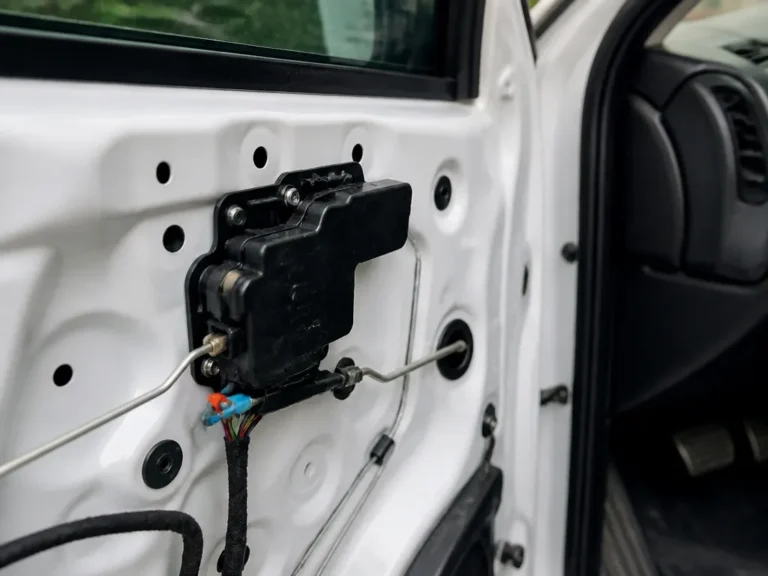
Invalid Brake System Data: Diagnosis And Repair

That dreaded yellow brake light pops on, you plug in a scanner, and up comes U0418 – “invalid data received from brake system control module.” No panic yet, but your car just told you its brake computer can’t trust the messages it’s getting. It might still stop fine, or it might ignore a pedal press next time you need it. Either way, the clock is ticking.
The U0418 code means the anti-lock brake (ABS) or electronic stability control (ESC) module received corrupted, missing, or out-of-range data from another controller on the CAN bus. Common triggers include a weak 12 V battery (under 12.4 V), a corroded ground strap, a failing ABS pump motor, or a software glitch that needs a reflash. Most shops clear it for $120 – $250 if it’s a one-time glitch; persistent codes can run $500 – $1,200 for module replacement.
U0418 Invalid Data Received From Brake System Control Module Meaning
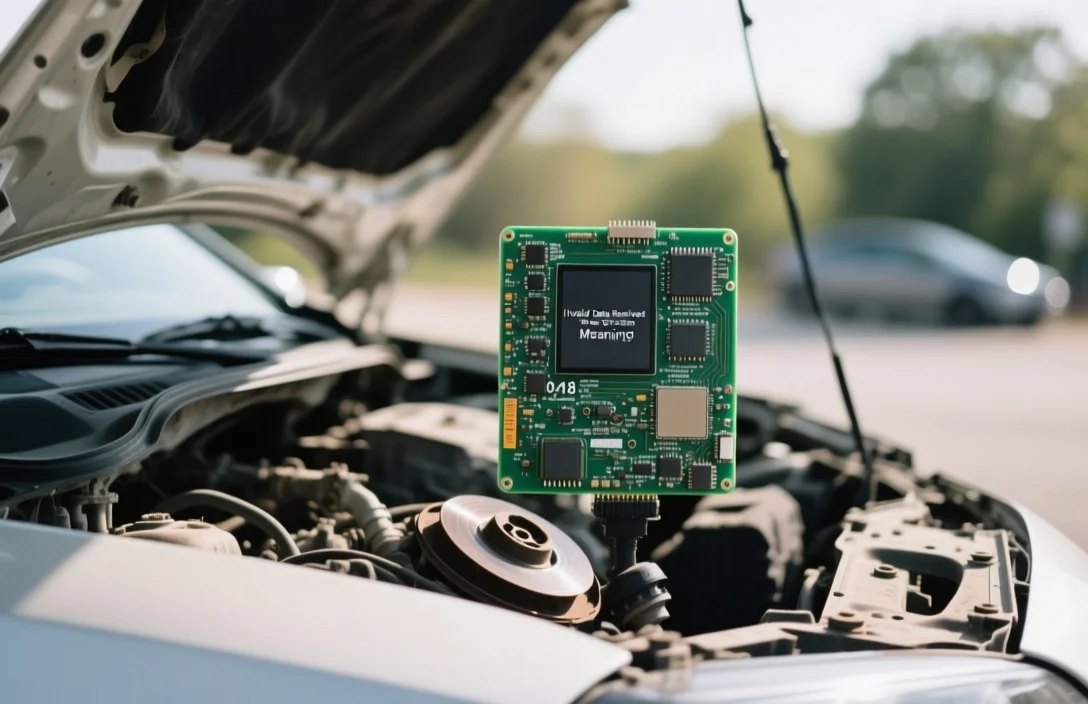
The U0418 code indicates that your vehicle’s Powertrain Control Module (PCM) has received corrupted or nonsensical data from the Brake Control Module (BCM), which is different from a complete communication failure. This specific fault means the modules are communicating, but the data being sent is invalid or outside expected parameters.
Communication Vs. Component Failure
Unlike a total communication failure (U0415), the U0418 code confirms that the Brake Control Module is attempting to communicate with the PCM. The problem lies in the content of the messages being transmitted. This could be due to voltage irregularities, damaged wiring, or internal BCM malfunctions generating incorrect signals.
In practice, this distinction matters because it narrows down potential causes. While a complete communication failure might point to broken wires or power issues, invalid data suggests either a faulty BCM or problems in the data transmission pathway itself.
How The Brake Control Module Talks To The Pcm
The Brake Control Module communicates with the PCM via a Controller Area Network (CAN) bus, using specific digital protocols to transmit critical information about braking pressure, ABS operation, traction control, and other safety systems. This communication happens thousands of times per second in modern vehicles.
| Data Type | Frequency | Purpose |
|---|---|---|
| Brake Pressure | Continuous | ABS and traction control |
| Wheel Speed | Continuous | ABS and stability control |
| Brake Pedal Position | Variable | Brake assist and emergency braking |
Safety Implications Of Invalid Data
When the PCM receives invalid data from the Brake Control Module, it may disable critical safety systems like ABS, traction control, or electronic stability control to prevent incorrect operation. This can significantly impact your vehicle’s handling and braking capabilities, especially in emergency situations.
For example, if the BCM sends a signal indicating wheel lockup when no wheels are actually locking, the PCM might disable ABS functionality. In wet or slippery conditions, this could lead to longer stopping distances and increased risk of skidding.
Never ignore a U0418 code, as it directly affects your vehicle’s safety systems. While you might still have basic braking function, the loss of electronic safety assistance can be dangerous in certain driving conditions.
Warning Signs Of Brake Module Errors
When the brake system control module experiences communication issues, drivers typically notice specific symptoms that indicate a problem requiring immediate attention. These warning signs can appear suddenly or develop gradually, affecting both the vehicle’s operation and safety systems.
Dashboard Warning Light Combinations
Modern vehicles feature multiple warning lights that illuminate when the brake system control module detects issues. The most common indicator is the ABS (Anti-lock Braking System) warning light, which typically appears as an amber circle containing the letters “ABS” or an icon of a car with skid marks.
Changes In Brake Pedal Feel
Drivers experiencing brake module communication errors often report noticeable changes in how the brake pedal responds during normal operation. These changes can vary depending on the specific nature of the communication failure.
Loss Of Traction Control Or Abs Functionality
When the brake system control module experiences communication errors, it often disables safety features like traction control and ABS to prevent potential malfunctions. This loss of critical safety systems can significantly impact vehicle handling during emergency situations.
For instance, during sudden braking on slippery surfaces, a vehicle without functional ABS may experience wheel lockup, leading to loss of steering control. Similarly, disabled traction control can cause wheelspin during acceleration on wet or icy roads.
Drivers noticing these warning signs should have their vehicle inspected immediately, as brake system communication errors can compromise vehicle safety and should not be ignored.
Common Causes Of Invalid Brake Data
 Corrosion raises resistance by introducing electrical conductivity gaps in wiring harnesses, which can prevent the brake control module from receiving accurate sensor data. Moisture, road salt, and extreme temperatures can all contribute to wiring degradation. Additionally, corroded connectors can cause intermittent issues, making it challenging to diagnose the root cause of the problem. In extreme cases, corrosion can lead to complete module failure.
Corroded Wiring And Connector Pin Issues
When inspecting wiring and connectors, look for signs of corrosion, such as green or white discoloration, and check for any visible damage or wear. Clean or replace the affected wiring and connectors as needed.
Low System Voltage And Battery Health
The brake control module requires a stable and sufficient power supply to function correctly. Low system voltage or a weak battery can cause the module to malfunction or provide inaccurate data.
| Causes | Effects |
|---|---|
| Low system voltage | Brake control module malfunction or inaccurate data |
| Weakened battery | System voltage instability or drops |
Software Glitches And Outdated Firmware
Software issues, such as glitches or outdated firmware, can cause the brake control module to provide invalid data. Regular software updates and proper module configuration are essential to maintain accurate brake system performance.
Internal Brake Control Module Failure
In some cases, the brake control module itself may fail, causing it to provide invalid data. This can be due to a manufacturing defect, overheating, or physical damage.
When diagnosing an internal module failure, consider the following:
Diagnostic Steps For Brake System Faults
Diagnostic trouble codes (DTCs) P0195, P0196, and P0197 indicate issues with the brake system control module’s communication with the wheel speed sensors. These codes can be caused by faulty sensors, wiring problems, or module issues. When troubleshooting, it’s essential to follow a sequential approach to isolate the problem and avoid replacing parts unnecessarily.
Performing A Full System Health Scan
A full system health scan is a crucial step in diagnosing brake system faults. This scan can help identify any underlying issues with the brake system control module, wheel speed sensors, or other related components. To perform a full system health scan, follow these steps:
For example, if the scan tool indicates that the brake system control module is not receiving data from one of the wheel speed sensors, it may indicate a wiring problem or a faulty sensor.
Testing Battery And Alternator Output
A faulty battery or alternator can cause issues with the brake system control module’s communication with the wheel speed sensors. To test the battery and alternator output, follow these steps:
For instance, if the battery voltage is low, it may cause the brake system control module to malfunction and generate a DTC.
Inspecting The Can Bus Wiring Harness
The CAN bus wiring harness is responsible for transmitting data between the brake system control module and the wheel speed sensors. To inspect the CAN bus wiring harness, follow these steps:
In practice, a damaged or corroded wiring harness can cause issues with the brake system control module’s communication with the wheel speed sensors, resulting in a DTC.
Using A Multimeter To Check Module Power
To ensure the brake system control module is receiving power, follow these steps:
For example, if the brake system control module is not receiving power, it may cause a DTC or prevent the brake system from functioning properly.
Fixing Invalid Data Communication Issues

Cleaning and reseating electrical connectors is a common fix for invalid data communication issues. Corrosion raises resistance by breaking down the insulation between wires, which can cause intermittent connections. Regular cleaning and reseating can resolve the problem.
Corrosion And Contamination
Corrosion can occur on connectors due to exposure to moisture, dust, and other environmental factors. When corrosion builds up, it can cause the connectors to fail, leading to invalid data communication.
Wiring And Harness Damage
Damaged wiring and harnesses can also cause invalid data communication issues. Frayed or broken wires can cause short circuits, which can lead to incorrect data being transmitted to the brake system control module.
Module Software Update
A software update for the brake system control module may also resolve invalid data communication issues. Outdated software can cause the module to malfunction, leading to incorrect data transmission.
Brake System Control Module Replacement
In some cases, the brake system control module may need to be replaced. A faulty module can cause invalid data communication issues, and replacing it may be the only solution.
It’s essential to consult the vehicle’s repair manual and follow the recommended procedures for each fix. Additionally, if you’re not confident in your ability to perform the repairs, it’s recommended to consult a professional mechanic.
Maintaining Brake System Electrical Health
Corrosion raises resistance by depositing a conductive layer on the wiring, which can lead to signal degradation and communication issues.
Wiring exposed to road salt and moisture can become damaged, leading to electrical issues. To mitigate this, use a wire sealant or protective coating on exposed wires and connections. Regularly inspect wiring harnesses for signs of damage or wear.
Consistent battery voltage management is crucial for maintaining brake system electrical health. Ensure the battery is properly maintained, and the alternator is functioning correctly. A faulty battery or alternator can cause electrical issues, including communication problems between the brake system control module and other components.
| Component | Function |
|---|---|
| Alternator | Regulates voltage output to the electrical system. |
| Battery | Provides power to the electrical system. |
Regular diagnostic health checks are essential to identify potential issues before they become major problems. Use a scan tool to check for any trouble codes related to the brake system. If issues are detected, follow the recommended repair procedures to address the problem.
For example, if a trouble code indicates a faulty brake switch, replace the switch according to the manufacturer’s instructions. Always follow proper safety procedures when working with electrical systems.
Quick Summary
The U0418 code indicates a communication breakdown where your vehicle’s main computer cannot interpret signals sent by the brake system control module.
| Factor | Details |
|---|---|
| Severity | High (Safety systems compromised) |
| Common Fixes | Cleaning connectors, repairing wiring, module reset |
| Tools Needed | OBD-II scanner, multimeter, wiring diagrams |
Frequently Asked Questions
What Does U0418 Invalid Data Received From Brake System Control Module Mean?
U0418 is a communication fault code that means your vehicle’s primary computer (PCM or ECM) received corrupted or out-of-range data from the brake control module. This often triggers the ABS or traction-control light and may disable stability control until the issue is fixed.
Is It Safe To Drive With A U0418 Code?
You can drive short distances, but stability and anti-lock braking may be disabled. Avoid hard braking or slippery roads; have the vehicle scanned within 50 – 100 miles to prevent further module damage or safety-system failure.
How Much Does It Cost To Fix U0418 Invalid Data Received From Brake System Control Module?
Diagnosis typically runs $100 – $150 at most shops. If the issue is a bad module, replacement parts range from $250 – $800 plus 1 – 2 hours of labor, depending on make and model.
Can A Bad Battery Or Loose Connection Cause U0418?
Yes. Low voltage (below 11.8 V) or corroded ground wires can corrupt CAN bus messages. Always check battery health and clean all brake-module connectors before replacing parts.
What Scan Tool Can Clear A U0418 Code?
Most professional-grade scan tools like the Autel MaxiSys or Snap-on Zeus can read and clear U-codes. Basic OBD-II readers usually cannot; you’ll need a tool that supports manufacturer-specific CAN bus diagnostics.

- Top 10 Best Helmet For Xtreme 125r 2026 - October 5, 2026
- Top 10 Best Helmet For Xpulse 200 2026 - October 5, 2026
- Top 10 Best Helmet For Xsr 155 2026 - October 5, 2026