Can A Pedal Commander Damage Your Engine?

A Pedal Commander can damage your engine in a worst-case scenario, but most drivers are more likely to encounter drivability problems than immediate mechanical failure. The device changes how quickly the vehicle responds to your right foot, which can push the engine and drivetrain into harsher operating conditions when you use an aggressive setting or install it on a poorly matched setup.
The device does not directly add horsepower or override the engine computer’s built-in protections. However, a sharper throttle response can cause torque surges, more heat during hard driving, and extra stress on the transmission, clutch, engine mounts, and other drivetrain components. The actual risk depends on your vehicle’s calibration, the Pedal Commander model, and how you drive after installation.
Key Takeaways
- Yes, in extreme cases. An aggressive throttle map can increase torque demand and heat during hard driving.
- Drivability problems are more common. Hesitation, surging, and harsh shifts are more likely than a broken engine.
- Transmission stress is possible. Faster torque delivery can interfere with automatic shift logic or clutch control on some vehicles.
- Heat depends on how you use it. Short bursts create different conditions from repeated high-load climbs or aggressive launches.
- Start low and test gradually. Begin with a mild setting, confirm smooth operation, and increase it one step at a time.
- Stop if symptoms appear. Warning codes, limp mode, or persistent surging mean you should reduce the setting or remove the unit.
Can a Pedal Commander Damage Your Engine?
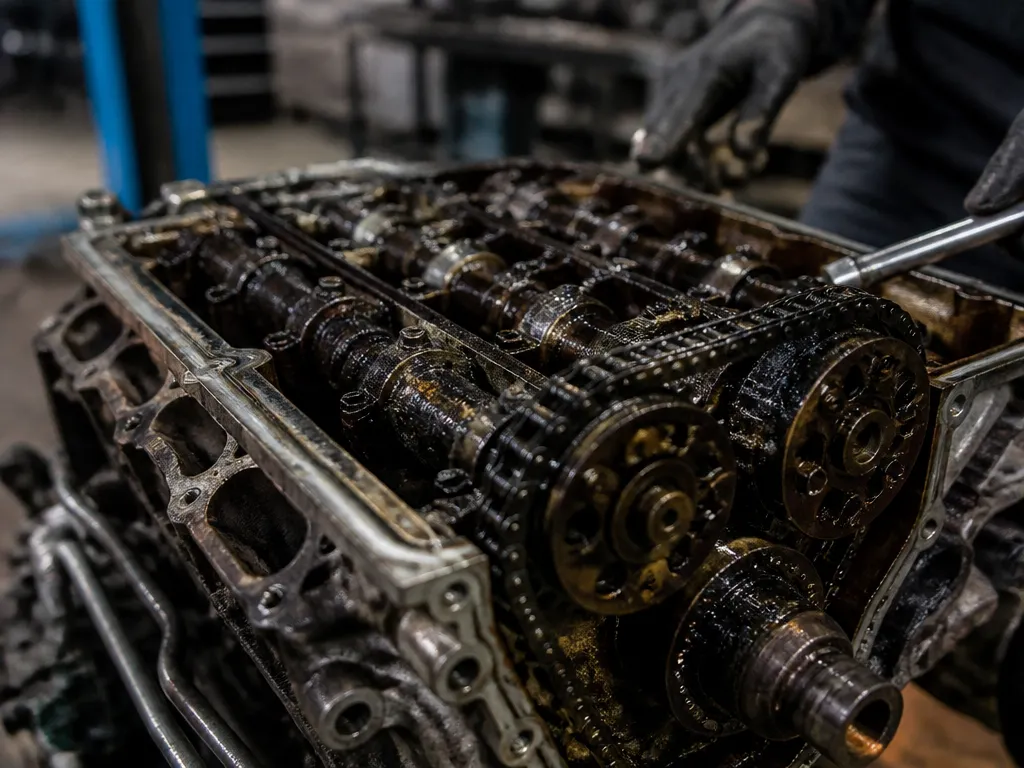
A Pedal Commander can contribute to engine damage indirectly, but it does not normally force the engine beyond its built-in safety limits the way a failed sensor or poorly calibrated engine tune might. The greater concern is repeated drivetrain stress caused by requesting torque more quickly, especially if the device encourages you to drive harder than before.
The engine control module (ECM) and transmission control module (TCM) still manage fuel, spark, and protection strategies based on sensor data. The throttle-response device changes the relationship between accelerator-pedal position and commanded throttle opening, so the engine can reach higher load sooner. Repeated high-load operation in hot weather, on steep grades, while towing, with an older transmission, or alongside a performance tune can increase the chance of overheating or accelerated wear.
The device itself is not automatically unsafe. The risk rises when a sharper response leads to harsher inputs, more frequent full-throttle driving, or repeated torque spikes that the drivetrain was not designed to absorb during normal use.
How a Pedal Commander Changes Throttle Response
A Pedal Commander intercepts the accelerator-pedal signal and alters how the ECM interprets it. The goal is to reduce the delay between pressing the pedal and the vehicle’s electronic throttle response, making the vehicle feel more immediate.
The same pedal movement can therefore produce more throttle opening earlier. If the factory calibration expects a slower ramp for emissions control, traction management, or transmission shift scheduling, the modified response gives the ECM and TCM less time to prepare for the requested torque.
That faster throttle ramp can produce:
- sharper downshifts and higher shift shock
- traction-control intervention
- driveline vibration during takeoff
- faster catalyst and intake heat-up when the engine spends more time near higher load
None of these symptoms automatically means the engine is failing. Repeatedly exposing the engine and drivetrain to those conditions, however, can shorten component life.
When It Can Cause Drivability or Heat Problems
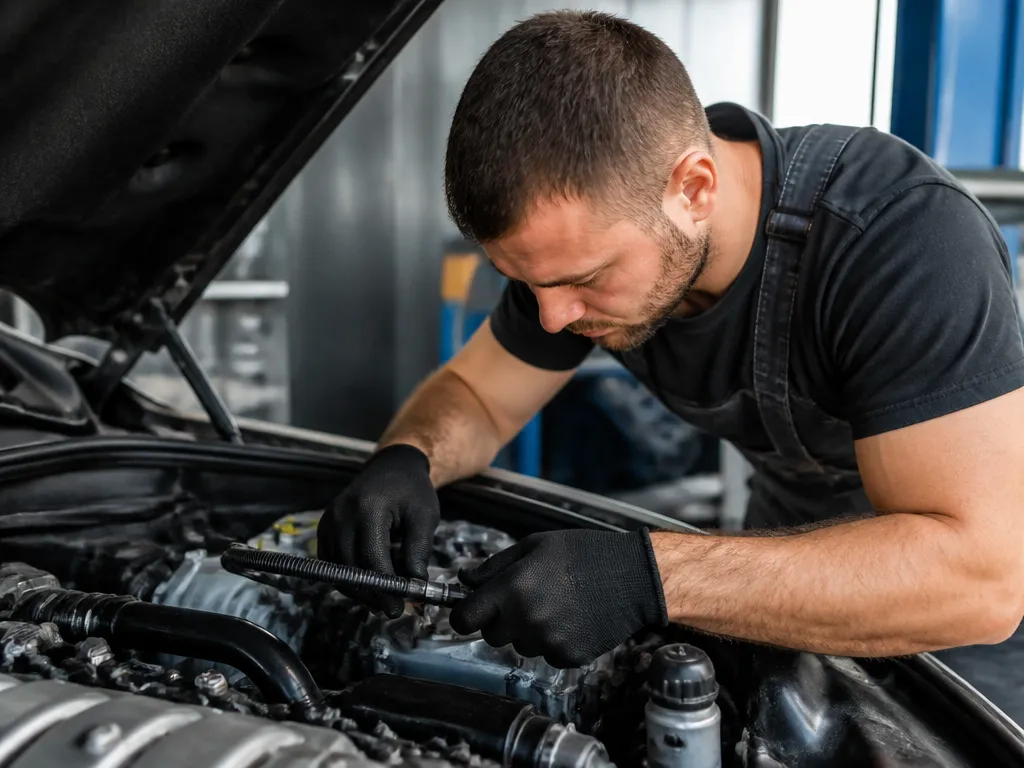
Pedal Commander-related problems usually appear first as drivability issues. Common examples include surging during steady throttle, hesitation, or harsh acceleration that feels like the vehicle grabs and then settles.
Heat problems usually result from operating the engine at higher load more often and more abruptly. If normal pedal movements produce aggressive throttle opening, the vehicle may spend more time under heavy demand, with more frequent enrichment and higher exhaust gas temperatures.
Two situations increase the risk:
- Aggressive settings paired with aggressive driving. If the sharper response makes you floor the accelerator more often, you increase the number of high-load cycles.
- Vehicles with sensitive traction or shift strategies. AWD systems, performance-oriented traction control, and some automatic transmissions work to manage wheel slip and torque delivery. A faster throttle request can trigger repeated corrections.
The engine still creates the torque, and torque creates heat. Factory protection systems can prevent some catastrophic failures, but they cannot eliminate the wear and temperature increase that come from repeated hard operation.
Which Vehicles and Setups Carry More Risk?
Risk is higher when the factory calibration is sensitive to throttle changes or when the drivetrain already struggles with sudden torque delivery. That does not automatically make a Pedal Commander unsuitable, but it does call for more conservative settings.
Higher-risk situations include:
- Automatic transmissions that respond poorly to torque spikes. Faster torque delivery can produce harsher shifts or inconsistent shift timing.
- Vehicles with throttle-by-wire calibration quirks. A vehicle that feels smooth with its stock mapping may become inconsistent when the pedal signal is modified.
- Vehicles with frequent traction-control intervention. Tires that slip easily can make a quicker throttle response trigger repeated corrections.
- Towing or steep-grade driving. The engine is already operating under higher load, so a more aggressive throttle setting can push temperatures higher.
- Older vehicles or high-mileage drivetrains. Worn mounts, clutches, and shift components have less tolerance for sudden torque changes.
Symptoms That Point to a Problem After Installation

A different feel is normal after installation. The warning signs are inconsistent or harsh behavior, especially when it appears with a warning light or reduced-power message.
Watch for:
- Surging or hunting at steady cruise, when engine RPM rises and falls without a change in pedal input
- Hesitation on tip-in, when a light pedal press produces a delayed or uneven response
- Harsh or delayed automatic shifts, especially during light acceleration
- Repeated traction-control intervention during normal starts
- New drivetrain vibrations that were not present before installation
- Check Engine Light, reduced power, or limp mode
- Lower fuel economy combined with aggressive engine sounds or higher temperatures
How to Install and Tune It Safely
Safe tuning requires restraint.
Installation basics that matter
- Use the correct harness for your exact vehicle year, make, and model. A mismatch can create signal problems.
- Follow the harness-routing instructions. Keep the cable away from hot exhaust components and moving parts.
- Seat every connection fully. The plugs should not be loose or under strain.
Tuning steps that reduce risk
- Start with the lowest aggressive level – often the minimum setting available.
- Drive gently for the first few trips. Where applicable, give the ECM time to adapt its driving behavior.
- Avoid hard launches during testing. Use light acceleration so you can identify surging or shift problems early.
- Increase the setting one notch at a time only if the vehicle remains smooth.
- Use the least aggressive setting that works.
- Return to stock behavior if warning lights appear. Find and fix the cause before continuing.
A repeatable test can reveal problems early. Make several low-speed accelerations with the same pedal inputs each time, such as 15% pedal, 30% pedal, and 60% pedal. If the response becomes unpredictable at any step, the setting is too high.
Do not ignore the vehicle’s normal limits. If it starts pulling timing, limiting power, or activating protection strategies under load, increasing throttle response will not override those safeguards.
How to Check It Without Stressing the Engine
Check for smoothness, predictable torque delivery, and stable temperatures during normal driving. You do not need to push the vehicle hard to identify a poor setting.
Checks you can do without tools
- Steady-throttle smoothness: At a constant speed on flat ground, the RPM should remain stable rather than hunt or surge.
- Tip-in behavior: A small pedal increase should produce a small, repeatable response.
- Shift quality: Automatic shifts should remain consistent with the stock setting.
Temperature and load checks
You may not have precise temperature gauges, but overheating often produces recognizable signs. After spirited driving, watch for:
- rising temperature bars
- steam
- strong heat soak
- reduced-power messages
- repeated traction-control intervention
- unusually poor performance
These signs indicate that the vehicle is working harder or activating protection strategies. They are reasons to investigate, not to increase the setting.
If you have diagnostic capability
With an OBD-II scanner or other scan tool, check:
- throttle-position consistency during steady pedal inputs
- active or pending throttle-related codes
- patterns that suggest torque limiting or incorrect pedal or throttle data
The safest verification process is deliberately boring: start low, confirm smooth drivability, and increase the setting only until you reach the response you want. If the vehicle needs the maximum setting to feel normal, the device and the vehicle’s calibration may be a poor match.
FAQ
Can a Pedal Commander damage your engine immediately?
It usually does not cause immediate engine failure. The more realistic risk is indirect, through repeated torque spikes that increase heat and drivetrain stress over time, especially with aggressive settings and hard driving. Warning lights or limp mode after installation warrant removing the unit and scanning for codes.
Will a higher Pedal Commander setting break the engine?
A higher setting makes the vehicle request throttle opening and torque more quickly, which can increase operating stress. The engine and drivetrain retain their protective strategies, but sustained hard operation can accelerate wear or contribute to overheating during towing, steep grades, and other demanding conditions.
How long can I drive it before checking for problems?
Check the vehicle within the first 30-60 minutes of driving and again after a couple short trips. Look for steady-throttle surging, harsh shifts, frequent traction-control intervention, and new warning lights. If symptoms appear early, treat them as a tuning mismatch rather than something to wait out.
What is the safest way to tune a Pedal Commander?
Begin at the lowest setting and change it one step at a time while keeping your driving inputs gentle. Avoid hard launches during testing and do not chase maximum responsiveness.
Is there a safer alternative to a Pedal Commander?
Leaving the throttle response stock is the gentlest option. If you want a different driving feel, address the underlying goal with tire choice, driving habits, or a calibration change that matches the vehicle’s engine and transmission. Some owners choose OEM-style throttle-response modifications or vehicle-specific tuning from a shop. The safest approach preserves smooth torque ramps and avoids harsh interactions with the engine, transmission, and traction-control systems.

- Top 10 Best Helmet For Xtreme 125r 2026 - October 5, 2026
- Top 10 Best Helmet For Xpulse 200 2026 - October 5, 2026
- Top 10 Best Helmet For Xsr 155 2026 - October 5, 2026