Switching from 225 to 235 Tires: Is It Safe for Your Vehicle?

Choosing the right tires for your vehicle is crucial for safety and performance. If you’re considering switching from 225 to 235 tires, you might be wondering about the implications this change could have on your driving experience and vehicle dynamics.
Swapping to 235 tires can be safe if you keep in mind compatibility with your vehicle’s specifications, impact on handling and fuel efficiency, and clearance issues with wheel wells. Always consult your owner’s manual or a tire professional before making changes.
Understanding the Basics
Choosing the right tire size for your vehicle is crucial for safety, performance, and comfort. When considering whether to use 235 tires instead of 225, it’s essential to understand the implications of this change. Tire sizing impacts your vehicle’s handling, fuel efficiency, and overall ride quality.
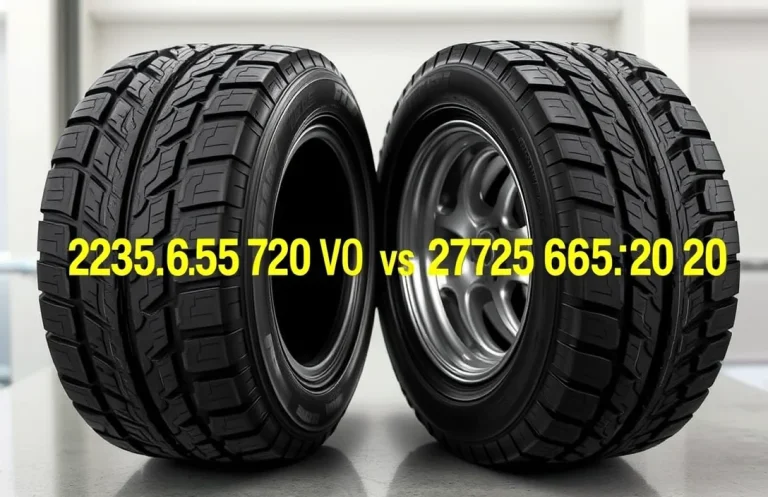
The numbers in tire sizes indicate the width of the tire in millimeters and the aspect ratio, which is the height of the tire’s sidewall as a percentage of its width. A 235 tire is 10 millimeters wider than a 225 tire. This difference may seem small, but it can affect the vehicle’s characteristics significantly.
Additionally, it’s important to consider the wheel well clearance, suspension setup, and potential changes to your speedometer reading. Before making any changes, consult your vehicle’s manual or a tire professional to ensure compatibility and safety.
Key Concepts and Fundamentals
Choosing the right tire size can significantly impact your vehicle’s performance, handling, and safety. Transitioning from a 225 tire to a 235 tire involves understanding the implications of this change. This section will clarify key factors that influence tire compatibility and what you should consider before making the switch.
The first major aspect is the width difference. A 235 tire is 10 millimeters wider than a 225 tire. This increase can enhance grip and stability but may also affect fuel economy and steering response. Wider tires can provide better traction, especially in cornering, but they may also create more road noise and resistance.
Another critical factor is the vehicle’s wheel well clearance. Ensure that the wider tires will fit without rubbing against the suspension components or the body of the vehicle. Additionally, verify that the new tires will not exceed the recommended specifications set by the vehicle manufacturer, which can affect the warranty and overall safety.
Consult your vehicle’s owner manual or a tire professional for guidance on acceptable tire sizes. Proper alignment and tire pressure are also vital to maintain safety and performance after any tire change. Taking these factors into consideration will help you make a more informed decision regarding the switch from 225 to 235 tires.
How It Works
Understanding the implications of changing from 225 to 235 tires involves considering several factors related to vehicle performance and safety. This section outlines the critical aspects that affect compatibility and what to expect when making this change.
The primary difference between 225 and 235 tires is the width, with 235 tires being 10 millimeters wider. This change can influence several performance characteristics, including grip, handling, and ride comfort. Wider tires may provide better traction, especially in cornering and during acceleration, due to a larger contact patch with the road. However, this can also lead to increased rolling resistance, which may affect fuel efficiency.
Another consideration is the potential impact on your vehicle’s suspension and alignment. Wider tires may alter the way weight is distributed, which could affect handling dynamics. It is crucial to ensure that your vehicle’s suspension system can accommodate the wider tires without causing issues like rubbing against the wheel well or straining the suspension components.
Additionally, check if your vehicle’s wheel wells have sufficient space for the increased width. If the fit is too tight, it can lead to tire damage or reduced performance. Always consult your vehicle’s manufacturer specifications or a trusted tire professional to ensure that switching to 235 tires is safe and suitable for your vehicle.
Benefits and Advantages
Understanding the benefits and advantages of using 235 tires instead of 225 tires is crucial for making an informed decision. The differences in size can impact performance, handling, and safety, so it’s essential to weigh these factors before making any modifications.
One primary advantage of 235 tires is increased width. This wider contact patch can enhance grip, providing better traction on various surfaces. Improved traction can lead to better handling, especially in wet or slippery conditions, which contributes to overall driving safety.
Additionally, 235 tires may offer a more comfortable ride. The larger sidewall can absorb bumps and imperfections in the road better than narrower tires, leading to a smoother driving experience. However, keep in mind that this can also depend on the specific tire brand and model.
On the downside, switching to 235 tires can lead to slightly reduced fuel efficiency due to increased rolling resistance. It’s also crucial to ensure that your vehicle’s wheel wells can accommodate the wider tires without causing rubbing or other clearance issues. Always consult your vehicle’s specifications or a professional before making any changes.
Practical Applications
Understanding the practical applications of switching from 225 to 235 tires is crucial for ensuring safety and performance. This section discusses how these tire sizes affect your vehicle in real-world scenarios, including handling, fuel efficiency, and compatibility with existing components.
When replacing your tires, consider how the width difference (10mm) impacts vehicle dynamics. Wider tires, like the 235s, can provide better traction due to a larger contact patch with the road, which is beneficial in wet or slippery conditions. However, this can also lead to increased rolling resistance, potentially affecting fuel economy.
Additionally, check the clearance in your wheel wells and suspension components. A wider tire may rub against the vehicle or interfere with steering, especially during turns or when the suspension is compressed. Consult your vehicle’s specifications or a trusted mechanic to ensure compatibility.
Lastly, consider any changes in ride comfort. Wider tires might result in a stiffer ride due to reduced sidewall height if you also change the aspect ratio. Balancing these factors is essential for maintaining the intended performance and safety of your vehicle.
Expert Tips and Best Practices
Understanding the implications of changing tire sizes is crucial for maintaining vehicle safety and performance. Switching from 225 to 235 tires can have various effects, and it’s important to consider several factors before making this decision.
First, check the vehicle’s owner manual or tire placard to see the recommended tire sizes. This information serves as a guide for optimal performance and safety. Next, examine the clearance between the tires and the wheel wells, suspension components, and brakes. A wider tire may lead to rubbing against these parts, especially when turning or going over bumps.
Additionally, consider how the change impacts speedometer accuracy and fuel efficiency. Wider tires can alter the overall diameter and circumference, potentially causing errors in speed readings and affecting fuel consumption. Consult with a tire professional to ensure the new size is compatible with your vehicle’s specifications and to discuss any potential trade-offs regarding handling and ride comfort.
Lastly, if you proceed with the change, ensure proper installation and alignment to prevent uneven tire wear and maintain control. Regularly check the tires for signs of wear and keep them inflated to the manufacturer’s recommended pressure for optimal performance and safety.
Real-World Examples
Understanding real-world scenarios can clarify the implications of using 235 tires instead of 225. Here are some examples where vehicle owners made this change and the outcomes they experienced.
One vehicle owner, driving a compact SUV, switched from 225/60R17 tires to 235/60R17 tires. They noted improved grip during wet conditions and a slightly stiffer ride. However, they experienced a minor decrease in fuel efficiency due to the increased rolling resistance of the wider tires.
Another example involves a sedan owner who opted for 235/45R18 tires instead of the stock 225/45R18. The wider tires enhanced cornering stability and provided a sportier feel. However, they also faced challenges with the speedometer reading inaccurately, as the larger diameter affected the vehicle’s calibration, leading to potential safety concerns.
Lastly, a truck owner switched from 225/75R16 to 235/75R16 for better off-road capability. While the truck handled rough terrain better, they had to adjust the suspension to accommodate the larger tire size, which involved additional costs and considerations.
These examples highlight both the benefits and potential drawbacks of changing tire sizes, emphasizing the need to evaluate your vehicle’s specifications and driving needs before making modifications.
Getting Started
Understanding the implications of changing tire sizes is crucial for ensuring safety and performance. In this section, we will discuss the potential effects of using 235 tires instead of 225 on your vehicle. This information will help you make an informed decision based on your specific needs and circumstances.
Switching from 225 to 235 tires involves considering several factors. The primary difference is the width; 235 tires are wider, which can affect handling, traction, and fuel efficiency. Wider tires generally provide better grip, particularly in dry conditions, but they may also lead to increased rolling resistance, potentially lowering fuel economy.
Additionally, ensure that the new tire size is compatible with your vehicle’s wheel wells. Wider tires may rub against suspension components or the body of the vehicle during turns or over bumps. It’s also essential to check if the wider tires will fit within the manufacturer’s recommended specifications for tire size and load ratings. Consult your vehicle’s manual or a trusted tire professional for guidance.
Finally, keep in mind that changing tire sizes can impact your speedometer accuracy. A larger tire may result in an underestimation of your actual speed. Always consider these factors to maintain safety and performance when making any changes to your tires.
Quick Summary
Choosing the right tire size is crucial for your vehicle’s performance and safety. If you’re considering swapping from 225 tires to 235 tires, it’s essential to understand the implications. This section will summarize key points to help you make an informed decision.
Switching from 225 to 235 tires means an increase in width by 10 mm. This change can affect vehicle handling, fuel efficiency, and ride comfort. Wider tires may provide better grip but can also lead to increased road noise and a harsher ride. Additionally, check your vehicle’s specifications, as some vehicles have limitations on tire width. Ensure that the new tires do not rub against the vehicle’s body or suspension components when turning or going over bumps.
Contact your vehicle manufacturer or refer to the owner’s manual for guidelines on acceptable tire sizes. Always consider consulting a tire professional to ensure that the new size meets safety standards and is compatible with your vehicle’s dynamics. Making an informed choice helps maintain safety, performance, and reliability on the road.
Quick Summary
- 235 tires are wider than 225 tires, affecting handling and traction.
- Wider tires can improve grip but may lead to increased road noise and decreased fuel efficiency.
- Check your vehicle’s specifications to ensure 235 tires fit without clearance issues.
- Consider the impact on speedometer accuracy when changing tire sizes.
- Consult a tire professional for advice on compatibility and safety.
- Wider tires may alter the ride quality and steering response of your vehicle.
- Always prioritize safety and performance over aesthetics when choosing tire sizes.
Frequently Asked Questions
Can I use 235 tires instead of 225 tires on my vehicle?
Yes, you can use 235 tires instead of 225 tires, but it’s important to check your vehicle’s specifications first. The difference in width may affect handling, fuel efficiency, and speedometer accuracy. Always consult your owner’s manual or a professional before making any changes.
What are the potential impacts of using wider tires?
Wider tires can improve traction and grip, especially in wet conditions, but they may also affect ride comfort and fuel economy. Additionally, they could lead to increased wear on suspension components. Ensuring compatibility with your vehicle’s specifications is crucial.
Will changing to 235 tires affect my vehicle’s warranty?
Changing tire sizes can potentially void certain aspects of your vehicle’s warranty, especially if it affects safety or performance. It’s best to check with your dealership or read your warranty terms before making any modifications.
How do I know if my vehicle can accommodate 235 tires?
To determine if your vehicle can accommodate 235 tires, check the specifications in your owner’s manual or look for the tire size information on the driver’s side door jamb. Consulting with a tire professional can also provide clarity on fitment and safety.
What should I consider before switching tire sizes?
Before switching tire sizes, consider factors such as wheel well clearance, suspension setup, and overall vehicle performance. It’s also wise to evaluate how the change might impact your vehicle’s handling and safety features. A professional tire shop can help assess these factors.

- 10 Best Jack For Ford Raptor Review (October 2026) - October 12, 2026
- 10 Best Jack For Ford Ranger Review (October 2026) - October 12, 2026
- 10 Best Jack For F350 Review (October 2026) - October 12, 2026