Can You Sell A Car Without A Catalytic Converter?

You can physically sell a car without a catalytic converter, but the sale may create problems with registration, emissions testing, inspection, insurance, and buyer disputes. In some private-sale situations, you can transfer ownership of the vehicle “as-is.” You cannot bypass emissions requirements or mislead the buyer about the missing equipment.
A missing catalytic converter usually means the car is not ready for legal road use. Buyers may have to repair it before they can register, insure, or drive the vehicle legally.
The Short Answer
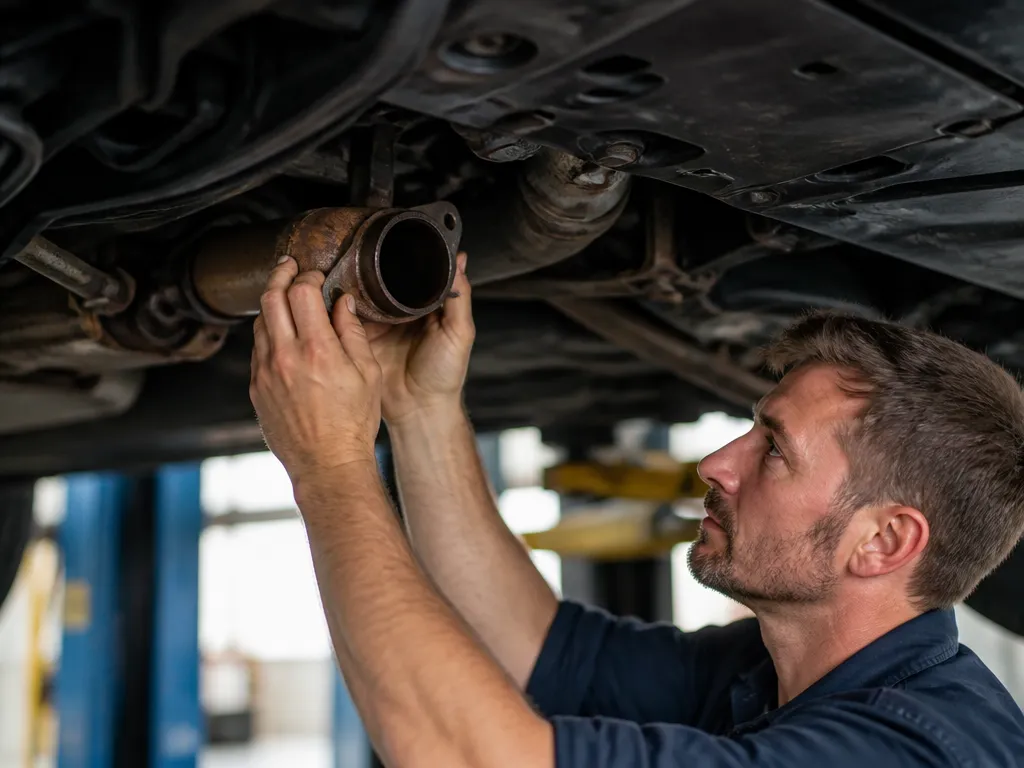
You may be able to sell a car with a missing catalytic converter, but you should expect a smaller pool of buyers and a lower price. The buyer’s state, the vehicle’s inspection requirements, and whether the buyer needs immediate registration will determine whether the transaction is practical.
A catalytic converter is part of the vehicle’s emissions-control system, not an optional exhaust upgrade. If it is missing, the car may fail an emissions test or inspection. Even in a state without routine emissions testing, the buyer may face registration, insurance, or repair problems.
An “as-is” sale does not give you permission to conceal the defect. Disclose the missing converter in the listing, discuss it with the buyer, and put the disclosure in writing.
What a Missing Catalytic Converter Means for a Sale
- You may be able to sell privately, but inspection and registration rules can prevent the buyer from using the car immediately.
- Emissions equipment still matters. The catalytic converter is part of the emissions system required on most road-legal vehicles.
- Inspections can stop the transaction. Many states will fail a vehicle with missing emissions equipment.
- Replacement parts must be compliant. A cheap universal converter may not meet the requirements for the vehicle or the state.
- Disclosure is essential. Misrepresenting the condition can expose you to disputes and potential legal claims.
What the Law Requires When the Converter Is Missing
Federal emissions rules regulate the equipment installed on vehicles, while states enforce many of the practical requirements through emissions programs, inspections, and registration systems. A catalytic converter is designed to reduce harmful exhaust pollutants. Removing it or operating the vehicle without it can violate emissions requirements.
The exact consequences depend on the vehicle, its model year, the state where it will be registered, and the type of inspection required. If the vehicle must pass an emissions test or an inspection that checks emissions hardware, a missing converter can prevent certification.
Selling the car does not make it road-legal. A private transfer may be possible, but the buyer still has to deal with the vehicle’s condition. If the car cannot pass inspection or be registered, a dispute can follow if the buyer believed the vehicle was ready for normal road use.
Before listing it, find out where the buyer intends to register the car. A vehicle that can be transferred in one state may be difficult to register in another.
How Inspections and Buyers Treat a Missing Converter
Most buyers treat a missing catalytic converter as a major defect rather than an ordinary repair. They may also worry that the exhaust system was damaged during theft or that oxygen sensors, wiring, heat shields, or other components need repair.
In many states, emissions testing measures exhaust pollutants and checks whether required emissions equipment is present. A car without its catalytic converter may fail automatically or produce emissions readings outside the allowed limits. Some inspection programs also check for missing or visibly altered emissions equipment.
Even where routine emissions testing is not required, the buyer may need the vehicle inspected before receiving registration or renewing it. Dealers and commercial buyers may apply their own requirements and refuse a car that is not inspection-ready.
Insurance can create another obstacle. Some insurers may be reluctant to cover a vehicle with significant emissions-system damage, while others may provide coverage but leave the buyer responsible for making the repairs. If the buyer cannot insure the car or register it, the sale may fall apart.
Can a Replacement Converter Make the Car Sale-Ready?
A replacement catalytic converter can make the car eligible for inspection and registration again, but only if it meets the requirements for that vehicle and state. A converter that physically fits the exhaust does not necessarily meet emissions standards.
The common mistake is treating every catalytic converter as interchangeable. The correct part may depend on the vehicle’s year, make, model, engine, emissions configuration, and the rules where the buyer will register it. A cheap universal part may fail an inspection or create another repair later.
The safest option is a replacement designed for the exact vehicle configuration and accepted for the intended use. Confirm fitment and emissions compliance with the local inspection authority or a qualified muffler or exhaust shop that regularly handles the state’s inspection requirements.
Repairing the vehicle before listing it may attract more buyers and simplify the sale, but it also means paying for the repair before you know how much value it will add. If the buyer specifically wants an inspection-ready car, account for both the repair and the time required for inspection.
What Happens If You Hide the Missing Converter?
Telling a buyer that the catalytic converter is present, functional, or already repaired when it is not can turn a difficult sale into a legal dispute. Depending on the facts and state law, the buyer may raise claims involving fraud, misrepresentation, breach of warranty, or consumer-protection violations.
An “as-is” statement can limit some claims, but it does not excuse false statements or concealment of a known material defect. The missing converter affects emissions compliance, inspection results, registration, road use, and the buyer’s repair costs.
If the buyer discovers the problem after purchase and cannot register or inspect the car, they may seek remedies such as cancellation of the sale or repair costs, depending on the circumstances and applicable state law. The dispute may also involve the listing, text messages, the bill of sale, and anything you said about the vehicle’s condition.
Use plain language and avoid describing the car as road-ready unless it actually is.
How to Sell the Car Legally and Avoid a Dispute
- Check the buyer’s inspection and registration requirements. Find out what emissions or safety inspections apply in the state and county where the buyer will register the vehicle.
- Document the condition. Take clear photos showing that the catalytic converter is missing and record any visible exhaust damage, cut pipes, damaged wiring, or related problems.
- Disclose the defect in the listing. Say plainly that the catalytic converter is missing. Do not imply that the car is emissions-compliant, inspection-ready, or ready for immediate registration.
- Discuss the issue before accepting payment. Make sure the buyer understands that replacement may be required before the vehicle can pass inspection or be registered.
- Use an accurate bill of sale. Include the correct odometer statement and put the catalytic-converter disclosure in writing. The paperwork should match the listing and your conversations.
- Do not provide false documentation. Do not claim that the vehicle passed emissions testing, do not fabricate repair records, and do not hide the condition during an inspection.
- Follow the title and plate rules. Complete the title transfer and any required seller notices according to your state’s process. Do not let the buyer assume that the transfer itself proves the car is legal to operate.
Clear disclosure will reduce the number of potential buyers, but it also reduces the chance of a later argument about what was promised. A buyer who knowingly accepts a repair project is less likely to claim that the condition came as a surprise.
FAQ
Can you sell a car without a catalytic converter in the United States?
You can often sell a car with a missing catalytic converter through a private transaction, but the buyer’s ability to register and inspect it determines whether the sale is practical. If the vehicle fails emissions testing or cannot be certified for road use, many buyers will require repairs before completing the purchase. Accurate advertising and a correct bill of sale are essential.
Will a car pass inspection without a catalytic converter?
It depends on the state and the type of inspection. In many places, missing catalytic-converter equipment causes an emissions test failure, and the vehicle may not qualify for registration or renewal. Check the inspection rules for the location where the buyer will register the car before assuming it can pass.
How much does it cost to replace a catalytic converter?
Prices vary by vehicle year, make, model, and the exact part required. The available information does not provide a current price, so guessing would be unreliable. Call an exhaust shop with the vehicle identification number, or VIN, and ask for a quote that confirms whether the replacement meets the emissions-equipment requirements for the state.
Can you sell it “as-is” if the converter is missing?
An “as-is” sale may limit certain claims, but it does not excuse false statements or hiding a known material defect. A missing catalytic converter can affect emissions compliance, inspection, registration, and repair costs. If you mislead the buyer, an “as-is” clause may not protect you.
What is the most common mistake when selling a car without a catalytic converter?
The most common mistake is saying or implying that the car is emissions-compliant when the catalytic converter is missing. The buyer then discovers that the vehicle cannot pass inspection or be registered without repairs, and the dispute becomes about what the seller promised. Straightforward disclosure, photos, and a written statement provide a much safer path.
Before listing the car, write a one-sentence disclosure stating that the catalytic converter is missing. Then check the inspections required where the buyer will register it. Those two steps will tell you whether you are selling a repair project or a car that can change hands and return to the road quickly.

- Top 10 Best Helmet For Xpulse 200 2026 - October 5, 2026
- Top 10 Best Helmet For Xsr 155 2026 - October 5, 2026
- Top 10 Best Helmet For Xc Mtb 2026 - October 5, 2026