Can You Use Olive Oil Instead Of Wd-40?

Olive oil can work as a temporary lubricant, but it is not a drop-in replacement for WD-40 in most rusty, gritty, moving-part situations. WD-40 is designed to creep into tight spots, displace moisture, and leave a lubricating residue that helps parts move. Olive oil mainly reduces friction, and its residue can attract dirt over time.
Olive oil is often fine for light, indoor jobs but performs poorly as a long-term rust protector or heavy-duty cleaner. A small amount can quiet a squeaky hinge, for example, but it should not be your main defense against moisture on exposed metal.
Key Takeaways
- Yes, but temporarily. Olive oil can reduce squeaks and help parts slide for a short time.
- Rust protection is weaker. WD-40 is designed to displace moisture; olive oil is not.
- Mess and buildup are possible. Oil residue can attract dust and grime, making the problem worse later.
- Use less than you think. A tiny amount works better than soaking the area.
- Match the product to the job. Olive oil suits light indoor hardware, not outdoor metal exposed to moisture.
- Clean first. Wipe away old grease and dirt before applying a thin film of oil.
When Olive Oil Can Replace WD-40
Olive oil can stand in for WD-40 when the only problem is simple lubrication, especially on indoor items such as hinges, drawer slides, or squeaky plastic-on-metal contact points. It coats the surfaces and reduces friction, so it can often stop a squeak or improve movement.
If dry contact is causing the squeak, olive oil can be a practical stopgap. If the part is seized, rusty, wet, or exposed to outdoor conditions, olive oil is more likely to buy time than solve the problem.
Choose Based on the Problem
A thin wipe-on amount is usually enough for light hardware, while a heavy application creates sticky residue that traps dust. The condition of the part also matters: debris, corrosion, and moisture can keep a lubricant from solving the underlying problem.
- For indoor hardware, use only enough oil to cover the moving contact points.
- For outdoor or corroded hardware, clean away loose debris before choosing a product made for the conditions.
- Avoid leaving oil where dust and dirt collect quickly. Oil mixed with debris can form a paste that makes movement worse.
Be cautious around food-contact areas. Olive oil is edible, but it can go rancid and leave an unwanted smell or residue near cookware, utensils, or pantry-adjacent hardware. Use a food-safe lubricant rated for the application when contact with food or dishes is possible.
How to Apply Olive Oil Without Creating More Grime
Start by cleaning the part. Wipe away old grease, grime, and loose surface-rust flakes. Applying oil over dirt creates a stickier problem and can push debris farther into a hinge or track.
Use a cotton swab or lint-free cloth to apply a very small amount. Move the hinge, slide, or latch several times to spread the oil, then wipe away visible excess. You want a thin film, not a wet layer.
If a hinge still squeaks after a light application, add a second tiny film only after confirming that the surfaces are clean and dry. More oil will not compensate for corrosion, a bent part, or mechanical damage.
Outdoor or damp hardware needs a different plan. Olive oil may provide temporary relief, but clean it off later and switch to a rust-appropriate product for longer protection.
If a sliding part remains stubborn, stop adding oil. A corroded track, worn component, or loose fastener needs repair or cleaning, not a thicker coating of lubricant.
Where Olive Oil Works Well
Olive oil is easy to find in a typical U.S. household and can handle light, indoor lubrication in small amounts. It may quiet a squeak or reduce friction without requiring a trip to the store.
It is also relatively gentle on many finishes compared with harsher solvents found in some penetrating sprays. That makes it a reasonable short-term option for decorative hinges, light-duty furniture hardware, and other non-critical moving parts.
The main advantage is convenience. If you need a door to stop squealing tonight, a small amount of olive oil may solve the immediate problem while you decide whether a purpose-built lubricant is necessary.
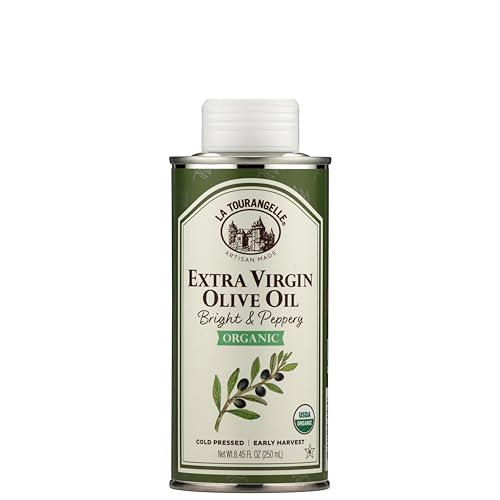
Helpful pick
La Tourangelle Organic Extra Virgin Olive Oil, Bright & Peppery, 8.45 fl oz
A high-quality organic olive oil is a perfect pantry staple for quieting minor household squeaks and lubricating small indoor hinges effectively.
Better Products for Rust, Moisture, and Repeated Use
For light squeaks and dry indoor hinges, a dedicated light lubricant, often labeled hinge lubricant or light oil, generally performs better than cooking oil. It is formulated to stay in place and resist attracting as much dust.
For rust or wet exposure, choose a penetrating rust product or corrosion-protecting lubricant. These products are made to creep into seams and help protect metal after moisture reaches it.
If olive oil is the only option, use the smallest amount that improves movement and plan to clean off the residue later. The goal is to avoid turning a small lubrication problem into an oil-and-dirt buildup.
| Product choice | Best for | Key downside |
|---|---|---|
| Olive oil | Indoor squeaks, light lubrication | Can attract dust, weaker rust prevention |
| WD-40-style penetrating spray | Rusty, wet, or hard-to-move metal parts | May still require proper cleaning or re-lubrication |
| Light machine oil (thin, non-food) | Repeat lubrication for hinges and slides | Can still pick up dust if over-applied |
| Grease (thicker lubricant) | Bearings, load-bearing points | Not ideal for tight seams that need to be penetrated |
| Silicone spray | Rubber/plastic squeaks and sliding | Not ideal for some metals long-term if grime accumulates |
![WD-40 Specialist Penetrant with SMART STRAW SPRAYS 2 WAYS, 11 OZ [6-Pack]](https://m.media-amazon.com/images/I/51W3v-k885L._SL500_.jpg)
Helpful pick
WD-40 Specialist Penetrant with SMART STRAW SPRAYS 2 WAYS, 11 OZ [6-Pack]
This specialized penetrant is designed to break through stubborn rust and corrosion, making it far more effective than any cooking oil.
Avoid These Olive Oil Mistakes
Apply it like a lubricant, not like cooking oil. Wipe on a thin film, move the part to distribute it, and remove the excess. Over-application is the main reason a part feels better briefly and then becomes sticky.
If a hinge or drawer feels tacky after a week, dust and debris have probably mixed with the oil. Clean the residue with warm soapy water on many painted surfaces, or use careful degreasing where the finish allows it. Then switch to a purpose-built light lubricant.
For a fix that must last longer than a temporary repair, choose a product suited to the environment and follow its application instructions.
Test a small spot first near wood finishes, painted surfaces, or fabric. Excess oil can stain, and a test spot shows how much residue the surface will hold.

Helpful pick
WD-40 Specialist General Purpose Lubricant 11 oz.
If a hinge or drawer feels stubborn, use this professional-grade lubricant instead of olive oil to ensure long-lasting, non-sticky mechanical performance.
Practical Examples Around the House
A squeaky kitchen cabinet hinge will often improve after you clean the hinge-pin area and apply a tiny amount of olive oil to the moving contact. Open and close the door several times, then wipe away any visible oil around the hinge.
A stuck drawer slide inside a dry, enclosed cabinet may loosen if dryness is causing the friction. If the slide has visible gunk, clean it first and apply oil sparingly so you do not grind dirt deeper into the track.
A bathroom door latch may quiet down temporarily with olive oil, but humidity can lead to more buildup. If the latch is repeatedly exposed to moisture, inspect it regularly and clean away residue.
A rusty outdoor gate hinge needs thorough cleaning and a product suited to corrosion. Remove loose rust before treating the hinge.
Noise does not always mean a part needs lubricant. Worn components, bent hardware, and loose fasteners can also cause squeaks or binding. Olive oil may quiet the symptom briefly while leaving the mechanical problem untouched.
FAQ
Can you use olive oil instead of WD-40 on a squeaky door hinge?
Yes. Olive oil can reduce squeaks on indoor hinges when you apply a thin film after cleaning. Use a small amount, move the hinge to spread it, and wipe off the excess. If the hinge is outdoors or exposed to humidity, inspect it for dust and buildup.
How long does olive oil last compared with WD-40?
Olive oil usually lasts less effectively in high-dirt or humid environments because its residue can collect dust and grime. WD-40-style products are designed to creep and displace moisture, so they generally hold up better around wet metal. On clean indoor hardware, olive oil may last long enough to help between proper lubrications.
Is olive oil safe as a lubricant around food or kitchen surfaces?
Be cautious. Olive oil is food, but residue can spread, attract dirt, and go rancid. If the lubricated part could touch dishes, utensils, or food-preparation surfaces, use a food-safe lubricant rated for that purpose.
What is the best way to apply olive oil without making a mess?
Clean the parts first, then apply a very small amount with a cloth or cotton swab. Open and close the hinge or move the slide several times, then wipe away visible excess oil. This reduces tackiness and slows dust buildup.
What is the most common mistake when using olive oil instead of WD-40?
Applying too much. Excess oil turns into a sticky film that traps dust and grit, which can make a hinge or latch feel worse after a few days. Use the thinnest layer that improves movement, and clean the area again if it starts to feel tacky.
Olive oil can be a quick fix for indoor squeaks, but it is not a proper substitute when rust, moisture, or outdoor exposure is involved. Identify the problem first: use a small amount of olive oil for dry friction, or switch to a penetrating, moisture-displacing lubricant when corrosion or wet metal is involved.

- Best Bug And Bird Poop Remover For Cars 2026 - September 15, 2026
- Can Vaseline Work As Wd-40? - September 15, 2026
- Best Bug Remover For Bumper 2026 - September 15, 2026