Chain Lock Vs Cable Lock Motorcycle: Which Offers Better Security?

Motorcycle theft is a real problem in many cities and countries. Riders want to protect their bikes, but with so many lock types, it’s easy to get confused. Two of the most popular options are the chain lock and the cable lock. Each promises to keep your motorcycle safe, but they work in different ways, offer different levels of protection, and suit different needs. Choosing the wrong one could put your motorcycle at risk, waste your money, or make daily life harder.
This article goes deep into everything you need to know about chain locks and cable locks for motorcycles. You’ll discover how each works, their main strengths and weaknesses, and when to use them. We’ll look at real-world examples, common mistakes, and insights most new riders miss. By the end, you’ll know exactly which lock fits your needs—and how to use it for maximum security.
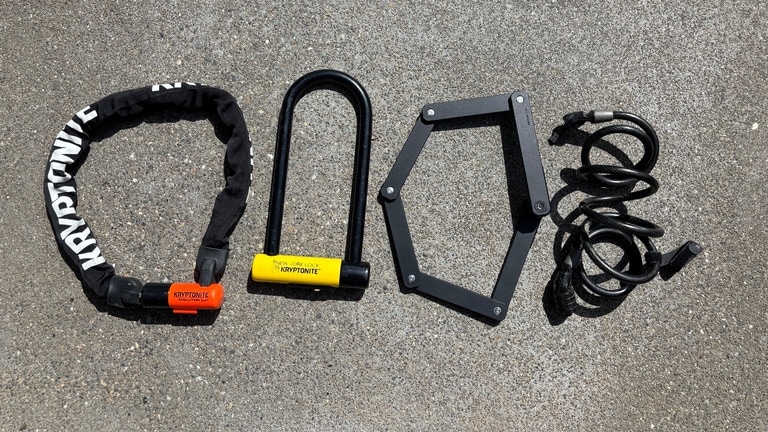
How Chain Locks Work
A chain lock uses a heavy metal chain and a strong padlock to secure your motorcycle. The chain is usually made from hardened steel links, sometimes with a protective sleeve to stop scratches. You wrap the chain around your bike’s frame or wheel, then attach it to a solid object like a lamp post or anchor.
Chain locks are designed to resist cutting, sawing, and pulling. The links are thick—often 10mm to 16mm or more—making them much harder to break than regular chains. The padlock is also a key part; top models use disc-detainer or double-bolted designs that are tough to pick or force open.
Key advantages of chain locks:
- High security when used correctly
- Can lock your bike to fixed objects
- Resist brute-force attacks better than most locks
However, chain locks are heavy and can be bulky to carry. A typical high-security chain can weigh 4–8 kg (8–17 lbs), which is noticeable in a backpack or under your seat.
How Cable Locks Work
A cable lock uses a flexible steel cable covered by plastic. The cable can be looped through your bike’s wheel, frame, or even accessories like helmets. Cable locks are much lighter than chains, and they’re easy to coil up and carry in a small space.
Cable locks use either a key or a combination code for opening. Some have built-in locking heads, while others use a separate padlock.
Key advantages of cable locks:
- Lightweight and easy to carry
- Flexible for awkward spaces or angles
- Quick to use for short stops
But cable locks offer less security. Most cables are 5–12mm thick and can be cut with hand tools like bolt cutters in seconds. They’re more for “casual” security—deterring opportunistic thieves, but not stopping determined professionals.
Security Comparison: Chain Lock Vs Cable Lock
When it comes to motorcycle security, not all locks are equal. The level of protection you get depends on the lock’s materials, thickness, and design.
| Feature | Chain Lock | Cable Lock |
|---|---|---|
| Material | Hardened steel links | Braided or twisted steel cable |
| Cut Resistance | High (hard to cut) | Low (can be cut quickly) |
| Weight | Heavy (4–8 kg typical) | Light (0.5–1.5 kg typical) |
| Flexibility | Moderate | High |
| Best For | Long-term, high-risk parking | Quick stops, low-risk areas |
Chain locks are the clear winner for cut resistance. Even large bolt cutters often struggle with 13mm+ hardened steel links, and angle grinders make noise and sparks that attract attention. In contrast, cable locks can be cut by small hand tools in seconds.
Practical Pros And Cons
Let’s break down the real-world advantages and drawbacks of both lock types.
Chain Lock Pros
- Very strong: Deters most thieves, especially with a thick chain.
- Locks to fixed objects: Can secure your motorcycle to posts, rails, or ground anchors.
- Long lifespan: Good chains last for years with basic care.
- Visual deterrent: Big, tough chains scare off casual thieves.
Chain Lock Cons
- Heavy and bulky: Hard to carry daily, especially on a sport bike with no storage.
- Takes longer to use: Wrapping and locking is slower than a cable.
- Expensive: High-security chains cost $80–$300 or more.
- May scratch paint: If you’re not careful, metal links can damage your bike’s finish.
Cable Lock Pros
- Lightweight: Easy to store in a bag or under the seat.
- Flexible: Fits through wheels, frames, and awkward gaps.
- Quick to use: Fast for short stops, like a coffee break.
- Affordable: Basic models start at $10–$50.
Cable Lock Cons
- Low security: Can be cut in seconds with basic tools.
- Not for long-term use: Weak against professional thieves.
- Vulnerable locking mechanisms: Cheap locks are easy to pick.
- Less of a deterrent: Thieves aren’t afraid of thin cables.

Real-world Examples
Imagine parking your motorcycle in a busy city overnight. A chain lock, looped through your frame and secured to a lamp post, makes it almost impossible for a thief to steal your bike quickly. Even if they try, the noise and time needed to cut a chain will likely scare them off.
Now imagine using a cable lock in the same place. A thief with small bolt cutters could cut the cable in seconds, even in daylight. Your bike could be gone before anyone notices.
But if you’re stopping at a café for five minutes in a quiet area, a cable lock might be enough. It keeps honest people honest and makes it harder for someone to just roll your bike away.
When To Choose A Chain Lock
You should use a chain lock if:
- You park your motorcycle outside overnight or for long hours
- The area has a high theft risk (urban centers, train stations, university campuses)
- You want to lock your bike to a fixed object
Chain locks are ideal for daily commuters who leave their motorcycles in public spaces. They’re also the best choice if you have a high-value bike, such as a new sport bike or a classic model. Insurance companies sometimes require a chain lock for coverage.
If your motorcycle is parked in a garage or private driveway, a chain lock attached to a ground anchor offers the highest protection.
Non-obvious tip: Use the *shortest chain possible* for your situation. Shorter chains are harder to attack with large tools, as thieves have less space to get leverage.
When To Choose A Cable Lock
A cable lock works best if:
- You need a lightweight, portable lock for quick errands
- You park in low-risk areas (office parking, private lots)
- You want a lock for accessories (helmet, jacket, luggage)
Cable locks are good for secondary security. For example, you can use a heavy chain lock for your motorcycle and a cable lock to secure your helmet or riding jacket to the bike. They’re also useful for scooters and small motorcycles where weight is a big concern.
Non-obvious tip: Never rely on a cable lock as your only security in busy or high-crime areas. Even the thickest cables are much weaker than steel chains.
Durability And Maintenance
Chain locks are built to last. Most are made from hardened steel that resists rust and weather, especially with a fabric sleeve. You should keep your chain lock clean and oil the locking mechanism occasionally, especially if you ride in rain or snow.
Cable locks can rust and their plastic covers can crack over time, especially in harsh weather. If the cable kinks or bends sharply, the steel inside can weaken. Cheap cable locks often fail after a year or two of heavy use.
To extend the life of any lock:
- Store in a dry place when not in use
- Lubricate the lock with graphite or silicone spray (not WD-40)
- Avoid dropping locks on hard surfaces, which can damage the mechanism
Portability And Ease Of Use
Chain locks are much heavier and bulkier. Even compact chains are noticeable in a backpack, and some riders buy special saddlebags just to carry their locks. The weight can be a problem for long rides or sport bikes with limited storage.
Here’s a quick comparison of portability:
| Lock Type | Typical Weight | Storage Options |
|---|---|---|
| Chain Lock | 4–8 kg (8–17 lbs) | Backpack, saddlebags, panniers |
| Cable Lock | 0.5–1.5 kg (1–3 lbs) | Under seat, small bag, pocket |
For some riders, the extra security of a chain lock is worth the hassle. For others, the convenience of a cable lock is more important.
Price And Value
The price of motorcycle locks varies widely based on quality and size.
- Chain locks: $80 to $300 for top brands and high-security models. Cheap chains (under $50) are usually made from soft steel and not recommended for motorcycles.
- Cable locks: $10 to $60 for most models. Thick, armored cables or those with alarm systems can cost more.
Value tip: Don’t buy a cheap lock for an expensive motorcycle. Thieves target bikes with weak security, and a $20 lock won’t protect a $10,000 machine.
Some insurance companies offer discounts if you use a certified high-security chain lock. Check for “Sold Secure” or “ART” ratings, which test locks for real-world attacks.
Common Mistakes Riders Make
Many beginners make mistakes when choosing or using locks, putting their motorcycles at risk. Here are some to avoid:
- Locking only the wheel: Thieves can remove the wheel and lift the bike away. Always loop the lock through the frame and attach it to something solid.
- Using a chain or cable that touches the ground: This gives thieves better leverage to cut the lock with tools.
- Buying the cheapest lock: Cheap locks are easy targets and a waste of money.
- Not locking to a fixed object: A lock is pointless if thieves can just lift the bike and put it in a van.
- Leaving slack in the lock: Tighten the chain or cable so it’s hard to fit tools inside the loop.
- Ignoring the lock in bad weather: Rust and dirt can jam your lock. Regular cleaning helps.
Pro insight: For maximum security, use a chain lock and a cable lock together. Thieves usually carry tools for one type of lock, not both. Extra layers slow them down and make your bike less attractive.
What Matters Most When Choosing
When choosing between a chain lock and a cable lock for your motorcycle, focus on these factors:
- Where you park: High-risk areas need strong security.
- How long you leave your bike: Longer times require better protection.
- Portability needs: If you walk a lot with your lock, weight matters.
- Bike value: Expensive bikes attract more skilled thieves.
- Insurance requirements: Some policies require chain locks or specific brands.
If in doubt, choose a chain lock for main security and a cable lock as a backup.
Real Data And Studies
Security experts and insurance companies agree: most motorcycles are stolen in under 60 seconds if weak locks are used. According to the UK’s Motorcycle Action Group, over 45,000 motorcycles were stolen in a single year, with urban areas at the highest risk.
Tests by organizations like Sold Secure and ART show that cheap cable locks fail in under 30 seconds against bolt cutters. Top chain locks can resist attacks for several minutes, enough to drive thieves away.
A survey of motorcycle thefts in London found that:
- 70% of stolen bikes were not locked to a fixed object
- 60% used only a disc or cable lock
- Bikes with chain locks were 3x less likely to be stolen
How To Use Locks For Maximum Protection
Just owning a good lock isn’t enough. You need to use it correctly.
- Lock your bike to a solid object (lamp post, ground anchor, thick rail).
- Pass the chain through the frame or swingarm, not just the wheel.
- Keep the lock off the ground to make cutting harder.
- Tighten the lock so there’s little slack.
- Combine locks for extra layers: Chain + cable or disc lock.
- Park in visible, well-lit areas where thieves are less likely to try.
Extra Security Tips
- Personalize your lock: Mark it with your initials or a bright cover to make it less attractive to thieves.
- Don’t advertise: Avoid showing where you store your lock on social media.
- Upgrade your security: Add a motorcycle alarm, GPS tracker, or immobilizer for even more protection.
- Check your lock regularly: Look for signs of tampering or wear.
Surprising fact: Some thieves test a lock by spraying it with liquid nitrogen, hoping to make the metal brittle and break it with a hammer. High-quality chain locks are designed to resist this attack, while cable locks are very vulnerable.
How Chain And Cable Locks Fit In Your Security Plan
Most security experts recommend using multiple types of locks. A chain lock for the main protection and a cable lock for accessories or a second line of defense. This “layered” approach is much better than relying on a single lock.
If you must choose only one, a chain lock is almost always the better investment for motorcycles, especially in cities or high-theft areas. The extra weight is worth it for the security and peace of mind.

Frequently Asked Questions
What Is The Biggest Weakness Of Cable Locks For Motorcycles?
The biggest weakness is that cable locks are easy to cut with basic hand tools like bolt cutters. Even thick cables can be cut in seconds. They are not recommended as the only security for valuable motorcycles, especially in public or high-crime areas.
Can I Use Both A Chain Lock And A Cable Lock Together?
Yes, and it’s a smart move. Using both types together creates extra layers of security. Thieves may not have the right tools for both, and extra locks add time and hassle, making your motorcycle less attractive to steal.
How Do I Know If A Chain Lock Is High Quality?
Look for hardened steel chains at least 13mm thick, with anti-drill and anti-pick padlocks. Certification labels like Sold Secure or ART mean the lock passed tough security tests. Avoid chains under $50—they are usually made of soft steel.
Are There Any Situations Where A Cable Lock Is Better Than A Chain Lock?
Cable locks are better for short stops in low-risk areas or for locking accessories like helmets and jackets. They’re also useful if you need a lightweight, portable lock for errands. Never use them as your main motorcycle lock in high-risk areas.
Where Can I Learn More About Motorcycle Security Ratings?
A good resource is the Sold Secure website. They test and rate motorcycle locks for real-world protection, helping you choose the best lock for your needs.
Motorcycle security is all about matching the right lock to your situation. A chain lock offers the best defense for valuable bikes, while a cable lock is a useful tool for lighter tasks. By understanding the strengths and weaknesses of each, and using them wisely, you give your motorcycle the best chance to stay where you parked it—safe, secure, and ready for your next ride.

- 10 Best Electric Hydraulic Jack For Car Review (October 2026) - October 12, 2026
- 10 Best Electric Jack For Car Review (October 2026) - October 12, 2026
- 10 Best Jack For Electric Vehicle Review (October 2026) - October 12, 2026