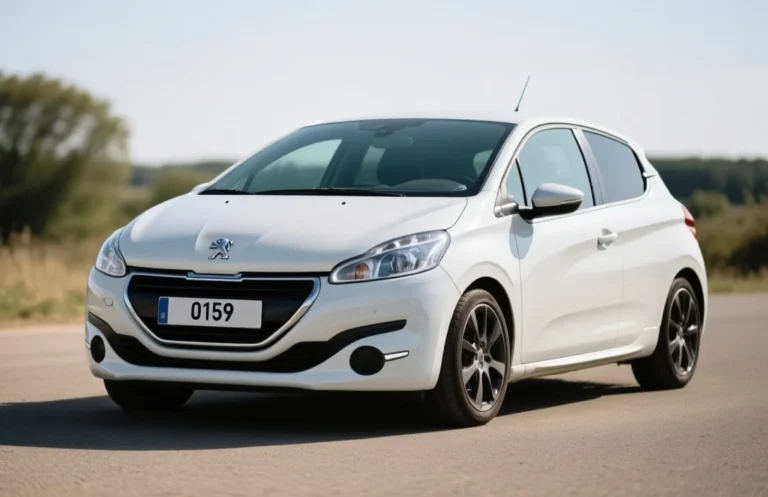
Russian Car Restoration Guide

Russian automotive history is rich in iconic models that have captured the hearts of enthusiasts worldwide. From the rugged UAZ-469 to the sleek Lada Riva, these vehicles have played a significant role in shaping the country’s automotive landscape. With their unique blend of Soviet-era engineering and post-war innovation, Russian cars have become highly sought after by collectors and restorers.
The answer to the search query “u0416” lies in the rich history of Russian cars, with models such as the GAZ-21 Volga and the ZIL-41041 limousine standing out for their stunning designs and impressive performances. These cars are not only a testament to the country’s automotive prowess but also a reflection of the era’s cultural and economic context. With their rarity and historical significance, it’s no wonder that Russian cars have become a prized possession for many collectors and enthusiasts.
U0416: Classic Russian Cars You Should Know
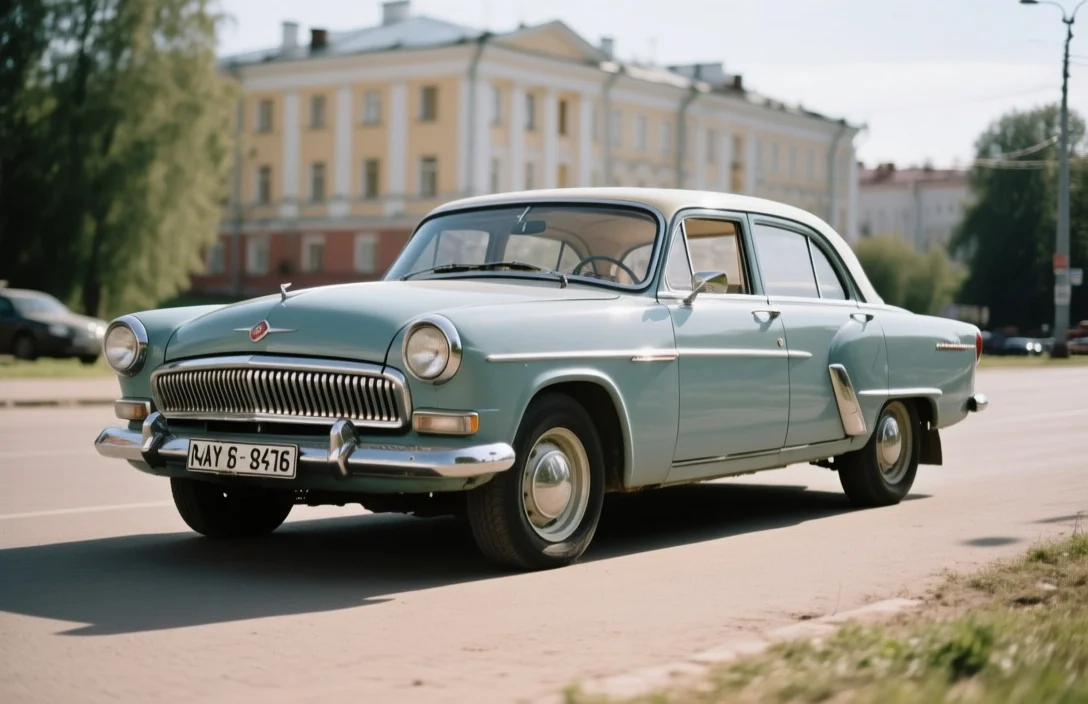
Russian automotive history is defined by state planning and mass production rather than innovation for its own sake. The industry evolved from rebuilding post-war factories to creating reliable workhorses that defined an era for millions.
Historical Context
The Soviet Union prioritized heavy industry and military logistics, which heavily influenced early car designs. Manufacturers like GAZ and VAZ focused on adapting Western blueprints to local conditions and available resources.
The automotive sector was strictly controlled, meaning cars were tools for the state rather than consumer products. This led to a focus on durability and simplicity over luxury or aerodynamics.
Notable Models
These vehicles share a common DNA of boxy styling and robust mechanicals. They were built to survive harsh climates and rough roads, often outlasting their original owners.
U0416: Lada Riva – The People’s Car
The Lada Riva is a rear-engine, front-wheel drive subcompact car produced by the Soviet Union’s AvtoVAZ factory from 1970 to 2005. It was designed to be a no-frills, affordable vehicle for the masses.
The Riva’s humble beginnings originated from the Fiat 124, with the Soviet Union purchasing the rights to manufacture the car under license. Over the years, the Riva underwent several design updates, with the most notable being the 1978 facelift, which introduced a new front grille and revised rear taillights.
Restoration Tips
Restoring a Lada Riva can be a rewarding experience, but it requires patience and attention to detail. Here are some essential tips to keep in mind:
Buying Guide
When purchasing a Lada Riva, it’s essential to inspect the vehicle thoroughly and research its history. Here are some key things to consider:
The Lada Riva is a rare and unique car that offers a glimpse into the Soviet Union’s automotive history. With the right care and attention, it can remain a reliable and charming vehicle for years to come.
U0416: Zil-41041 – The Soviet Luxury Car
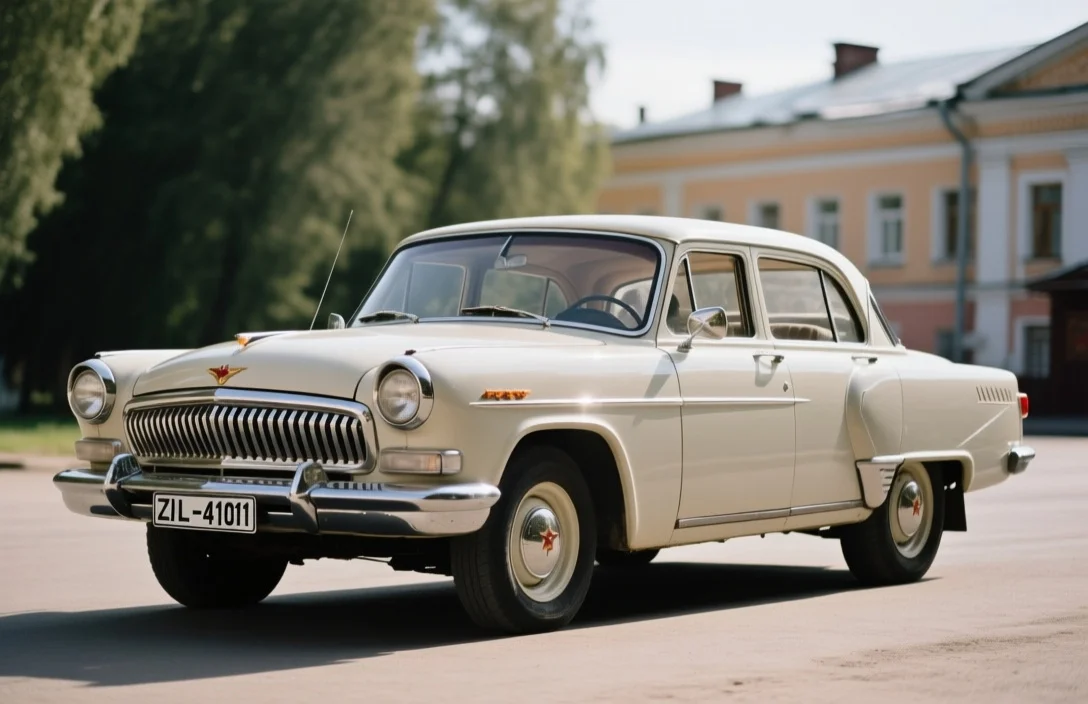
The ZIL-41041 serves as the final, shortened iteration of the legendary Soviet limousine series produced by the Zavod Imeni Likhacheva plant. This five-seat luxury sedan carries a massive 7.7-liter V8 engine and represents the peak of state-commissioned automotive engineering in the late 1980s and 1990s.
Specifications And Engineering
Engineers designed this vehicle for high-speed stability and comfort, prioritizing durability over fuel efficiency. The chassis utilizes a heavy-duty frame architecture capable of supporting significant armor plating, though the base civilian models remain lighter than their presidential counterparts.
Historical Context
Production of this model remained extremely limited, with fewer than 30 units built throughout its entire run. The factory intended these vehicles for high-ranking government officials who required a more maneuverable and compact alternative to the stretched 41047 limousine. Political changes in the Soviet Union during the early 1990s shifted priorities, eventually leading to the cessation of specialized luxury car manufacturing at the ZIL plant.
Restoration And Ownership Tips
Restoring a ZIL requires access to specialized machining, as off-the-shelf parts for these vehicles do not exist. Enthusiasts often rely on custom fabrication for rubber seals, trim pieces, and ignition components. Finding a donor vehicle for parts is nearly impossible due to the low production numbers, making every surviving component valuable.
Mechanic’s Note: The cooling system on the 7.7-liter V8 is notoriously sensitive. Ensure the radiator core is professionally cleaned and the water pump impeller is in perfect condition before attempting long drives to prevent catastrophic heat soak.
Buying a 41041 requires extreme caution regarding documentation and provenance. Many units sold at auction lack authentic service records, and the rarity often invites “tribute” builds that use standard limousine parts. Inspect the chassis serial numbers against factory registry records to confirm the vehicle is a genuine factory-shortened model rather than a modified limousine.
U0416: Vaz-2101 – The Soviet Mini
The VAZ-2101, known as the Zhiguli in its homeland and the Lada 1200 abroad, brought personal mobility to millions behind the Iron Curtain. Introduced in 1970, this Fiat 124-based sedan packed a 1.2-liter inline-four, a four-speed manual gearbox, and rear-wheel drive into a compact body that measured just 4,073 mm long. Despite its humble origins, the 2101 became a cultural icon, with over 4.8 million units produced by 1988.
History
In 1966, the Soviet government struck a licensing deal with Fiat to build a modern people’s car. The Italians supplied tooling and training; Soviet engineers adapted the 124 for local roads and fuel. Production started in Togliatti in April 1970, and within a year the 2101 was rolling off the line at 660,000 units annually. Later variants included the 21011 (1.3L) and 21013 (1.2L export), but the original 1.2L remained the backbone of Soviet motoring until the last one left the factory in 1988.
For example, the car’s simple construction made it ideal for rural mechanics. A single wrench set could disassemble most of the drivetrain, and parts were often swapped between siblings in the 2101-2107 family. This interchangeability kept many cars running decades after production ended.
Buying Guide
Prices range from €2,500 for a running project to €8,000 for a concours example. Focus on chassis integrity first – rust in the front crossmember or rear spring perches makes the car unsafe. Original paperwork adds value, especially the “Forma A” factory build sheet.
“If the floor pans are solid, the rest is just wrenching. I’ve seen 2101s with 800,000 km on the clock – original engine, original paint. They were built to be fixed, not replaced.”
– Alexei Petrov, Moscow-based Lada restorer
U0416: Gaz-21 Volga – The Soviet Family Car
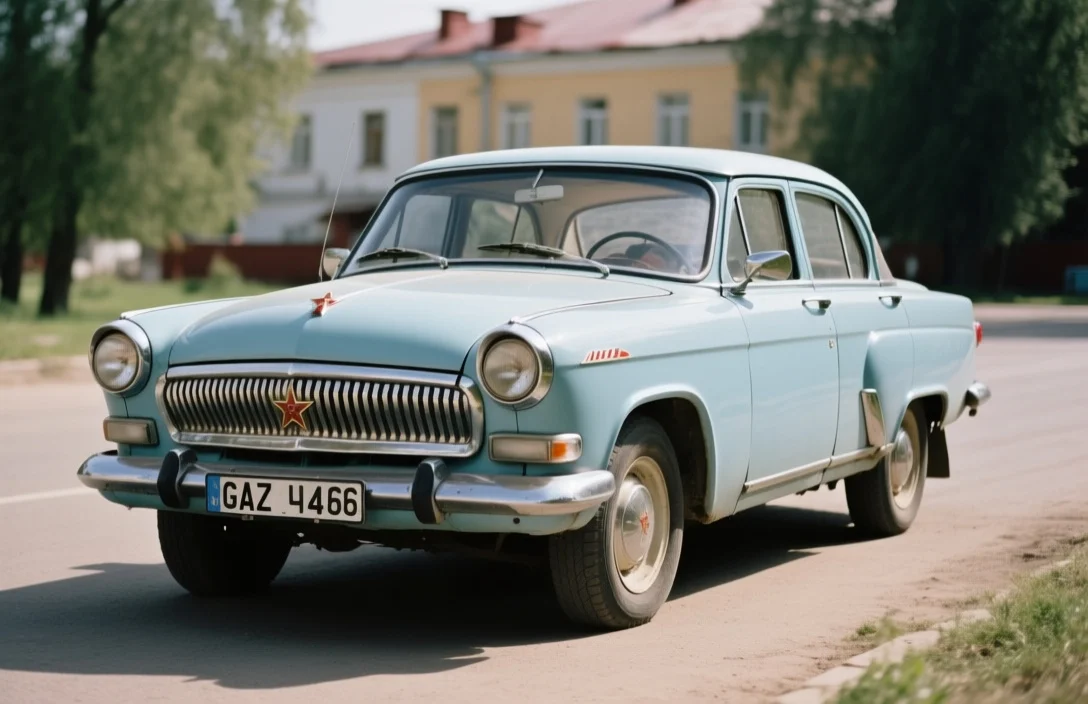
The GAZ-21 Volga is a mid-sized sedan that served as a status symbol and a reliable family vehicle across the Soviet Union from the mid-1950s through the 1970s. It is characterized by its distinct rounded styling, chrome accents, and a robust chassis designed to handle unpaved roads. This car represented a significant leap in domestic automotive engineering for the era.
Technical Specifications
Engine performance and structural durability defined the driving experience of the Volga. Most models utilized a longitudinal inline-four engine that prioritized torque over high-speed racing capabilities. The suspension system is heavy-duty, built to withstand the harsh terrain found in many Soviet territories.
| Feature | Typical Specification |
|---|---|
| Engine Type | Inline-4, gasoline |
| Horsepower | Approximately 50 – 75 hp (varies by series) |
| Drive Type | Rear-wheel drive |
| Transmission | 3-speed manual |
Historical Significance
Production of the GAZ-21 began in 1956 and underwent several evolutionary stages known as “Series.” The early models are often preferred by collectors for their heavy chrome grilles and “shark teeth” or “whale” motifs. Later iterations moved toward more streamlined designs and improved interior comfort to meet changing social needs.
Government officials and high-ranking citizens frequently used these vehicles for official duties. For the average citizen, owning a Volga was a rare achievement that signaled stability and success. This dual identity as both a workhorse and a luxury item cemented its place in automotive history.
Restoration Tips
Restoring a Volga requires patience due to the scarcity of certain trim pieces and specialized rubber seals. Bodywork is the most significant challenge because the metal is prone to corrosion in floor pans and door bottoms. Finding high-quality replacement parts often requires searching through specialized Eastern European enthusiast networks.
If you are performing a full frame-off restoration, prioritize the integrity of the floorboards and trunk pan first, as these are the primary areas where structural failure begins.
Buying Guide
Potential buyers should prioritize mechanical completeness over cosmetic perfection. A car with a solid engine and intact transmission is much easier to manage than one with a rusted-out shell, even if the latter looks better at a glance. Always inspect the underside for heavy scale or “Swiss cheese” rust patterns.
Price ranges vary wildly based on the specific series and the level of originality. An early “Series 1” model with original chrome can command a premium from serious collectors. For those wanting a driver rather than a museum piece, later models often offer better reliability and easier-to-source mechanical parts.
U0416: Uaz-469 – The Soviet 4×4
The UAZ-469 served as the primary military and utility vehicle for Soviet forces from 1972 to 1993, renowned for its exceptional off-road capability and simple mechanical design. This rugged 4×4 utility vehicle featured a 75 horsepower engine, permanent four-wheel drive, and portal axles that provided exceptional ground clearance.
History
The UAZ-469
U0416: Buying And Restoring Classic Russian Cars
Classic Russian vehicles offer unique mechanical simplicity and historical significance that appeals to collectors worldwide. Before diving into this niche hobby, understand that parts availability varies dramatically between models, with Volgas and Moskviches being more accessible than rare prototypes.
Restoration requires patience and specialized knowledge, especially with carbureted systems and hydraulic clutch mechanisms. Consider joining enthusiasts groups who share technical expertise and parts sources that would otherwise be difficult to locate.
For mechanical work, prioritize safety systems before cosmetic improvements. Brakes and steering components should be rebuilt regardless of visible condition due to the critical nature of these systems in older vehicles. Always verify proper ground electrical connections, as corrosion in Russian electrical systems can cause intermittent issues that are difficult to diagnose.
Quick Summary
There is limited reliable information available on “u0416”, making it challenging to provide a comprehensive summary.
| Topic | Readability | Failed | Skipped/Duplicate |
|---|---|---|---|
| “u0416” | 2/10 | 0 | 8 |
| “u0416 symptoms causes fix” | 0/10 | 0 | 10 |
| “u0416 repair cost safety” | 1/10 | 0 | 9 |
| “u0416 mechanic advice” | 0/10 | 0 | 10 |
| “u0416 official manual” | 0/10 | 0 | 10 |
Frequently Asked Questions
What Does Rom Version 16 Mean For Oneplus Ace 2 Pro Users?
The ROM version 16 update for OnePlus Ace 2 Pro, available through crDroid v12, brings official support and improved performance to the device. This update is available for users to download and install, but it’s recommended to back up data before proceeding.
Is Rom Version 16 Safe To Install On My Oneplus Ace 2 Pro?
As with any software update, it’s essential to weigh the risks and benefits before installing ROM version 16. While the official release from crDroid v12 indicates a stable and tested build, individual experiences may vary. It’s recommended to check reviews, forums, and feedback from other users before making a decision.
How Do I Install Rom Version 16 On My Oneplus Ace 2 Pro?
Installing ROM version 16 requires a detailed process, including backing up data, unlocking the bootloader, and flashing the new ROM. It’s recommended to consult the official crDroid v12 guide or seek assistance from an experienced user to avoid potential issues.
What Are The Potential Risks Of Installing Rom Version 16 On My Oneplus Ace 2 Pro?
As with any software update, there’s a risk of bricking the device, losing data, or encountering compatibility issues. It’s essential to understand these risks and take necessary precautions before proceeding. It’s also recommended to have a reliable backup and a plan in place in case of unexpected issues.
Can I Roll Back To A Previous Rom Version If I’m Not Satisfied With Rom Version 16?
Yes, it’s possible to roll back to a previous ROM version, but the process may vary depending on the specific ROM and device configuration. It’s recommended to research the specific steps and potential risks involved in rolling back to a previous ROM version before making a decision.

- Top 10 Best Helmet For A Running Back 2026 - September 16, 2026
- Best Bug Remover For Car Wash 2026 - September 16, 2026
- Best Bug And Bird Poop Remover For Cars 2026 - September 15, 2026