Toyota Wigo U1112: Error Code Causes, Fixes, And Repairs

The Toyota Wigo’s U1112 error code can be a frustrating and potentially costly problem for owners of this compact car. The U1112 code is a generic trouble code that indicates a fault in the engine control module (ECM) or the engine itself, but it doesn’t provide a specific diagnosis. This can make it challenging for DIY enthusiasts and seasoned mechanics alike to identify the underlying cause of the issue.
The U1112 code in the Toyota Wigo is likely caused by a faulty or loose connection, a sensor problem, or a software issue. Some common causes include a faulty oxygen sensor, a loose or corroded battery cable, or a software glitch in the ECM. In some cases, the U1112 code may be related to a more serious problem, such as a faulty engine component or a malfunctioning sensor.
Toyota Wigo U1112 Meaning And Symptoms
 The U1112 error code indicates a communication failure between the Engine Control Module (ECM) and the Anti-lock Braking System (ABS) and Vehicle Stability Control (VSC) system. This failure can be caused by a faulty sensor, wiring issue, or a malfunctioning ECM.
The U1112 error code is a generic code that can be triggered by various problems, including:
The symptoms of a U1112 error code may include:
This error code can have a significant impact on the performance and safety of the vehicle, as it can affect the ABS and VSC systems’ ability to function properly.
| Error Code | Description |
|---|---|
| U1112 | Communication failure between ECM and ABS/VSC system |
| U1113 | Lost Communication between ECM and ABS/VSC system |
It’s essential to diagnose and repair the underlying issue causing the U1112 error code to ensure the vehicle’s safety and performance.
Common Causes For U1112 Communication Errors
Wiring harness damage or corrosion can raise resistance in the system, causing communication errors. Corrosion can occur due to exposure to moisture, road salt, or other environmental factors, while wiring harness damage can result from physical stress, animal bites, or other forms of trauma.
Loose or oxidized connectors can also cause communication errors between modules. When connectors are loose or corroded, the electrical connection is compromised, leading to data transfer issues.
| Loose or Oxidized Connector Symptoms | Causes |
|---|---|
| Communication errors, intermittent faults, or no communication at all | Loose or corroded connectors, worn-out or damaged wiring |
Low battery voltage can also cause communication errors, as the system may not have sufficient power to transmit data. Grounding issues can also affect the system’s ability to communicate, causing errors like U1112.
Faulty ABS or ECM modules can also cause communication errors. If the ABS or ECM module is malfunctioning, it may not be able to communicate with other modules, leading to errors like U1112.
It’s essential to diagnose and repair the root cause of the communication error to ensure reliable operation of the vehicle’s systems.
Diagnostic Steps For Wigo Network Issues
 Corrosion raises resistance by breaking down the insulation of the wiring, which can cause communication errors between the engine control module (ECM) and other modules. This can lead to the U1112 code being stored in the vehicle’s onboard computer. The ECM uses the CAN (Controller Area Network) protocol to communicate with other modules, and any issues with the wiring or connections can disrupt this communication. To diagnose the issue, it’s essential to follow a step-by-step approach to isolate the fault. Here’s a list of diagnostic steps to follow:
- Perform a Full System Scan using a code reader or scan tool to retrieve the U1112 code and any other stored codes. This will help you understand the nature of the communication error and which modules are affected. Look for any other codes that may be related to the U1112 code, such as communication errors with other modules or sensors.
- Test the Battery and Alternator Health by checking the voltage output of the battery and the alternator’s ability to recharge it. A weak or faulty battery can cause communication errors, so it’s crucial to ensure that the battery is in good condition. Use a multimeter to check the voltage output of the battery and the alternator’s charging rate.
- Perform a Visual Inspection of the CAN-bus Wiring to look for any signs of damage, corrosion, or wear. Check the wiring for any cuts, frays, or abrasions that could be causing the communication error. Use a flashlight and a magnifying glass to inspect the wiring closely.
- Check for Intermittent Signal Loss by using a signal strength meter to measure the signal strength between the ECM and other modules. This will help you determine if the issue is related to a faulty or damaged wiring or connector.
- Use a CAN-bus Tester to diagnose the issue by simulating a communication error between the ECM and other modules. This will help you determine if the issue is related to a faulty or damaged wiring or connector.
- Check the wiring and connectors between the ECM and other modules for any signs of damage or corrosion. Use a multimeter to check the resistance of the wiring and connectors to ensure they are within the specified limits.
- Perform a System Reset by disconnecting the battery for at least 30 minutes to clear any stored codes and reset the system. This will help you determine if the issue is related to a software or hardware problem.
By following these diagnostic steps, you should be able to isolate the fault and determine the cause of the U1112 code being stored in the vehicle’s onboard computer.
Fixing Wiring And Connector Problems
Corrosion raises resistance by forming a barrier between the wire and the connector, causing the electrical signal to weaken or fail. Over time, this can lead to intermittent or permanent faults. In the Toyota Wigo, corroded wiring and connectors can cause a wide range of issues, including the U1112 code.
Inspect the wiring and connectors for signs of corrosion, damage, or wear. Look for any visible signs of rust, moisture, or oxidation on the wires, connectors, or terminals. Check for any exposed wires, frayed insulation, or loose connections.
Repairing Corroded Wires And Connectors
When repairing corroded wires and connectors, always use a high-quality contact cleaner and a wire brush to clean the affected area. Use a soldering iron to remove any corrosion or oxidation, and then apply a new coat of flux to the area. Once the corrosion is removed, inspect the wire and connector for any further damage or wear.
When repairing frayed or damaged wires, use a high-quality wire repair kit to ensure a secure and reliable connection. Use a soldering iron to repair any damaged or broken wires, and then apply a new coat of insulation to the repaired area.
When tightening or securing loose connectors or plugs, always use a high-quality torque wrench to avoid over-tightening or damaging the connector or plug.
By following these steps and using the correct materials, you can effectively repair and maintain the wiring and connectors of your Toyota Wigo, ensuring a safe and reliable electrical system.
Replacing Faulty Control Modules
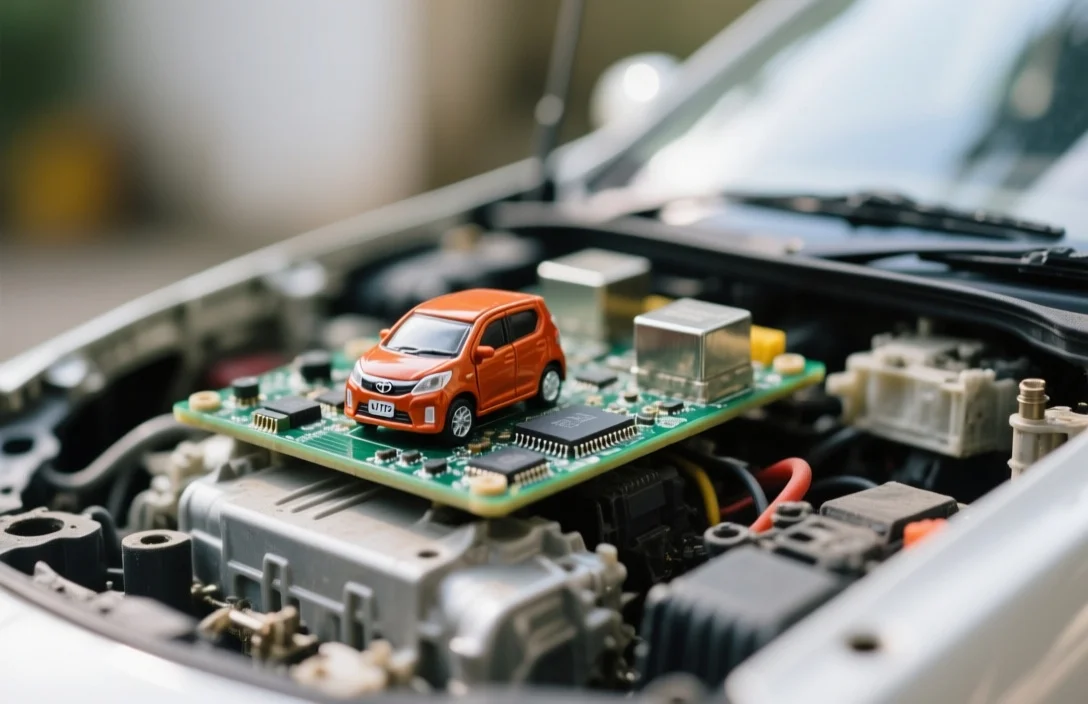
Control module replacement is required when a unit fails to respond to diagnostic requests despite having verified power and ground. This is the final step after wiring tests confirm the CAN bus lines are intact.
Identifying A Failed Abs Actuator
The ABS actuator is a combined hydraulic and electronic unit. If the internal solenoid drivers fail or the PCB corrodes, the module stops communicating with the rest of the network.
A failed unit often shows no response to a scan tool even when the fuse is good. In practice, you can check for 12V at the main power pin and measure the current draw to see if the module is drawing any power at all.
Always bleed the brake system fully after replacing an ABS actuator to prevent air pockets in the hydraulic lines.
Ecm Replacement And Programming
The Engine Control Module (ECM) manages engine timing and fuel delivery. Replacing this unit is a complex process because the Toyota Wigo uses an immobilizer system that pairs the ECM to the vehicle’s VIN and key codes.
A plug and play approach usually fails. The car will crank but will not start because the security system blocks the fuel injectors until the new module is programmed.
Testing The New Module For Communication
Verification is the only way to ensure the communication error is resolved. You must confirm that the new module is talking to the other controllers on the network.
For example, if you replaced the ABS module, you must check that the ECM no longer reports a loss of communication
Estimated Repair Costs For U1112
The estimated repair costs for a Toyota Wigo with a U1112 code can vary greatly depending on the cause of the issue and the type of repair required. Diagnostic labor fees can range from $75 to $200 per hour, with an average diagnosis time of 1-2 hours.
Diagnostic labor fees can range from $75 to $200 per hour, with an average diagnosis time of 1-2 hours. The cost of parts can range from $50 to $500, depending on the specific component required.
The table below provides a breakdown of estimated repair costs for a Toyota Wigo with a U1112 code:
| Part/Service | Cost Range |
|---|---|
| Diagnostic Labor | $150-$400 |
| Wiring Repair | $200-$1,000 |
| Module Replacement | $300-$1,500 |
| OEM Parts | $50-$500 |
| Aftermarket Parts | $30-$300 |
Keep in mind that these estimates are rough and may vary depending on the specific repair shop, location, and technician’s expertise.
For example, if the issue is caused by a faulty wiring harness, the repair cost may be higher due to the need for specialized tools and labor.
It’s essential to consult with a professional mechanic to determine the root cause of the issue and provide a more accurate estimate of the repair costs.
Risks Of Ignoring U1112 Codes
Ignoring U1112 codes can lead to a loss of ABS and VSC functionality, significantly increasing the risk of accidents, particularly in emergency situations where rapid braking or sharp turns are required. This is because the Vehicle Stability Control (VSC) system relies on accurate data from various sensors to maintain vehicle stability, and the Anti-lock Braking System (ABS) requires precise communication with the Electronic Brake-force Distribution (EBD) system to prevent wheel lockup. When these systems are disabled, the vehicle becomes more difficult to control, especially on slippery or uneven road surfaces.
| Impact on Vehicle Safety | Consequences of Ignoring U1112 Codes |
|---|---|
| Loss of ABS and VSC functionality | Increased stopping distances in emergencies, reduced vehicle stability, and higher risk of accidents |
| Potential for further electrical damage | Expensive repairs, system malfunction, or even complete system failure |
Ignoring U1112 codes can also lead to increased stopping distances in emergency situations, making it more difficult to stop the vehicle in time, especially on slippery or uneven road surfaces. Additionally, ignoring U1112 codes can lead to potential further electrical damage, resulting in expensive repairs, system malfunction, or even complete system failure.
It’s essential to address U1112 codes promptly to ensure the safety of the vehicle and its occupants.
Quick Summary
The Toyota Wigo U1112 error code requires immediate attention to prevent potential engine damage and costly repairs.
| Error Code | Description |
|---|---|
| U1112 | Fuel System Issue, Fuel Pump or Fuel Pressure Sensor Malfunction |
Frequently Asked Questions
What Is The Toyota Wigo U1112 Trouble Code And What Does It Mean?
The Toyota Wigo U1112 trouble code indicates a problem with the engine control module’s (ECM) communication with the fuel system. The code often occurs when the ECM detects an error in the fuel system, such as a faulty fuel sensor or a malfunctioning fuel injector. However, without further diagnosis, it’s difficult to pinpoint the exact cause of the issue.
How Do I Clear The Toyota Wigo U1112 Trouble Code?
You can clear the Toyota Wigo U1112 trouble code by using a scan tool to reset the engine control module. However, it’s essential to note that clearing the code does not fix the underlying issue. You’ll need to diagnose and repair the problem causing the code to appear in the first place. Consult your owner’s manual or a repair manual for specific instructions on how to use a scan tool to clear the code.
What Are The Common Symptoms Of The Toyota Wigo U1112 Trouble Code?
The Toyota Wigo U1112 trouble code can cause a range of symptoms, including rough engine idle, decreased engine performance, and reduced fuel efficiency. In some cases, the code may also trigger the check engine light to illuminate. If you’re experiencing any of these symptoms, it’s essential to have your vehicle diagnosed by a qualified mechanic to determine the underlying cause.
Can I Drive My Toyota Wigo With The U1112 Trouble Code?
While it’s possible to continue driving your Toyota Wigo with the U1112 trouble code, it’s not recommended. The code indicates a problem with the engine control module’s communication with the fuel system, which can lead to decreased engine performance and potentially cause further damage to the fuel system. If you’re experiencing any symptoms related to the code, it’s best to have your vehicle diagnosed and repaired as soon as possible.
How Long Does It Take To Repair The Toyota Wigo U1112 Trouble Code?
The time it takes to repair the Toyota Wigo U1112 trouble code depends on the underlying cause of the issue. If the problem is related to a faulty fuel sensor or a malfunctioning fuel injector, the repair may be relatively straightforward and can be completed in a few hours. However, if the issue is more complex, such as a problem with the engine control module itself, the repair may take longer and require more extensive repairs.
Is The Toyota Wigo U1112 Trouble Code A Safety Concern?
The Toyota Wigo U1112 trouble code is not typically considered a safety concern, as it’s related to the engine control module’s communication with the fuel system. However, if the code is not addressed and the underlying issue is not repaired, it can lead to decreased engine performance and potentially cause further damage to the fuel system. Consult a qualified mechanic for further evaluation and guidance on how to address the issue.

- Top 10 Best Battery For Kayak Trolling Motor 2026 - October 22, 2026
- Top 10 Best Battery For Heated Vest 2026 - October 22, 2026
- Top 10 Best Battery For Garmin Livescope 2026 - October 22, 2026