10 Best Jump Starters for Diesel Pickup Trucks: Heavy-Duty Buying Guide

A dead battery can leave a diesel pickup stuck when you need it most. Diesel engines often require more starting power than smaller gasoline engines, especially when the engine is large or the weather is cold. A weak battery, thick engine oil, or low temperature can make starting even harder.
A portable jump starter gives you an independent power source for emergency starts. But choosing one for a diesel pickup requires more than looking at the highest advertised amp number.
You should check the jump starter’s diesel engine rating, peak output, battery capacity, voltage, clamp quality, cable length, and safety features. Cold-weather performance also matters if you drive in freezing conditions.
Your truck’s engine size is one of the first specifications to check. A compact jump starter rated for small gasoline engines might not provide enough starting power for a large diesel pickup.
This guide covers 10 jump starters suitable for different diesel pickup applications, from everyday roadside emergencies to large-displacement and heavy-duty trucks.
1. NOCO Boost X GBX155
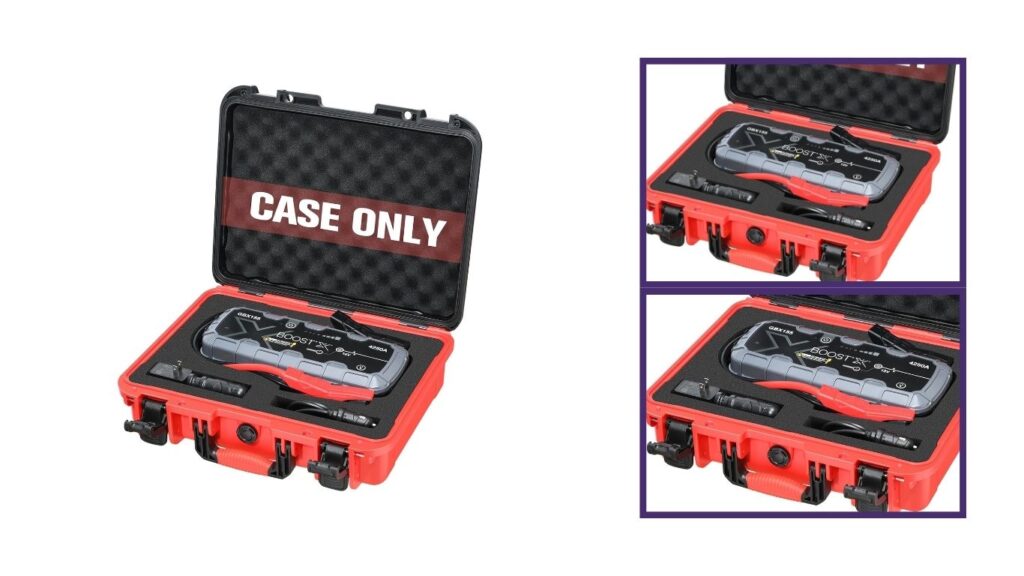
The NOCO Boost X GBX155 is a high-output 12V lithium jump starter designed for large vehicles. Its 4,250-amp peak output and diesel engine rating of up to 8.0 liters make it a strong option for large diesel pickups.
The unit uses a rechargeable lithium battery and heavy-duty clamps to deliver starting power to a vehicle battery. It also includes safety features designed to help protect against reverse polarity and short circuits.
| Feature | Specification |
|---|---|
| Peak current | 4,250A |
| Voltage | 12V |
| Diesel rating | Up to 8.0L |
| Battery type | Lithium |
| Charging | USB-C |
| Clamps | Heavy-duty |
| Safety | Reverse polarity and short-circuit protection |
| Extra feature | LED flashlight |
Pros:
- Very high 4,250A output
- Supports large diesel engines
- Heavy-duty clamps
- Multiple safety protections
- USB-C charging
- Built-in LED flashlight
Cons:
- Larger than compact jump starters
- Higher price
- More power than smaller pickups need
- Requires regular charging
- Less compact than lower-output models
- 12V only
The GBX155 is a strong choice for owners of large diesel pickups who want substantial starting capacity in an emergency. Its high output also gives you more starting reserve when the vehicle battery is heavily discharged.
Before buying, compare the GBX155’s diesel engine rating with your truck’s engine size. You should also confirm that your pickup uses a 12V starting system.
Best for: Large diesel pickups and drivers who want a high-output emergency jump starter.
2. GOOLOO GP4000
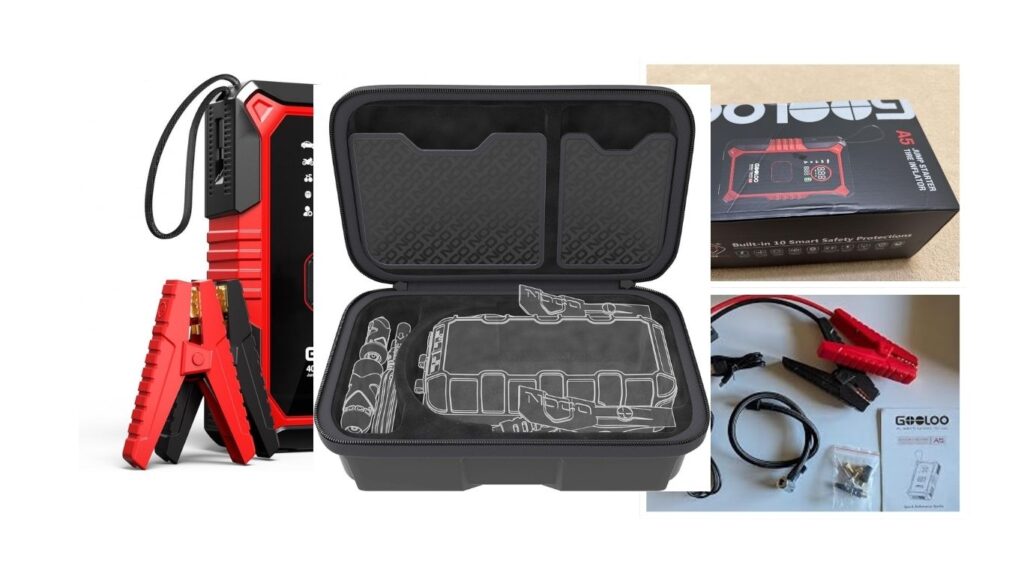
The GOOLOO GP4000 is a high-output lithium jump starter for large vehicles and diesel pickups. It delivers 4,000A of peak current and is rated for diesel engines up to 10.0L. It also includes USB charging, an LED light, and multiple safety protections.
| Feature | Specification |
|---|---|
| Peak current | 4,000A |
| Diesel rating | Up to 10.0L |
| Battery | Lithium |
| Charging | USB-C |
| Safety | 10-stage protection |
| Extra | USB ports, LED light |
Pros:
- 4,000A output
- Up to 10.0L diesel
- Strong safety system
- USB-C charging
- Built-in LED light
Cons:
- Relatively bulky
- Higher price
- Needs regular charging
- Peak amps are short-term
Best for: Large diesel pickups and high-output needs.
3. NOCO Boost HD GB70
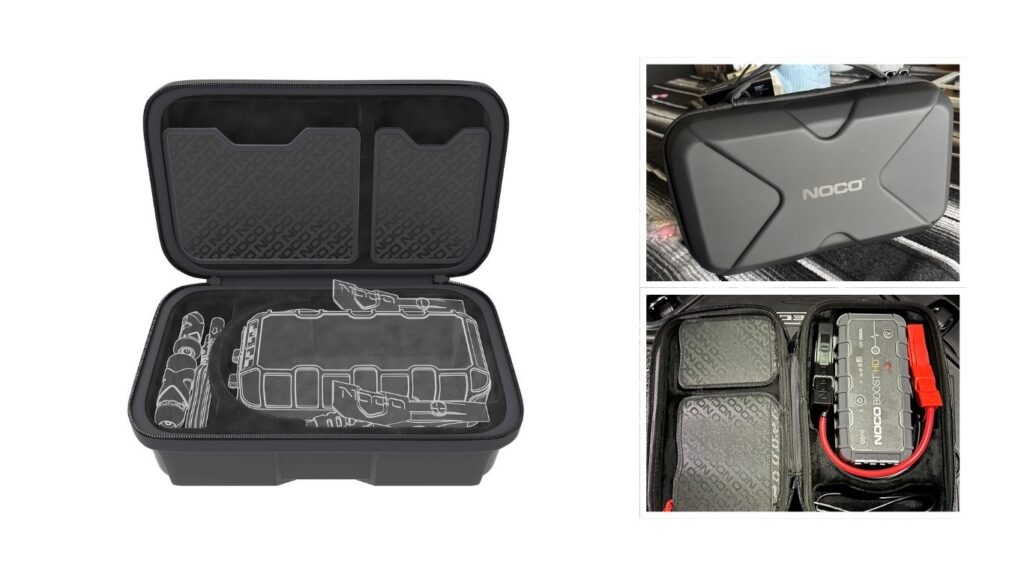
The NOCO Boost HD GB70 is a 2,000A 12V jump starter designed for trucks, SUVs, and compatible diesel vehicles. It is rated for diesel engines up to 6.0L and uses heavy-duty clamps with NOCO’s UltraSafe protection system.
| Feature | Specification |
| Peak current | 2,000A |
| Voltage | 12V |
| Diesel rating | Up to 6.0L |
| Battery | Lithium |
| Clamps | Heavy-duty |
| Safety | UltraSafe |
| Extra | USB output, LED light |
Pros:
- 2,000A output
- Up to 6.0L diesel
- Heavy-duty clamps
- Strong safety system
- USB output
Cons:
- 6.0L diesel limit
- Bulky design
- Higher cost
- 12V only
Best for: Mid-size diesel pickups and dependable roadside use.
4. Hulkman Alpha85
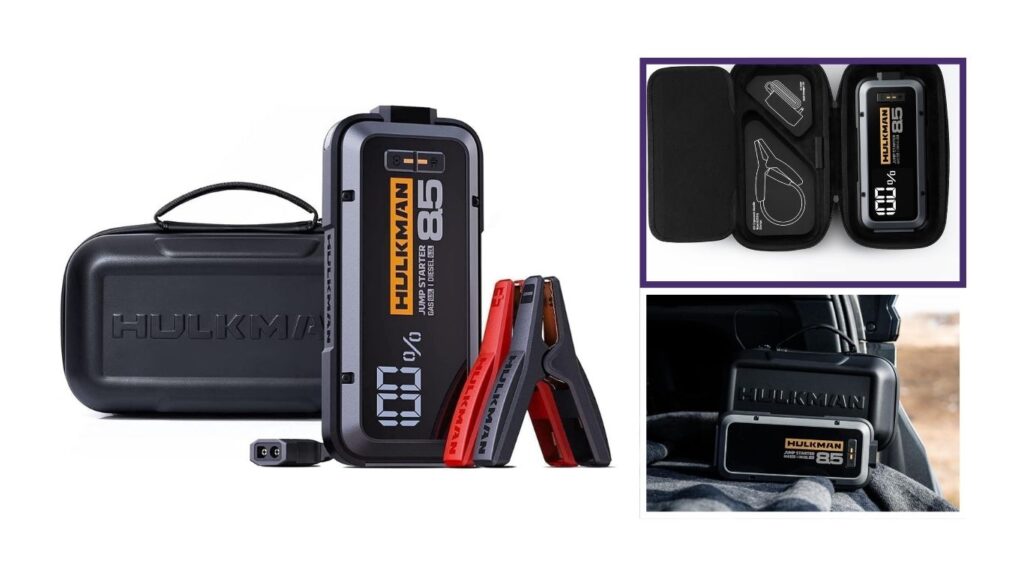
The Hulkman Alpha85 combines 2,000A starting power with a 20,000mAh lithium-polymer battery. It supports diesel engines up to 6.0L and includes a large digital display for monitoring battery status and operating information.
| Feature | Specification |
| Peak current | 2,000A |
| Voltage | 12V |
| Diesel rating | Up to 6.0L |
| Battery | 20,000mAh |
| Display | 3.3-inch |
| Charging | 65W USB-C |
| Water resistance | IP65 |
Pros:
- 2,000A output
- 20,000mAh battery
- Clear display
- Fast USB-C charging
- IP65 protection
Cons:
- 6.0L diesel limit
- Relatively heavy
- 12V only
- Requires charging
Best for: Diesel pickup owners who want a clear battery display.
5. Fanttik T8 Apex
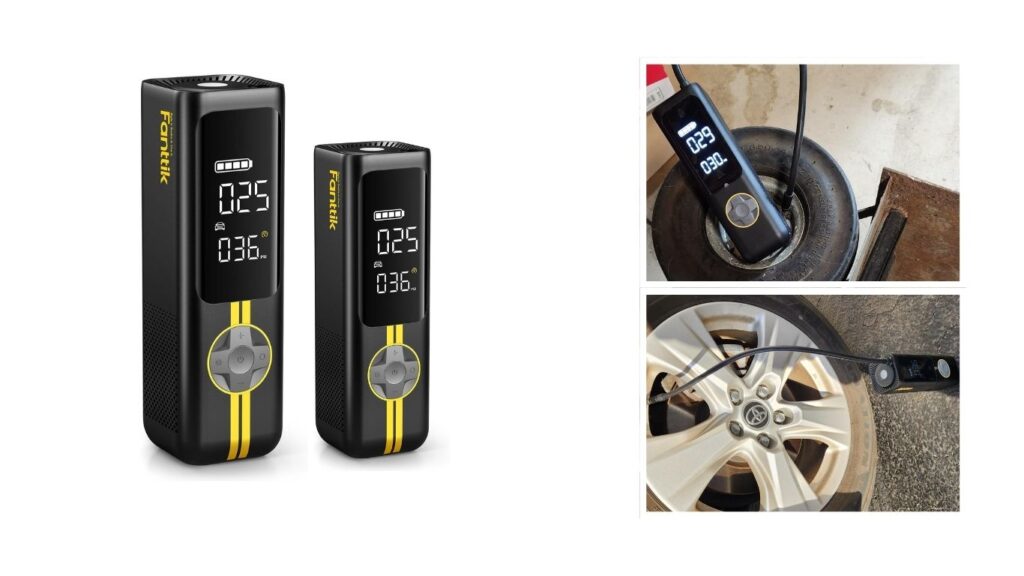
The Fanttik T8 Apex is a portable 2,000A lithium jump starter rated for diesel engines up to 6.0L. Its 20,000mAh battery, USB-C charging, compact design, and LED flashlight make it practical for emergency vehicle storage.
| Feature | Specification |
| Peak current | 2,000A |
| Voltage | 12V |
| Diesel rating | Up to 6.0L |
| Battery | 20,000mAh |
| USB-C | 65W PD |
| USB-A | 18W |
| LED light | 400 lumens |
Pros:
- 2,000A output
- Compact design
- 20,000mAh battery
- Fast USB-C charging
- Built-in LED light
Cons:
- 6.0L diesel limit
- 12V only
- Needs regular charging
- Not for larger diesel engines
Best for: Diesel pickup owners who prioritize portability.
6. GOOLOO GP3000
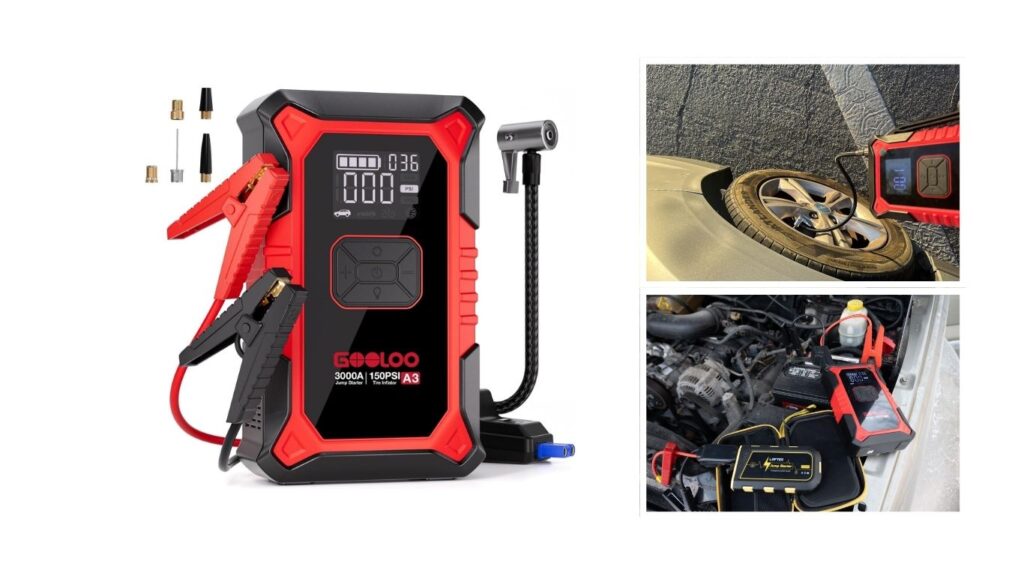
The GOOLOO GP3000 is a high-output portable jump starter designed for cars, SUVs, trucks, and compatible diesel pickups. Its 3,000A peak output gives it more starting capacity than many 2,000A models.
| Feature | Specification |
|---|---|
| Peak current | 3,000A |
| Voltage | 12V |
| Battery | Lithium |
| Diesel use | Check manufacturer rating |
| Safety | Smart protection |
| Extra | USB ports, LED light |
Pros:
- 3,000A output
- Portable design
- Strong starting power
- USB charging
- LED light
Cons:
- Engine rating varies by model
- Needs regular charging
- 12V system
- Peak output is short-term
Best for: Diesel pickup owners wanting more output than a 2,000A unit.
7. GOOLOO GT Truck PRO
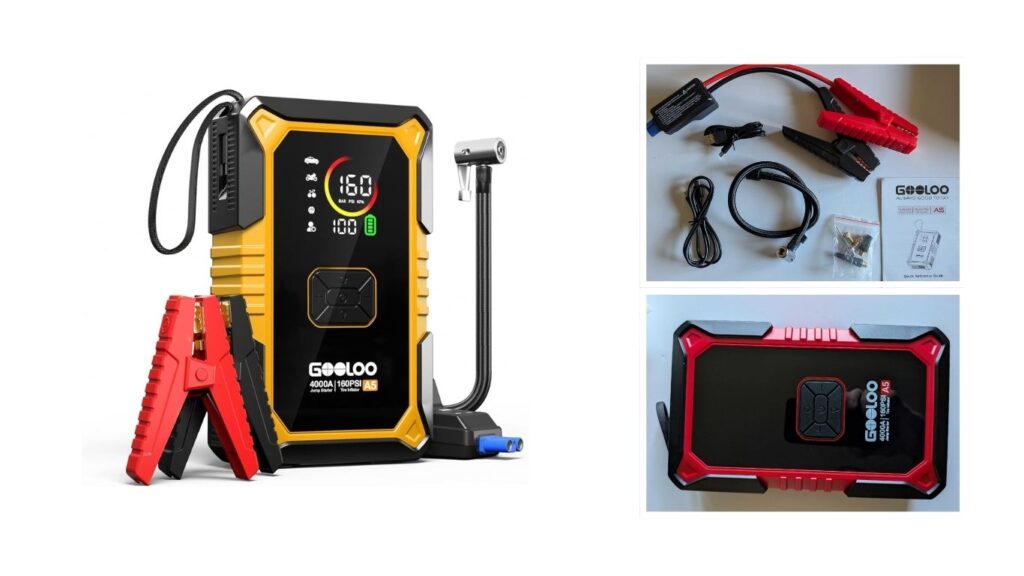
The GOOLOO GT Truck PRO is designed for larger vehicles and heavy-duty starting applications. Its key advantage is support for both 12V and 24V systems, making it more versatile than standard 12V jump starters.
| Feature | Specification |
|---|---|
| System voltage | 12V / 24V |
| Peak current | Up to 10,000A |
| Battery | Lithium |
| Vehicle use | Trucks and heavy-duty vehicles |
| Clamps | Heavy-duty |
| Extra | LED light, USB ports |
Pros:
- 12V and 24V support
- High output
- Heavy-duty design
- Large vehicle compatibility
- Multiple power functions
Cons:
- Large and heavy
- Higher price
- More power than small pickups need
- Specifications vary by version
Best for: Heavy-duty diesel pickups and vehicles using 12V or 24V systems.
8. NOCO Boost Pro GB155
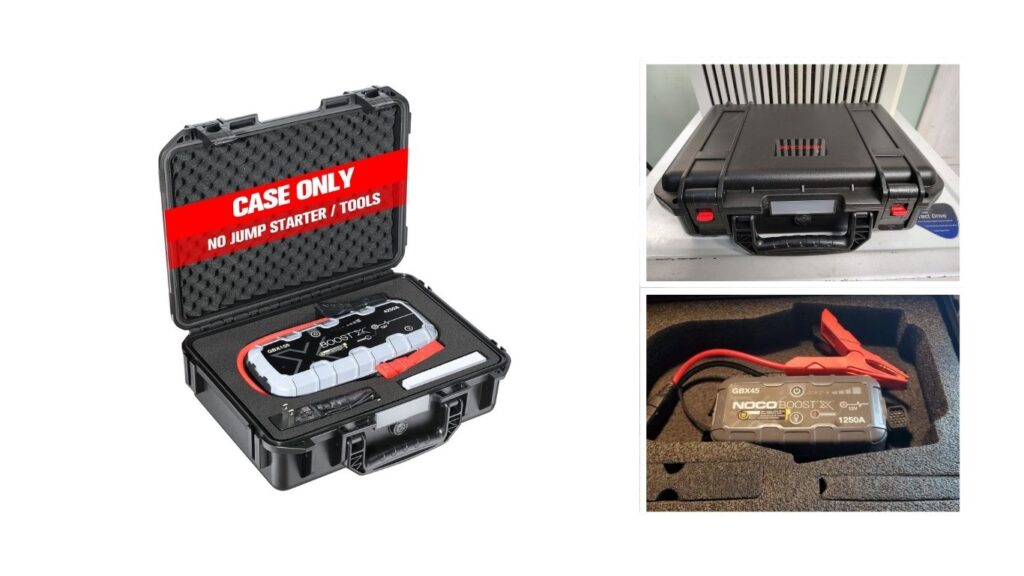
The NOCO Boost Pro GB155 is a heavy-duty portable jump starter designed for larger vehicles that require substantial starting power. With a 3,000A peak current, it is suitable for cars, SUVs, trucks, and compatible diesel vehicles. NOCO rates the GB150 for engines up to 9.0L gasoline and 7.0L diesel, making it a strong alternative to the TOPDON JS3000.
| Feature | Specification |
|---|---|
| Peak current | 3,000A |
| Voltage | 12V |
| Battery | Lithium |
| Gas engines | Up to 9.0L |
| Diesel engines | Up to 7.0L |
| Vehicle use | Cars, trucks, SUVs |
| Safety | UltraSafe protection |
| Extra | LED light, power bank |
Pros:
- 3,000A peak current
- Supports large gasoline and diesel engines
- Compact lithium design
- Strong safety features
- Integrated LED flashlight
- Useful as a portable power bank
Cons:
- Premium price
- Relatively large compared with smaller jump starters
- Charging uses an older-style connector
- Engine-size compatibility should still be verified
Best for: Large diesel pickup and truck owners who want a premium 3,000A portable jump starter with enough capacity for engines up to 7.0L diesel.
Why I recommend this replacement: The GB150 is much closer to the JS3000 than using a smaller 1,000A–2,000A model. Both are 3,000A-class, 12V lithium jump starters designed for larger vehicles.
9. TOPDON V4000 HD
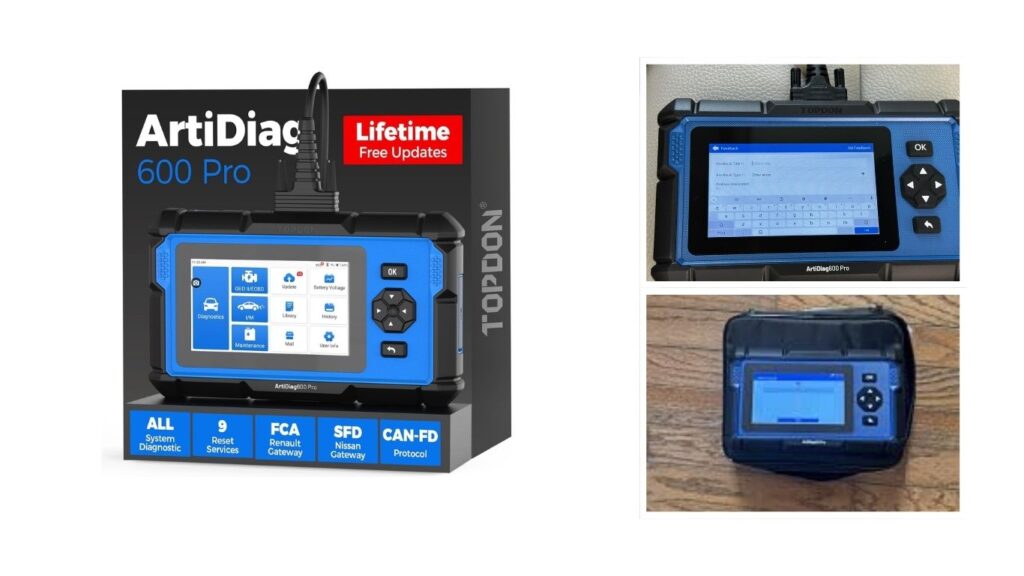
The TOPDON V4000 HD is a heavy-duty jump starter built for larger vehicles and demanding roadside situations. It focuses on high starting output, durable clamps, and a rugged design.
| Feature | Specification |
|---|---|
| Peak current | 4,000A class |
| Voltage | 12V |
| Vehicle use | Heavy-duty vehicles |
| Battery | Lithium |
| Clamps | Heavy-duty |
| Extra | LED light, USB charging |
Pros:
- High starting output
- Heavy-duty clamps
- Rugged construction
- Portable emergency power
- Useful for large vehicles
Cons:
- Larger size
- Higher cost
- 12V system
- Verify engine compatibility
Best for: Large diesel pickups and heavy-duty roadside emergencies.
10. Portable Jump Starter for Diesel Pickup
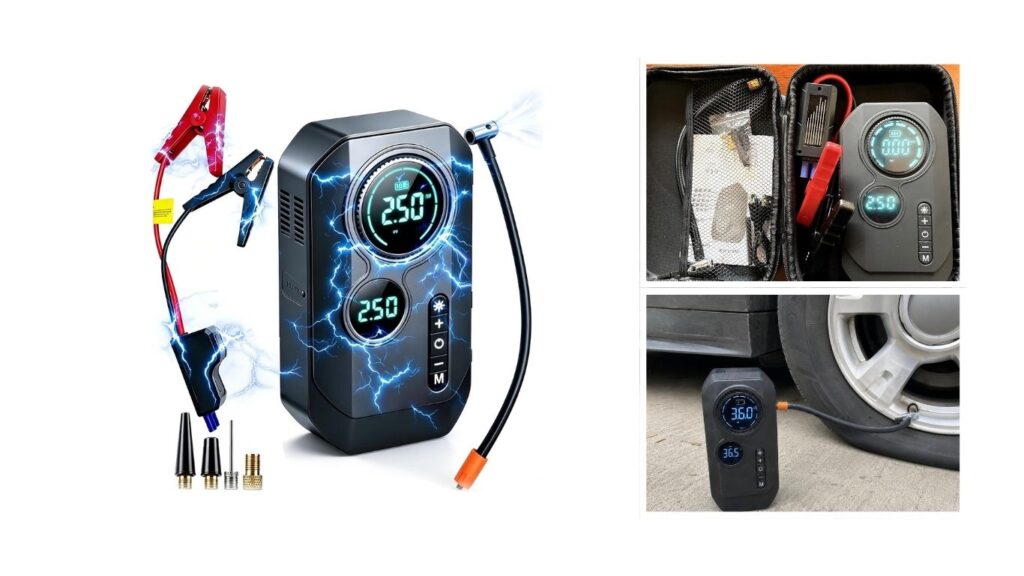
A high-output portable jump starter is useful for diesel pickup owners who want backup starting power without relying on another vehicle. For this category, focus on engine compatibility, starting output, battery capacity, and safety features rather than choosing the highest amp rating alone.
| Feature | What to Check |
|---|---|
| Peak current | Higher output for larger engines |
| Diesel rating | Match your engine size |
| Voltage | Confirm 12V or 24V |
| Battery | Check capacity |
| Clamps | Heavy-duty construction |
| Safety | Reverse-polarity protection |
| Charging | USB-C preferred |
| Storage | Compact enough for your truck |
Pros:
- Independent emergency power
- Easy to store
- No donor vehicle needed
- Useful for roadside emergencies
- Works with compatible diesel pickups
Cons:
- Requires charging
- Battery capacity decreases over time
- Not every model supports large diesels
- Peak amps vary between manufacturers
Best for: Drivers who want an emergency jump starter stored in their diesel pickup.
What Size Jump Starter Do You Need for a Diesel Pickup?
The correct jump starter depends on your diesel pickup’s engine size, battery condition, electrical system, and operating temperature. Engine displacement is one of the strongest indicators of starting demand because larger diesel engines generally require more cranking power.
Engine Size and Starting Demand
A diesel engine with larger displacement places greater demand on the starter motor. A 3.0L diesel does not have the same starting requirements as a 6.7L or 8.0L diesel.
As engine size increases, the jump starter should have a manufacturer approved diesel engine rating for the application.
Engine displacement → affects → cranking demand
Cranking demand → affects → required starting power
Jump Starter Output
Peak current gives you an indication of the jump starter’s maximum starting output. A 2,000A unit suits many light duty applications, while larger diesel engines often require higher output.
Do not use peak amps as the only selection factor. The manufacturer’s diesel engine rating provides a more useful compatibility reference.
Battery Condition
The condition of your truck battery changes how much assistance the jump starter needs to provide.
A partially discharged battery might still have enough internal capacity to assist the starting process. A severely discharged or damaged battery creates a different situation.
Battery condition → affects → available starting power
Jump starter → supplements → available battery power
What to Check Before Buying
- Diesel engine size
- Manufacturer engine rating
- Peak starting current
- Battery capacity
- Vehicle voltage
- Clamp quality
- Cold weather rating
How Many Amps Do You Need to Jump Start a Diesel Truck?
The required amperage depends on the diesel engine, battery condition, temperature, and jump starter design. A higher peak amp rating provides more advertised starting capacity, but it does not automatically mean better performance.
Peak Amps
Peak amps represent the maximum current the jump starter is designed to provide during a short starting event.
For example, a 2,000A jump starter and a 4,000A jump starter have different maximum output ratings. The higher number does not guarantee that the 4,000A model is required for every diesel pickup.
Peak current → represents → maximum short duration output
Battery Capacity
Battery capacity determines how much stored energy the jump starter contains. A larger internal battery can provide more reserve for repeated starting attempts and USB charging.
Capacity becomes more important when the vehicle battery is heavily discharged or when you need multiple attempts.
Battery capacity → determines → stored energy
Stored energy → supports → emergency starting
Starting Current vs Peak Current
Peak current should not be confused with continuous current or cold cranking amps.
The vehicle battery has its own CCA rating, while a portable jump starter has its own output specifications. These numbers describe different characteristics.
When comparing products, use the manufacturer’s diesel engine compatibility rating alongside the advertised peak output.
Factors That Affect Required Output
- Engine displacement
- Battery condition
- Ambient temperature
- Engine oil viscosity
- Starter motor load
- Glow plug operation
- Jump starter cable quality
Why Do Diesel Pickups Need More Jump-Starting Power?
Diesel engines use high compression to ignite fuel. This creates a greater mechanical demand during engine cranking than many gasoline engines.
Large diesel pickups also use larger engines and powerful starter motors. The battery must supply enough current to operate the starter and other electrical systems involved in starting.
High Compression
Compression is a defining characteristic of diesel engines. The starter motor must rotate the engine against this compression before combustion begins.
Higher compression → increases → cranking resistance
Starter motor → overcomes → engine resistance
A suitable jump starter provides additional electrical power when the vehicle battery cannot supply enough current.
Cold Weather
Low temperatures create two major problems for diesel starting. Battery performance decreases, while cold engine oil becomes thicker.
The battery therefore has less available starting power while the engine requires more effort to crank.
Cold temperature → reduces → battery performance
Cold oil → increases → cranking resistance
Glow Plugs and Electrical Load
Many diesel engines use glow plugs or other heating systems during cold starts. These components draw electrical power from the battery.
This creates additional electrical demand before or during the starting process.
Glow plugs → consume → electrical energy
Electrical demand → affects → battery reserve
Main Starting Factors
- Engine compression
- Engine displacement
- Battery condition
- Ambient temperature
- Engine oil viscosity
- Glow plug operation
- Starter motor demand
12V vs 24V Jump Starters for Diesel Pickups
Voltage compatibility is one of the first specifications you should verify. Most consumer diesel pickups use 12V starting systems, while some heavy duty vehicles use 24V electrical systems.
Using the wrong voltage can damage electrical components or create an unsafe starting condition.
12V Diesel Pickup Systems
A standard 12V jump starter is designed for compatible 12V vehicle systems. Many consumer diesel pickups fall into this category.
The jump starter must still have a diesel engine rating suitable for your specific engine size.
12V vehicle → requires → compatible 12V jump starter
24V Heavy Duty Systems
Some heavy duty trucks and commercial vehicles use 24V electrical systems. These vehicles require a jump starter specifically designed for 24V operation.
A standard 12V-only jump starter should not be connected to a 24V system.
24V vehicle → requires → 24V-compatible equipment
Dual Battery Does Not Always Mean 24V
Some diesel pickups have two 12V batteries connected in parallel. The vehicle still operates as a 12V system.
The number of batteries therefore does not determine the system voltage by itself. Check the vehicle specifications before selecting your jump starter.
How to Verify Voltage
- Check the owner’s manual
- Check the battery configuration
- Check vehicle specifications
- Confirm jump starter voltage
- Follow manufacturer instructions
- Never guess the system voltage
What Features Matter in a Diesel Jump Starter?
A diesel pickup needs a jump starter with enough starting power, suitable engine coverage, reliable clamps, and protection against connection errors. The best model depends on your truck rather than the highest advertised amp number.
Diesel Engine Rating
The diesel engine rating tells you the largest engine size the manufacturer supports. Match this rating with your pickup’s displacement before buying.
A jump starter rated for up to 6.0L diesel engines is a better fit for a 6.0L application than a model designed for smaller engines.
Battery Capacity
Battery capacity determines how much stored energy the jump starter has. Higher capacity is useful when you need repeated starting attempts or want to use the unit as a portable power bank.
Battery capacity → provides → stored electrical energy
Stored energy → supports → jump-start attempts
Clamps and Cables
Heavy-duty clamps provide the connection between the jump starter and vehicle battery. Cable length also matters because diesel pickups often have batteries positioned in larger engine compartments.
Look for:
- Heavy-duty clamps
- Thick cables
- Adequate cable length
- Secure terminal connection
- Insulated clamp handles
Safety Features
A good jump starter should include protection against common connection and electrical problems.
Important features include reverse-polarity protection, short-circuit protection, overcurrent protection, and overheat protection.
Safety protection → reduces → connection and electrical risks
Best Jump Starter for a 6.7L Diesel Pickup
A 6.7L diesel pickup needs a jump starter with a manufacturer-rated diesel capacity covering the engine size. Popular 6.7L applications include the Cummins, Power Stroke, and other large diesel engines.
6.7L Engine Requirements
The 6.7L displacement places a substantial starting demand on the battery and starter motor. Choose a jump starter specifically rated for at least 6.7L diesel use.
Do not assume every 2,000A model supports a 6.7L diesel.
6.7L Cummins
The 6.7L Cummins is used in heavy-duty Ram pickup applications. Its large displacement makes engine compatibility an important jump starter specification.
Check the manufacturer’s diesel rating before selecting a portable unit.
6.7L Power Stroke
Ford’s 6.7L Power Stroke is another common large diesel pickup application. A suitable jump starter should have enough rated capacity for the engine and the truck’s electrical system.
Battery condition also affects how much starting assistance is required.
Choosing for a 6.7L Diesel
- Check diesel engine rating
- Confirm 12V compatibility
- Prefer strong starting output
- Check clamp quality
- Consider cold-weather performance
- Keep battery capacity in mind
Best Jump Starter for a Diesel Pickup in Cold Weather
Cold temperatures make diesel starting more difficult. Low temperatures reduce battery performance, increase engine oil viscosity, and increase the effort required from the starter motor.
Cold Temperature and Battery Performance
A vehicle battery produces less available starting power as temperatures fall. A weak battery becomes even more difficult to start in freezing conditions.
Cold temperature → reduces → battery performance
Battery performance → affects → starting ability
Engine Oil Viscosity
Cold engine oil becomes thicker. The starter motor therefore needs more effort to rotate the engine.
Using the correct oil viscosity recommended by the vehicle manufacturer helps reduce unnecessary starting resistance.
Lithium Jump Starter Performance
Lithium jump starters are convenient and portable, but their performance also changes with temperature. Extremely cold conditions can reduce available output.
Store the jump starter according to the manufacturer’s temperature recommendations and keep it adequately charged.
Cold Weather Features to Check
- High starting output
- Suitable temperature rating
- Large battery capacity
- Strong clamps
- Battery status indicator
- Reliable safety protection
How to Use a Jump Starter on a Diesel Pickup
Using a jump starter requires the correct voltage, secure battery connections, and the manufacturer’s recommended starting procedure. Always check the vehicle and jump starter manuals first.
Turn Off Electrical Accessories
Switch off lights, climate controls, audio systems, and other unnecessary electrical accessories. This reduces the electrical load during the starting process.
Connect the Clamps
Place the jump starter close enough for the cables to reach the battery safely. Connect the positive and negative clamps according to the manufacturer’s instructions.
The clamps should make firm contact with the correct terminals or approved grounding point.
Start the Diesel Engine
Activate the jump starter if the model requires manual activation. Follow the recommended starting procedure and avoid holding the starter continuously for extended periods.
If the engine does not start, allow the jump starter and vehicle system to rest before trying again.
Disconnect the Jump Starter
Once the engine starts and runs normally, disconnect the clamps using the sequence specified by the manufacturer.
Keep the cables away from moving engine components and store the jump starter after use.
Diesel Pickup Jump Starter Safety
Safety features protect both the jump starter and vehicle electrical system during an emergency start. Correct connection and voltage selection remain essential even when the device has built-in protection.
Reverse Polarity Protection
Reverse-polarity protection detects an incorrect positive or negative connection on supported models. This feature reduces the risk of electrical damage caused by reversed clamps.
Short-Circuit Protection
Short-circuit protection helps stop excessive current when an electrical fault occurs. It is an important feature for portable high-current equipment.
Overheat Protection
Jump starters generate heat during high-current operation. Overheat protection helps prevent excessive temperature during demanding starting attempts.
Safe Starting Practices
- Confirm vehicle voltage
- Check battery terminals
- Follow clamp instructions
- Avoid damaged cables
- Keep clamps separated
- Do not use a damaged battery
- Follow the manufacturer’s procedure
Jump Starter vs Jumper Cables for a Diesel Pickup
A jump starter and jumper cables solve the same basic problem, but they use different power sources. A jump starter contains its own battery, while jumper cables require another vehicle with a suitable battery.
Jump Starter Convenience
A portable jump starter works without a donor vehicle. This makes it useful when you are alone or stranded away from other vehicles.
Jumper Cable Setup
Jumper cables require another vehicle with a compatible electrical system. You also need enough space to position both vehicles safely.
Emergency Reliability
A charged jump starter provides independent starting power. Jumper cables depend on the donor vehicle, cable condition, and correct connection.
Which Should You Choose?
- Choose a jump starter for independence
- Choose cables for simple backup use
- Keep both for emergency preparedness
- Match voltage before connecting
- Check cable and clamp condition
Jump Starter vs Battery Charger
A jump starter and battery charger perform different jobs. A jump starter provides short-duration starting assistance, while a battery charger replenishes the vehicle battery over a longer period.
Jump Starter
A jump starter delivers high current for a short starting event. It is designed for emergency situations when the battery does not have enough power to crank the engine.
Battery Charger
A battery charger supplies electrical energy over time to recharge a depleted battery. Charging is slower but provides a more complete solution when the battery remains serviceable.
Battery Maintainer
A battery maintainer keeps a vehicle battery at an appropriate charge level during long storage periods. It is useful for vehicles that are not driven regularly.
Choosing the Right Tool
- Jump starter → emergency starting
- Battery charger → battery recharging
- Battery maintainer → charge maintenance
- Professional tester → battery diagnosis
A jump starter should not be treated as a solution for a damaged or failing battery. If a diesel pickup repeatedly needs jump starts, inspect the battery and charging system.
How to Maintain a Diesel Jump Starter
Proper maintenance keeps a portable jump starter ready when your diesel pickup needs emergency starting power.
Recharge After Use
Recharge the jump starter after every use. Do not leave it stored with a nearly empty battery.
Check the Battery Level
Inspect the charge level regularly, especially before long trips. A jump starter with a low internal charge might not provide enough starting power during an emergency.
Store It Correctly
Keep the unit in a dry location and follow the manufacturer’s recommended storage temperature. Avoid prolonged exposure to extreme heat or cold.
Inspect the Cables
Check the clamps and cables for cracks, cuts, loose connections, or other damage.
A simple maintenance routine includes:
- Recharge after use
- Check charge monthly
- Inspect clamps
- Inspect cables
- Keep ports clean
- Avoid extreme temperatures
- Follow manufacturer storage instructions
Frequently Asked Questions
What is the best jump starter for a diesel pickup?
A high-output jump starter with a suitable diesel engine rating is the best choice.
For large diesel pickups, look for strong starting output and reliable safety protection.
Is 2,000 amps enough to start a diesel truck?
A 2,000A jump starter is enough for many compatible light-duty diesel pickups.
Always confirm the manufacturer’s diesel engine rating before buying.
What size jump starter do I need for a 6.7L diesel?
Choose a jump starter specifically rated for at least a 6.7L diesel engine.
A higher-output model provides more starting capacity for demanding conditions.
Can a jump starter start a diesel truck in cold weather?
Yes, a suitable jump starter can provide additional starting power in cold weather.
Choose a model with adequate output and keep its battery properly charged.
Do diesel pickups need a 24V jump starter?
Most consumer diesel pickups use 12V electrical systems, even some with dual batteries.
Use a 24V jump starter only when your vehicle specifically has a 24V system.

- Top 10 Best Battery Tester Automotive 2026 - October 20, 2026
- Top 10 Best Battery Tender For Motorcycle Battery 2026 - October 20, 2026
- Top 10 Best Battery Rotary Tool 2026 - October 20, 2026


One Comment