Can Door Lock Actuator Drain Battery?

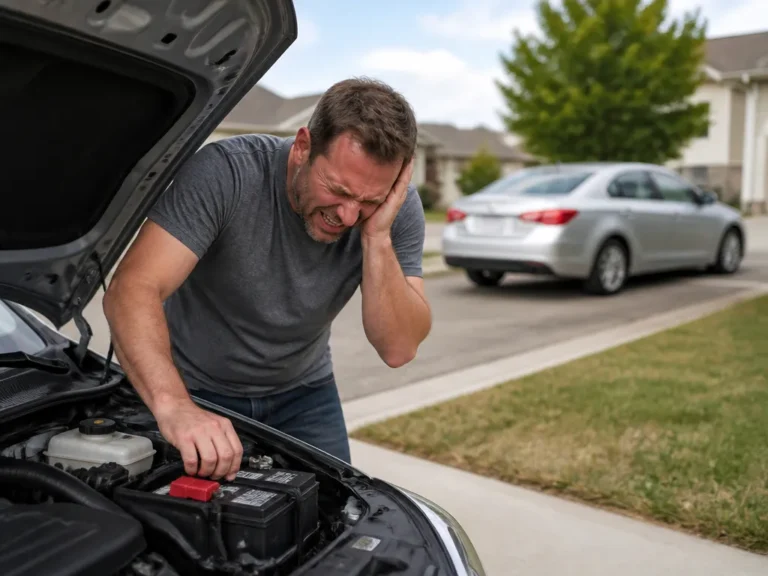
Yes, a door lock actuator can drain a battery, but usually only when it is stuck, failing, or receiving power when it should not. In most cars, the actuator draws current briefly to move the latch, then shuts off. Normal locking rarely drains a battery by itself.
An actuator, latch module, or wiring fault can keep the circuit partially energized after the car is locked. That constant or repeated draw can kill the battery over several days. If the battery repeatedly dies after you use the locks or park the car, the actuator and latch area deserve inspection.
Door Lock Actuator Battery-Drain Warning Signs
- Normal locking is brief. Most actuators use power for a short movement cycle, then stop.
- Wiring and modules matter. Faulty door wiring or a latch module can keep drawing power even when the actuator motor is fine.
- Symptoms point to the fault. Repeated clicking, slow lock/unlock response, or a dead battery after sitting can point to the door system.
- A meter can confirm the draw. Measure current with the car off, then isolate fuses or modules.
- Act quickly. Repairing or replacing a faulty latch or actuator prevents recurring dead-battery trouble.
Can a Door Lock Actuator Drain a Battery?
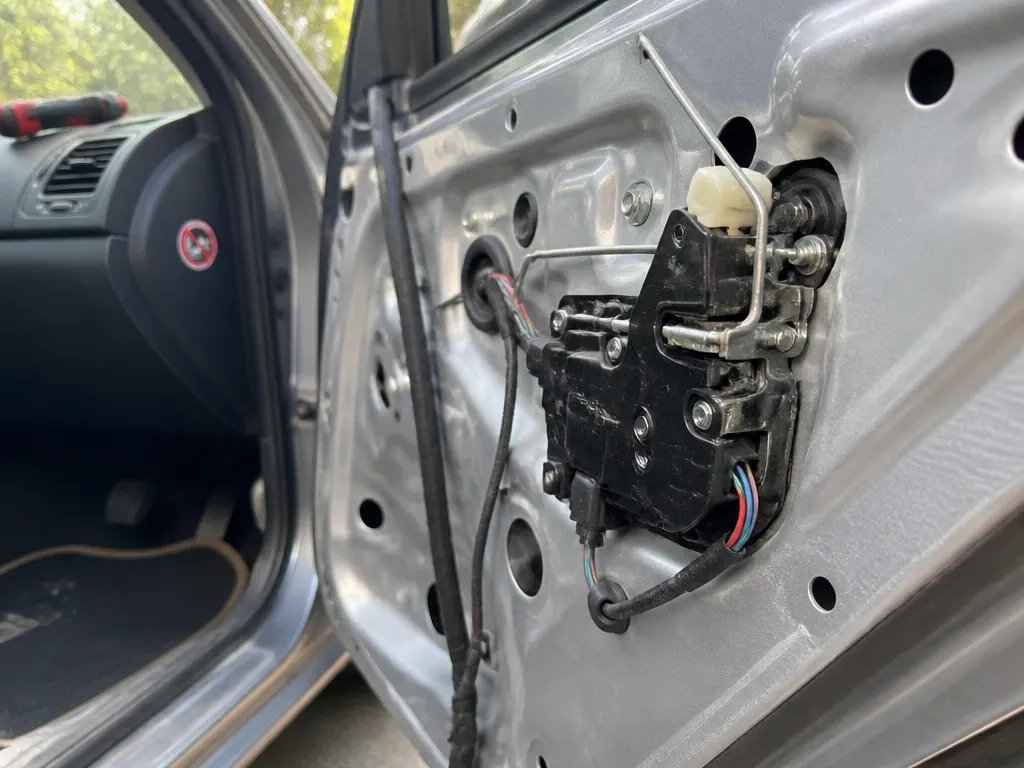
A door lock actuator can drain a battery if it keeps pulling current while the car should be asleep. Common causes include a mechanically stuck actuator or linkage, a control circuit that stays energized, or latch electronics that fail to shut down.
Battery-drain complaints can also come from interior lights, a glove box switch, a trunk problem, an aftermarket alarm, or another parasitic draw. If the timing matches lock use or one specific door, check the actuator and latch area early in the diagnosis.
What Causes an Actuator to Draw Power?
A door lock system includes more than a small motor. It also has the latch mechanism, position sensors or switches, wiring, and control electronics that decide when to activate the system and when to let it go idle.
Common causes of excess power use include:
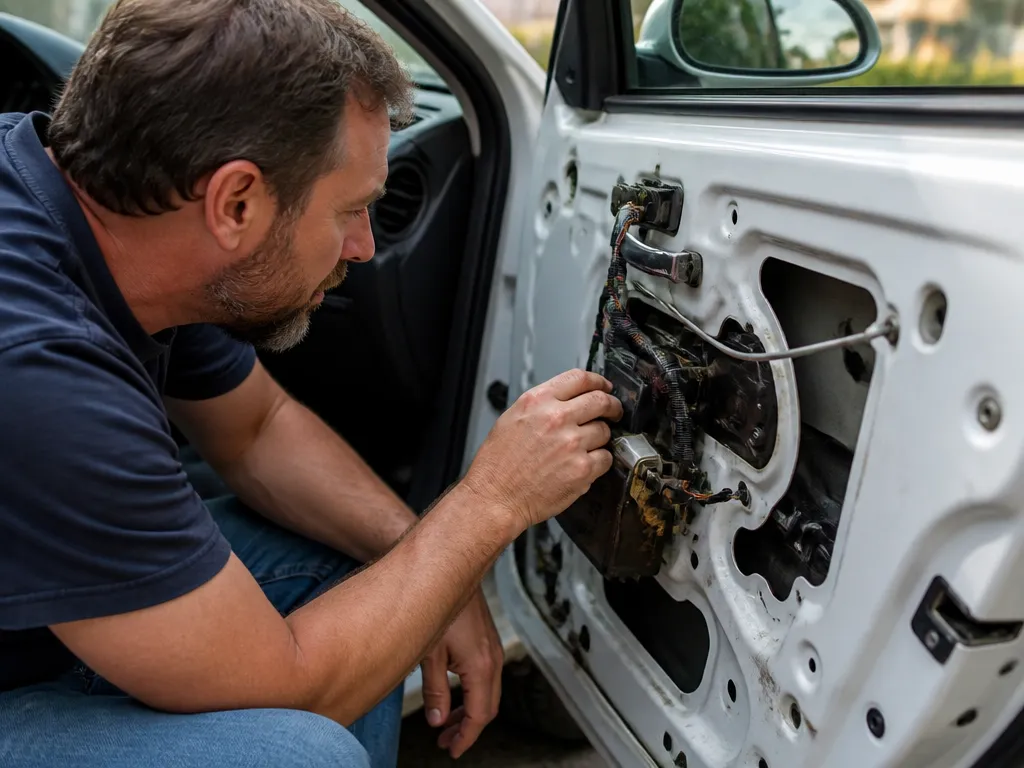
- A failing actuator motor that draws too much current or stalls while moving the latch.
- Latch position sensor problems that make the control module keep checking the latch or repeatedly command movement.
- Door module or wiring faults, including chafed wires, water intrusion, and loose connectors that create intermittent short-to-power or short-to-ground behavior.
- A control module that stays awake because it thinks a door is open, ajar, or not fully latched.
Repeated locking sounds or cycling after you lock the car indicate that the system may not be reaching a true finished state.
Do Actuators Stay Powered After Locking?
Some vehicles briefly wake related modules after locking to confirm the command, update settings, or verify sensor states. That short activity is normal and should not kill the battery. The concerning pattern is current that remains elevated for hours or days after the vehicle is shut off and its modules should be asleep.
The useful diagnostic question is whether a significant draw remains after the car should be asleep. If it does, the actuator, latch electronics, wiring, or another body-control circuit may be responsible.
Common Actuator Failures That Drain a Battery
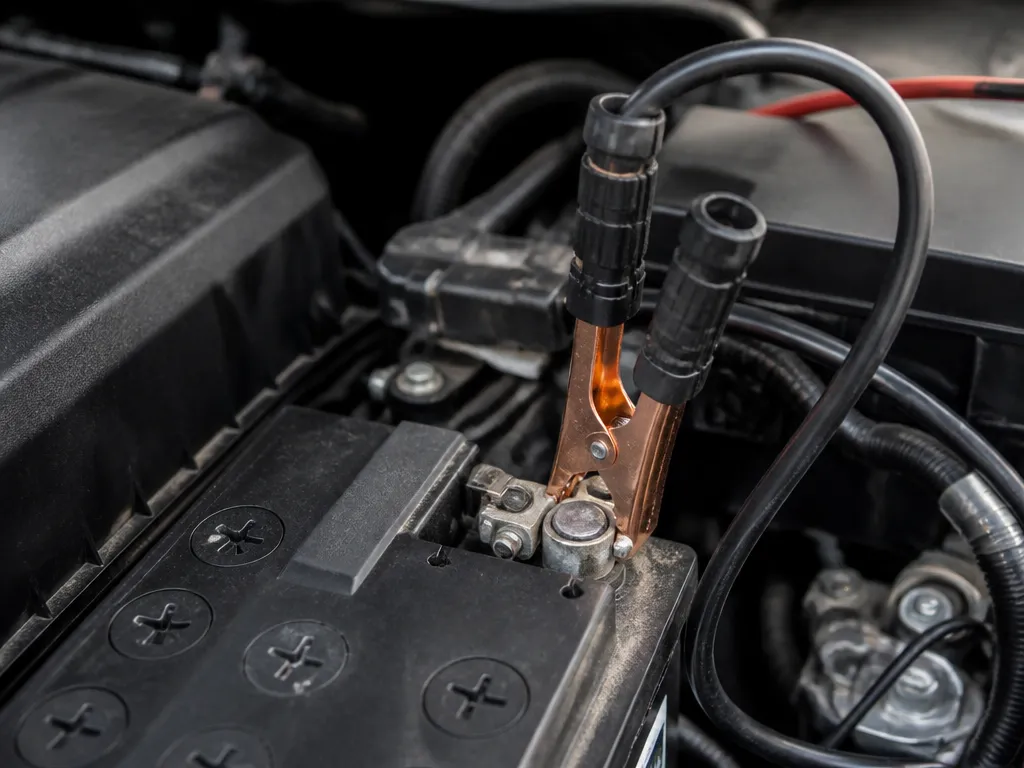
A dead battery after the car sits usually comes from a steady or repeated parasitic draw. With door lock actuators, the most common patterns are stuck movement, incorrect sensor signals, and water or contamination inside the door latch.
- Stuck latch or frozen linkage: This is more common in cold weather or when the mechanism lacks proper lubrication. The actuator struggles to move the latch and may keep drawing current.
- Actuator gear or motor failure: If the latch never reaches the commanded position, the module may keep retrying.
- Water intrusion in the latch: Corroded contacts can produce erratic sensor readings and keep the system awake longer than it should.
- Intermittent door-harness shorts: Damaged wiring can occasionally energize the lock circuit, creating a draw that seems unpredictable.
- Door control module failure: A fault in the door electronics can prevent the system from shutting down after the lock action.
If the problem affects one door, that door is a strong lead. If several doors are involved, suspect a shared module, common wiring, or a vehicle-wide parasitic draw source.
How to Test for a Lock Actuator Parasitic Draw
A digital multimeter (DMM) can help identify a parasitic draw, but the connection must be made correctly. An incorrect setup can blow a fuse or damage the meter.
Safe Testing Workflow
- Confirm that the battery is actually draining while parked. A new, fully charged battery that still dies after sitting makes a parasitic draw more likely.
- Measure resting current with the car off. Many vehicles should settle into a low-milliamps range after their modules go to sleep. A consistently high reading confirms a draw problem.
- Wait for the modules to sleep. Some systems remain awake briefly after shutdown. If the current drops later, that initial activity may be normal.
- Isolate the circuit with fuses, if you can do so safely. If the draw drops when you remove a particular fuse, you have narrowed the problem to that circuit. Door locks may use a body-control or door-circuit fuse, depending on the make and model.
- Narrow the fault to the door or latch. If the fuse points to the door system, inspect that door’s latch assembly, actuator, wiring, and connectors – especially when one door shows repeated symptoms.
What the Test Should Reveal
Look for:
- A draw that stays elevated for hours, rather than a brief spike immediately after shutdown.
- A draw that changes when you remove a fuse associated with the door locks or body modules.
- Related behavior such as intermittent locking and unlocking while the car is parked.
If you have not performed automotive parasitic-draw testing before, paying for an hour of diagnosis at a reputable shop may be worthwhile. The process is straightforward, but the wrong meter leads or connection method can produce a false reading or damage equipment.
Repair or Replace a Faulty Actuator?
Replacement is usually the practical fix when the actuator or latch assembly has an internal failure because these parts are often integrated. Repair makes sense when the problem is limited to a connector, damaged wiring, corrosion, or a stuck linkage.
Repair Makes Sense When:
- The fault is in the wiring or connector, such as corrosion, loose pins, or water damage at the connector.
- The latch is mechanically stuck but can be freed safely and continues working after cleaning and proper lubrication.
- A blown fuse or poor ground is found and corrected.
Replacement Makes Sense When:
- The actuator motor runs but the latch does not consistently reach the commanded position.
- The actuator keeps retrying or the locks cycle erratically.
- The latch electronics show internal water damage and the battery draw returns after external repairs.
My practical rule is simple: if you can reproduce the draw or repeated cycling and it points to one door’s latch assembly, replacing that latch or actuator assembly is usually faster and more reliable than attempting several partial fixes.
How to Prevent Another Actuator-Related Battery Drain
Preventing repeat failures means keeping the latch mechanism dry and stopping conditions that cause actuator retries or keep the door system awake.
- Keep door seals and drains clean. Water in the latch area increases the risk of corrosion and sensor glitches.
- Do not force a frozen latch. Gently warm the latch area and address the underlying problem instead of yanking on the handle.
- Respond to repeated lock cycling. Address it before the battery goes dead.
- Inspect the door wiring harness. The flex points near the hinges commonly develop rubbed insulation or intermittent connection problems.
- Check aftermarket security wiring. Alarm kits and other accessories tied into the lock circuits can cause dead batteries, so include their wiring in the diagnosis.
After replacing a latch or actuator, confirm that the vehicle correctly recognizes the door-ajar and lock states. A misadjusted latch or lingering sensor fault can cause the same repeated behavior and battery drain.
Bottom line
Diagnosis should distinguish an internal latch or actuator failure from external wiring, connector, ground, corrosion, or another vehicle-wide parasitic draw. Replace the latch or actuator when the internal unit has failed, and repair external faults when possible. Keeping latch areas dry, avoiding forced operation in freezing weather, and addressing lock cycling can help prevent another dead battery.
FAQ
Can a Door Lock Actuator Drain a Battery Even if the Locks Work?
Yes. An actuator can still consume excess power if it intermittently fails internally, draws too much current while completing a movement, or receives a “not fully latched” signal from the latch sensors. The lock may eventually work even while the actuator or control system continues consuming power.
A battery that dies after sitting, especially when associated with one door, warrants a parasitic-draw test.
How Long Does It Take for an Actuator Drain to Kill a Car Battery?
The timing depends on the current draw and whether the actuator repeatedly tries to move. A true parasitic draw often kills a battery over days, while a heavier draw can drop it within 1-2 days. Measurable current that remains hours after shutdown strongly indicates a problem.
Is It Safe to Test for Parasitic Draw Myself?
Yes, if you know how to connect the multimeter and follow safe testing procedures. An incorrect connection can blow a fuse or damage the meter. If you are unsure, stop and arrange a professional diagnosis.
A clear symptom pattern, such as one door causing repeated cycling, can also make the diagnosis safer and faster.
What Are the First Signs of a Failing Door Latch Actuator?
Common signs include repeated clicking after locking, locks cycling while the car is parked, inconsistent lock or unlock response, and a dead battery after the vehicle sits. You may also see a door-ajar warning or behavior that affects one door more than the others.
Can I Prevent Actuator-Related Battery Drain Without Replacing Parts?
You can lower the risk by keeping water out of the latch area, clearing debris from door seals, and addressing freezing or stuck-latch behavior promptly. If the actuator itself is failing, maintenance will not stop internal retry behavior. It can, however, prevent the water and corrosion problems that often trigger sensor faults and excess power use.

- Top 10 Best Helmet For Xtreme 125r 2026 - October 5, 2026
- Top 10 Best Helmet For Xpulse 200 2026 - October 5, 2026
- Top 10 Best Helmet For Xsr 155 2026 - October 5, 2026