Car Overheats Unless Heater Is On: 4 Key Fixes Explained

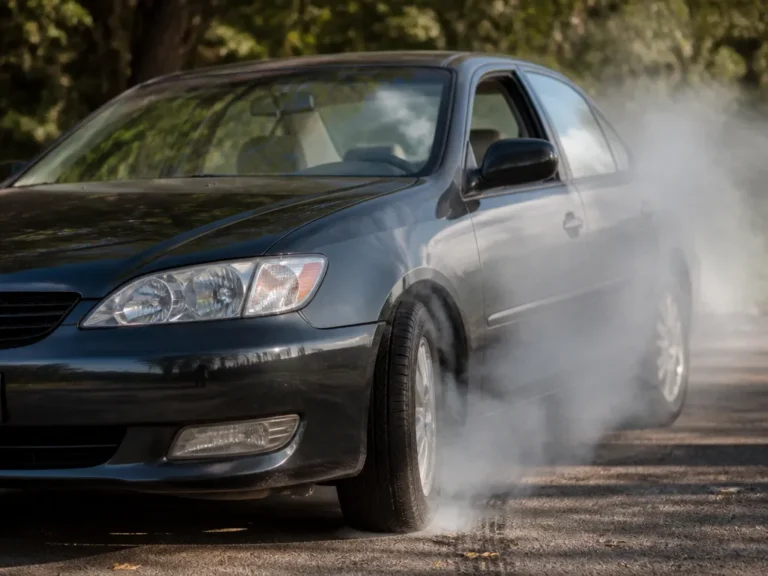
A car that overheats only when you turn the heater off has a cooling-system problem. The heater core acts like a small radiator inside the cabin, so turning the heat on removes some engine heat and can temporarily lower the temperature gauge. The most likely causes are restricted coolant flow, a thermostat problem, trapped air, low coolant, or a radiator fan that is not running.
Quick Clues to Check
- Coolant flow changes: Turning the heater on adds another path for heat to leave the engine.
- Thermostat sticks: A stuck-closed or failing thermostat can restrict coolant flow to the radiator.
- Air pockets block flow: Trapped air can keep coolant from reaching the engine, heater core, or radiator properly.
- Fans may not run: A failed fan motor, relay, fuse, sensor, or wiring problem can reduce airflow through the radiator.
- Low coolant causes similar symptoms: A leak can lower the coolant level and allow air back into the system.
- Test in order: Check coolant and leaks first, then hose temperatures, fan operation, the thermostat, and the bleeding procedure.
Why a Car Overheats When the Heater Is Off
The heater is buying you time by heating the cabin with warm coolant from the engine. That tells you the engine is producing heat and that at least part of the cooling circuit can transfer it.
Turning the heater on changes both coolant flow and heat exchange, which is why the overheating appears when you switch it off.
- If the engine runs hot with the heater off but the gauge steadies or drops with the heater on, coolant may not be circulating through the radiator reliably.
- If the heater becomes weak or stops producing hot air, the system may be low on coolant, full of air, or suffering from a water pump that is not moving fluid properly.
Do not start replacing parts at random. A few observations can usually narrow the problem to coolant level, circulation, airflow, or trapped air.
How the Heater Lowers Engine Temperature
The heater core is a small radiator inside the cabin. Hot engine coolant passes through it, and the blower fan moves air across its fins. If the vehicle’s main radiator is not rejecting enough heat, the heater core can still remove enough heat to slow the temperature rise.
You may notice stronger hot air from the vents when the temperature gauge begins to climb. With the heater off, the system loses that extra heat exchanger, so the engine temperature rises faster.
The heater does not repair the cooling system. It only moves heat somewhere else. If the temperature climbs quickly with the heater off, drive only long enough to reach a safe location or a repair shop. Repeated overheating can damage the head gasket and warp engine components.
Use the heater response as a clue:
- Heater on prevents overheating: The radiator’s cooling path or airflow may be compromised, or coolant circulation may be inconsistent.
- Heater on does not prevent overheating: The problem may be more severe, such as low coolant, a failed water pump, a major leak, or a serious thermostat failure.
What Heater-On Cooling Reveals About the Cooling System
Many vehicles route coolant through the heater circuit even when the thermostat is controlling flow to the radiator. As a result, a thermostat that does not open correctly may still allow the heater to produce hot air while limiting coolant flow through the radiator.
Watch for these clues:
- Inconsistent heater heat: Heat that switches between hot and lukewarm can point to trapped air, thermostat problems, or inconsistent coolant circulation.
- Coolant smell or visible steam: These signs suggest an external leak, boiling coolant, or pressure loss. Turning the heater on may only delay coolant loss.
- Fast temperature rise: A gauge that climbs quickly even with the heater on indicates an urgent overheating problem.
For a basic check, turn the heater to maximum, set the blower to high, and watch the temperature gauge. If the gauge continues climbing, stop driving as soon as it is safe.
The heater should guide your diagnosis, not become a permanent workaround.
Thermostat Failure Symptoms and Stuck-Closed Checks
A failing thermostat can allow the heater to produce hot air while restricting coolant flow through the radiator. If it is stuck closed, coolant may circulate within the engine but fail to reach the radiator effectively. The engine then overheats more quickly when the heater is turned off.
Thermostat-related symptoms include:
- The engine takes longer than normal to reach operating temperature, or the temperature rises unusually fast.
- One radiator hose remains noticeably cooler than expected while the heater produces hot air.
- The temperature gauge rises and falls unpredictably.
- The heater works normally for a while, even though the engine overheats.
Let the engine cool before touching any hoses. Hot coolant and engine components can cause serious burns. Once the engine reaches operating temperature, the upper radiator hose should generally become hot as the thermostat opens and coolant begins flowing through the radiator.
If the upper hose stays noticeably cool while the heater is hot, limited radiator flow is possible. That check is not conclusive by itself because hose temperatures vary by vehicle, and a faulty temperature sensor can also mislead the gauge.
An OBD-II scanner can provide additional temperature data. A thermostat that fails to regulate may cause the engine to overshoot or fail to reach its expected operating range consistently. Physical checks still matter because the sensor, wiring, or gauge can be faulty.
Pair thermostat suspicion with radiator hose behavior and heater response before replacing the part. When all three point in the same direction, the thermostat moves high on the list.
Radiator Fan Operation and Relay Checks
A radiator still needs airflow after coolant reaches it. If the radiator fan does not run when required, the vehicle may overheat rapidly at idle or in slow traffic. Turning the heater on can slow the temperature rise by transferring additional heat into the cabin.
Possible fan-related failures include:
- Failed fan motor
- Blown fuse or bad fan relay
- Faulty fan control module or wiring
- Engine coolant temperature sensor problem that prevents the fan from receiving an ON command
When the vehicle begins to overheat, observe whether the radiator fan runs. Check the fuses and relays first if the fan stays off.
You can swap relays only when the fuse box uses the same part number for multiple identical functions. Otherwise, replacing or testing the relay is safer than guessing. If you have the equipment and wiring diagram, use a multimeter to check power and ground, then test the fan motor independently.
A fan that works only under some conditions suggests a control, relay, sensor, or wiring problem rather than a circulation problem alone. Heater-on cooling points toward a fan problem especially when the car overheats at idle or in traffic but runs cooler at speed.
If the fan never runs during a confirmed overheating event, avoid driving the vehicle. Without airflow, the radiator may not be able to control temperature once road speed drops.
Air Pockets, Bleeding, and Burping the Cooling System
Air trapped in the cooling system can cause inconsistent overheating. The heater may still receive coolant while an air pocket disrupts flow through the radiator or prevents the thermostat from operating correctly.
Common causes include:
- Recent coolant service without proper bleeding
- A leak that lowered the coolant level and allowed air into the system
- Boiling during a previous overheating event
- Filling the system without following the vehicle’s required procedure
Signs of trapped air include:
- Glugging or bubbling sounds from the engine bay
- Heater output that changes suddenly as the engine warms
- A temperature gauge that swings instead of regulating steadily
- Coolant that repeatedly drops after the system appears full
Bleeding procedures vary. Some vehicles require a particular radiator-cap sequence, a specific front-end position, or vacuum filling. The safe general approach is:
- Verify that you are using the correct coolant and mixture for the vehicle.
- Work only with a completely cool engine. A hot cooling system can spray pressurized coolant.
- Follow the vehicle’s specific bleeding procedure whenever possible. A generic process may leave air trapped in the system.
Bleeding is not a substitute for repairing a leak. If coolant is escaping, the system can pull in more air and recreate the same overheating symptom.
What to Fix First
Use this order:
- Verify coolant level and look for leaks. Low coolant can create air pockets and cause overheating even when the fan and thermostat work correctly.
- Check radiator hose temperatures at operating temperature. Compare the upper and lower hoses to evaluate thermostat operation and coolant flow.
- Confirm radiator fan operation. Watch for fan engagement as the engine warms, then check the fuses and relays.
- Bleed the system if air is suspected. Do this only after checking for an active leak.
A practical driveway diagnosis might look like this:
- The car overheats only with the heater off.
- Turning the heater on stabilizes the gauge.
- The radiator fan is not running, or it runs late.
- The upper radiator hose remains cool.
- You prioritize the thermostat, inspect the hoses for routing or damage, and confirm fan operation.
- If hose temperatures look normal but the problem continues, you bleed the system carefully and watch for returning air or coolant loss.
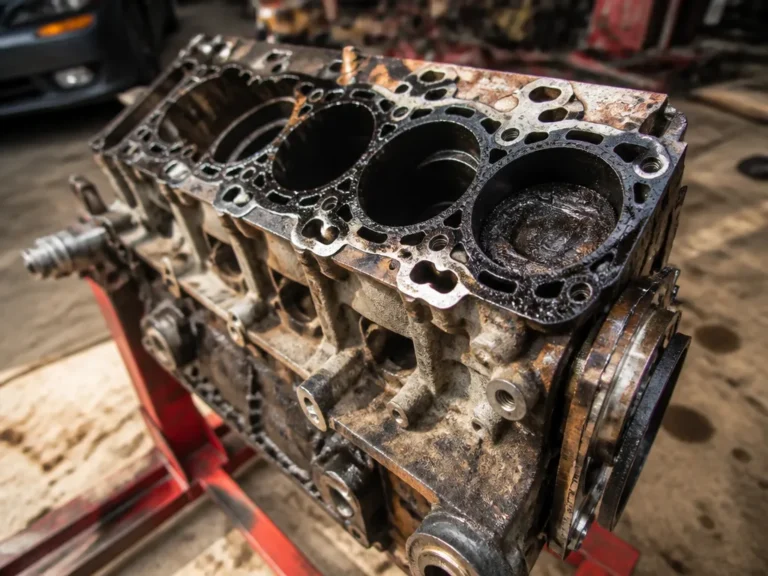
Stop driving if coolant sprays, heavy steam appears, or the temperature gauge keeps climbing past normal. Let the engine cool before inspecting it. Head-gasket damage can occur quickly once the engine exceeds safe temperatures, especially if the overheating happens repeatedly.
FAQ
Why does my car overheat unless the heater is on?
Turning the heater on adds the heater core as an extra heat exchanger, so it can slow or prevent a temperature rise when the radiator is not rejecting heat properly. Common causes include a stuck-closed thermostat, a radiator fan that does not run, trapped air, or low coolant. If the temperature rises with the heater on too, stop driving and address the cooling problem immediately.
Can I drive to a shop if the heater prevents overheating?
Treat the heater as temporary symptom management, not a repair. Drive only to the nearest safe location or shop, keep the heater at maximum, and avoid unnecessary idling. If the gauge continues climbing or you see steam or coolant loss, stop driving immediately. Overheating can damage gaskets and warp engine components.
How long does it take to bleed a cooling system?
A careful bleeding procedure usually takes about 30 to 90 minutes, depending on the vehicle and the amount of trapped air. Some cars require a specific sequence and may need more than one attempt if air keeps moving through the system. If bleeding does not restore stable temperature regulation, the vehicle likely has a leak or circulation problem that bleeding alone cannot fix.
What is the most common part failure with this symptom?
A thermostat that is stuck closed or fails to open properly is a common cause because it can limit coolant flow to the radiator while hot coolant still reaches the heater core. Radiator fan failures are also common, especially when overheating occurs at idle or in slow traffic. If both hose temperatures and fan operation look normal, trapped air or a low-coolant leak becomes more likely.
What is the most common diagnostic mistake?
Many drivers keep using the heater and assume the car is fine because the temperature gauge stabilizes. That delays repairs to problems such as a radiator fan that does not run or a thermostat that does not route coolant to the radiator correctly. Bleeding the system without repairing an underlying leak is another common mistake because the leak can introduce air again and recreate the overheating.

- Top 10 Best Helmet For Xsr 155 2026 - October 5, 2026
- Top 10 Best Helmet For Xc Mtb 2026 - October 5, 2026
- Top 10 Best Helmet For Wakeboarding 2026 - October 5, 2026