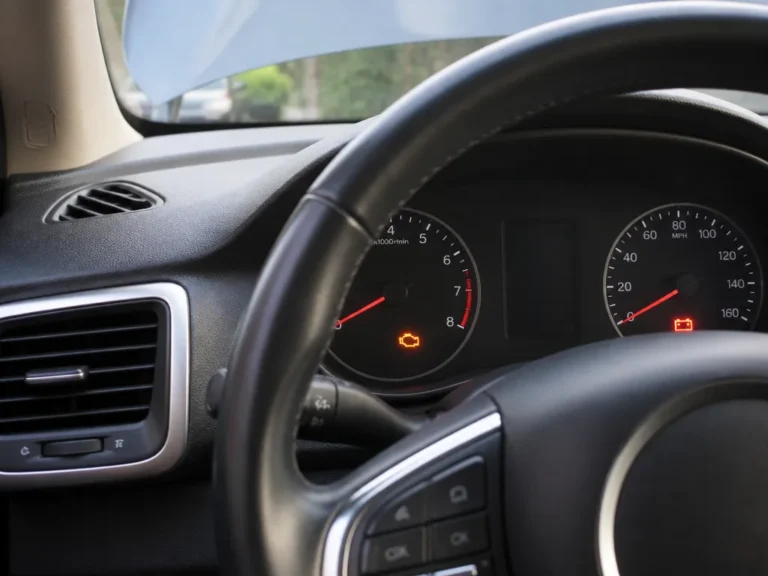
3 Ways To Fix Carb Spitting Fuel Into Air Filter

Carburetor spit-back – fuel appearing in the air filter – usually means the engine is flooding or the intake airflow and mixture signals are out of balance. Common causes include a faulty float or needle valve, a stuck choke, clogged jets, vacuum leaks, or cold-start mistakes. You can usually narrow down the cause in 15 to 30 minutes with a few basic checks.
Diagnose it in this order: fuel supply control first, then clogged jets, choke and cold-start operation, and finally vacuum leaks and intake-manifold sealing.
Key Takeaways
- Expect a fuel smell. A wet air filter and raw gasoline odor point to flooding.
- Check the float first. An incorrect float level can hold the needle valve open and overfill the bowl.
- Inspect the jets. Partial blockages can upset the mixture during idle, acceleration, or throttle transitions.
- Verify the choke. A stuck or misadjusted choke keeps the mixture too rich after startup.
- Look for vacuum leaks. Cracked hoses and bad manifold seals disrupt intake pressure and airflow.
- Check for fuel dilution. Gasoline on the air filter or a fuel smell in the engine oil indicates serious overfueling.
Why a Carburetor Spits Fuel Into the Air Filter
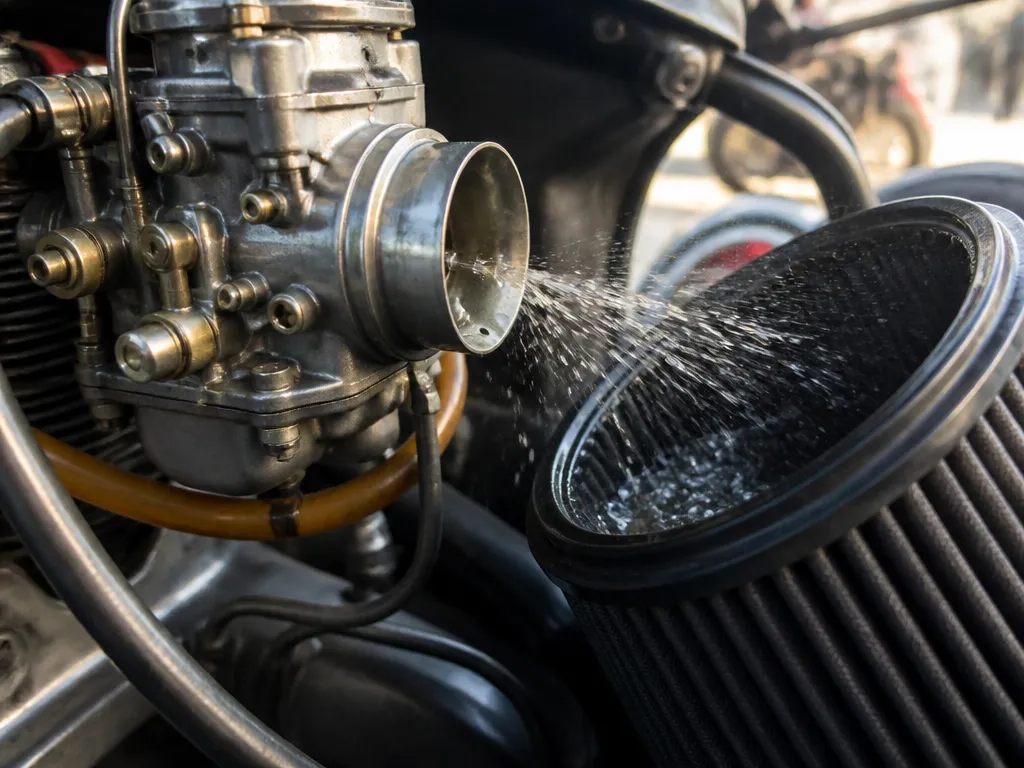
Fuel in the air filter is usually a symptom rather than the original fault. The carburetor may be delivering too much fuel, delivering it at the wrong time, or failing to atomize it because the airflow and mixture circuits are not working correctly.
Typical symptoms include a wet or dripping air filter, raw gasoline odor around the carburetor and intake, hard starting, stumbling, backfiring, black soot, rough idle, and fuel pooled inside the airbox. The engine may start briefly and then load up, hesitate, or pop back through the carburetor.
Match the symptom to the operating condition
The timing of the spit-back can narrow the diagnosis:
- Immediately after a cold start: Check the choke and possible flooding.
- When blipping the throttle or accelerating: Check the accelerator or transition circuit, jetting, and mixture response.
- Only at idle: Check the idle circuit, mixture adjustment, and vacuum leaks.
- After the engine sits: Suspect a needle valve that is not sealing or a stuck float.
- During repeated starting attempts: Assume the engine may already be flooded.
A flooded intake can eventually dilute the engine oil. Once the oil smells like gasoline, cleaning the filter alone is not enough.
Float Level and Needle Valve Checks
A float or needle-valve problem is the most common mechanical cause of fuel entering the intake. If the float level is too high, or the needle valve fails to shut off fuel, the bowl overfills. Excess fuel then moves through the carburetor, atomizes poorly, and reaches the intake and air filter.
Start by checking whether fuel continues entering the carburetor after the engine is off. Fuel that reaches the air filter after the machine sits points strongly to a leaking needle valve, a stuck float, debris on the needle seat, or an incorrect float setting.
Inspect the needle valve and float
With the engine off and cool, look for fuel around the carburetor inlet and float-bowl area. If the fuel line is clear, watch whether fuel continues flowing when it should have stopped.
Check the float level against the specification for your exact carburetor. Float height is not universal, so a setting that works on one model can cause flooding on another. Use the service manual or carburetor specification, measure float height or drop using the required method, and confirm that the needle moves freely and seats smoothly.
A worn needle may leak just enough to cause persistent flooding without producing an obvious overflow. Inspect the needle tip, seat, inlet filter screen if equipped, and the float hinge. A small piece of contamination can keep the needle from sealing.
Bowl inspection without special tools
If you can safely access the float bowl, remove it and inspect the fuel level and mechanism. Look for excessive fuel volume and make sure the float moves freely through its full range without rubbing or sticking.
A clean-looking float does not rule out a problem. Check the needle seating surface and the bowl gasket as well. If fuel continues to flow after cleaning, the needle may be worn or the float may be fuel-logged and no longer buoyant.
Clogged Jets and Fuel Passages
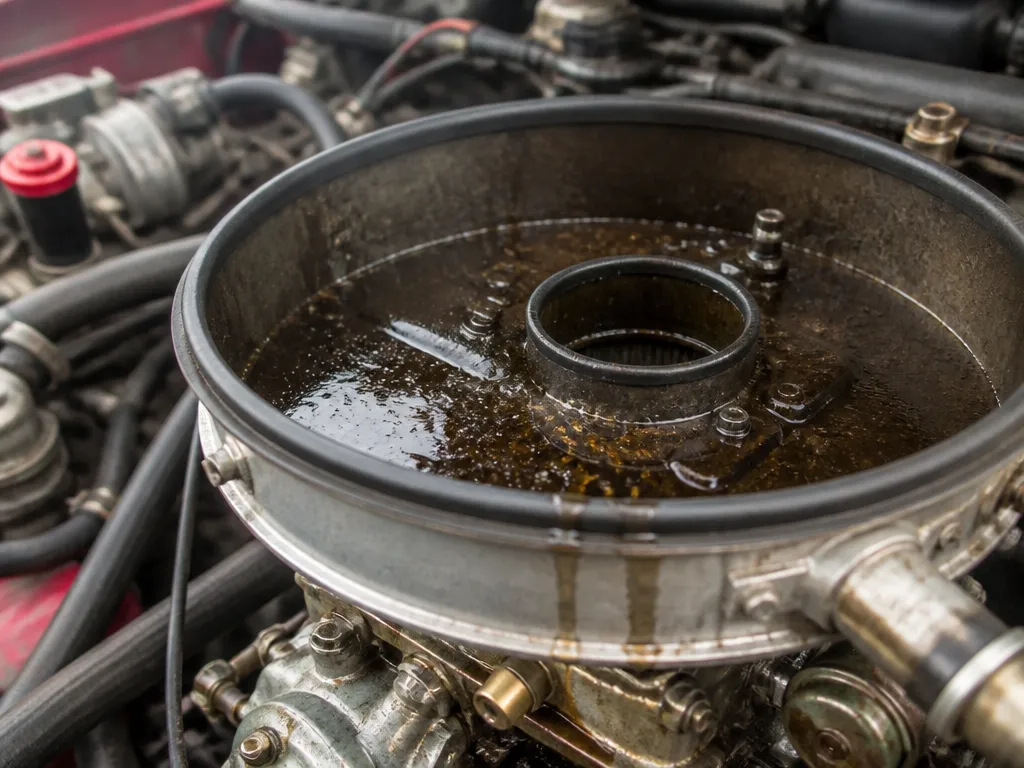
Clogged jets can cause spit-back because the carburetor no longer meters fuel correctly during idle, acceleration, and throttle transitions. A partial blockage may make one circuit too lean while the engine pulls fuel through another circuit, producing an unstable mixture that can turn rich under certain conditions.
Old fuel, tank contamination, and long storage make this more likely. You may not see an obvious blockage. A small restriction in a pilot passage or emulsion tube can be enough to create hesitation, backfiring, and fuel buildup.
Signs the jets are involved
Suspect the transition and main circuits if spit-back gets worse when the engine warms up or when you crack the throttle. Suspect the idle circuit if the idle is erratic and improves only when you adjust the mixture screw or use the choke.
A carburetor that meters fuel poorly can deliver extra fuel during an intake-pulse event. That unburned fuel may then show up in the air filter or airbox.
Clean each relevant passage
Clean the circuits used by your carburetor, including:
- Idle or pilot jet(s)
- Pilot passages
- Main jet
- Emulsion tube
- Mixture-screw passages
- Any accelerator-pump or transition passages
Use the correct carburetor cleaner and compressed air. Confirm that cleaner and air pass through each tiny opening rather than assuming a quick spray has cleared it.
Avoid enlarging jets with wire or drill bits. Changing the opening changes fuel delivery and can create a new mixture problem. If a passage still seems restricted, remove the jet or emulsion tube and clean it again instead of compensating with the mixture screw.
Choke Position and Cold-Start Flooding
A choke enriches the mixture by restricting airflow. If it stays closed too long, the carburetor continues delivering a rich mixture after the engine has warmed, and fuel can overwhelm the intake.
Check the choke first when spit-back occurs during startup or shortly after the engine starts. Common faults include a misadjusted cable, a linkage that binds, a weak automatic-choke spring, or a choke plate that does not return fully open.
What correct choke operation looks like
A manual choke typically starts fully closed on a cold engine and opens gradually as the engine warms. It should be fully open once the engine no longer needs enrichment. An automatic choke should open through its heat-spring or thermostat action.
If you forget to open a manual choke, the engine can flood quickly. A stuck choke plate creates the same problem even when the control lever appears to be in the correct position.
The choke also changes the carburetor’s vacuum signal. When the plate position and engine operating condition do not match, the mixture can become excessively rich and fuel can move back through the carburetor.
Clear a flooded engine carefully
Repeatedly cranking a flooded engine with the choke on adds more fuel and makes recovery harder. Turn the choke fully off during the clearing process when the engine design allows it, and follow the starting procedure for that machine.
The goal is to restore normal metering: correct choke position, correct float control, and a deliberate restart routine. Repeatedly switching the choke on and cranking again usually prolongs the problem.
Vacuum Leaks and Intake-Manifold Seals
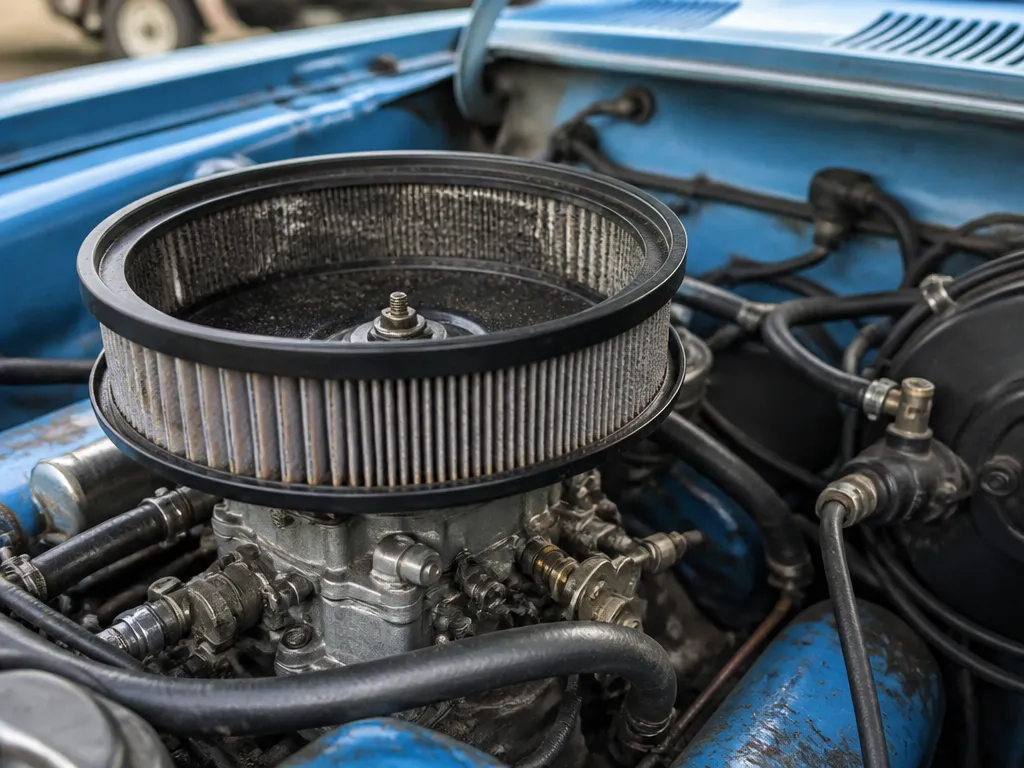
Vacuum leaks disrupt the pressure and airflow signals the carburetor uses to meter fuel. A leak can make the mixture lean at the carburetor while still causing spit-back through poor combustion, intake pulses, resonance, and backfire.
Inspect the intake manifold gasket, carburetor mounting gasket, rubber intake boot, and every vacuum hose. Look for cracks, loose clamps, hardened rubber, and dry rot, especially near the carburetor and manifold.
If the engine uses a vacuum-operated fuel pump or emissions equipment, inspect those lines too. They are part of the pressure-control system, not merely accessories.
Find leaks with a controlled test
Use a method appropriate for your engine. Many mechanics apply carburetor cleaner or propane around suspected joints while the engine idles and listen for a change in RPM. A response at a gasket or hose identifies an area that needs repair.
Use caution around fuel and hot engine parts, and avoid spraying flammable products near ignition sources. Repair the leaking gasket, hose, boot, or clamp, then repeat the test.
A vacuum leak can cause intermittent symptoms, so retest under the same conditions that originally produced the spit-back.
Air Filter, Airbox, and Fuel-Diluted Oil
Fuel in the air filter raises a fire risk, but gasoline in the engine oil is more serious because it reduces lubrication and can damage bearings. Severe overfueling allows fuel to pass the piston rings and collect in the crankcase.
Smell the air filter for raw gasoline and check whether it is wet from actual fuel flow rather than light misting. Then inspect the engine oil for fuel odor and changes in its condition.
Check the oil for gasoline
Pull the dipstick and smell the oil. A strong gasoline odor is a serious warning. Also look for oil that seems unusually thin, foamy, or darker than expected after relatively normal run time.
Oil on the air filter can indicate a crankcase-ventilation problem or an oil-fouled intake path. It does not automatically mean fuel dilution. Gasoline odor in the oil is the more important clue and usually means the carburetor is running excessively rich or flooding badly enough for fuel to reach the combustion chamber and sump.
If the oil smells like fuel, stop running the engine until the flooding problem is repaired. Change the oil after the fault is corrected so diluted lubricant does not remain in the engine.
Inspect the entire airbox system
Some airbox designs allow fuel from the carburetor to collect in the intake tract. Check whether the filter element is soaked, whether fuel is pooled in the airbox, and whether the intake tubing and drain passages are positioned and flowing correctly.
After the repair, verify both conditions:
- The filter stays dry during normal operation.
- The engine oil remains free of gasoline odor.
CARB Rules for Emissions and Fuel-System Repairs
In the United States, emissions and fuel-system rules are generally enforced at the state level. California is the state most people encounter when buying or operating emissions-controlled vehicles and equipment there. The California Air Resources Board, or CARB, works to reduce air pollution from mobile and stationary sources through emissions standards, compliance programs, and inspection and maintenance requirements.
For equipment subject to emissions controls, fuel-system integrity matters because leaks, malfunctions, and incorrect running conditions can increase emissions.
What this means for a home mechanic
Do not defeat emissions equipment, install unauthorized fuel-system bypasses, or tamper with carburetor settings to avoid the intended mixture controls. If the machine has emissions equipment, repair it so it operates as designed rather than making it run temporarily by disabling vacuum components or leaving the choke in the wrong position.
Follow the carburetor specifications for the exact model and keep intake seals, fuel lines, and vacuum hoses in good condition. CARB is a California government agency, so requirements and enforcement can differ in other states. The basic concern remains the same: tampering with emissions equipment or fuel systems can create legal, safety, and operating problems.
FAQ
Can a carburetor spill fuel into the air filter and still run?
Yes. An engine can run briefly while flooding, but it will usually have a rough idle, hesitation, hard starting, or backfiring. The air filter may smell like gasoline or appear wet.
If the oil smells like fuel or the filter keeps getting soaked after adjustment, stop running the engine and diagnose the underlying flooding problem.
How long does diagnosis take?
A realistic first-pass diagnosis takes about 30 minutes. Start with visible clues such as a wet filter, fuel odor, and idle behavior. Then use the operating symptoms and service information to choose the next inspection.
If you need to remove the bowl and clean multiple passages, allow another 30 to 60 minutes.
Is fuel spit-back dangerous?
It can be. Fuel in the intake increases the fire risk around the engine, and severe flooding can dilute the engine oil. Fuel dilution reduces lubrication and can damage internal engine components.
If you smell gasoline in the oil or see persistent fuel pooling in the airbox, repair the problem before running the engine longer.
What mistake causes this problem most often?
Many people adjust the mixture screw or choke by feel while the float level or needle valve is still faulty. The adjustment may change the symptom temporarily, but the problem returns because the carburetor is still controlling fuel incorrectly.
Once the underlying fault is corrected, fine-tune the mixture only according to the engine or carburetor specifications.
Is there an alternative to rebuilding the carburetor?
Yes. You can replace the carburetor or have it professionally rebuilt, especially when parts for the original model are difficult to source. You can also install a known-good carburetor with the correct settings for the engine and use it to narrow down the fault.
Cleaning and adjustment can solve the problem when clogged jets or passages are the only issue. The float, needle valve, and choke must still operate correctly.

- 10 Best Jack For Ford Ranger Review (October 2026) - October 12, 2026
- 10 Best Jack For F350 Review (October 2026) - October 12, 2026
- 10 Best Jack For F250 Review (October 2026) - October 12, 2026