Fix Car Idles Rough With Ac On In 8 Simple Steps

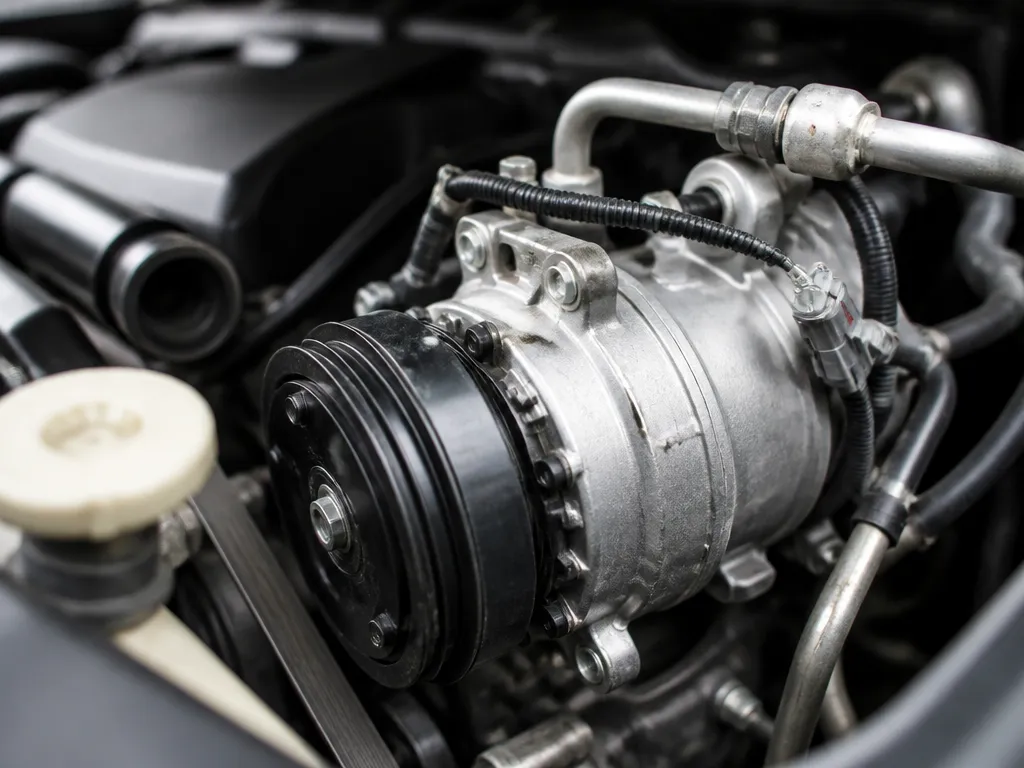
Rough idling that appears only when the AC is on usually means the engine is struggling with the compressor load. The AC compressor engages through the serpentine belt, often through an AC clutch, and the engine must add idle speed and fuel to stay steady. If the idle-control system cannot respond quickly, the RPM drops, surges, or nearly stalls.
The most common causes are carbon buildup in the throttle body or idle air control (IAC) system and unmetered air from a vacuum leak. Weak spark, poor fuel delivery, a failing compressor, or a cooling fan problem can make the same symptom worse.
Key Takeaways
- AC adds engine load. When the compressor engages, the PCM raises idle airflow, and a weak engine may stumble.
- Vacuum leaks get amplified. Air entering after the MAF sensor can lean out the mixture when AC demand increases.
- IAC or throttle buildup disrupts idle control. Carbon or a sticking IAC pintle can prevent smooth RPM correction.
- Spark and fuel problems surface under load. Misfires and marginal fuel delivery may appear only when the AC changes engine demand.
- Fans and cooling affect the system. A stuck cooling or condenser fan can overheat components and alter engine control behavior.
- The timing provides a clue. Compare the engine with AC on and off, then verify the cause with scan data.
Why a Car Idles Rougher When the AC Is On

The AC compressor suddenly loads the engine, and the PCM compensates by increasing airflow and, when needed, fuel. On many cars, the AC clutch engages and the compressor starts pulling power through the serpentine belt. That torque demand creates a load change at idle, so any weakness in idle airflow control, intake sealing, or combustion stability becomes easier to feel.
A vacuum leak, cracked hose, or split intake boot can let air bypass what the PCM expects. When the PCM changes idle airflow for the AC, the air/fuel ratio may swing before the computer can correct it. The result is RPM instability and rough running, especially in gear or at a stop.
The AC system itself can also create extra load. A weak compressor, failing condenser fan, or low-refrigerant condition can make the compressor work harder. That may push the engine farther from a stable idle and expose marginal spark plugs, ignition coils, or fuel injectors.
AC-On Rough Idle Symptoms and What They Mean
Rough idle usually begins when the AC request changes and the compressor engages. Common signs include:
- RPM hunting up and down
- Vibration through the steering wheel
- A near-stall feeling at stoplights
- A brief stumble when the AC clutch engages
- A shake that becomes worse in Drive
- A check engine light or stored misfire code
A mild surge that disappears quickly often points to carbon buildup or a small vacuum leak. A misfire-like shake, flashing check engine light, or repeated stalling deserves faster attention because the engine may be losing combustion stability under load.
Note exactly when the problem occurs. Does it begin immediately after pressing the AC button, or does it appear after several minutes? Does the idle smooth out as soon as you turn the AC off? Also watch for high engine temperature, unusual fan noise, or AC-related warnings. Those clues can separate an idle-control problem from a cooling, electrical, or compressor problem.
Engine Parts That Can Cause Rough AC-On Idle
Start with the parts that directly control idle airflow. A dirty throttle body can restrict or disrupt the bypass airflow that the PCM uses to maintain RPM. A sticking or carbon-caked IAC valve can also respond too slowly when the compressor load arrives.
Next, inspect the parts that measure and seal incoming air. The mass airflow sensor (MAF) and intake plumbing work together to calculate fuel requirements. If an intake hose leaks, the MAF reading no longer matches the air actually entering the engine. The PCM may correct the mixture for a while, but the mismatch can produce surging and roughness when the AC adds demand.
Ignition and fuel components can create the same symptom. Weak spark plugs, failing ignition coils, or a worn ignition system may cause misfires that are barely noticeable with the AC off but become obvious under load. Low fuel pressure, a clogged fuel filter, or a failing fuel pump can also appear when the engine needs more fuel to stabilize RPM.
The accessory drive and cooling system deserve attention as well. A bad condenser fan, failing engine cooling fan relay, or restricted cooling system can create temperature and electrical conditions that affect engine control. If rough idle comes with overheating or abnormal fan behavior, do not treat it as a throttle-only problem.
IAC, Throttle-Body Carbon, and Vacuum Leaks
The idle air control system often causes AC-load roughness because the PCM must command more airflow as soon as the compressor engages. If the IAC valve is dirty or sticking, the airflow adjustment may be delayed or too small. That creates the familiar pattern of AC on, RPM drop, and shaking.
Throttle-body carbon can cause the same problem on vehicles without a traditional IAC valve. Deposits around the throttle plate and bypass passages make airflow less predictable. The PCM still attempts to correct the idle, but the engine may hunt, surge, or stumble after AC engagement.
Vacuum leaks are another frequent cause. Any air entering after the point where the PCM expects air to be metered can destabilize the mixture. Common leak points include:
- Cracked vacuum hoses
- Disconnected vacuum lines
- Loose intake clamps
- Split intake boots
- Intake manifold gaskets
- Brake booster vacuum lines
How to Fix Rough Idle With the AC On

Work from the common, inexpensive causes toward deeper testing. This sequence helps separate idle-air problems from intake leaks, ignition faults, and fuel-delivery issues.
- Check for codes first. Use an OBD-II scanner and note misfire codes, lean or rich codes, and EVAP or MAF codes.
- Compare AC-on and AC-off behavior. Note whether the roughness starts instantly and whether it changes in Drive or Neutral.
- Inspect visible vacuum lines. Look for cracked hoses, loose clamps, disconnected ports, and damaged intake boots around the throttle body and intake.
- Inspect the intake ducting and air filter. Confirm the air filter is not clogged, and check the tubing for tears or loose connections after the air filter box.
- Test for unmetered air. With the engine idling, listen for hissing around vacuum lines and intake joints and watch for changes in roughness.
- Clean the throttle body and IAC passages if applicable. Remove carbon from the throttle plate bore and bypass passages, following the vehicle manufacturer’s cleaning guidance.
- Check fan operation and condenser cooling. Confirm that the cooling and condenser fans operate appropriately when the AC is on.
- Check spark and fuel delivery. If misfire codes appear or the shaking feels like a misfire, inspect the spark plugs and coils and consider a fuel pressure test.
A cracked vacuum line to a small manifold port can cause the entire symptom. If repairing that line improves the idle, the leak was likely the root cause. On older vehicles, cleaning the throttle body and confirming that the intake has no leaks can correct AC-on surging caused by carbon buildup and sticky idle control.
Use live data when available. Watch short-term fuel trim and long-term fuel trim while switching the AC on and off. Large fuel-trim swings toward correcting a lean condition under AC load can point to a vacuum leak or an intake air measurement problem.
How to Separate AC Load From a Misfire or Fuel Problem
AC-load problems and misfires can feel similar, but their patterns differ. AC-load roughness usually begins when the compressor engages and may settle once the PCM adjusts. A misfire or fuel problem often produces intermittent shaking, rising misfire counts, or roughness that persists instead of settling.
Check the scan data first. Misfire codes such as P0301-P0306, depending on cylinder count, and rising live misfire counters point more strongly toward ignition or fuel delivery than a pure idle-air problem. Fuel trims that climb steadily or show short-term corrections pegged in one direction can indicate air leaks, MAF errors, or fuel-system faults.
Then perform a simple behavior check with the engine warm:
- Turn the AC off and watch whether the RPM becomes smooth quickly.
- Turn the AC on and note whether the vibration returns immediately.
- Pay attention to whether the shake occurs even when RPM remains steady.
- Check whether the problem improves after the first minute or continues to worsen.
A sticky IAC or throttle-control problem often causes an early stumble when the AC engages and may improve as the PCM stabilizes. A failing ignition component or weak fuel system can continue misfiring under the added load.
Electrical problems can blur the diagnosis. A weak battery or unstable charging system may allow AC engagement to pull voltage low enough to cause control instability or an occasional misfire. Check battery voltage and alternator charging during AC-on idle if the electrical system seems questionable.
The repair should produce a verifiable change. If cleaning the throttle or IAC passages and repairing vacuum leaks changes fuel-trim behavior and stops the surging, the problem was in airflow control. If misfire counts rise under AC load and remain high, focus on ignition or fuel delivery.
Honda and Other Vehicles With Rough AC-On Idle
Honda engines and many other common vehicles can develop throttle-body carbon and idle-control problems as they age. A typical pattern is a smooth idle with the AC off followed by surging or shaking when the AC turns on, especially when the engine is hot and the car is stopped. Throttle bypass airflow, vacuum leaks, and dirty passages are sensible first checks.
Some Hondas use a throttle body and idle air path that must respond precisely when the PCM increases airflow for the compressor load. A dirty throttle bore or sticking idle air passage can keep the engine from reaching the commanded idle speed. Vacuum leaks around the intake ducting or manifold make the problem worse by forcing the PCM to correct an unstable air/fuel mixture.
Toyota, Nissan, Ford, Chevrolet, and many European models can show the same symptom because the underlying load change is similar. The common problem areas remain:
- Throttle or IAC airflow control
- Vacuum and intake leaks
- Ignition faults
- Fuel-delivery problems
- Condenser and engine cooling fans
- Charging-system voltage
The exact parts and test procedures vary by vehicle. Some cars use a traditional IAC valve, while others use electronic throttle control without a separate IAC component. Fan-control logic also differs, so condenser fan operation matters on some models more than others.
FAQ
Why does my car idle rough only when I turn the AC on?
The AC compressor adds sudden engine load, so the PCM must increase idle airflow and maintain a stable air/fuel ratio. Carbon buildup in the throttle or IAC system can slow that response. A vacuum leak can also add unmetered air and destabilize the mixture exactly when the compressor engages.
Can low refrigerant cause rough idle when the AC is on?
Yes. Low refrigerant can make the compressor work harder and change how the AC system behaves under load. That extra demand may expose an idle-control problem or make a marginal spark or fuel issue more noticeable. Check AC-system operation alongside engine codes rather than assuming the compressor needs replacement.
How long does it take to diagnose rough idle with AC on?
With basic tools, you can often narrow down the cause in 30 to 60 minutes. Live scan data showing fuel trims and misfire counters can help identify an airflow, vacuum, ignition, or fuel problem more quickly. A fuel pressure test or deeper electrical diagnosis will take longer.
Is it safe to drive with rough idle when AC is on?
Short trips are usually reasonable if the engine runs normally with the AC off and the temperature remains normal. Stop driving and diagnose the car promptly if it stalls, the check engine light flashes during a misfire, or the temperature rises. Persistent misfires can damage catalytic converters.
What is the most common mistake people make when fixing this?
Many people replace AC parts, such as the compressor, before checking the engine’s idle and combustion data. The AC load may trigger the symptom without being the root cause. Expensive components should not be replaced without confirming the fault.
The Best First Checks for AC-On Rough Idle
These checks are inexpensive and testable, and they can identify the cause before major AC parts need replacement.

- Top 10 Best Helmet For Xpulse 200 2026 - October 5, 2026
- Top 10 Best Helmet For Xsr 155 2026 - October 5, 2026
- Top 10 Best Helmet For Xc Mtb 2026 - October 5, 2026