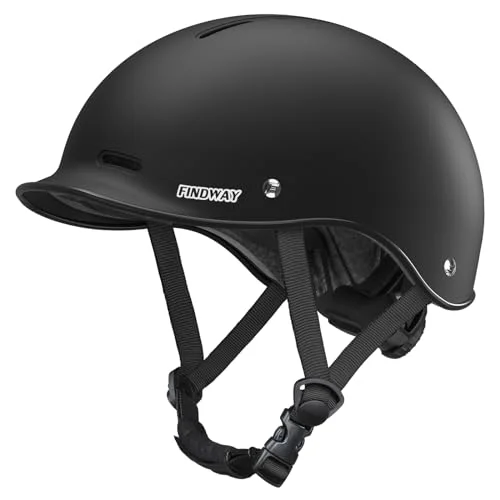
DOT Approved Helmets Explained: Safety Standards and Certification

A DOT approved helmet is a motorcycle helmet that meets the minimum federal safety requirements set by the U.S. Department of Transportation under FMVSS 218. If you’ve searched “what is a DOT helmet” or “dot approved helmet meaning,” the short answer is: it’s the legal, tested standard for headgear sold for on-road use in the United States.
These DOT certified helmets are tested for impact absorption, penetration resistance, and chin strap strength to reduce head injury risk. A helmet carrying the FMVSS No. 218 label has passed lab checks for exactly these three failure points.
This guide explains DOT certification, how DOT helmet certification works, how to tell a genuine DOT mark from a fake one, and compares DOT with ECE, SNELL, and ISI standards — plus the helmet types and brands that meet these safety approvals.
Looking for a budget-friendly helmet with certified protection?
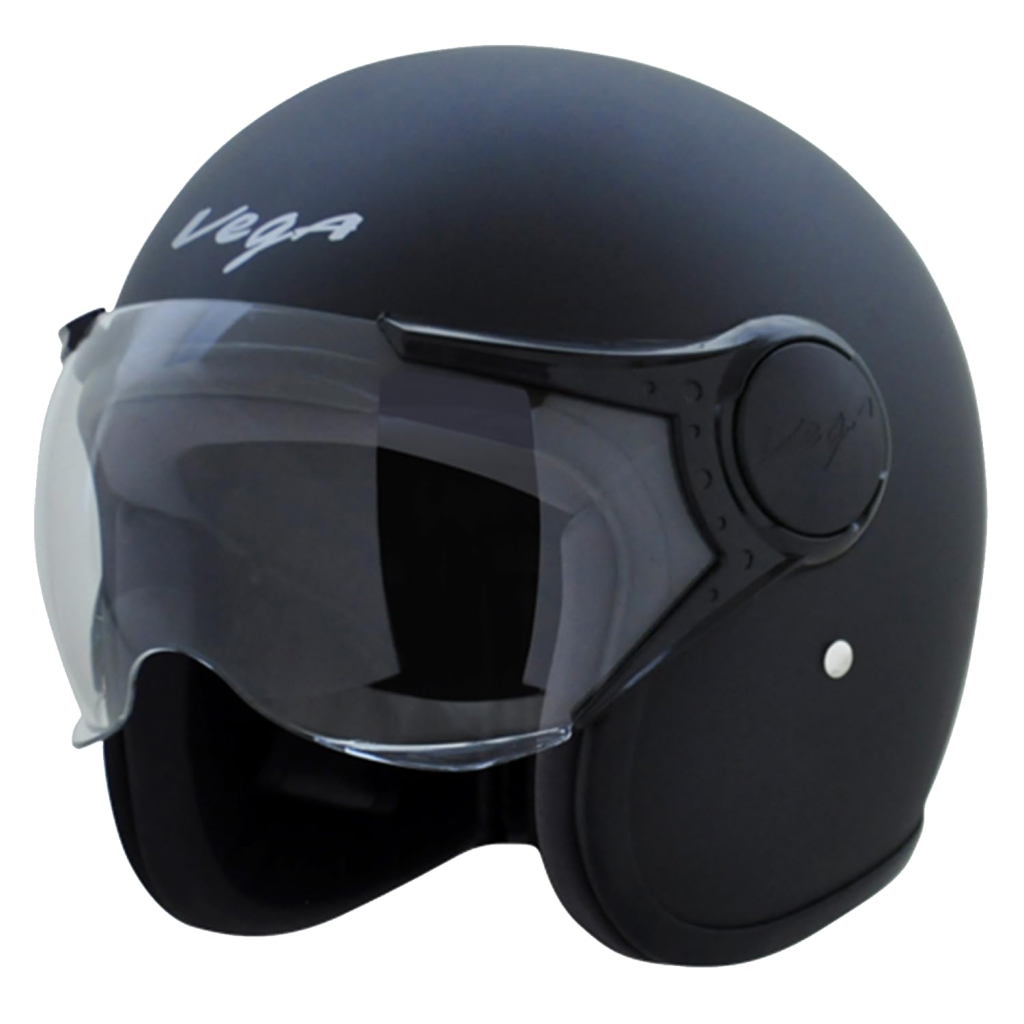
The Vega Jet ISI DOT Certified Open Face Helmet stands out for daily riders who want safety, comfort, and a clean matte finish design without overspending. It’s one of the few open-face options that carries both ISI and DOT certified safety marks at this price point.
What makes it worth checking out:
• ISI + DOT certified safety standards
• Lightweight ABS shell for better durability
• Scratch-resistant clear visor with UV protection
• Quick-release metallic buckle
• Moisture-wicking interior for long rides
• Comfortable fit with wide road visibility
• Stylish matte black finish
At around ₹1,296, it delivers strong value for city commuters and motorcycle riders who still want a dot certified helmet rather than an uncertified novelty shell.
Key specs:
• Weight: 900g
• Material: ABS Shell
• Size: M (57–58 cm)
• Finish: Matte
• Style: Open Face
For riders, safety starts with the helmet you trust every day.
A certified helmet is not an accessory. It is protection between you and the road.
What DOT Approved Helmet Means
A DOT-approved helmet is one that meets the safety requirements set by the United States Department of Transportation. You may also see it called a “dot compliant helmet” or a helmet carrying the “dot mark” — these all describe the same FMVSS 218 approval.
This certification is mandatory for any helmet sold for on-road motorcycle use in the U.S., serving as the legal baseline for rider protection.
1. Definition of DOT Certification
DOT certification indicates that a helmet model has been designed to meet the rigorous performance criteria established by federal law. Unlike optional racing certifications, the DOT mark is a legal requirement for public road use, which is why “dot approved” and “dot certified” are often used interchangeably by riders searching for compliant gear.
2. Role of the U.S. Department of Transportation
The U.S. Department of Transportation (DOT) oversees the National Highway Traffic Safety Administration (NHTSA), which manages the standards. This is the nhtsa dot motorcycle helmet certification framework: manufacturers self-certify against it, and the DOT’s primary role is to ensure that manufacturers produce gear capable of protecting a rider’s brain during a collision.
3. FMVSS 218 Safety Standard Meaning
FMVSS 218 stands for Federal Motor Vehicle Safety Standard No. 218. This is the specific technical document that outlines the minimum energy-absorption levels and structural integrity a helmet must possess before it can carry the “DOT FMVSS No. 218 CERTIFIED” label.
- Impact Attenuation: It defines how much “G-force” a helmet can transmit to a rider’s head during a crash.
- Coverage: It mandates that a specific area of the skull must be covered by the protective shell.
- Peripheral Vision: It ensures the helmet does not block more than 105° of horizontal vision on either side.
4. Why DOT Approval Matters for Riders
Wearing a DOT-approved helmet is often the difference between a treatable injury and a fatal one. Because these helmets are built with energy-absorbing liners, they significantly reduce the risk of traumatic brain injury (TBI) — which is exactly what riders asking “are DOT approved helmets safe” want to know.
How DOT Helmet Certification Works
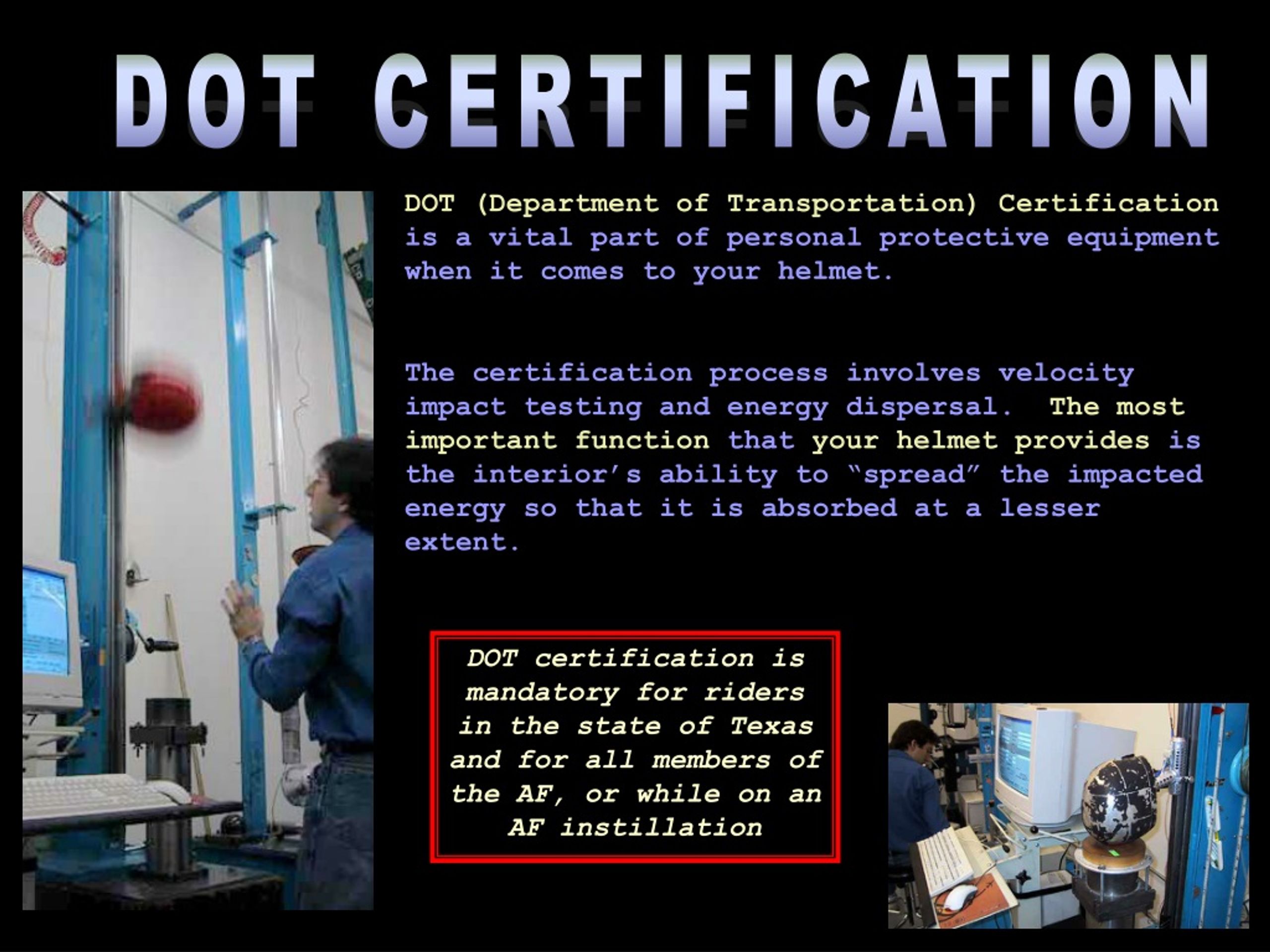
The DOT helmet certification process is unique because it operates on a self-certification basis. This means the government trusts the manufacturer to test their own products and certify that they meet the law before putting them on store shelves — unlike third-party lab testing used elsewhere.
1. Impact Absorption Testing
During testing, a helmet is placed on a “headform” and dropped from a specific height onto both flat and rounded steel anvils. This simulates the helmet hitting the pavement or a curb.
- Peak Acceleration: The helmet fails if the recorded impact exceeds 400G (units of gravitational acceleration).
- Duration Limits: The test also measures how long a headform stays at a certain G-level, ensuring the impact energy is “spread out” over time.
2. Penetration Resistance Testing
In this test, a $3$ kg ($6.6$ lb) pointed striker is dropped onto the helmet from a height of about $3$ meters. To pass, the striker must not make contact with the headform inside. This ensures the shell can resist sharp objects like footpegs or rebar.
3. Chin Strap Strength Testing
The “retention system” is tested by applying a heavy load to the chin strap to ensure the helmet stays on during a slide. This is part of what “dot motorcycle helmets testing includes” beyond impact and penetration checks.
- Initial Load: A weight of $22.7$ kg ($50$ lbs) is applied first.
- Extended Load: The weight is increased to $136$ kg ($300$ lbs) for $120$ seconds. The strap must not break or stretch more than one inch.
4. Manufacturer Self-Certification Process
Because the DOT does not test every helmet before it is sold, the responsibility lies with the brand. However, the NHTSA performs random “compliance testing” every year. If a helmet is found to have a “fake” sticker or fails the lab test, the manufacturer faces massive fines and mandatory recalls.
How to Identify a DOT Approved Helmet
Counterfeit or “novelty” helmets are common in online marketplaces. Knowing how to spot a genuine DOT-certified helmet — and telling a real dot helmet label from a fake one — can save your life.
1. DOT Label Placement
A legitimate DOT label must be permanently fixed to the outside back of the helmet. On newer helmets (manufactured after 2013), the sticker is more detailed to prevent fakes.
2. Information Printed on the Sticker
A modern, valid DOT sticker is not just the letters “D-O-T.” It must contain the following specific information:
- The manufacturer’s name or brand.
- The model designation.
- The word DOT.
- The phrase FMVSS No. 218.
- The word CERTIFIED.
3. Common Signs of Non-Certified Helmets
“Novelty” helmets are often disguised to look like real gear but offer zero protection.
- Thickness: Real helmets have a one-inch thick inner liner of firm polystyrene foam. Fakes often have thin, soft padding or no liner at all.
- Weight: A certified helmet usually weighs about 3 pounds. If it feels as light as a toy (1 pound or less), it is likely not compliant.
- Protrusions: DOT standards do not allow anything (like spikes or horns) to extend more than $0.2$ inches from the shell.
DOT vs. Novelty Helmet Comparison
| Feature | DOT Certified Helmet | Novelty/Fake Helmet |
| Inner Liner | 1-inch thick, firm EPS foam | Thin cloth or soft sponge |
| Weight | Approx. 3 lbs ($1.4$ kg) | 1 lb or less |
| Chin Strap | Sturdy, metal rivets/D-rings | Plastic clips or flimsy stitching |
| Labeling | Permanent, detailed sticker | “DOT” only or no sticker at all |
Popular DOT-Certified Helmet Brands
Riders often search for specific brands to confirm they meet the DOT standard before buying. Here’s a quick reference for some of the most-asked-about names.
1. Vega Helmets
Vega is one of the most searched helmet brands for combined ISI and DOT certification, like the Vega Jet model featured above. Vega’s mainstream road helmets typically carry both marks, making them a common pick for riders comparing dot certified vs isi certified safety options.
2. MT, Protos, and Qike Helmets
MT Helmets and Protos both sell DOT-approved lines, but certification varies by specific model and market, so always check the sticker on the exact helmet in hand rather than assuming the whole brand lineup qualifies. Qike and other budget import brands are a common source of confusion — a sticker reading only “DOT” or “DOT-A” without the manufacturer name, model, and “FMVSS No. 218 CERTIFIED” wording is a red flag for a non-compliant label.
3. Premium Full-Face Brands
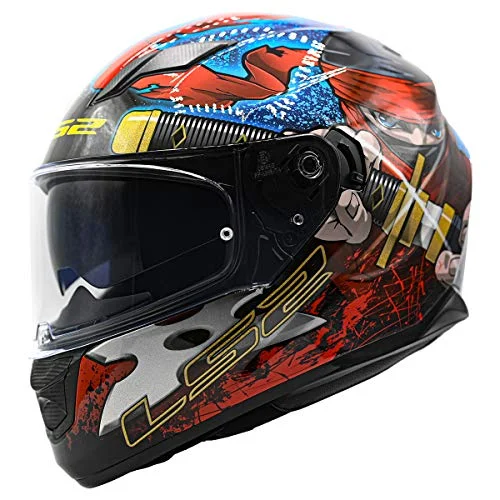
Shoei, Arai, HJC, AGV, and LS2 all maintain extensive DOT-certified full-face lineups, and many of their models are dual-certified with ECE 22.06 for riders who want both U.S. legal compliance and the more rigorous European testing protocol.
DOT Approved Helmets List
DOT standards apply to various helmet styles, each offering different levels of coverage and comfort.
1. Full-Face Motorcycle Helmets
Full-face helmets provide the highest level of protection by covering the entire head, including the jaw and chin. Most premium brands like Shoei, Arai, and HJC offer extensive lists of DOT-certified full-face models, and full-face is the style most often recommended for highway riding.
2. Modular Helmets
Modular helmets feature a chin bar that flips up. While versatile, they must pass DOT tests in the closed position to be certified as meeting the standard for chin protection — a modular helmet’s ISI or DOT certification only applies when the chin bar is locked down.
3. Open-Face and Half Helmets
- Open-Face (3/4): These cover the ears and back of the head but leave the face exposed. They are popular for cruisers and scooters.
- Half Helmets: These only cover the top of the head. To be DOT-approved, they must still have a one-inch thick EPS liner and a sturdy retention system.
4. Off-Road, ATV, and Four-Wheeler Helmets
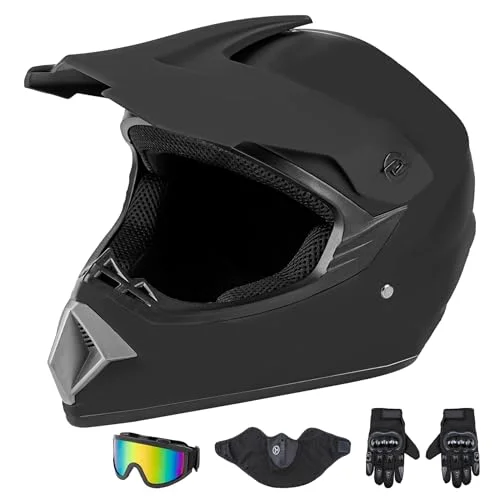
Dirt bike, ATV, and four-wheeler helmets follow the same FMVSS 218 requirement as street helmets whenever the vehicle is used on public roads. For off-road-only use, riders often add a separate motocross-rated shell, but a genuine DOT sticker with the full manufacturer, model, and “FMVSS No. 218 CERTIFIED” wording is still the baseline to check for any helmet claiming DOT compliance.
DOT, ECE, and SNELL Certified Helmets
Riders often see multiple stickers on a single helmet. Understanding the hierarchy of these standards helps you choose the safest gear.
1. DOT and ECE Certified Helmets
ECE (Economic Commission for Europe) is the standard used in over 50 countries.
- Key Difference: ECE requires third-party lab testing before the helmet goes on sale, whereas DOT relies on self-certification.
- Dual Certification: Many modern helmets (like those from AGV or LS2) carry both labels, meaning they meet the US legal minimum and the more rigorous European testing protocols.
2. SNELL Certified Helmets
The Snell Memorial Foundation is a non-profit that sets voluntary, even stricter standards.
- SNELL vs. DOT: Snell testing involves higher-velocity impacts and multiple hits on the same spot.
- Racing: Most track days and racing organizations require SNELL-certified helmets (currently M2020 or SA2020).
3. ISI Certified Helmet Meaning
The ISI (Indian Standards Institute) mark is mandatory for helmets sold in India. Many helmets aimed at that market, including dual ISI and DOT certified models like the Vega Jet, carry both approvals so the same helmet can be sold across regions.
Safety Standard Comparison Table
| Feature | DOT (USA) | ECE (Europe/Global) | SNELL (Independent) |
| Testing Type | Self-certified | Third-party lab | Independent lab |
| Mandatory? | Yes (in USA) | Yes (in EU/UK) | No (Voluntary) |
| Impact Limit | 400G | 275G (Lower is safer) | 275G – 300G |
| Updated? | Rarely (Since 1970s) | Regularly (22.06) | Every 5 years |
DOT Helmet Laws and Compliance
In the United States, motorcycle helmet laws vary by state, but the requirement for DOT certification remains the universal legal standard where helmet use is mandated.
States Where DOT Helmets are Required
As of early 2026, helmet laws generally fall into three categories:
- Universal Helmet Laws: Approximately 17 states (including California, New York, and Georgia) require all riders to wear a DOT-approved helmet at all times.
- Partial Helmet Laws: About 30 states require helmets only for specific groups, typically riders under the age of 18 or 21, or those without a certain level of medical insurance (e.g., Florida and Texas).
- No Helmet Laws: Only three states—Illinois, Iowa, and New Hampshire—currently have no legal requirement for adult riders to wear a helmet, though DOT-certified gear is still strongly recommended for safety.
Penalties for Non-Compliance
Riding with a non-DOT-approved helmet in a state with a helmet mandate can lead to several legal and financial setbacks:
- Traffic Citations: Fines for wearing an uncertified “novelty” helmet range from $50 to $500 depending on the jurisdiction.
- Equipment Violations: Police can cite you for “Failure to Wear Protective Headgear,” which may add points to your driving record.
- Insurance Implications: In the event of an accident, insurance companies may reduce or deny medical payouts if you were wearing a non-compliant helmet, as it is considered a failure to mitigate risk.
Legal Importance of Certified Helmets
The DOT sticker is not just a safety marker; it is a legal shield. In court cases involving motorcycle accidents, wearing an FMVSS 218 certified helmet proves that the rider followed federal safety regulations. Non-certified helmets are legally classified as “novelty” items and do not fulfill the requirements of protective headgear.
DOT Approved Helmets FAQ
Are DOT helmets safe for highway riding?
Yes, they meet the legal minimum for highway use, but style matters. While a DOT-approved half-shell is legal on the highway, it lacks the facial and chin protection necessary for high-speed impacts. For highway speeds over 50 mph, experts strongly recommend full-face or modular helmets to protect against wind blast, debris, and 45% of impacts that occur in the chin/face area.
Can novelty helmets be DOT approved?
No. By definition, a novelty helmet is a non-certified head covering that mimics the look of a motorcycle helmet but lacks the one-inch thick EPS foam liner required by the DOT. Any “novelty” helmet with a DOT sticker is likely carrying a counterfeit label.
Are DOT helmets enough for racing?
Generally, no. Most sanctioned racing bodies (like AMA or MotoAmerica) require higher safety standards, such as SNELL (M2020) or FIM certification. DOT testing focuses on single, high-energy impacts common on streets, whereas racing certifications test for multiple, high-velocity hits and rotational forces common on tracks.
Is dual certification better?
Yes. Helmets that carry both DOT and ECE 22.06 labels are often considered the safest choice for street riders.
- DOT ensures the helmet can withstand high-energy direct impacts (structure).
- ECE 22.06 adds testing for rotational/oblique impacts, which are more frequent in real-world sliding crashes.
- Helmet Certifications
| Feature | DOT (US Legal) | ECE 22.06 (Global) | SNELL (Racing) |
| Testing Style | Self-certified | Third-party lab | Independent lab |
| Focus | High-energy impact | Real-world road scenarios | Severe/Multiple hits |
| Mandatory? | Yes, for US roads | Yes, for 50+ countries | No, voluntary |
How much does a DOT-approved helmet weigh?
Most genuine DOT-certified helmets weigh around 3 pounds (1.4 kg), though full-face models can run slightly heavier due to added chin-bar structure and visor hardware. A helmet that feels far lighter than this is worth double-checking for a real FMVSS 218 sticker.
Can DOT-approved helmets be vented?
Yes. Ventilation ports do not disqualify a helmet from DOT certification as long as the required coverage area, liner thickness, and impact performance are still met. Reputable brands engineer vents around the certified shell rather than cutting into the protective zones.
When should a DOT-approved helmet be replaced?
Manufacturers generally recommend replacing a DOT helmet every 5 years due to foam and strap degradation, and immediately after any crash impact, even if there’s no visible damage — the EPS liner compresses on impact and loses its ability to absorb a second hit.
Are dirt bike, ATV, and bicycle helmets DOT approved?
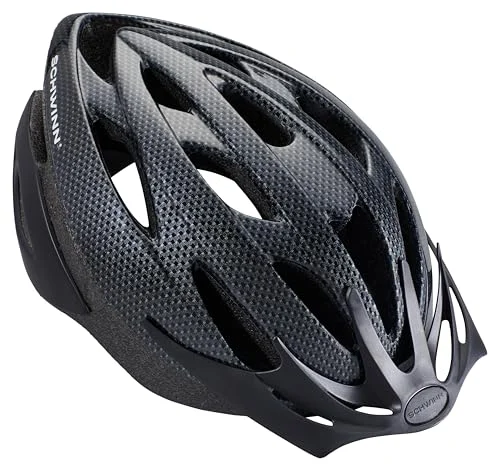
Dirt bike and ATV helmets used on public roads must meet the same FMVSS 218 standard as street helmets, though off-road-only helmets sometimes carry motocross-specific certifications instead. Bicycle helmets follow a separate CPSC standard, not DOT/FMVSS 218, since they aren’t designed or rated for motorcycle-speed impacts.
What’s the difference between “DOT approved” and “DOT certified”?
Functionally, none — riders use both terms for the same thing. Technically, DOT doesn’t “approve” helmets one by one; manufacturers self-certify that a model meets FMVSS 218, so “DOT certified” is the more accurate phrase, though “DOT approved” is the common everyday term.
Checklist for Checking Your Helmet’s Compliance:
- Look for the Sticker: The back of the helmet should have a permanent sticker with: Manufacturer Name, Model, DOT, FMVSS No. 218, CERTIFIED.
- The Squeeze Test: Press the inner liner. It should be firm, dense foam (EPS), not soft sponge or thin fabric.
- Check the Weight: Genuine DOT helmets usually weigh around 3 lbs (1.4 kg). If it feels as light as a bicycle helmet, it’s likely a fake.

- 10 Best Jack For Electric Vehicle Review (October 2026) - October 12, 2026
- 10 Best Jack For Emergency Tire Change Review (October 2026) - October 12, 2026
- 10 Best Jack For Dodge Challenger Review (October 2026) - October 12, 2026