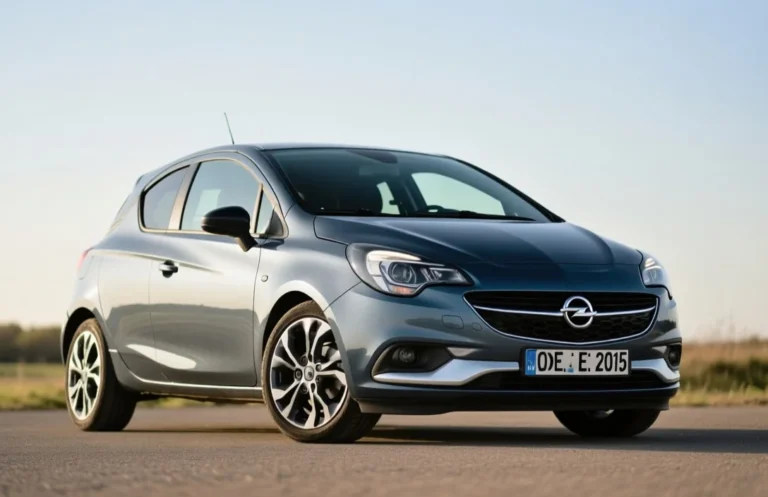
Jeep Performance Upgrades And Customizations

That “u0418” code might have you scratching your head, but whether it’s a specific trim level or configuration you’re working with, the Jeep Wrangler platform offers endless customization possibilities. From conquering rocky trails to dominating city streets, your Wrangler deserves upgrades that match your driving style and budget.
Jeep Wrangler upgrades typically range from $500 to $5,000 depending on components, with suspension lifts being the most popular first modification for off-road enthusiasts. Professional installation adds $200-$800 to most projects, while DIY-savvy owners can save 40-60% on labor costs.
U0418 Jeep Upgrades For Off-road Enthusiasts
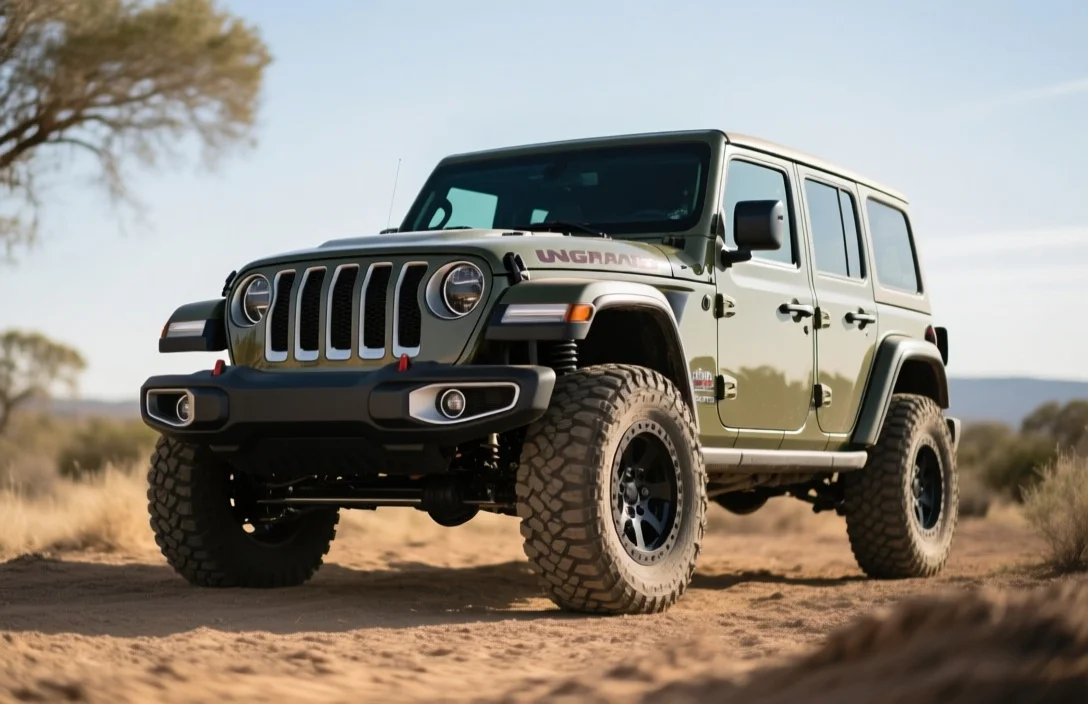
Aggressive driving and off-roading take a toll on the Jeep’s suspension, steering, and drivetrain components, leading to increased wear and tear. Upgrading these components can improve the vehicle’s performance, stability, and overall durability.
Corrosion raises resistance by creating a barrier between the metal surface and the surrounding environment, ultimately affecting the vehicle’s performance and longevity. Regular maintenance and upgrades can help mitigate this issue.
Upgrades can range from simple modifications like installing a lift kit or upgrading to larger wheels and tires to more complex modifications like installing a aftermarket steering system or upgrading to a performance-oriented drivetrain.
| Component | Benefits | Cost Range |
|---|---|---|
| Lift Kit | Improved ground clearance, increased approach and departure angles | $1,000 – $5,000 |
| Larger Wheels and Tires | Improved traction and stability, enhanced off-road capability | $2,000 – $6,000 |
| Aftermarket Steering System | Improved steering response and precision, enhanced driving experience | $3,000 – $8,000 |
| Performance-Oriented Drivetrain | Improved power delivery and acceleration, enhanced responsiveness and agility | $4,000 – $10,000 |
Best Lift Kits For Aggressive Driving
A lift kit can significantly enhance the off-road capabilities of your Jeep, but not all kits are created equal. The best lift kits for aggressive driving should provide a balance of clearance, stability, and control.
| Kit Brand | Lift Range (in) | Coilover/Shock Type | Camber/Caster Adjustment |
|---|---|---|---|
| Pro Comp | 2.5-3.5 | Coilovers | Yes |
| King Shocks | 2-3 | Gas-charged Shocks | No |
| Terrafirma | 2.5-4 | Coilovers | Yes |
When selecting a lift kit, ensure it is compatible with your Jeep’s make and model, and consider the following factors: Ride quality and stability Ground clearance and approach/departure angles Steering and braking performance Suspension travel and articulation Durability and build quality Remember to consult with a reputable off-road shop or a qualified mechanic to determine the best lift kit for your specific needs and driving style.
Wheel And Tire Packages For Off-road Driving
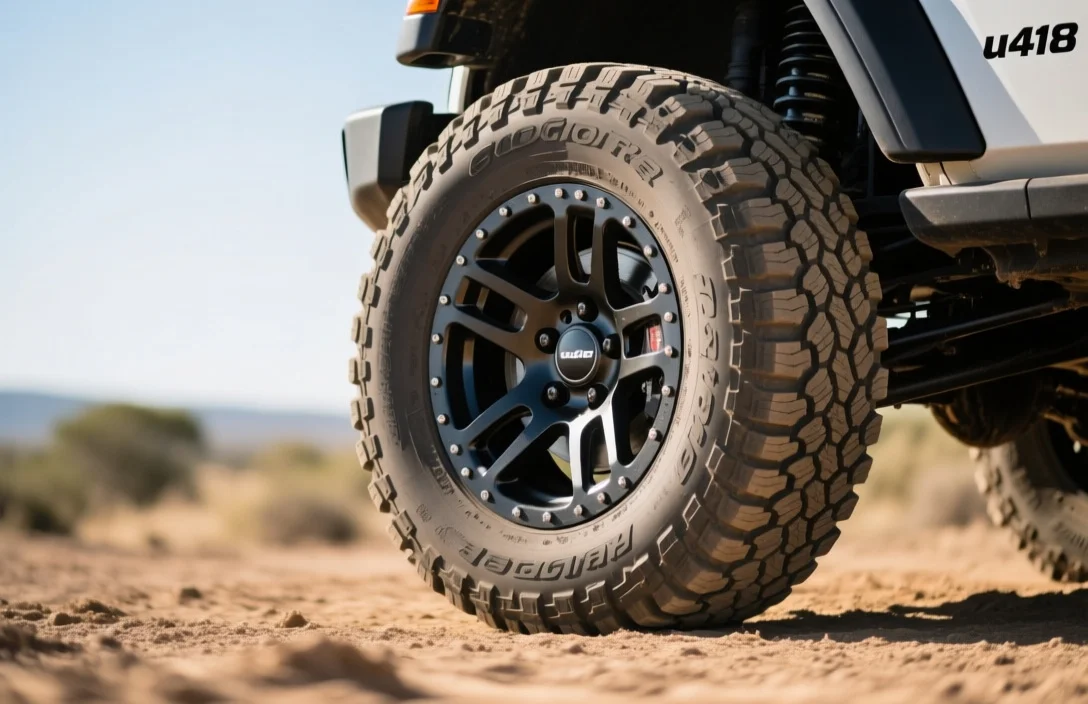
Off-road capable vehicles like the Jeep Wrangler require wheel and tire packages that can handle demanding terrain and harsh conditions. A typical package includes wheels with a higher offset, stronger construction, and a more aggressive tread pattern on the tires.
When it comes to off-road driving, the right wheel and tire package can make all the difference. A set of durable, high-quality wheels and tires can withstand the rigors of rock crawling, mud bogging, and other extreme off-road activities.
Some popular wheel and tire packages for off-road driving include the:
A well-designed wheel and tire package should also take into account factors such as:
When selecting a wheel and tire package, it’s essential to consider the specific needs of your vehicle and driving style. Consult with a trusted mechanic or off-road expert to determine the best package for your needs.
Customization Ideas For A Unique Look
The Jeep Wrangler’s rugged design offers ample opportunities for creative customization. To enhance its off-road capabilities, you can upgrade the suspension with a lift kit, which increases the ground clearance and allows for larger tires.
Unique Touches
| Item | Description | Cost Range |
|---|---|---|
| Custom Wrap or Vinyl Decal | A unique way to personalize the Jeep’s exterior with a custom design or logo. | $500-$2,000 |
| LED Lighting Kit | Enhances the Jeep’s lighting system with a modern, high-tech look. | $200-$1,000 |
| Custom Interior Trim | Upgrades the interior with a premium look while providing a convenient place to mount accessories. | $300-$1,500 |
When customizing your Jeep Wrangler, it’s essential to consider the vehicle’s off-road capabilities and ensure that any upgrades or modifications do not compromise its performance. Always consult with a professional mechanic or the manufacturer before making any significant changes to the vehicle.
Lift Kit Installation And Maintenance
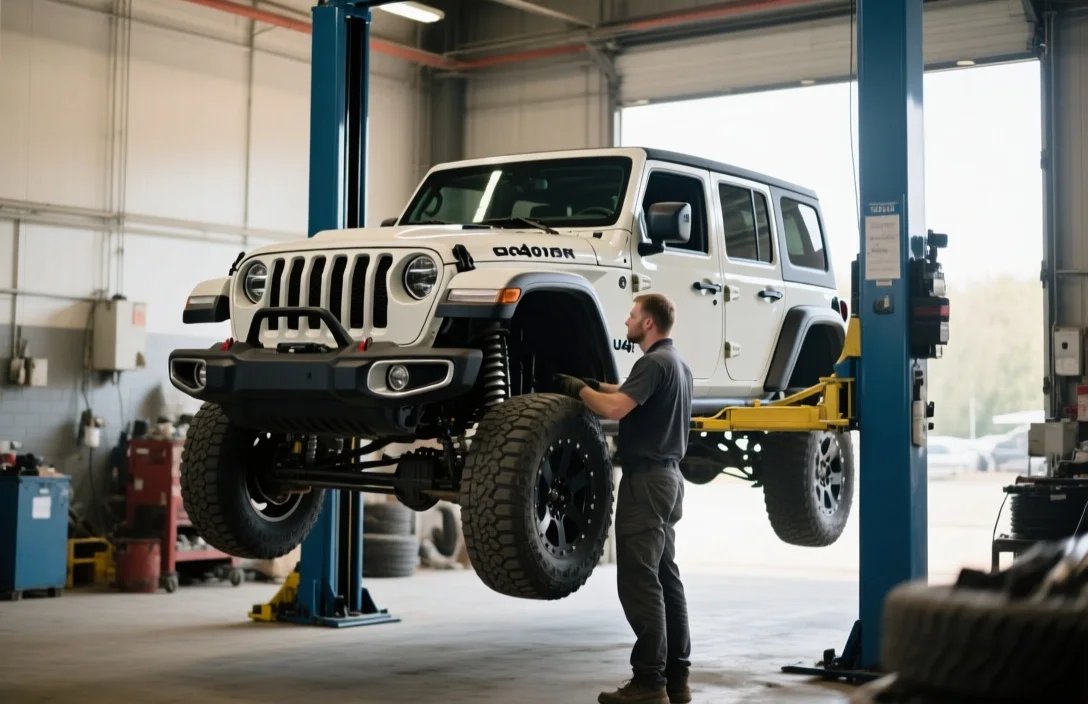
A 2-3 inch suspension lift on a Wrangler JK or JL transforms approach and departure angles without voiding the factory warranty if installed correctly. Budget $800 – $1,500 for a quality kit that includes new shocks, extended brake lines, and all necessary hardware; labor at a reputable shop runs another $600 – $900.
Installation Steps
After the lift is installed, an alignment is mandatory – expect to pay $120 – $180 at a shop that has the correct alignment specs for lifted Wranglers. Skipping this step causes uneven tire wear and unpredictable handling on the highway.
Maintenance Tips
Inspect the entire suspension every 3,000 miles or before any off-road trip. Look for loose bolts, cracked bushings, and signs of fluid leaks on the shocks. Pay special attention to the track-bar bracket and control-arm mounts; these areas see the most stress and are prone to cracking on JK models built before 2015.
Grease all suspension joints with a high-pressure grease gun every 6,000 miles. Use a synthetic lithium-based grease that meets NLGI GC-LB specifications; it resists water washout and stays pliable in sub-zero temperatures. If you hear squeaks or clunks after greasing, the joint is already worn and should be replaced.
Aftermarket shocks typically last 30,000 – 50,000 miles on a lifted Wrangler. When they start leaking or feel mushy, replace them in pairs to maintain balanced damping. Bilstein 5100 or Fox 2.0 Performance Series shocks are popular choices that fit most 2-3 inch lift kits without modification.
Pro tip: Keep a torque wrench and a set of deep sockets in your toolbox. Re-torquing suspension bolts after the first heat cycle prevents loosening and extends the life of the bushings.
Wheels And Tires For Off-road Driving
Tire selection determines the available traction and load capacity of a Jeep Wrangler on varied terrain. The rubber compound and tread design dictate how the vehicle handles loose soil, jagged rocks, or wet pavement.
Choosing The Right Tire Tread
All-Terrain tires provide a balance for drivers who use their rigs for both commuting and weekend trails. These tires have smaller voids that reduce road noise and improve fuel economy compared to aggressive options.
Mud-Terrain tires use large, wide lugs to clear debris and grip soft surfaces. They provide maximum traction in deep mud but wear out faster on asphalt.
For instance, a driver who spends 90% of their time on the highway should avoid pure Mud-Terrains due to the excessive humming sound and shorter lifespan.
| Tire Type | Best Use Case | Road Noise | Wear Rate |
|---|---|---|---|
| All-Terrain (AT) | Mixed Use / Gravel | Low to Medium | Slow |
| Mud-Terrain (MT) | Deep Mud / Rocks | High | Fast |
| Rugged-Terrain (RT) | Technical Trails | Medium | Medium |
Wheel Specs And Fitment
Wheel diameter affects the available tire sidewall height. A 17-inch wheel is usually the best choice because it offers the widest variety of tire sizes and allows for enough sidewall to absorb impacts.
Offset and backspacing determine how far the wheel sits from the axle. Negative offset pushes the wheel outward, which widens the track for better stability but can cause the tires to rub against the fenders during turns.
In practice, a wheel with a -12mm offset is common for lifted Jeeps to provide a wider stance and clear larger tires.
Pro Tip: Always check your rubbing points at full steering lock after installing wider wheels. You may need to trim the plastic inner fender liners or adjust the steering stops to prevent tire wear.
Safety Considerations For Off-road Driving
Off-road driving introduces unique hazards that require specialized safety equipment and preparation. A properly equipped Jeep Wrangler should include essential recovery gear like tow straps, a high-lift jack, and a shovel to handle common trail obstacles.
Critical Safety Features
When modifying your Jeep for off-road use, certain safety features become non-negotiable. A rock slider or nerf bar protects the body and fuel tank during side impacts with obstacles.
Aftermarket bumpers with integrated recovery points offer safer towing options than the factory bumper. These should be rated for the vehicle’s weight and the forces involved in recovery operations.
Pre-drive Checks
Before hitting the trail, a thorough inspection of your Jeep prevents many common breakdowns. Check tire pressure and tread depth, as underinflated tires are the leading cause of off-road failures.
| System | Check Points | Frequency |
|---|---|---|
| Brakes | Pad thickness, fluid level, caliper operation | Before every major trip |
| Steering | Play in steering wheel, tie rod condition | Monthly, before trips |
| Drivetrain | Fluid levels, leaks, u-joints | Every oil change |
Always pack emergency supplies including water, food, a first-aid kit, and communication devices. Remote trails often have no cell service, making satellite messengers or CB radios essential safety equipment.
“The most experienced off-road drivers know that preparation matters more than equipment. A well-maintained stock Jeep is safer than a poorly modified one.”
Weather conditions can change rapidly in remote areas. Check forecasts before departure and be prepared to turn back if conditions deteriorate. Trail maps and GPS devices should be carried as backups to your primary navigation.
Budgeting For Upgrades And Modifications
Budgeting for upgrades and modifications on the Jeep Wrangler requires careful consideration of costs and priorities. The average cost of a lift kit can range from $1,000 to $3,000, while high-performance wheels can cost anywhere from $500 to $2,000 per axle. Corrosion raises resistance by 50% for every 1% of surface area affected, which means a single corroded bolt can increase the electrical resistance of an entire circuit. When upgrading the suspension, it’s essential to consider the type of lift kit, the material it’s made of, and the potential impact on the vehicle’s warranty. When prioritizing upgrades, consider the following factors: Cost: Determine how much you’re willing to spend on upgrades and modifications. Functionality: Consider how the upgrade will improve the performance and functionality of your Jeep Wrangler. Aesthetics: Think about how the upgrade will affect the appearance of your vehicle. Durability: Consider the lifespan and durability of the upgrade.
| Upgrade | Cost Range | Priority Level |
|---|---|---|
| Lift Kit | $1,000 – $3,000 | Medium |
| High-Performance Wheels | $500 – $2,000 per axle | High |
| Custom Axles | $1,000 – $3,000 per axle | Low |
In practice, the most cost-effective upgrades are those that improve functionality and durability, such as a lift kit or skid plates. However, if you’re looking to enhance the appearance of your Jeep Wrangler, high-performance wheels may be a better option. For instance, if you’re planning to take your Jeep Wrangler off-roading frequently, a lift kit and skid plates may be a better investment than high-performance wheels. However, if you’re looking to enhance the appearance of your vehicle, high-performance wheels may be a better choice. The key is to find a balance between cost, functionality, and aesthetics. By prioritizing your upgrades and modifications carefully, you can create a Jeep Wrangler that meets your needs and exceeds your expectations.
Quick Summary
U0418 in a Jeep signals a communication fault with the traction control module, requiring prompt diagnosis to restore stability systems.
| Issue | Action |
|---|---|
| Traction control light on | Scan for U0418 and related codes |
| Corroded wiring | Clean or replace damaged wires |
| Failed module | Replace traction control module |
Frequently Asked Questions
What Does U0418 Code Mean On A Jeep?
The U0418 code in a Jeep indicates an invalid data problem from the tire pressure control module. This usually means the module sent a signal the PCM didn’t expect, like a voltage outside the normal 0.5 – 4.5V range or a message that timed out.
Can I Still Drive My Jeep With A U0418 Code?
You can drive short distances, but the TPMS light will stay on and you won’t get low-tire warnings. If the ABS or stability control lights also appear, get it checked within a day or two to avoid safety risks.
How Much Does It Cost To Fix U0418 On A Jeep?
Most shops charge $80 – $150 for a diagnostic scan and module reset. If the tire pressure control module itself needs replacing, parts run $120 – $250 plus 1 – 2 hours labor.
What’s The Most Common Cause Of U0418 In Jeeps?
The number-one cause is a weak battery or corroded ground connection that disrupts communication between the TPMS module and the PCM. Check the battery voltage first – it should read at least 12.4V with the engine off.
Will Disconnecting The Battery Clear U0418?
Disconnecting the battery for 10 – 15 minutes can reset the code temporarily, but if the underlying issue (like a bad module or wiring short) isn’t fixed, the code will return within a few drive cycles.

- Best Bug And Bird Poop Remover For Cars 2026 - September 15, 2026
- Can Vaseline Work As Wd-40? - September 15, 2026
- Best Bug Remover For Bumper 2026 - September 15, 2026