Can A Bad Blower Motor Cause No Ac?

A bad indoor blower motor can absolutely cause “no AC” because central air depends on that motor to move air across the evaporator coil. Without airflow, the system may run without cooling your house or shut down quickly. If you hear the outdoor unit but get silence from the vents, the blower motor is one of the first things to check.
Blower problems often make the AC seem completely dead. The thermostat may call for cooling, and the outdoor compressor may run, but no cool air reaches the rooms. The cause could be a failed motor, bad capacitor, control board problem, or severe airflow restriction.
Blower Motor Symptoms at a Glance
- Yes, it can. A failed blower motor prevents air from moving across the evaporator coil.
- Expect vent silence. No airflow from supply vents is a classic blower motor symptom.
- Humming is useful. Humming without spinning often points to a failed run capacitor on PSC motors.
- Airflow problems develop fast. A clogged filter can restrict flow enough to mimic a dead blower.
- Check the breaker first. Resetting a tripped breaker may restore airflow without deeper repairs.
- Know your limits. Burning smells or electrical testing call for an HVAC technician.
Can a Bad Blower Motor Cause No AC? Yes, Here’s Why?
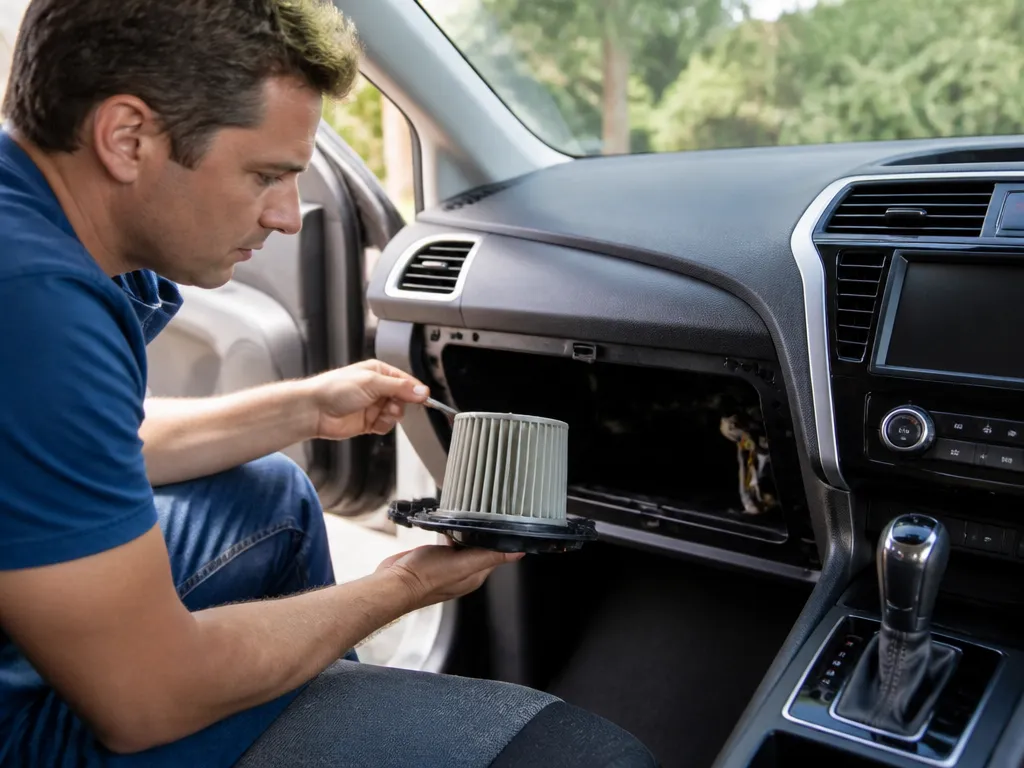
Yes, a bad blower motor can cause no AC. The outdoor unit cools the refrigerant, but the indoor blower pulls air through the return ducts, pushes it across the evaporator coil, and sends cooled air through the supply vents. When the blower fails, the evaporator coil may not receive enough airflow, and your house stays warm.
You may notice a specific pattern: the thermostat calls for cooling, the outdoor compressor starts, but the vents blow nothing or fail to produce cold air. In other cases, the system cycles on and off because restricted airflow causes the coil to get too cold or triggers a safety control. The result feels like “no AC,” even though the compressor is running.
The outdoor unit is not the only part that can fail. A seized blower motor, failed control board, or weak start/run capacitor can stop indoor airflow while the outdoor unit continues operating.
Common Signs Your Blower Motor Is Failing
The clearest clue is airflow that changes when the thermostat calls for cooling. A healthy blower should move air from the supply vents when cooling starts and usually when the fan is set to “On.” A failing blower may produce no airflow, weak airflow, or intermittent operation.
Humming without spinning suggests that the motor is trying to start but cannot, which often points to capacitor trouble on PSC motors. A motor that feels hot may have seized bearings or may be shutting down because of thermal overload.
Unusual sounds also point to mechanical trouble. Grinding, squealing, or rattling can indicate worn bearings, an imbalanced blower wheel, or loose components. A loose or slipping blower wheel can mimic an electrical failure because the motor runs without moving much air.
Treat these symptoms as signs to inspect the blower system first:
- No air from vents during cooling calls
- Humming at the air handler with no fan movement
- Weak airflow even at higher blower settings
- A motor area that feels hot during operation
- Rattling or vibration from the blower compartment
- Cooling that works briefly, then stops and starts again
How Blower Problems Create No Cooling
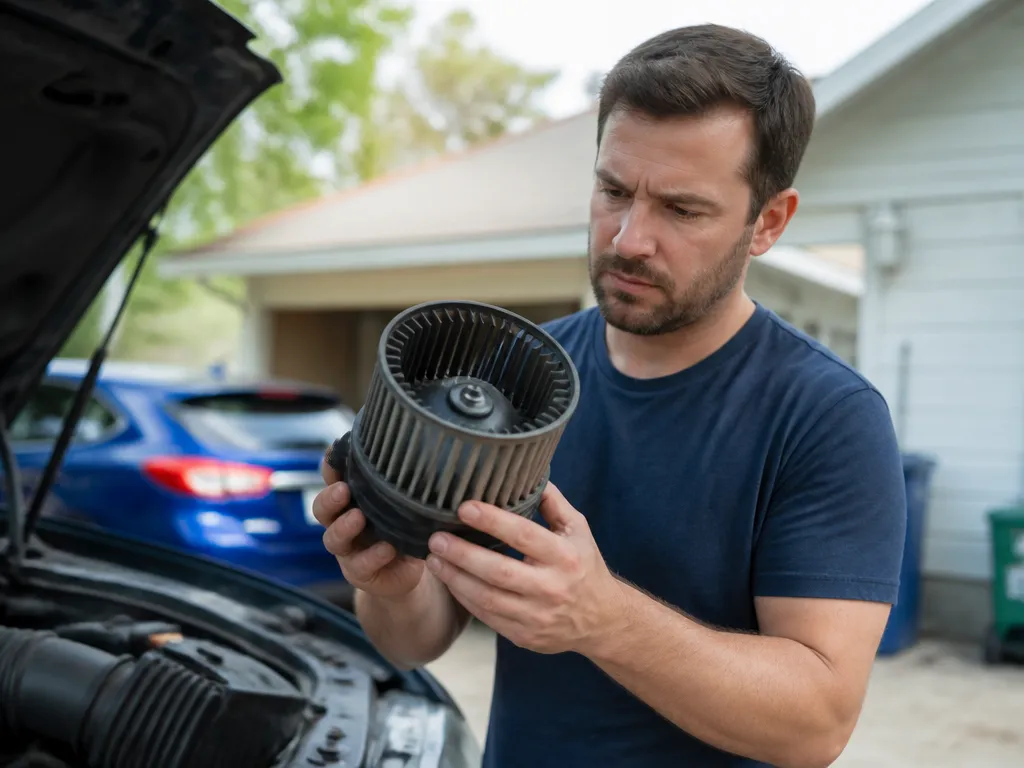
The thermostat sends the call for cooling, the outdoor unit cools the refrigerant, and the indoor blower turns that cooling into room airflow. The compressor alone cannot cool the living space. The evaporator coil must exchange heat with moving air, so a blower failure can look like a refrigerant problem while behaving like an airflow problem.
“No air” is the most useful clue. If you feel warm air at the supply vents during a cooling call, the blower is moving air and the problem may lie elsewhere. If the vents are silent or completely dead, the blower motor, capacitor, or control path becomes the leading suspect.
Blower-related problems can also cause short cycling. The outdoor unit may start, but poor indoor airflow prevents the system from operating normally. Humidity may rise as well because the system cannot circulate air and remove moisture as intended.
How to Troubleshoot a Blower Motor Not Working
Start with checks that do not require opening electrical panels. Confirm that the thermostat is set to “Cool” and that the target temperature is below the current room temperature. Then switch the fan to “On.” If the blower starts immediately, the motor has power and the cooling-call circuit may be the problem. If it does not start, the blower power supply or components are more likely at fault.
Check basic power next. Look for a tripped circuit breaker and confirm that the air-handler switch is in the “On” position. If the system has an accessible fuse, inspect it only if you can do so safely. A tripped breaker or blown fuse can create exactly the same symptom as a failed blower because the motor never receives power.
Then check for airflow restrictions. A severely clogged filter can reduce airflow enough to make the fan seem dead. In extreme cases, restricted airflow can freeze the evaporator coil and block airflow even further. Replace a dirty filter, and make sure supply vents, return registers, and dampers are open and free of furniture, rugs, or other obstructions.
Use the symptoms to narrow the cause:
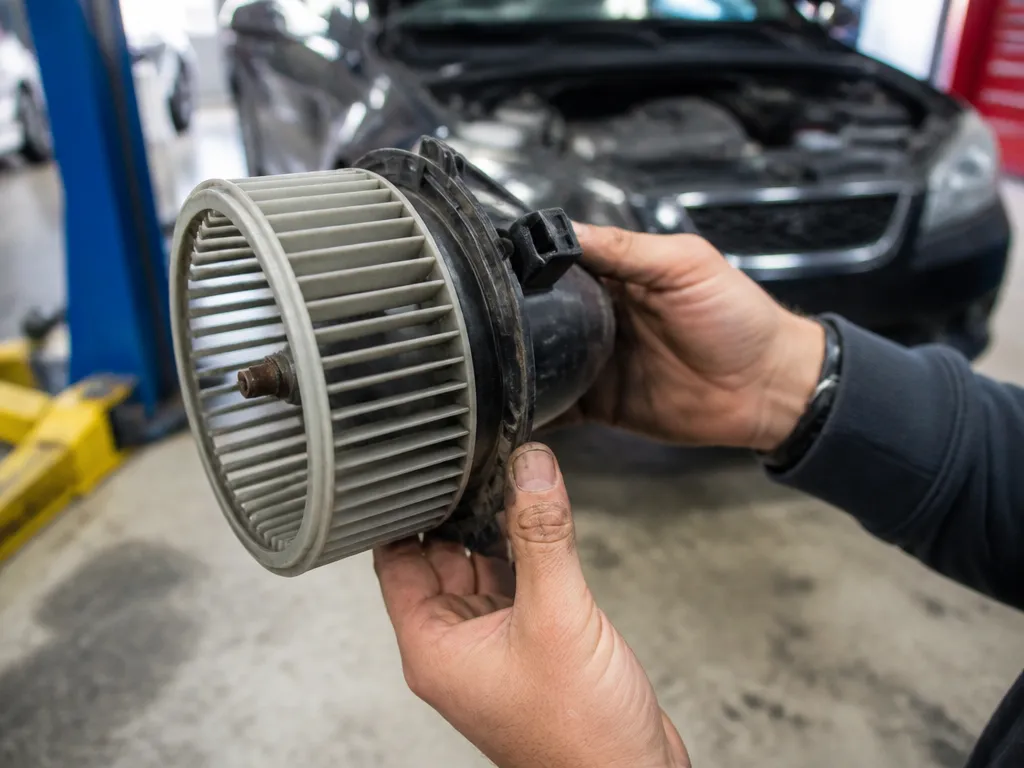
- Humming with no blower-wheel movement: A failed run capacitor is a strong possibility on PSC motors.
- No sound and no movement: A blown fuse, tripped breaker, failed control board, or missing power connection may be responsible.
- A hot motor: Seized bearings or thermal overload may be involved.
- Rattling or vibration: A loose, dirty, or misaligned blower wheel may be restricting airflow.
Use this low-risk checklist:
- Set the thermostat to “Cool” and confirm the target temperature is below room temperature.
- Switch the fan to “On” and watch for immediate blower operation.
- Check the circuit breaker or fuse for the air handler, resetting the breaker only if you are comfortable doing so.
- Replace or inspect the air filter, especially if it is overdue.
- Look for blocked vents or return registers that limit airflow.
- Listen at the air handler for humming, clicking, rattling, or silence during a cooling call.
If these checks do not identify the cause, random part replacement is unlikely to help. The next steps usually require electrical testing or component diagnosis.
Electrical, Capacitor, and Control Board Causes
Electrical faults commonly prevent a blower motor from running and can mimic a complete AC failure. No sound or movement during a cooling call may indicate a blown fuse, tripped breaker, or control problem that never sends power to the motor. The outdoor unit can still start while the indoor blower remains inactive.
Capacitors are especially common trouble spots on systems that use PSC motors. A run capacitor supplies the electrical push the motor needs to start and operate efficiently. When it fails, the motor may buzz or hum without spinning.
A failed control board can stop the blower motor as well. If the thermostat calls for cooling and the air handler has power, but the board never energizes the blower output, the vents remain silent. A faulty board or safety circuit can also make the system start and stop repeatedly.
Clogged Filters and Mechanical Wear Effects
Not every blower-related AC problem is electrical. Clogged filters and mechanical wear can reduce airflow or force the motor to work until its thermal protection shuts it down. A dirty filter restricts the return-air path and can make cooling ineffective even when the blower is still running.
Restricted airflow can freeze the evaporator coil. Once ice builds up, less air passes over the coil, and the system may appear to stop cooling even though the motor and other components are still operating. Continuing to run the system in that condition can make the airflow problem worse.
Mechanical wear is common because blower assemblies operate in dusty indoor environments. Bearings can wear out, dust can collect on the blower wheel, and the wheel can become misaligned. These problems cause vibration or rattling and may eventually make the motor overheat and shut down.
Sound and airflow provide the quickest mechanical clues. Loud rattling or vibration often points to a loose blower wheel or something rubbing against it. Grinding or screeching commonly points to worn bearings. Weak or absent airflow alongside those noises makes mechanical wear more likely than a control problem.
Changing filters every 1-3 months, depending on household needs, helps reduce strain on the blower. Keeping the blower cabinet relatively clean limits dust buildup, and annual professional service can help catch overheating, bearing wear, and imbalance before they stop the AC.
When to Call an HVAC Tech for Blower Motor Repairs
Call an HVAC technician when basic checks do not restore airflow or when the situation creates a safety risk. If you have confirmed the thermostat settings, checked the breaker, and replaced a clogged filter but the blower still will not run, the remaining causes may include a capacitor, control board, motor winding, or wiring fault.
Stop troubleshooting and call for service if you smell burning, see scorched wiring, or find that the motor compartment is excessively hot. Those signs can indicate electrical overheating or a failing component that may cause more damage if you keep trying to run the system. Severe grinding noises also warrant prompt attention.
You can safely observe symptoms, check thermostat settings, inspect the filter, and look for obvious airflow obstructions. Testing a capacitor with a multimeter, checking voltage at the control board, and replacing internal blower components require proper tools and electrical safety procedures.
For systems under about 10 years old, a motor replacement may be worth evaluating when the failure is clear and repeatable. Older systems may justify a broader repair or replacement discussion. Before replacing the motor, a technician should check the capacitor and wiring because replacing the wrong part is a common reason blower problems return.
FAQ
Can a bad blower motor cause no AC even if the outdoor unit runs?
Yes. Central AC needs the indoor blower to move air across the evaporator coil. If the blower will not run, the house will not receive cooled air even if the outdoor compressor starts.
How much does it cost to replace a blower motor for no AC?
Costs vary by system type and local parts pricing, so use a diagnostic visit and written estimate rather than assuming a fixed price. Motor replacement is generally cheaper than replacing a control board or full air handler, but a technician should identify the failed component before you approve the repair.
How long can I run the AC if the blower motor is failing?
I would not run it for long if there is no airflow, repeated cycling, or a hot motor. Restricted airflow and failed components can trigger safety controls and cause overheating. Troubleshoot the basic causes quickly, then stop running the system once you confirm the blower is not operating.
What’s the quickest way to troubleshoot a blower that won’t start?
Set the thermostat to “Cool,” confirm the temperature setting, and switch the fan to “On.” Check whether the blower starts immediately. Then check the circuit breaker and inspect the air filter for clogs. If the blower hums but does not spin, capacitor trouble is a strong suspect.
What’s the most common mistake people make with “no AC” blower issues?
Many people replace the outdoor unit or assume the system has a refrigerant problem before checking indoor airflow. A blower motor that is not receiving power, a failed capacitor, or a clogged filter can all create no-AC symptoms. Start with the air handler, blower operation, and vent airflow before making major repair decisions.

- Top 10 Best Helmet For Xtreme 125r 2026 - October 5, 2026
- Top 10 Best Helmet For Xpulse 200 2026 - October 5, 2026
- Top 10 Best Helmet For Xsr 155 2026 - October 5, 2026