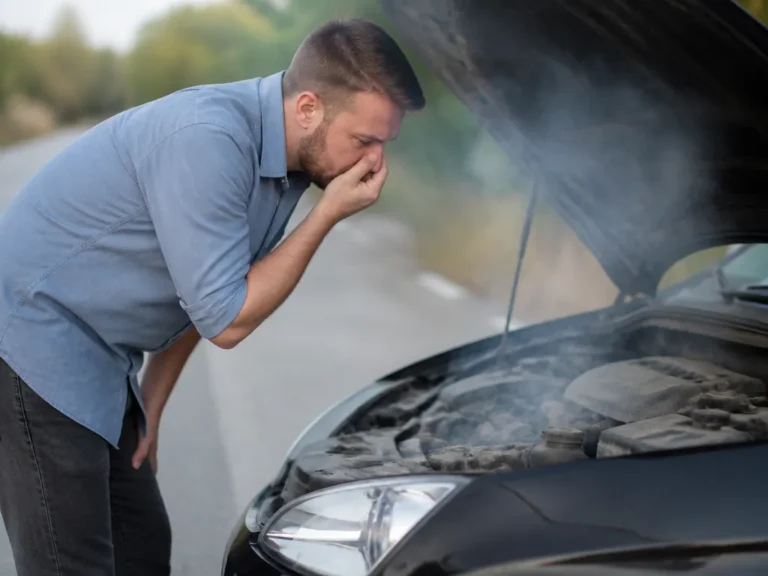
Car Overheating No Check Engine Light: 5 Fixes You Can Test Now

Car overheating with no check engine light is still an urgent problem. The engine control module may not see a fault pattern strong enough to trigger that specific warning, but you can still have a failed radiator fan, low coolant, a stuck thermostat, or a leaking hose. If the temperature gauge climbs near the red zone, or you see steam, wet coolant, or smell sweet coolant, stop driving.
Pull over, shut the engine down, and let it cool before checking the coolant level or inspecting the fan. A quiet dash does not make an overheating engine safe.
Key Takeaways
- Overheating still causes damage – Do not assume “no check engine light” means it is safe to drive.
- Fan failures can stay hidden – A bad cooling fan relay or motor can cause overheating without a CEL.
- Coolant level matters – Low coolant can cause overheating with no warning light.
- Thermostats can stick – A stuck-closed thermostat can trap heat without setting a code.
- The gauge provides useful evidence – Live coolant-temperature readings can help confirm severity.
- Stop early – If steam appears or the gauge reaches the hot range, shut down and call for a tow.
Car Overheating Without Check Engine Light
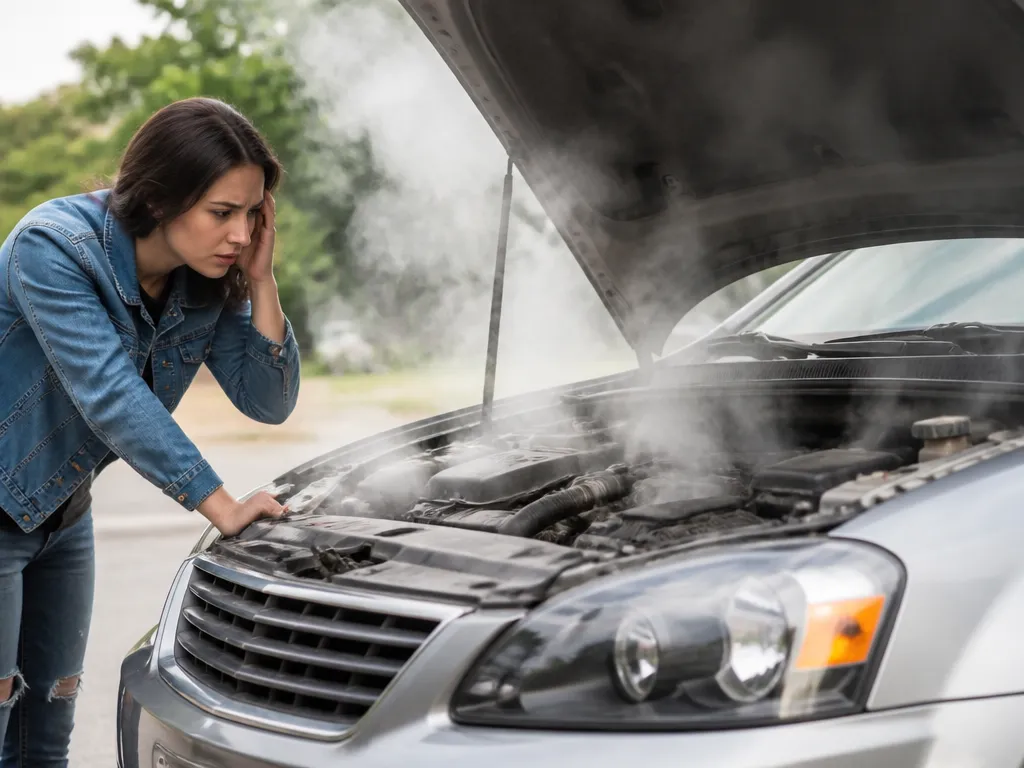
Overheating without a check engine light usually points to a cooling-system failure the computer has not flagged. Many cooling problems are hardware issues, such as a fan that does not spin, a thermostat that does not open, or coolant that has leaked away. The engine computer may not record a code unless it detects a specific electrical or sensor pattern.
Temperature gauges also behave differently from one vehicle to another. Some dashboards dampen the needle movement, so the gauge stays near normal until the engine is already too hot. Others update slowly. Treat a rising gauge, steam, coolant smell, or visible leak as a real overheating problem even when the CEL stays off.
If the needle climbs while you are driving, act immediately. Turn the heater to full hot and the blower to high to move some heat into the cabin, if doing so does not put you or other drivers at risk. Then pull over. Check the coolant level only after the engine cools, look for visible leaks, and determine whether the radiator fan runs when it should.
Common Causes: Cooling Fan, Thermostat, Coolant
The most common causes of overheating without a CEL are a cooling fan that does not operate correctly, a thermostat that does not regulate coolant flow, and coolant loss or contamination. These failures can be mechanical or electrical without triggering a diagnostic trouble code.
A radiator fan that never runs is a classic culprit, especially in stop-and-go traffic, where the car gets little natural airflow through the radiator. A fan that works only intermittently can still allow the engine to overheat while idling or creeping forward.
A stuck-open thermostat can prevent the engine from reaching normal operating temperature, but a stuck-closed thermostat is more dangerous. It blocks coolant circulation and traps heat inside the engine.
Coolant problems form another major group. Low coolant reduces heat transfer, while air trapped in the system prevents proper circulation. A slow leak can lower the coolant level over days or weeks, leading to an overheat even though the dashboard showed no earlier warning.
- Fan likely if the engine gets hot mostly at idle, in traffic, or after you stop.
- Thermostat likely if the temperature rises quickly and stays high, then improves only briefly.
- Coolant likely if the level keeps dropping, or you see wet spots, sweet-smelling vapor, or crusty residue.
Why the Warning Light Stays Off During Overheating
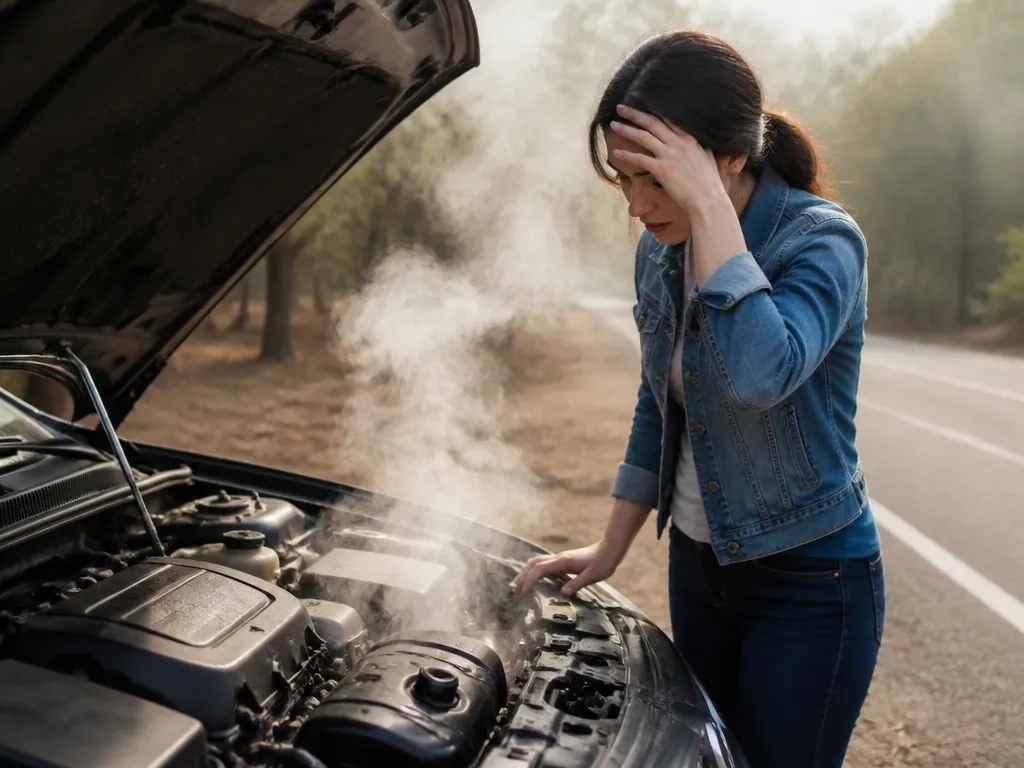
The check engine light depends on the vehicle’s diagnostic strategy, not simply on whether the engine is hot. An overheating condition can occur without a CEL when the failure falls outside the sensors and logic used to set a code, or when the problem is intermittent.
A radiator fan motor, for example, can fail mechanically while the related sensors continue reporting reasonable values. Many vehicles monitor engine speed, airflow signals, coolant temperature, often labeled ECT, and sometimes fan-command status. The thresholds for setting a fault are not always tight. If the fan fails in a way the system does not recognize, the engine can overheat without a stored code.
Thermostat failures can behave the same way. The coolant temperature may rise, but the computer may not detect the pattern it expects from that component. With coolant loss, the ECU might not recognize the problem early enough, especially if the leak develops after the key cycle has already started.
How to Diagnose Overheating Using Temperature Data
Temperature readings become more useful when you track their timing. Note how quickly the engine heats up, whether the temperature stabilizes, and how it responds when you change conditions such as vehicle speed, fan operation, or heater settings.
An OBD-II scanner with live data can display coolant temperature, often labeled ECT and sometimes CTS. Watch how quickly the reading rises and whether it reaches a plateau. During a normal warm-up, temperature rises steadily and then stabilizes as the thermostat opens and the radiator removes heat.
Compare the vehicle’s behavior at idle and while driving:
- If the temperature spikes at idle but remains more stable at speed, suspect the radiator fan or the airflow path.
- If the temperature climbs hard at every speed and does not come down, suspect the thermostat, coolant circulation, or major coolant loss.
- If the temperature wavers, rising and then dropping, intermittent fan operation, air in the system, or a sensor problem may be involved. Start with the cooling hardware before blaming the sensor.
Use these safety rules:
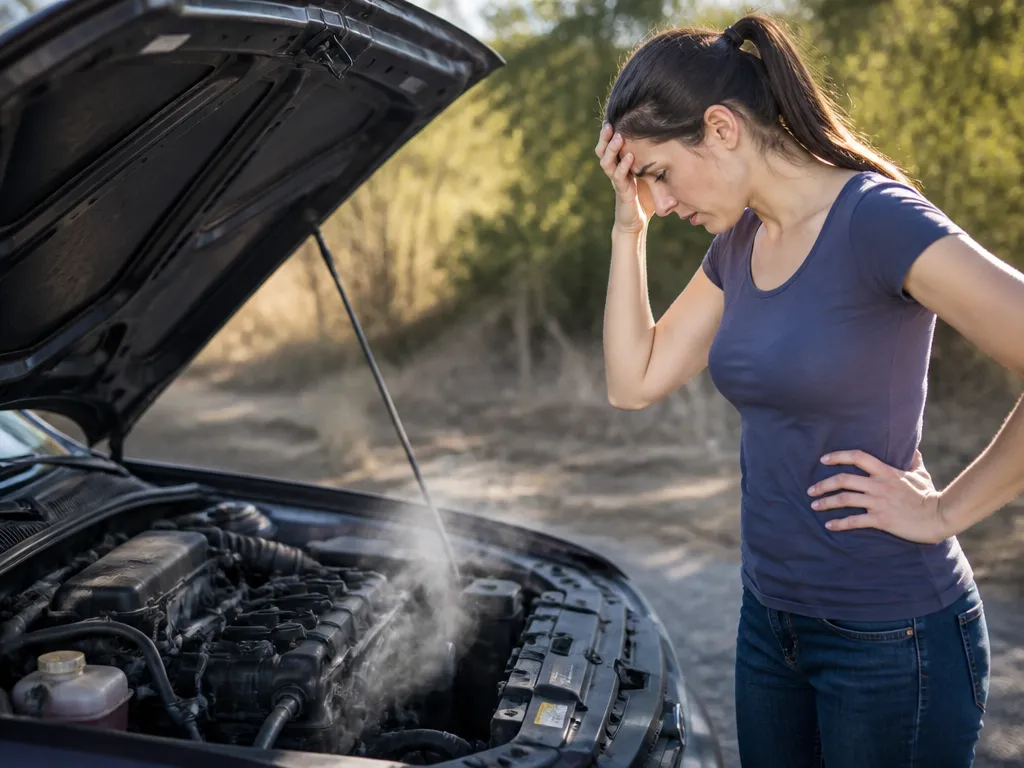
- If the temperature reaches the “hot” region, often near the red zone on the gauge, treat the problem as critical regardless of what the scanner says.
- If the temperature climbs rapidly over minutes, stop the test and shut the engine down.
Temperature data can narrow the diagnosis, but do not keep driving to see what happens. When the engine is getting hotter, stop and let it cool.
Water Pump, Hoses, and Radiator Tests You Can Do
Overheating usually involves poor circulation, restricted flow, inadequate heat rejection, or coolant loss. Basic under-hood checks can help distinguish between them, but perform them only with a cooled engine.
Check the coolant reservoir level if your vehicle uses one. Then inspect common leak points, including hose connections, the lower radiator hose area, radiator tanks, and hose fittings. Look for wetness, pale green, orange, pink, or brown crusted coolant residue, and rubber hoses that are bulging or cracked.
Check radiator fan operation without revving the engine. With the vehicle parked safely, use the climate controls as appropriate for your vehicle. Once the coolant reaches operating range, the radiator fan should run when commanded. If the fan stays off while the temperature climbs, inspect the fan circuit, including the relay, fuse, motor, wiring, and fan assembly. If the fan runs but the engine still overheats, shift your attention to a stuck-closed thermostat, restricted radiator, failing water pump, or severe coolant loss.
Basic temperature comparisons can also help:
- If the upper radiator hose heats rapidly while the lower hose stays cool, coolant flow may be restricted by the thermostat or another circulation problem.
- If both hoses heat up but the engine still overheats, the radiator may not be transferring heat effectively, or the fan may not be moving enough air when needed.
A worn water pump can cause poor circulation and may leak from the pump’s weep-hole area. Coolant tracking near the pump is a strong clue. Do not ignore it, because pump wear can progress to sudden failure.
When to Stop Driving and Call for Towing
The decision to stop is about preventing engine damage, not waiting for a warning light. Continuing for “one more mile” can damage the cylinder head or head gasket.
Stop driving immediately if you notice:
- Steam from the engine bay or radiator area
- A temperature gauge in the red zone or rising quickly toward it
- Coolant leaking onto hot surfaces
- A sudden loss of coolant or rapidly dropping reservoir level
- Unusual knocking sounds or heavy misfires alongside high temperature
After shutting the engine down, let it cool. If steam is present, avoid reaching into the engine bay or handling the radiator cap. Hot coolant systems remain pressurized and can cause severe burns. Once the engine has cooled, check the coolant level carefully before continuing any troubleshooting.
Towing is the smart choice when you cannot safely correct the immediate problem. If the fan is not running and you cannot confirm why, or if the engine is losing coolant, a tow is usually cheaper than an engine repair.
Fix Plan by Symptom
Symptom-first troubleshooting helps you check the likely failure before replacing parts.
If the fan is not running
A radiator fan that does not run when the engine is hot points to the fan itself or its control circuit. Start with the coolant level, fuses, relays, wiring, and fan connector before replacing components.
- Confirm that the engine is reaching the operating temperature at which the fan should turn on.
- Check the coolant level after the engine cools. Overheating and low coolant often occur together.
- Inspect fuses and relays labeled for cooling fans. Use the owner’s manual for their exact locations.
- Listen for a relay click and inspect the fan connector for looseness or corrosion.
- If you can test it safely, confirm that the fan spins when commanded. Avoid direct wiring unless you know exactly how to perform the test.
If you cannot restore fan operation quickly, do not keep driving. The car may overheat again at idle even if the temperature temporarily returns to normal.
If coolant is low
Low coolant usually means a leak, coolant loss from a previous overheat, or a system that was not properly filled and bled after service. Topping off the reservoir is only a temporary step; the leak source still needs attention.
- After the engine cools, check the coolant level in the reservoir or radiator. Open the radiator cap only when the system is fully depressurized, and only if your vehicle allows it.
- Look under the car and around hose connections, radiator seams, and water-pump areas for wetness or residue.
- Determine whether the leak is active, with fresh wet spots, or old, with dried staining.
- Refill only to a safe level, then recheck fan operation and temperature behavior.
If the coolant level drops again during the next drive, or you find evidence of a serious leak, take the car to a shop. Running low can overheat the engine again even if the CEL remains off.
Which cooling-system symptom needs attention first?
| Symptom you notice | Most likely cause | What to check first | What NOT to do |
|---|---|---|---|
| Temperature rises mostly at idle/traffic | Cooling fan circuit or fan motor | Fan command behavior, fuse/relay, fan connector | Keep driving “until it cools” |
| Upper hose hot, lower hose stays cooler | Thermostat stuck closed or circulation issue | Radiator hose temperature difference | Assume it is “just low coolant” |
| Coolant level keeps dropping | Leak in hoses, radiator, or pump, or air in system | Leak spots, hose clamps, radiator seams | Add coolant and ignore the source |
| Steam and sweet coolant smell | Active coolant leak | Evidence of leak and wet area | Open pressurized cooling parts while hot |
| Temperature does not stabilize | Circulation or heat-rejection failure | Thermostat and fan operation | Drive until the gauge hits red |
What to Do When the Engine Overheats Without a CEL
After the engine cools, check the coolant level, look for obvious leaks, and inspect radiator fan behavior. An OBD-II scanner with live data can add useful temperature information, but it does not override the gauge or visible symptoms.
If you confirm fan failure or coolant loss and cannot fix it immediately, call for a tow. Cooling-system problems can turn a relatively small repair into major engine damage when you continue driving.
FAQ
1) Can my car overheat and still have no check engine light?
Yes. A radiator fan that never runs, a stuck-closed thermostat, or coolant loss can overheat the engine without setting a diagnostic trouble code. The engine computer must detect a specific pattern and meet its fault thresholds before it turns on the check engine light. Treat a hot gauge, steam, or coolant smell as urgent even when no warning light appears.
2) How long can I drive when the temperature gauge goes up?
Do not keep driving to finish your trip. If the gauge approaches the hot range, or you see steam or smell coolant, shut the engine down and let it cool. Heat damage can happen quickly, especially when coolant flow is blocked or the radiator fan is not working. If the engine reaches the red zone, call for a tow instead of trying to drive home.
3) Will low coolant always trigger a check engine light?
No. Low coolant can cause overheating by reducing heat transfer, but the ECU may not set a code depending on sensor readings, thresholds, and timing. Check the reservoir after the engine cools, look for leaks, and confirm whether the system holds coolant. If the level drops again after topping off, repair the leak rather than continuing to add coolant.
4) How do I diagnose overheating if there is no CEL?
Use live coolant-temperature data from an OBD-II scanner if available, then compare it with the driving conditions. Watch how quickly the temperature rises, whether it stabilizes, and how it changes at idle versus while driving. Combine that information with checks of the coolant level, hoses, visible leaks, and radiator fan operation. If you cannot identify and fix the problem quickly, stop driving and get help.
5) What is the most common mistake people make with overheating and no CEL?
They keep driving because the dashboard did not light up. Continuing after the gauge reaches the hot range, or after steam or coolant loss appears, can cause severe damage. Another dangerous mistake is opening the radiator cap while the system is hot and pressurized, which can cause serious burns. Shut the engine down, let it cool safely, and then troubleshoot.

- Top 10 Best Helmet For Xpulse 200 2026 - October 5, 2026
- Top 10 Best Helmet For Xsr 155 2026 - October 5, 2026
- Top 10 Best Helmet For Xc Mtb 2026 - October 5, 2026