Car Made A Loud Pop Then Died? 6 Fast Checks To Diagnose

A car that makes a loud pop and immediately dies usually has a mechanical or electrical failure that occurred under load. The most common causes are a misfire, failed ignition component, fuel or air problem, blown fuse, loose battery connection, or sudden loss of electrical power. If you smell gas, see fuel leaking, notice smoke, or find melted wiring, stop trying to restart it and arrange a tow.
The sound and timing narrow the possibilities. A deep boom from the rear often points to an exhaust backfire. A sharp crack from the engine bay may indicate an intake backfire, broken hose, electrical short, or failed component. If the engine cranks but will not start, focus on fuel, ignition, and engine-management power. If it will not crank at all, start with the battery, starter, cables, and fuses.
Key Takeaways
- Put safety first. If you smell gas or see fuel, do not try starting the car again.
- Locate the sound. A deep backfire usually comes from the exhaust; a sharp pop under the hood points more toward intake, ignition, or electrical trouble.
- Check visible basics. Inspect fuses, battery terminals, wiring, vacuum hoses, intake connections, and loose parts.
- Separate no-crank from crank-no-start. The first points toward power delivery or the starter; the second points more toward fuel, ignition, or engine management.
- Tow when the risk is unclear. Smoke, fuel leaks, repeated pops, melted wiring, or a no-crank condition all justify professional help.
Car Made a Loud Pop Then Died: Likely Causes
A loud pop followed by an immediate stall usually falls into one of three categories: ignition failure, fuel or air trouble, or an electrical power interruption.
Ignition and fuel problems commonly cause this pattern because a misfire can send unburned fuel into the exhaust. That fuel may ignite and create a loud backfire before the engine stalls. A failed ignition coil, loose ignition connection, bad sensor, or fuel-delivery problem can all contribute.
An electrical fault can shut the engine off just as abruptly. A short may blow a fuse that supplies the engine computer, ignition system, or fuel pump. A failing battery, loose terminal, damaged cable, or component that suddenly drags system voltage down can also stop the engine.
Air and exhaust problems are another possibility. A split intake duct, disconnected vacuum hose, loose clamp, or exhaust leak can upset the air-fuel mixture and trigger popping. A disconnected sensor or vacuum line may make the engine run poorly before it dies.
How to Tell Whether the Pop Came From the Engine or Exhaust
The timing and location of the sound can separate an engine-bay pop from an exhaust boom. An exhaust backfire often sounds deeper and seems to come from the rear or underneath the car. It may happen during deceleration, when you lift off the gas, or while the engine is running unevenly. An engine-bay pop is usually sharper and may occur during cranking, throttle changes, or an abrupt failure under the hood.
Use these clues:
- Exhaust-like pop: A deep bang, often with a brief exhaust odor, that occurs after a misfire or throttle change.
- Engine-bay pop: A sharp snap or crack from under the hood, sometimes followed by a sudden stall or blown fuse.
- Cranking-related pop: A sound that occurs while turning the key or pressing the start button. Check battery power, starting circuits, ignition power, and fuses.
- Running-related pop: A sound that occurs after the engine has started. Check misfire sources, air leaks, vacuum hoses, and intake or exhaust damage.
Raw fuel smell after the pop strongly suggests a misfire that sent fuel into the exhaust or a fault in the fuel system. A hot electrical smell without fuel points more toward melted insulation, a damaged connector, or a blown fuse. If you cannot tell which smell or sound applies, treat both possibilities seriously and perform the safety checks first.
Checks to Make Immediately After the Pop
Start with free checks that can reveal a dangerous problem or prevent a second failure. Do not keep trying to restart the car, especially after a loud pop. Repeated attempts can overheat wiring, worsen a short, or flood the engine if fuel is not being burned properly.
Check the car in this order:
- Look and smell for hazards. If you smell gas, see dripping fuel, or notice smoke, stop and move to the fuel and smoke checks below.
- Inspect the battery terminals. A loose or heavily corroded connection can cause voltage drops and erratic ignition behavior.
- Check the fuse box or fuse boxes. Look for blown fuses, burned plastic, melted areas, or overheated connectors.
- Inspect the intake and vacuum hoses. Look for a disconnected vacuum hose, split intake duct, or loose air-intake clamp.
- Look for loose engine-bay parts. Check for a popped-off hose, unplugged sensor, disconnected ignition connection, or wiring that has pulled free.
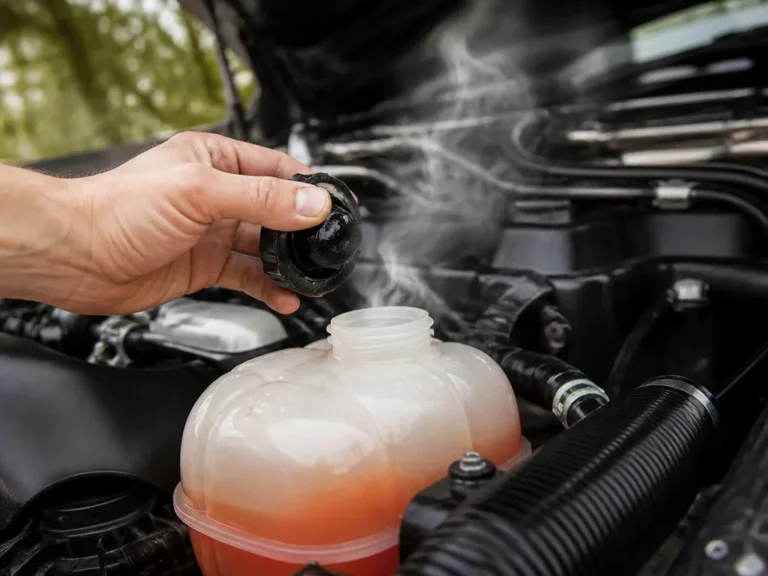
- Check underneath the car. Look for fuel, oil, coolant, or other fresh fluid leaks.
If the car passes these checks and there is no fuel, smoke, or visible electrical damage, one careful restart attempt may be reasonable. Turn the key or press the start button once, listen, and stop if the same pop returns. Do not keep cycling the ignition.
What to Do If You Smell Gas or See Fuel Leaking
A fuel smell or visible leak changes the priority immediately. Turn the engine off and do not attempt another start. Fuel vapor can ignite from electrical sparks, hot engine parts, or static, and a small leak can become dangerous quickly.
Take these steps:
- Do not crank or restart the car. Avoid turning the ignition on repeatedly.
- Move the car only if you can do so without starting it and without increasing the danger. Otherwise, leave it where it is and move away.
- Keep the area ventilated. Do not use equipment that could create a spark near suspected fuel vapor.
- Look for obvious leak points without reaching into a dangerous area. Check around the fuel lines, fuel rail, engine bay, fuel pump supply and return lines if accessible, and the ground beneath the car.
- Back away from active leakage. If fuel is spraying or visibly running, call roadside assistance or a tow service.
- Treat a strong smell as a possible vapor leak even when no liquid is visible. A pinhole leak may produce a strong odor without leaving an obvious puddle.
Once you are certain there is no active leak, basic electrical checks may be safe if the area is dry and there is no smoke. A pop followed by a fuel smell can result from a misfire that left unburned fuel in the exhaust, but it can also indicate a fuel-system failure.
What to Inspect After Backfiring or Smoke
Backfiring means combustion is occurring at the wrong time or in the wrong place. Common causes include misfires, incorrect fuel or air delivery, ignition problems, and air leaks. Smoke is a broader warning, but smoke from the engine bay, wiring, or fuse area requires immediate caution.
The smoke location provides useful clues:
- Smoke from wiring or the fuse area: Look for melted connectors, damaged insulation, or a shorted component. Stop troubleshooting if you find obvious heat or electrical damage.
- Smoke with a hot-oil or coolant smell: Check for fluid leaks, a ruptured hose, or signs of overheating. The pop may have occurred alongside a mechanical failure.
- Thin exhaust smoke without a strong electrical odor: Misfire or excess fuel remains possible. Check for disconnected ignition parts, loose hoses, and vacuum-line problems.
For a backfire, inspect the parts you can see without dismantling the engine:
- Vacuum hoses: A loose or disconnected hose can upset air and fuel control.
- Intake duct connections and clamps: A split hose or popped clamp can allow unmetered air into the engine.
- Exhaust connections near the manifold: An exhaust leak can allow oxygen or hot gases into areas where they create louder pops.
- Spark plug wires or coil connections, if visible: A loose connection can interrupt spark and cause a misfire.
If the pop was dramatic and seemed to come from the exhaust while the engine was running, do not press the accelerator to force it to stay running. Check for vacuum leaks and visible ignition problems first. Continued misfires can heat and damage exhaust components, including the catalytic converter.
How to Check the Battery, Starter, and Alternator
Focus on the battery, starter, cables, and power distribution when the engine will not crank. If it cranks normally but will not fire, ignition, fuel, and engine-management systems become more likely causes.
Start without special equipment:
- Check the battery terminals. Make sure both connections are tight and free of heavy corrosion.
- Make one restart attempt. Watch whether the dash lights dim sharply and note whether the starter turns the engine strongly.
- Listen to the starter. Clicking instead of cranking points toward low voltage, a poor connection, or a starter or solenoid problem.
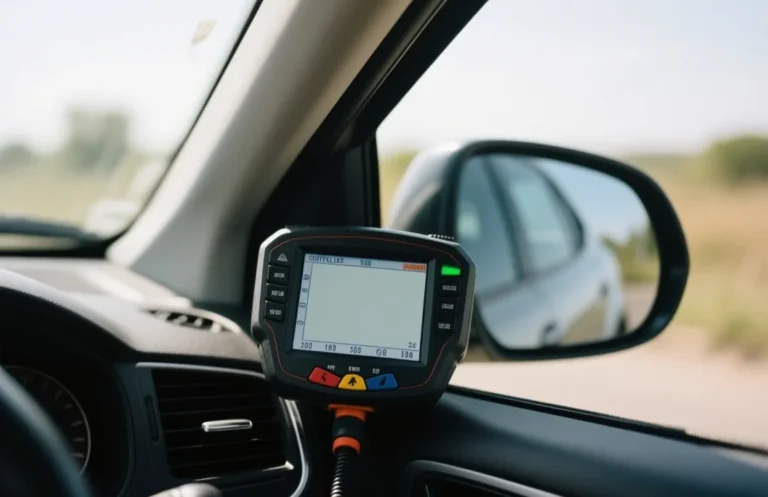
If you have a multimeter or can obtain one quickly, check battery voltage:
- Battery at rest: A very low reading suggests the battery may be too weak to start the car reliably.
- Voltage drop while cranking: A major drop can indicate a weak battery, poor terminal connection, or excessive resistance in the cables.
The alternator matters when the engine starts but cannot keep running or maintain electrical power. If the car starts, watch for consistent charging behavior. If it immediately dies again, possible causes include alternator output failure, a protection shutdown, or a fuel or ignition fault unrelated to charging.
A pop can create both mechanical and electrical symptoms. A misfire-related backfire may blow a fuse that supplies engine management. A failing battery can produce weak spark and contribute to misfires. Check the battery connections, fuses, and visible wiring before replacing expensive parts.
If you cannot safely start the car for charging tests, test the battery and connection integrity first. Move to ignition or fuel diagnosis only after the basic power supply is confirmed.
When Towing Is Safer Than Restarting
Tow the car when the potential damage or fire risk outweighs the value of another restart attempt. After a loud pop and immediate stall, one careful restart attempt may be reasonable after the safety checks. Repeated attempts are not.
Tow the car if:
- You smell gas strongly or see fuel leaking.
- Smoke is coming from the engine bay, wiring, or exhaust area.
- You see melted wiring, arcing, or damaged connectors.
- The engine will not crank after you check the battery terminals and basic power connections.
- The pop returns immediately when you try to start it.
- The car starts and dies again with the same symptoms.
A car that seems almost normal may still have a damaged ignition component, fuel-system part, sensor connection, or engine-management power feed. Continued starting can worsen the fault and increase the repair cost.
Use this rule: if you cannot establish that the car is safe to try again after checking for leaks, smoke, and fuse damage, tow it. A tow is usually cheaper than secondary damage caused by repeated cranking or driving with a fuel, electrical, or misfire problem.
FAQ
What does it mean when a car makes a loud pop then dies?
A loud pop followed by an immediate stall usually points to a sudden misfire involving fuel or ignition, or an electrical interruption such as a blown fuse or voltage drop. Check for fuel smell or leaks, inspect fuses and wiring, and determine whether the sound came from the engine bay or exhaust.
Can I drive after the car pops and dies?
Not until you confirm there are no fuel leaks, smoke, or repeating pops. If you cannot identify the cause quickly, tow the car.
How do I know whether it is the battery, starter, or alternator?
If the engine will not crank strongly, check the battery terminals and battery voltage first. If it starts briefly and dies again, alternator output and engine-management power feeds are possible causes.
Can a backfire damage the engine?
A single backfire is less likely to cause immediate catastrophic damage, but repeated backfires can heat and damage exhaust components. Ongoing misfires can also damage parts over time. Check vacuum hoses, ignition connections, and exhaust leaks before trying to run the engine again.
What is the most common mistake after a pop and stall?
Repeatedly cranking the engine is the most common mistake. Continued starting can overheat wiring, worsen a short, or send more fuel into the exhaust when the engine is not burning correctly.

- Top 10 Best Helmet For Xtreme 125r 2026 - October 5, 2026
- Top 10 Best Helmet For Xpulse 200 2026 - October 5, 2026
- Top 10 Best Helmet For Xsr 155 2026 - October 5, 2026