Car Making A Whining Sound When Accelerating: Causes & Fixes

A car that whines when you accelerate usually has a problem in the belt-and-accessory system, transmission, differential, power steering, or intake. Some causes are safe to drive on briefly; others can leave you stranded or cause expensive damage.
The fastest clue is what the sound follows:
- A whine that rises and falls with engine RPM usually points to a belt-driven accessory, such as a tensioner, alternator, or water pump.
- A whine that follows road speed or appears under drivetrain load points more toward the transmission, differential, driveshaft, or rear axle.
- A whine that gets louder while turning the steering wheel often comes from the power steering system.
- A whistle during light throttle, especially with a rough idle or hesitation, may come from a vacuum or intake leak.
If the noise comes with grinding, fluid leaks, warning lights, shuddering, or stiff steering, stop driving and have the car checked.
Fast Clues for Finding the Source
- Start with simple checks. Inspect the belt, fluid levels, visible leaks, intake tubing, and vacuum lines before replacing parts.
Why a Car Whines When You Accelerate
Most acceleration-related whines come from one of two areas: a belt-driven accessory spinning faster as engine RPM rises, or a gear and fluid system carrying more torque under acceleration.
The timing of the noise helps separate them. If the whine starts as soon as you press the gas and follows engine RPM, inspect the belt system and accessory bearings first. If it appears mainly when the car loads up during acceleration, especially at certain speeds, look more closely at the transmission, differential, or another fluid-driven subsystem.
Does the Whine Change With Engine RPM?
An RPM-related whine usually comes from a component connected to the engine’s rotation.
With the car warmed up, keep it in Park or Neutral, as appropriate for your drivetrain, hold the brake, and slowly raise the RPM in small steps for a few seconds at a time. If the whine clearly gets louder or higher-pitched as RPM rises, suspect a belt-driven accessory or, less commonly, another rotating engine component.
If blipping the throttle in Neutral does little, but the sound appears during an on-road acceleration test, the problem is more likely connected to vehicle motion or drivetrain load. Possible sources include transmission gear mesh, differential bearings, driveshaft joints, or a bearing in the rear axle.
Sound quality adds another clue. A smooth, high-pitched whine that rises with RPM often points to a belt or bearing. A rougher, gear-like whine that comes with vibration can indicate gear mesh, a failing bearing, or, in some vehicles, torque converter clutch behavior. Shuddering makes an internal transmission or mount problem more likely.
How to Tell Belt Whine From Transmission Whine
Belt whine tends to be higher-pitched and steady, following engine RPM. Transmission whine is usually more dependent on road speed, gear selection, and the amount of load placed on the drivetrain.
Belt whine patterns
- It may begin after a cold start or belt service.
- The pitch or volume may change when you switch on the AC, turn the steering wheel, or adjust the throttle.
- You may see cracks, glazing, or fraying on the belt.
- A pulley may feel rough or make noise when inspected with the engine off.
Transmission whine patterns
- It may occur only in a particular gear or speed range.
- It is often louder when accelerating from low speeds than when cruising.
- It may come with delayed shifts, shuddering, or a drone that changes as the transmission shifts.
- The sound may change when you lift off the throttle and remove torque from the drivetrain.
Use the steering and accessories as test points. If turning the wheel changes the whine, the belt system or a belt-driven accessory moves higher on the suspect list. If the noise stays the same regardless of accessory load but follows road speed and drivetrain load, the transmission or differential becomes more likely.
Common Sources of Acceleration Whine
The most common sources are accessory belts and bearings, power steering problems, transmission wear, and differential bearings or gears.
- Accessory belt system – belt tensioner, idler pulley, alternator bearing, water pump bearing, or power steering pulley.
- Power steering pump – low fluid, air in the system, or worn pump internals.
- Transmission – input shaft bearing, gear mesh, low or degraded transmission fluid, or torque converter problems.
- Differential – pinion bearing, ring gear bearing, or worn carrier bearings.
- Driveshaft and joints – worn U-joints can make load-related noise, although vibration or clicking often appears too.
Engine mounts can make a normal mechanical noise seem much louder inside the cabin by transmitting vibration into the body. A bad wheel bearing can also produce a whine, but it usually follows vehicle speed rather than engine RPM.
The timing of the noise matters. A whine that began immediately after a belt replacement or accessory repair points toward belt tension or pulley alignment. A noise that started after low fluid, heavy towing, or another high-load event points more toward the transmission, differential, or power steering system.
How to Diagnose Power Steering Whine Under Load
Power steering noise is easier to isolate because turning the wheel changes the pump’s load immediately.
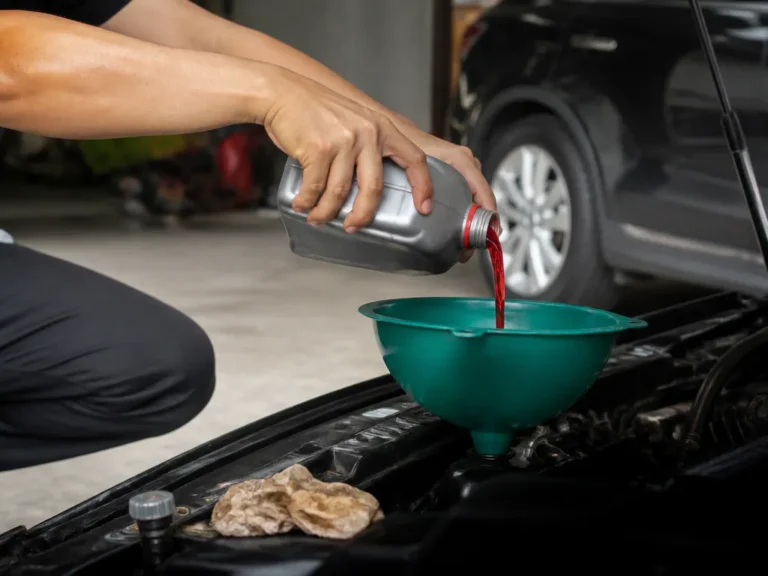
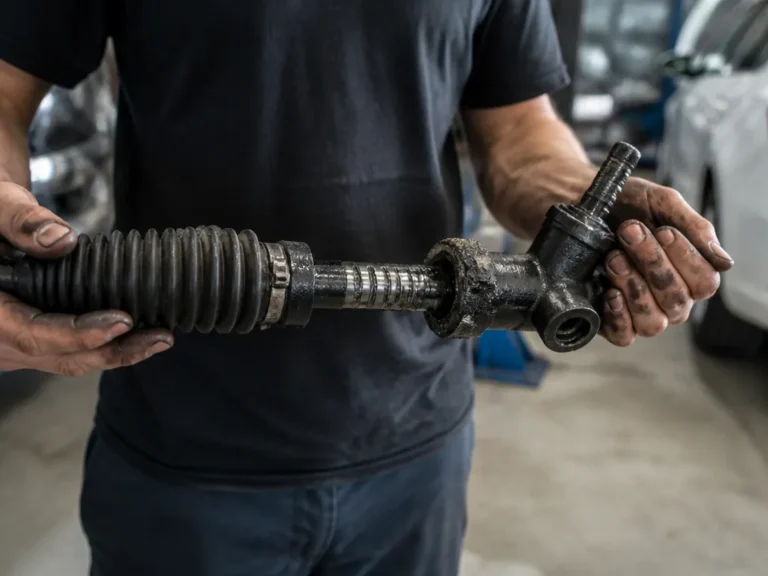
Check the power steering fluid level with the engine running or off according to your owner’s manual; some systems must be checked hot. Low fluid commonly causes whining and can draw air into the system, which makes the pump noisy and accelerates wear. Look for fluid residue around the pump, hoses, and steering rack fittings.
Next, turn the wheel slowly at low speeds and listen for a change in pitch or volume. Many power steering whines are loudest during parking maneuvers because the pump works harder. A significant increase in noise while turning strongly suggests the power steering system.
Inspect the belt and hoses as well. A worn accessory belt can slip under load and make the pump whine or squeal. Cracked hoses or loose clamps can cause aeration or fluid loss, depending on the location of the leak.
If the whine comes with stiff steering, visible leaks, or grinding, limit driving and have the car checked. Running a power steering pump low on fluid can damage it. You can top off the system with the correct fluid type, but recheck for leaks before continuing to troubleshoot other systems.
Check for Vacuum Leaks and Intake Whistling
A high-pitched sound is not always mechanical. A vacuum leak or intake problem can whistle during light throttle and sound like a drivetrain whine.
Vacuum and intake clues include:
- The sound changes with throttle position but does not follow engine RPM as smoothly as a bearing.
- It is more noticeable at idle or during light acceleration.
- The engine may have a rough idle, hesitation, or check engine light.
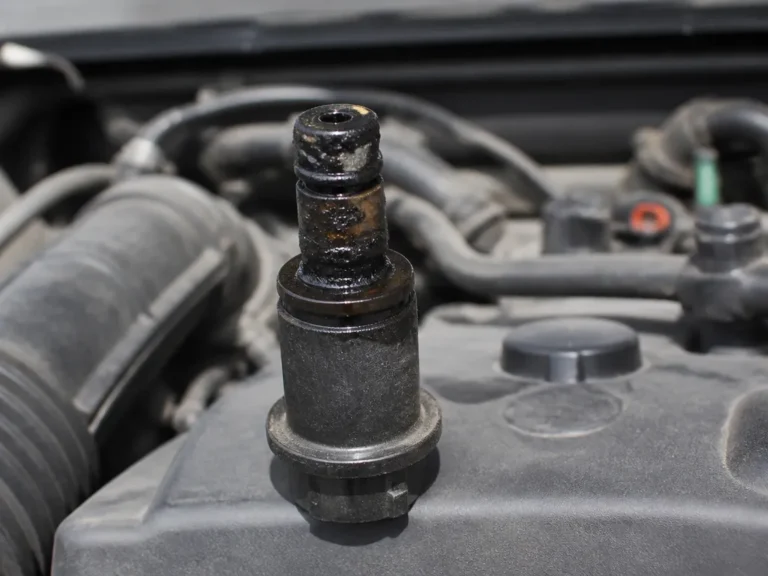
Begin with a visual inspection. Look for cracked or disconnected vacuum hoses, loose clamps on the intake tubing, and broken rubber elbows near the throttle body and intake manifold. If the vehicle uses a PCV valve or PCV hoses, inspect those connections too.
If you have basic tools, use an appropriate leak-detection method at idle. A smoke test is often better than guessing. Be cautious with flammable sprays, especially around a hot engine. Fix an obvious split hose or loose clamp first, then confirm whether the sound disappears before replacing drivetrain parts.
A high-pitched whine that rises with RPM and changes sharply when belt or steering load changes is less likely to come from a vacuum leak. Use the sound character together with the RPM test rather than relying on either clue alone.
Repairs That Usually Stop the Whine
The correct repair depends on which system matches the noise pattern. Common fixes include replacing a worn belt or pulley, correcting a fluid problem, repairing a leak, or replacing an internal bearing or gear.
- Belt accessory whine – replace the belt, the failing pulley, or both, and verify belt tension.
- Tensioner, idler, or accessory bearing – replace the worn bearing component rather than replacing only the belt.
- Power steering whine – refill with the correct fluid, bleed air if the system requires it, and repair any leaks.
- Transmission whine – service the transmission fluid if it is low or degraded and the diagnosis supports that repair; a failing bearing or gear may require internal transmission work.
- Vacuum or intake whistle – replace cracked vacuum hoses, reseal intake boots, or repair a faulty PCV-related component.
A fluid top-off is reasonable if you can do it safely and the system is simply low, but it does not repair a failing bearing. A strong, persistent whine deserves targeted diagnosis rather than random parts replacement.
FAQ
Why does my car whine only when I accelerate?
The component being loaded may be spinning faster or transferring more torque. Belt-driven accessories often become louder as engine RPM rises, while transmission and differential noises usually appear in particular gears or speed ranges under acceleration. If the sound also occurs at idle or during light throttle as a whistle, inspect for a vacuum or intake leak.
Can low transmission fluid cause a whining sound?
Yes. Low or degraded transmission fluid can cause whining or droning under acceleration because lubrication and hydraulic pressure control change. If the fluid is low, top it up using the correct procedure for your model and investigate why the level dropped. A whine that continues after the fluid is corrected may indicate a failing bearing or worn gear inside the transmission.
How long can I drive with a whining noise?
That depends on the cause, but treat a new whine as a diagnose-soon symptom. Fluid leaks, warning lights, shuddering, grinding, or stiff steering mean you should limit driving and get the car checked quickly. If the noise is mild and fluid levels are normal, you can often monitor it briefly, but do not wait weeks for it to worsen.
What is the quickest way to tell belt whine from transmission whine?
Perform an RPM test while stationary, then compare the result with a road test. If the whine clearly changes with engine RPM in Park or Neutral, it usually points to an engine-driven, belt-driven component. If it mainly follows vehicle speed or appears in certain gears during acceleration, the transmission or differential becomes more likely.
Is it ever safe to ignore a whining sound?
Ignoring it is risky because a failing bearing or gear can worsen and cause additional damage. Some whines do come from simple problems, such as a worn belt, low power steering fluid, or a cracked vacuum hose. If you cannot identify an easy fix and the sound is getting worse, arrange a proper diagnosis.
Start with the safe RPM test in Park or Neutral. Then check the power steering fluid, visible belt condition, and vacuum hoses. Those checks can quickly separate belts and accessories from the transmission, differential, and intake, helping you avoid spending money on the wrong repair.

- Top 10 Best Helmet For Xtreme 125r 2026 - October 5, 2026
- Top 10 Best Helmet For Xpulse 200 2026 - October 5, 2026
- Top 10 Best Helmet For Xsr 155 2026 - October 5, 2026