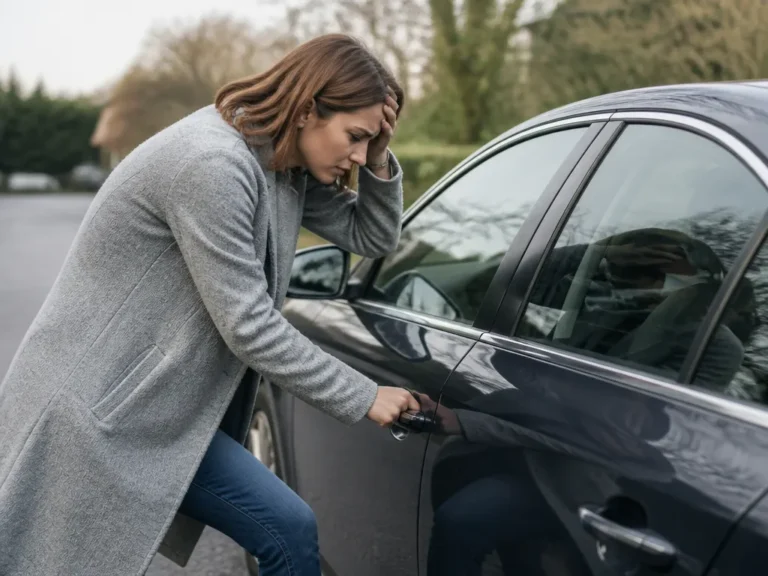
Car Is Making A Humming Noise When Accelerating: Humming Noise

A car that hums when you accelerate usually has a component under torque, such as a wheel bearing, tire, CV joint, differential, or another drivetrain part. The quickest way to narrow it down is to compare the noise with road speed, throttle input, and turning. A hum that continues while coasting points more toward a wheel bearing or tire. A hum that fades when you lift off the gas points more toward the drivetrain.
Use a controlled test drive and basic visual checks, but avoid listening underneath a moving car or doing any repair that puts you near an unsupported vehicle.
Key Takeaways
- Most common sources: Wheel bearings and CV joints commonly create a hum that gets louder under acceleration.
- Brake test clue: Light braking can change the pitch and help separate a wheel-end problem from drivetrain noise.
- Inspect the tires first: Uneven tread wear, a damaged tire belt, or wheel imbalance can mimic a bearing hum.
- Avoid risky driving: Stop if the hum becomes grinding, vibration spikes, or ABS, traction control, or brake lights appear.
- Diagnose safely: Use a controlled test drive and quick observations instead of under-vehicle listening at speed.
Why a Car Hums Under Acceleration
Wheel bearings, CV joints, and differential gears can all produce a steady hum or growl that gets louder as the load increases.
Tires and alignment problems are another common source. A tire with uneven wear or a damaged belt can make noise whenever the wheel is turning. Acceleration may make it louder because the wheels spin faster and the suspension loads the tires differently.
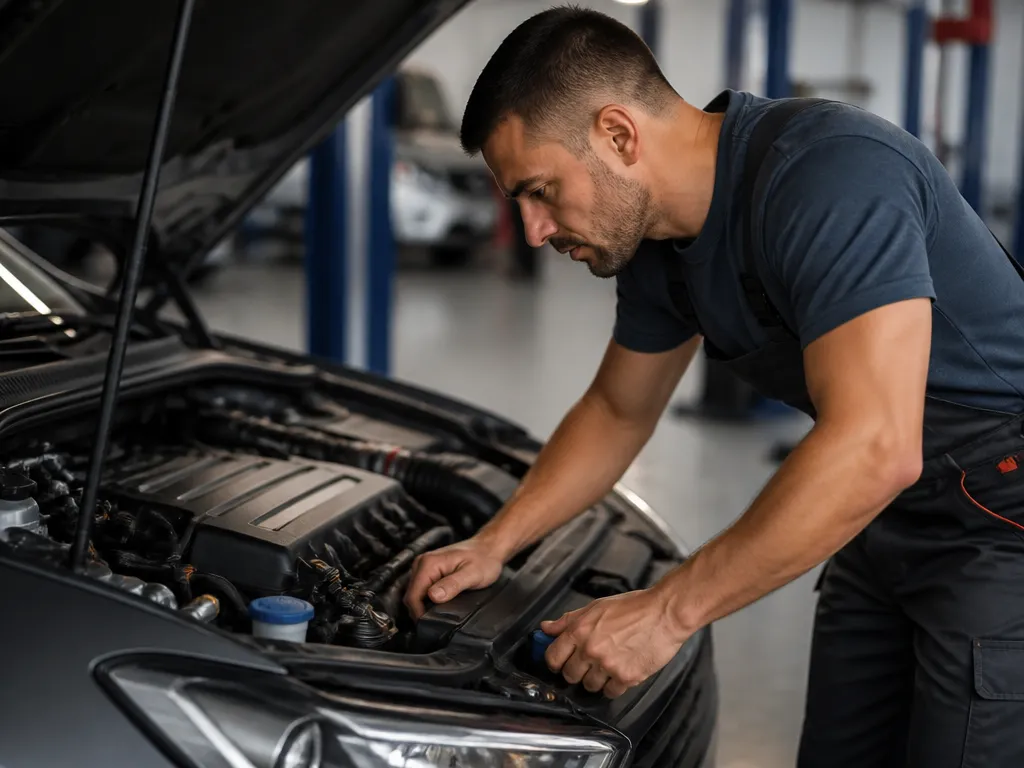
The exhaust can also produce a hum-like sound. A cracked exhaust manifold, loose heat shield, or exhaust leak may vibrate more as engine RPM rises. Exhaust-related noise often becomes more noticeable after the car warms up and may change when you hold the engine at a steady RPM with minimal throttle changes.
Use these patterns to narrow down the source:
- Hum under load: If pressing the gas makes it louder, suspect the drivetrain or a wheel bearing.
- Hum with road speed: If it remains while coasting, suspect a bearing, tire, or another wheel-speed component.
- Hum with engine RPM: If it changes with engine speed even when the car is not moving, suspect the exhaust or an engine accessory.
Do not keep driving indefinitely while waiting for the noise to worsen. Some bearing failures can progress to wheel seizure or loss of control. A damaged CV joint can also lose its boot, run out of grease, and deteriorate quickly.
Does the Humming Follow Road Speed or Throttle?
Try this on a safe, low-traffic road:
- Accelerate to a moderate speed until the hum is clear.
- Lift off the throttle and coast at the same speed.
- Note whether the hum stays at the same level or fades quickly.
Pitch provides another clue. A wheel bearing usually changes pitch as road speed changes and may change character during a turn because the turn shifts the load from one side to the other. Tire noise is often rougher or more textured, varies with the tread pattern, and may change noticeably after a tire rotation.
Distinguishing Tire, Wheel Bearing, and Drivetrain Noise
The goal is to identify the system that needs inspection, not to name the exact failed part from the driver’s seat.
Wheel bearing noise often has these traits:
- It changes with speed: The pitch usually rises as road speed increases.
- It may change while turning: Loading one side during a turn can make that side’s bearing louder.
- It may cause vibration: Some failing bearings produce a low-speed vibration or a change in steering feel.
Drivetrain hum behaves differently:
- It is strongest under acceleration: The sound often becomes less noticeable when you coast.
- It can have a gear-related tone: The pitch may remain steady while you maintain throttle.
- It may change during shifts: Manual gear changes or automatic shift points alter the gear ratio and torque path.
Tires can imitate both problems. Uneven tread wear, a failing tire belt, or an out-of-balance wheel can create a rhythmic hum that follows wheel speed. If the noise changes dramatically after tire rotation, the tire or wheel becomes more likely than the drivetrain.
Start with these practical checks:
- Inspect tread wear: Feathering, cupping, or a chunky wear band can create a hum.
- Check for vibration: Steering-wheel shake or vibration through the vehicle points more toward a tire or wheel-balance problem than a smooth bearing tone.
- Look at the inner and outer tread: Uneven wear can indicate alignment or bearing trouble.
- Inspect the sidewalls: Cracks or bulges can indicate tire damage or a belt problem.
- Check the wheels: Confirm the lug nuts are properly seated and the wheel does not appear visibly loose.
A short visual inspection can prevent you from replacing the wrong part. Narrow the problem to the tire, wheel end, or drivetrain before authorizing repairs or buying parts.
Differential and CV Joint Checks
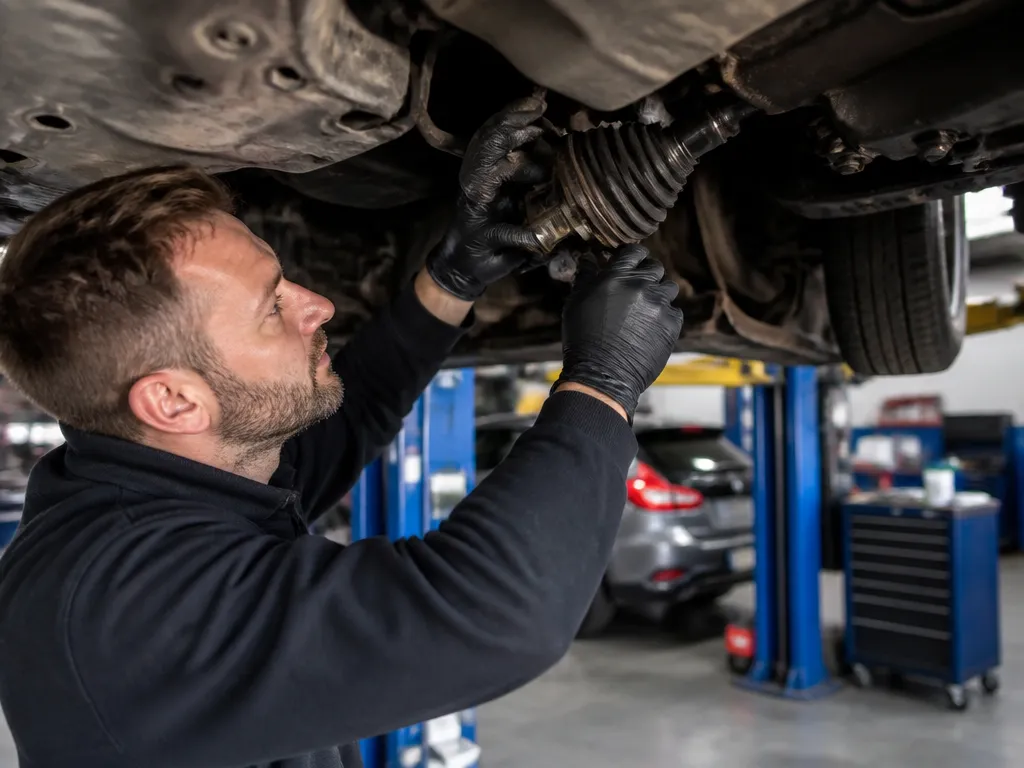
Differential gears and CV joints are common causes when the hum appears mainly during acceleration. CV joint noise may come and go with throttle input and often becomes worse during turns. Differential problems more often produce a steady hum or growl that changes between acceleration and coasting.
The most useful driving clue is the combination of turning and throttle. If the hum gets noticeably louder while you turn and accelerate, a CV joint becomes a strong candidate. On many cars, turning places additional load on the joint and can make an early failure easier to hear.
Check for these signs without special tools:
- Cracked or leaking CV boot: A damaged boot allows grease out and dirt in, accelerating joint wear.
- Loose or missing boot clamps: A poorly secured replacement boot can fail quickly.
- Clicking during turns: Clicking is a classic sign of CV joint failure, although early wear may sound like a hum or growl first.
- Fresh grease around a wheel: Grease flung onto nearby suspension or wheel components often points to a torn boot.
Differential noise can change with acceleration and coasting. Try light acceleration and then firmer acceleration. If the sound only appears after you cross a certain throttle pressure, the component may require torque load to reveal the problem.
AWD and 4WD vehicles require one additional possibility: the transfer case. Transfer cases and other driveline components can hum under torque, and the sound may change according to the vehicle’s driveline layout.
A torn CV boot should not be treated as a minor cosmetic problem. Dirt entering the joint and grease leaving it can accelerate wear quickly, leaving you with a stranded car or a more expensive repair than an early boot or joint replacement.
Brake and Exhaust Clues
Light braking can help identify a wheel-end problem. At a steady speed, gently applying the brakes changes the load on the hub, bearing, and rotor system. If the hum changes pitch or volume, prioritize a wheel-bearing and brake-area inspection.
Typical patterns include:
- Wheel bearing noise: It may grow louder or change pitch during light braking.
- Tire noise: It is usually less affected by light brake application.
- Drivetrain hum: It often changes little when you press the brake pedal, unless the shift in vehicle weight changes the load enough to affect it.
Braking is a clue, not a diagnosis. A clear change in the noise means the wheel end deserves closer attention.
Exhaust problems can create a similar hum, especially after the system has heated up. A cracked exhaust manifold, loose heat shield, or leak near an exhaust joint may vibrate more under acceleration and produce a steady tone.
Exhaust noise becomes more likely when:
- It is more noticeable after the engine warms up.
- It changes when you raise engine RPM in neutral, if safe and permitted.
- It changes when you tap the throttle, rather than only when vehicle speed changes.
- A heat shield rattles or buzzes at a particular engine speed.
If you suspect the exhaust, listen around the engine bay and underneath the parked car while the engine idles, then slightly raise the RPM. Keep away from moving parts, hot exhaust components, and the underside of any car supported only by a jack. If you cannot confirm the source quickly, do not assume the exhaust is responsible. A wheel bearing can sound similar at first.
A Safe Test Drive for Humming Noise
A structured test drive can separate speed-driven, throttle-driven, and turn-load-driven noise without putting you in danger.
- Warm the car up. Drive 10-15 minutes so the bearings, tires, and drivetrain reach normal operating temperature.
- Choose a safe straight stretch. Use a low-traffic road and keep speeds moderate.
- Accelerate gently. Note when the hum begins and how quickly it gets louder with throttle.
- Coast at the same speed. Lift off the throttle and observe any change in volume.
- Repeat at another speed range. Note whether the pitch rises smoothly with road speed.
- Turn left and right at low to moderate speed. If the sound gets louder in one direction, a bearing on the loaded side may be involved.
- Apply the brakes lightly at a steady speed, if safe. A change in pitch or volume favors a wheel-end problem.
- Compare gentle and firmer acceleration. A hum that appears only under heavier torque points more toward drivetrain wear.
Avoid these common mistakes:
- Do not floor the throttle to make the noise appear faster.
- Do not rely on memory. Write down observations such as “quieter when coasting” or “worse on right turns.”
- Do not listen underneath the vehicle while it is moving.
After the drive, inspect the tires for uneven wear or damage. Look at the CV boots for cracking, tears, or grease sling, especially on AWD vehicles. If you have a scan tool, check for driveline-related fault codes; some vehicles log faults when sensors detect abnormal driveline behavior.
If the hum is loud enough to make you worry while driving, skip extended testing and schedule an inspection. The test drive should narrow the cause, not keep you on the road while a failing component gets worse.
When to Stop Driving
Stop driving and arrange an inspection immediately if the hum escalates quickly, new vibration appears, or a wheel-end or driveline warning light comes on. A bearing or driveline failure can progress quickly, and one more trip can turn a manageable repair into a tow.
Stop if you notice any of these warning signs:
- Grinding or growling replaces the steady hum.
- Vibration suddenly increases at one speed or across all speeds.
- ABS, traction control, or brake warning lights come on and stay on.
- The steering pulls to one side or the car feels unstable.
- A CV boot is torn or fresh grease is flung onto a wheel.
- The noise changes sharply during turns and you also hear clunking or feel resistance.
That last combination can indicate severe joint play or a failing mounting component.
If you must concentrate unusually hard to keep the car driving normally, treat it as unsafe. Drive only to the nearest reasonable service location if the vehicle remains genuinely stable, then have it diagnosed.
A failing wheel bearing can overheat and damage the hub. A CV joint can wear rapidly after losing its grease. Neither problem is a good candidate for indefinite “wait and see” driving.
FAQ
Can a bad tire make a humming noise when accelerating?
Yes. A damaged belt or uneven tread wear can create a hum that tracks wheel speed. Acceleration may make it louder because the wheels spin faster. If the noise changes after tire rotation or the tread shows feathering, cupping, or another uneven pattern, investigate the tires and wheels first.
Should the humming change when I lift off the gas?
It can. The change is a useful clue, but it does not identify the failed part by itself. Have the tires, wheel bearings, and drivetrain inspected if the noise persists.
Is it safe to drive if the hum is mild?
A mild hum can still indicate a wheel-bearing or drivetrain problem, so do not assume it is harmless. If the noise is steady and there is no vibration, you can often drive carefully to a scheduled inspection. Stop immediately if it becomes grinding or you feel strong vibration.
How much does diagnosing this typically cost in the US?
The cost varies by shop, location, and the amount of inspection required. Expect a diagnostic inspection fee plus possible testing such as a road test, wheel-end inspection, and CV boot check before the shop quotes parts or repairs.
What is the most common mistake people make with humming noises?
Replacing parts based on sound alone. Drivers often blame the exhaust or engine when the actual source is a wheel bearing, tire, or CV joint. Inspect the tires and CV boots before buying parts.

- Top 10 Best Helmet For Xpulse 200 2026 - October 5, 2026
- Top 10 Best Helmet For Xsr 155 2026 - October 5, 2026
- Top 10 Best Helmet For Xc Mtb 2026 - October 5, 2026