Car Wont Start Smells Like Gas

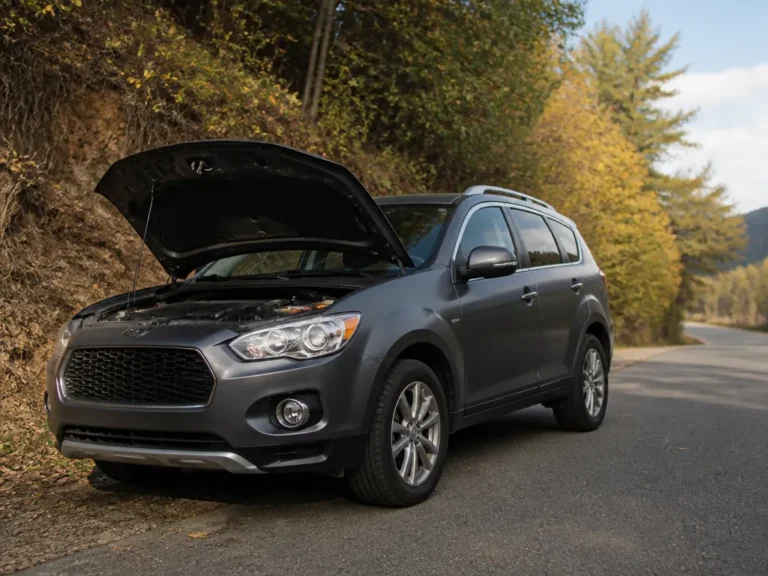
A car that will not start and smells like gas has either a fuel leak, a flooded engine, or a fuel-delivery problem. Treat strong gasoline odor as a fire risk. If you see wet fuel, smell raw gas near a hose or throttle body, or hear hissing, stop cranking. Open the hood and let the engine bay ventilate for 15 minutes before inspecting it.
Key Takeaways
- Treat the odor as a safety warning. Gasoline vapors ignite easily, so avoid cranking, sparks, and open flames when the smell is strong.
- Flooding is common. Repeated cranking can spray fuel into the intake and create a heavy gas smell.
- Check for leaks first. Inspect fuel lines, the fuel rail, injector connections, and the ground beneath the car before troubleshooting electrical parts.
- Spark and airflow can cause the same symptom. A failed crank sensor, ignition problem, or restricted airflow can prevent combustion while fuel continues entering the engine.
- Fuel pressure can be too high. A stuck-open fuel pressure regulator or failing pump can deliver too much fuel.
- Know when to stop. If you cannot locate the source of the smell, have the car towed instead of continuing to crank it.
What It Means
A no-start combined with a gasoline smell usually means raw fuel is leaking somewhere or the engine is flooded. The sequence is often simple: the engine develops a starting problem, fuel continues entering during cranking, and repeated attempts leave the engine bay smelling strongly of gasoline.
The timing of the odor can help distinguish the possibilities. If it appeared after repeated cranking, flooding is more likely; a persistent odor with no starting attempts suggests a fuel-system fault.
Why a No-Start Causes a Gasoline Smell
Raw gasoline odor means fuel vapor is escaping into the air around the engine. Fuel can reach the intake during cranking even when the engine never starts, or it can escape through a damaged hose, loose connection, or leaking injector.
Flooding often follows repeated attempts with the key. Fuel-injected engines spray fuel during cranking, so several unsuccessful attempts can saturate the intake and leave a strong odor even when ignition never catches.
Your nose provides a useful clue, but it does not identify the failed part. Narrow the problem down by determining whether fuel delivery, ignition, or airflow is preventing the engine from starting.
Check for Fuel Leaks Under the Hood
Before electrical troubleshooting, confirm that fuel is not escaping. Open the hood and inspect the engine bay with a flashlight. Check the fuel rail, lines running along the engine, accessible fittings, and the undersides of components where fuel may collect or drip.
Look for fresh wetness around:
- fuel hoses and quick-connect fittings
- the fuel rail and injector connections
- the throttle body and intake plenum, which may indicate overflow or injector trouble
- the bottom of the engine, where fuel can drip into the airflow
Even slight dampness matters. Gasoline spreads quickly and may evaporate before you see an obvious puddle, especially after repeated cranking.
If a hose connection smells strongly of raw fuel or a line is wet, stop. Do not keep cranking to “test” the problem. Fuel that sprays or runs in the engine bay can ignite.
Check Spark, Fuel Pressure, and Airflow
After ruling out an obvious leak, determine whether the engine has the fuel, ignition, and air it needs to start. A failure in any one of these systems can cause repeated cranking and a fuel smell because fuel may still enter even when combustion never begins.
Check for spark
Missing spark allows fuel to accumulate without burning. You may notice that the car cranks normally while other electrical systems work, but the engine never fires. A scan tool may reveal stored trouble codes, but an ignition tester provides a more direct spark check.
Common no-spark causes include a failed crankshaft position sensor, a camshaft sensor problem, or an ignition module failure, depending on the vehicle. When the engine cranks but will not fire and smells like fuel, missing ignition belongs near the top of the list.
Check fuel pressure
Excessive fuel pressure can make the injectors over-deliver and flood the engine. Low pressure can also cause a no-start, although it usually creates less raw-fuel odor unless the system is intermittently delivering too much fuel.
A shop typically measures rail pressure at the correct test port with a suitable fuel pressure gauge kit. Pressure that stays within specification shifts attention toward spark and airflow.
Check airflow
Airflow problems can cause lean misfires or a complete no-start. Possible causes include a blocked intake, a failed mass airflow sensor, a vacuum line stuck open or closed, or a malfunctioning throttle control.
On many vehicles, scan-tool readings for throttle position and airflow make this diagnosis faster than replacing parts by guesswork.
Common Causes of a Gas-Smelling No-Start
1. Flooded engine from repeated cranking
Repeated cranking can pool fuel in the intake tract. The smell usually becomes strongest after several unsuccessful attempts. On fuel-injected cars, this happens because the injectors continue spraying during cranking.
2. Leaking injector or injector seal
An injector that dribbles fuel while it should be closed can add fuel to the intake without the engine running. The result may be a persistent gasoline odor, rough cranking, or fuel-wet spark plugs over time.
3. Leaking fuel hose, rail connection, or pressure regulator
A damaged hose or failing quick-connect fitting can leak whenever the fuel system is pressurized. Wetness near the rail or a concentrated fuel smell around one connection points toward this type of fault.
4. Fuel pump or pressure-control problem
A pump that runs when it should not, a stuck-open pressure regulator, or another pressure-control failure can over-deliver fuel during cranking. That can worsen flooding and keep the gas smell from going away.
5. Spark failure that lets fuel accumulate
A failed crank sensor, ignition module, or related ignition component can stop combustion while fuel continues entering the intake. The result is a strong gasoline odor without a running engine.
Treat the odor as a clue about where fuel is going, not proof that flooding is the only problem. A fuel leak and a flooded engine can occur at the same time.
How to Try Starting It Without Igniting Fumes
Gasoline vapors are flammable, so take the smell seriously before making another start attempt.
- Stop cranking immediately if the smell is strong or you suspect a leak.
- Ventilate for 15 minutes with the hood open before trying again. This lowers the concentration of fuel vapor around the engine.
- Inspect for wet fuel again while you wait. Fresh dampness or dripping means you need a leak repair, not another start attempt.
- Use clear-out mode if the engine is flooded. On many throttle-by-cable vehicles, holding the accelerator to the floor while cranking reduces fuel injection. Throttle-by-wire vehicles may handle this differently, so follow the owner’s manual when possible.
- Crank in short bursts only, such as 5-10 seconds, with a rest between attempts. Long sessions can overheat the starter and continue feeding fuel into the engine.
If the car starts, let it idle briefly instead of driving away immediately. Watch for a returning gasoline smell, fresh leaks, or rough running. Shut it down if the odor becomes strong again.
Keep a fire extinguisher accessible if you have one. Do not leave the car in an enclosed space such as a garage until the problem is resolved.
When the Car Needs a Mechanic or Tow Truck
Call a mechanic or tow truck if you cannot identify the source of the gasoline odor or find evidence of an active leak. Wetness on a hose, fuel rail, or connector is a stop-and-tow problem, not a reason to keep trying the key.
Get professional help if:
- the smell remains severe after venting
- the engine keeps flooding after a few controlled restart attempts
- you suspect a sensor or ignition failure but cannot confirm spark or trouble codes
- you do not have the tools to check fuel pressure safely
A tow is usually cheaper than an engine-bay fire or additional damage from repeated cranking. If the odor persists after a basic inspection, have the fuel system tested.
FAQ
Is it safe to keep trying to start a car that smells like gas?
If the smell is strong or you suspect a leak, no. Continued cranking can add more fuel vapor to the intake and engine bay. Ventilate the engine area for about 15 minutes with the hood open and attempt only short, controlled starts if no leak is visible.
Could a bad fuel injector cause a no-start with a gas smell?
Yes. A leaking or stuck injector can drip fuel into the intake, creating a persistent raw-gasoline odor even when the engine will not start. The smell may appear after repeated cranking or return quickly after venting.
How long should I wait before trying to start again?
Wait about 15 minutes with the hood open to let fumes dissipate. If the smell remains intense, do not keep trying. Use that time to determine whether the odor is concentrated around a particular hose or component.
What is the fastest thing to check on my own?
Inspect the fuel rail, hoses, and injector connections, then look beneath the car for fresh drips. If you find wet fuel, arrange a repair or tow.
Can a clogged air filter or airflow issue cause this?
Yes. An airflow problem can cause a misfire or no-start, and repeated cranking can then allow fuel to accumulate and create an odor. A strong raw-gasoline smell more often points to flooding or a fuel-delivery problem, but if you cannot find a leak, scan for codes and verify spark and fuel pressure before replacing parts.

- 10 Best Jack For Ford Transit Review (October 2026) - October 12, 2026
- 10 Best Jack For Ford Raptor Review (October 2026) - October 12, 2026
- 10 Best Jack For Ford Ranger Review (October 2026) - October 12, 2026